The Ripple We Create When We Vote
| | |
“The vote is precious. It is almost sacred. It is the most powerful non-violent tool we have in a democracy.”
— John Lewis
| |
| |
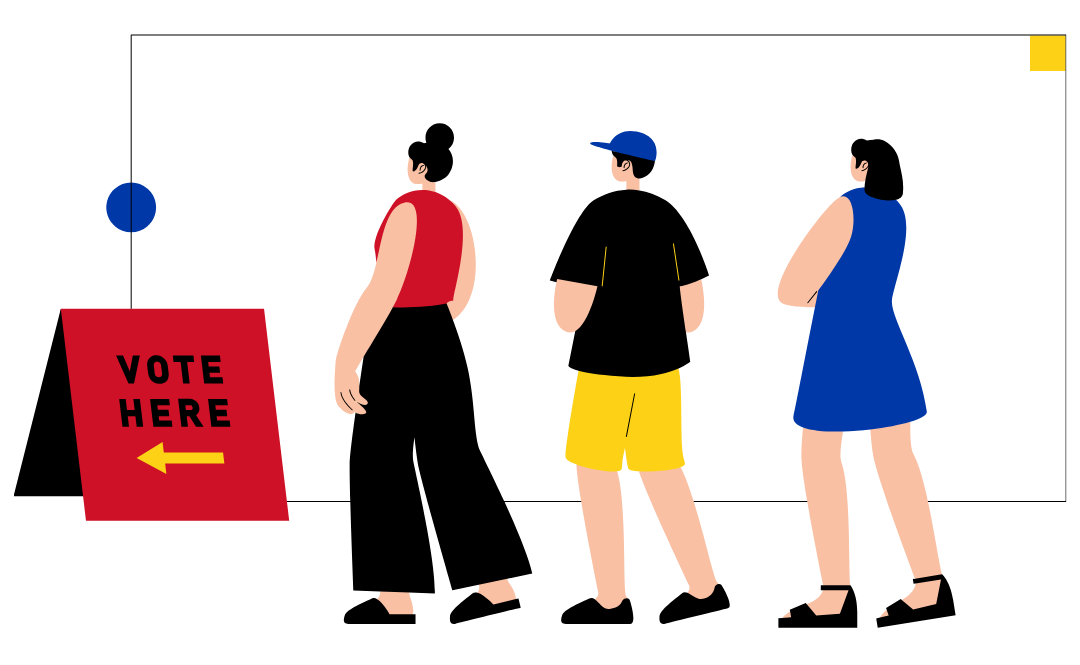
Voting season has arrived in the United States, and quiet attention is rippling across the globe. The world is watching not because this country is the center of the universe, but because the choices made here bleed directly into the struggles people are enduring everywhere. You can trace U.S. policy in the very air we breathe, in the borders families are forced to cross, in the conflicts tearing communities apart, and in the fractured future we are leaving for our children. When this nation votes, those decisions create ripples that extend far beyond our borders.
But how do we find a north star when the entire system feels corrupt? When the machinery of government causes so much of this pain, it is easy to ask: why participate at all? Why not just stay home?
Historically, the answer has never been to walk away. Even when the ballot was drenched in exclusion and systemic violence, our ancestors organized and claimed it anyway, not because they trusted the system, but because they knew that abandoning the field only guarantees that those who wish us harm win. They used the vote as a tool of survival, a way to transform systems from the inside out, and the only way to ensure that we ultimately rise and win together.
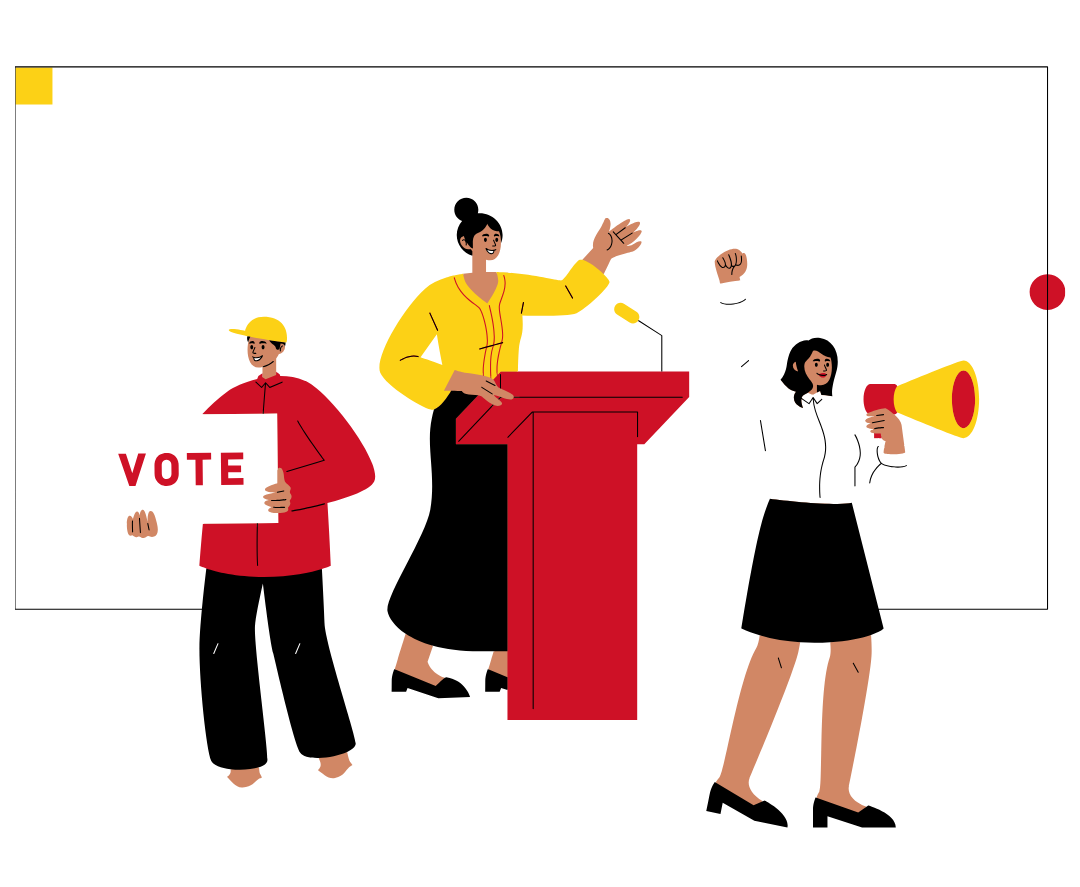
| | In this midterm election, the stakes are painfully concrete. We are deciding who holds the power in the U.S. House of Representatives and the Senate, alongside the critical local and state leaders who shape the quiet fabric of our everyday lives. From neighborhood school boards to the halls of Congress, every single seat on the ballot determines how power is weaponized or used for care. | |
Voting remains a critical way for change agents to step into the clearing and push back. It will not heal every crisis by tomorrow morning, but it fundamentally shapes the vital conditions that allow real transformation to take root. It dictates how resources flow, how human rights are shielded, and how the world responds to the baseline of human dignity.
We do not participate because we believe the system is flawless. We participate because we refuse to surrender the world to systemic injustice, and we choose instead to build a reality of mutual abundance. We have until Tuesday, November 3, 2026, to make our voices heard at the ballot box.
| | |
How to Citizen with Baratunde
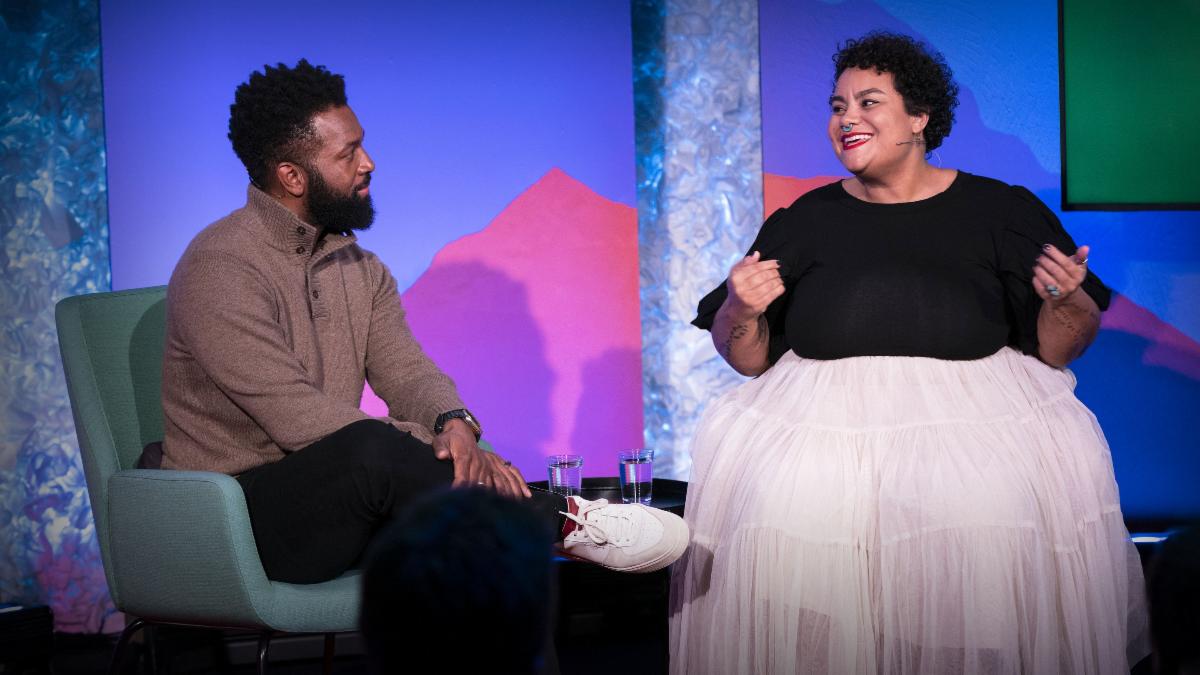
Democracy, Fractals, and Sci-fi (adrienne maree brown), hosted by Baratunde Thurston, with guest adrienne maree brown
Saving our democracy isn’t just about registering people to vote, ending gerrymandering, and so on. It’s about getting back to the basics of living together well through micro, everyday moments. Baratunde talks with writer, activist, and fellow Virgo adrienne maree brown about how we can learn to practice democracy in every space we’re in and how our small, civically-minded behaviors in society create a culture that isn’t easy to shake. Learn more.
| |
|
The NPR Politics Podcast
How Power, Corruption, and Lies Influence Voters' Choices, hosted by Miles Parks
This episode of The NPR Politics Podcast explores how voter perceptions of systemic corruption and dishonesty shape modern campaign strategies. The panel breaks down how political parties leverage these grievances to sway undecided voters amid historic levels of cynicism. Listen to the full discussion on The NPR Politics Podcast.
| |
|
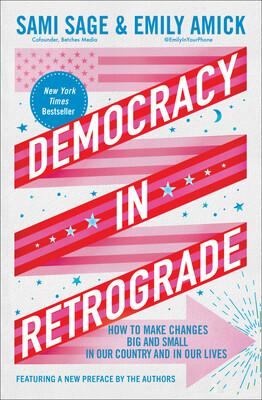
Democracy in Retrograde: How to Make Changes Big and Small in Our Country and in Our Lives
by Sami Sage and Emily Amick
In America’s current political climate, it’s hard not to get discouraged. Isolated, doomscrolling, lacking a sense of purpose or community...it’s easy to become overwhelmed by the dire state of the two-party system and do nothing, because why try when the odds are never in our favor?
At this fragile moment in history, Emily Amick and Sami Sage want to reframe civic engagement as a form of self-care and an assertion of one’s values and self-respect. This book is not just about voting, but about claiming your singular place in your country and community.
| |
|
You're More Powerful Than You Think
A Citizen's Guide to Making Change Happen
by Eric Liu
In this age of epic political turbulence, citizens everywhere are organizing to claim their power. Do you understand what power truly is, how it flows, who has it, and how you can exercise it? This incisive, inspiring, and provocative book from Citizen University founder Eric Liu offers the answers.
| |
|
Voting Rights Lab
Tracking Resources
A tracking resource that tracks critical issues that impact voter access and election administration across all 50 states and DC.
Learn more
| |
|
Health & Democracy Index
by Institute for Responsive Government
A data tool connecting the health of communities with fair voting practices. When communities vote, they influence policy decisions that have a big effect on their health.
Learn more
| |
|
Election Earth Action Challenge
The Election Earth 10-Week GOTV Activation Challenge gives you one clear, meaningful action each week to vote your climate values, help others vote, and show up for the people, places, and future you care about.
Each action is simple enough to do on your own and powerful enough for an organization, congregation, workplace, health network, or community group to build around.
Learn more
| |
| |
Robert Wood Johnson Foundation Health Policy Fellows
The RWJF Health Policy Fellows program provides the nation’s most comprehensive midcareer learning experience at the intersection of health, science, and policy in Washington, D.C. Fellows participate in the policy process at the federal level and leverage that leadership experience to promote policies, practices, and systems changes that advance the health of the nation.
The fellowship requires a full-time commitment with a minimum 12-month residence in Washington, D.C., which prepares individuals to influence the future of health and its drivers in the nation.
Eligibility & Selection Criteria
- Exceptional midcareer professionals from academic institutions, not-for-profit organizations, or government (including military; U.S. Dept. of Veterans Affairs; U.S. Public Health Service Commissioned Corps; and state offices who are not considered government officials under Section 4946 of the Internal Revenue Code);
- Applicants must have earned an advanced degree (master’s or doctoral degree);
- In addition, applicants must have developed deep subject matter experience in a health- related discipline and have at least 10 years of full-time work experience. Examples include but are not limited to medicine; nursing; public health; law; dentistry; economics and other social sciences (especially disciplines related to factors that influence population health, such as housing, transportation, nutrition, employment, education, and environmental and community conditions); health services and social work/behavioral health; and other health professions;
- Applicants whose official job description or responsibilities are primarily government relations or advocacy are not eligible;
- Individual candidates for receipt of award funds must be U.S. citizens, or permanent residents at the time of application. The RWJF Health Policy Fellows are placed in assignments in the federal government. Therefore, changes in federal policy or law may necessitate that RWJF consider adjustments in eligibility and grant terms, as well as placements in the program.
- Additionally, individual candidates for receipt of award funds cannot be related by blood or marriage to any Officer or Trustee of the Robert Wood Johnson Foundation, or be a descendant of its founder, Robert Wood Johnson.
Deadline: November 3, 2026
| |
| | | |