Mental Health Matters:
A Monthly Blog from the Director
We See You:
Discrimination and Oppression Continue to Affect Mental Health
of Many African Americans
L
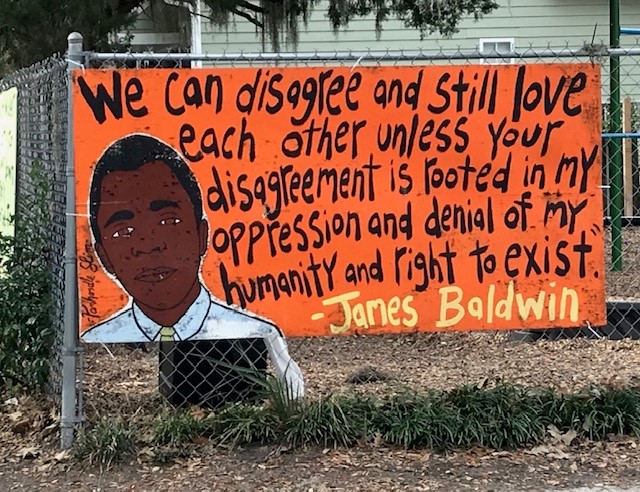
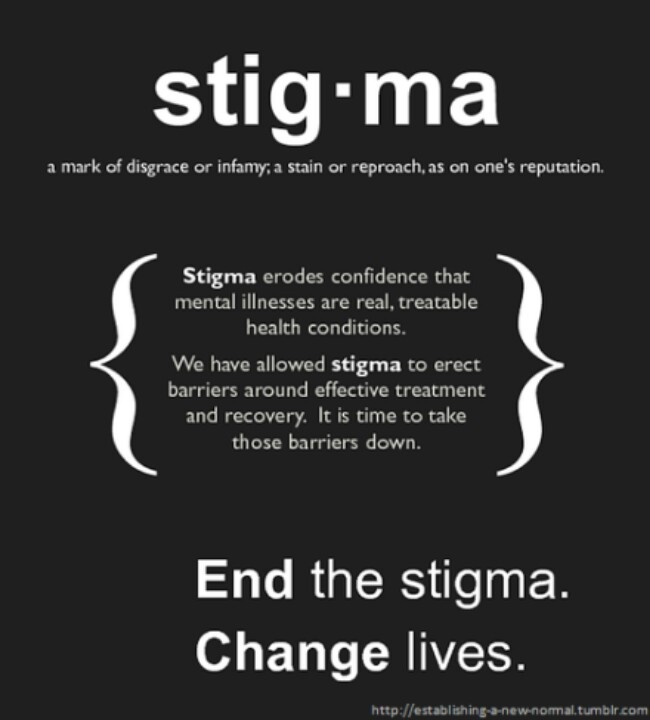
ike so many who deal with a mental health issue, stigma and discrimination can be a barrier to getting help. In the African American community, this can be especially true. We are all shaped by our culture, ethnicity, family and experiences. As a white woman, I will not attempt to claim any expertise on African American mental health or the African American experience. As we near the end of February and Black History Month, I can, however, share information that I hope will be helpful in accessing help and providing hope, and let the African American community know that “We See You.” I recently took the picture above of a sign on a playground fence while in Savannah, GA, and what resonated with me was the history of discrimination and oppression that continues to affect the mental health of many African Americans.
According to the Health and Human Services Office of Minority Health, African Americans are 10 percent more likely to experience serious psychological distress such as depression, anxiety, PTSD, and suicide than non-Hispanic whites. Like many minority communities, they are also more likely to experience socioeconomic disparities such as exclusion from health, educational, social and economic resources, which can lead to worse mental health outcomes
(Source: NAMI)
In the African American community, faith and spiritual beliefs offer great sources of strength and support, but there are times when therapy and other mental health services are needed. Justin Perry, a local African American therapist who is a lifelong Christian says, “Earlier in my life, I tried unsuccessfully to pray my depression and anxiety away, before finally surrendering and seeking counseling. It completely changed my life path for the better.” He says he seeks now to give to others what helped save his life.
Camille Rahatt writes in her article titled,
To The Black Parents That Told Us To Pray Our Depression Away, We Can't.,
“Mental illness has always been a stigma in the black community. Our parents were taught that they had to be tough and resilient in order to overcome the blatant racism they faced. Additionally, education on mental health was rarely accessible. Luckily for our generation, it is not as hard as it once was to discuss it with our peers.”
Rahatt also notes that more African Americans are being diagnosed with PTSD due to so much media coverage of violence against black people. “Seeing the death of people that look like you, can have a detrimental effect on your psyche (which is why I urge people to refrain from over-watching the news). The stories mostly involve acts of violence or some form of injustice towards people of color.”
Actress Taraji P. Henson recently launched the Boris Lawrence Foundation with a mission to end mental health stigma in African American communities. The foundation is named in honor of her father who died of liver cancer in 2006. In her 2016 memoir,
Around the Way Girl
, she wrote about her father returning home from Vietnam with little or no physical or emotional support. “I stand now in his absence, committed to offering support to African Americans who face trauma daily, simply because they are black,” she stated.
In the African American community, myths and misinformation about mental health can often keep people from seeking help. This lack of understanding can lead many to believe that a mental health condition is a sign of personal weakness. Many African Americans have trouble recognizing the signs and symptoms of mental health conditions such as anxiety and depression, which leads to underestimating the effects of these conditions. They may also be reluctant to discuss mental health issues and seek treatment because of the shame and stigma still associated with such conditions in their community. According to Rahatt, members of the black community are more open to seeking help from institutions they trust, which is why “the Black church has been a form of refuge for most.” She stresses that prayer can be a powerful form of healing to some, but many mental health issues require medical treatment to effectively assess and treat the issue.