Whidbey Environmental Action Network

A Comprehensive Planning

Update With Marnie And Amanda

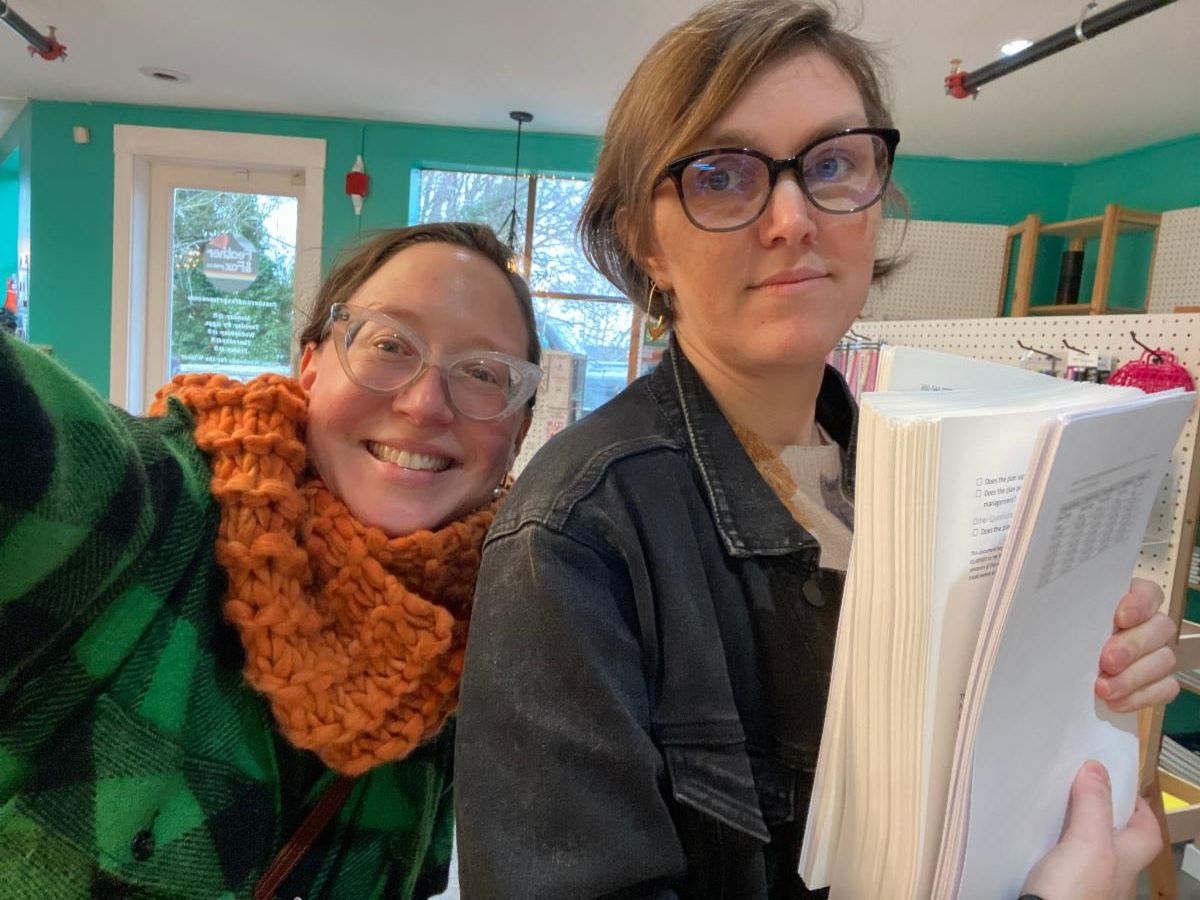
WEAN Engagement Director Amanda Bullis and Executive Director Marnie Jackson on their way to send the full packet of WEAN's participation thus far, over 900 pages of comments and resources, to Island County via certified mail.

Holding Island County accountable during comprehensive planning is at the heart of WEAN's work.

On the latest episode of Action Hour, WEAN Executive Director Marnie Jackson and Engagement Director Amanda Bullis discuss the comprehensive planning process, WEAN's history with Island County's Comprehensive Plan, their experiences during this planning cycle, and what they hope the outcome will be for our island communities. For those of you who have been following along, or for those who haven't been and are curious about comprehensive planning, this episode is a must-listen.


According to the planning department, Island County received 346 comments from the community during the 60-day public comment period that closed on February 9, 2026. It warms our hearts to see so many members of our community submit comments that will help protect Whidbey and Camano Islands for years to come.


Keep up the good work!


Listen to Marnie and Amanda's update on Spotify, Apple Music, iHeart Radio, Youtube, and Substack.

BOCC And Planning Commission Hold Joint Session On Rural Clusters

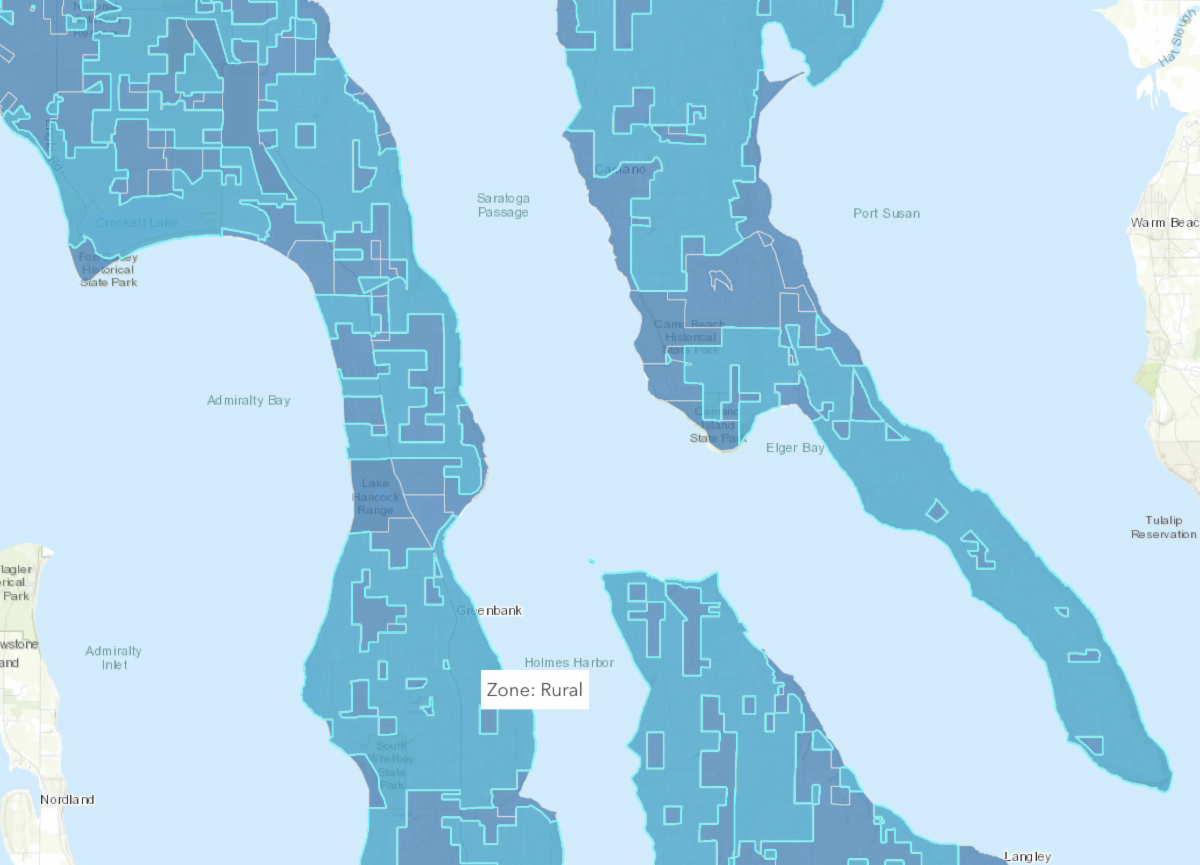
Image highlighting rural zoning from the Island County ArcGIS Zoning Map.

On February 11, the Board of Island County Commissioners (BOCC) and the Island County Planning Commission held a joint session to discuss housing policies related to Comprehensive Planning. While the agenda initially listed both the draft of the rural cluster code and short-term rentals as topics for discussion, the session focused solely on the rural cluster code.


Island County is writing a rural cluster code into the Comprehensive Plan as a solution to the state-mandated affordable housing requirements during this planning period, specifically the need to accommodate all income bands across all zoning areas in the county. The County is proposing this new code to replace the Planned Residential Development (PRD) code, which currently regulates planned subdivisions in rural areas in Island County.


The intention of the rural cluster code is to preserve areas of land suitable for conservation in rural areas by offering incentives for clustering housing units in the most buildable and least environmentally sensitive portions of undivided, substantial parcels, putting conservation protections on the rest of the lot. The hope is that by allowing these clusters, the county will be able to meet affordable housing needs in the rural areas without sacrificing rural character and critical habitat.


Some key takeaways from the conversation included a general agreement to increase the lot size requirements for both market-rate and affordable clusters from 5 acres to at least 10 acres, with the possibility of market-rate clusters having a minimum lot size of 20 acres, though that requirement did not reach consensus. The BOCC and Planning Commission also discussed reducing the maximum number of units allowed in a cluster, currently drafted at a 40-unit limit for larger lots, and whether market-rate clusters can meet affordable housing needs.


The Planning Department will take the feedback received from the BOCC and the Planning Commission during this meeting and incorporate it into a revised draft of the code for review at a later date.


You can listen to the meeting at the link below.

An Update On WEAN's

Litigation Against Oak Harbor

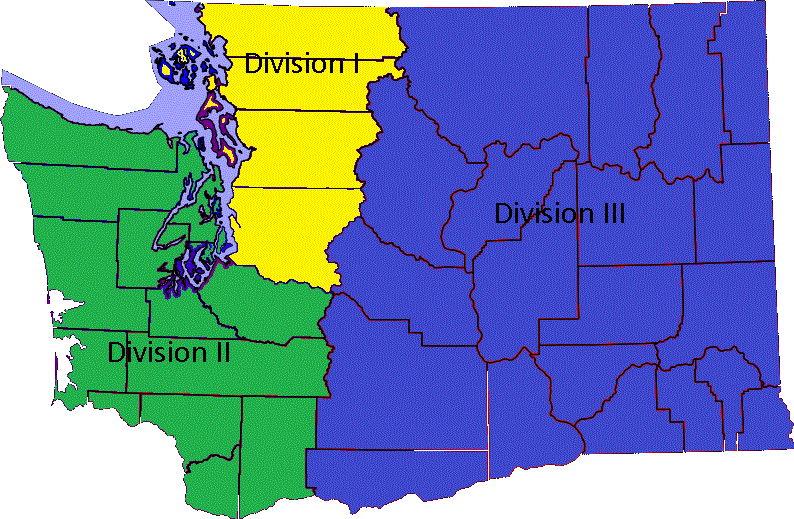
Image of the Divisions of the Court of Appeals of the State of Washington by Wahkiakum from Wikimedia Commons.

"The relevant question here is not whether the City can or cannot amend Ordinance 1110 as a general matter, but whether the new ordinance (Ordinance 1999) qualifies as a nonproject action under SEPA by amending or adopting standards that control the use or modification of the environment."


—Brian Telegin,

WEAN's Reply Brief, Jan 2026

In August of 2024, the Oak Harbor City Council passed Ordinance 1999, which amends an election provision in the city code that previously granted Oak Harbor citizens the right to vote whenever the City proposes to sell or transfer public park lands to a private entity. That same month, WEAN filed a complaint against the City, asserting that the City failed to comply with the State Environmental Policy Act (SEPA) when adopting the ordinance as a "non-project action." WEAN's initial filing also contended that the city council violated the Washington State Constitution. In April of 2025, the Island County Superior Court dismissed both of WEAN's complaints.


We are confident that the ordinance's passage constitutes an "action" for which the City was required to evaluate potential adverse environmental impacts before adopting it. We are now in the Washington State Court of Appeals, Division I, asking the court to reverse the Island County Superior Court's dismissal of our SEPA claim.


The City of Oak Harbor is claiming a categorical exemption from SEPA because it says it adopted purely procedural regulations and denies that the ordinance was changed to benefit development. The City claims the ordinance merely amends the process for transferring parkland property and does not enact a regulation that controls the use or modification of the environment.


The latest response submitted by WEAN's attorney, Bryan Telegin, in January 2026 highlights how the City's response distracts from the heart of the issue and paints a decidedly false narrative of the facts. WEAN maintains that the changes made to the ordinance are substantive, driven by specific development, absolutely modify the environment, and, as such, are subject to SEPA review before adoption.  

Attend "Cut Broom In Bloom," Mar 1

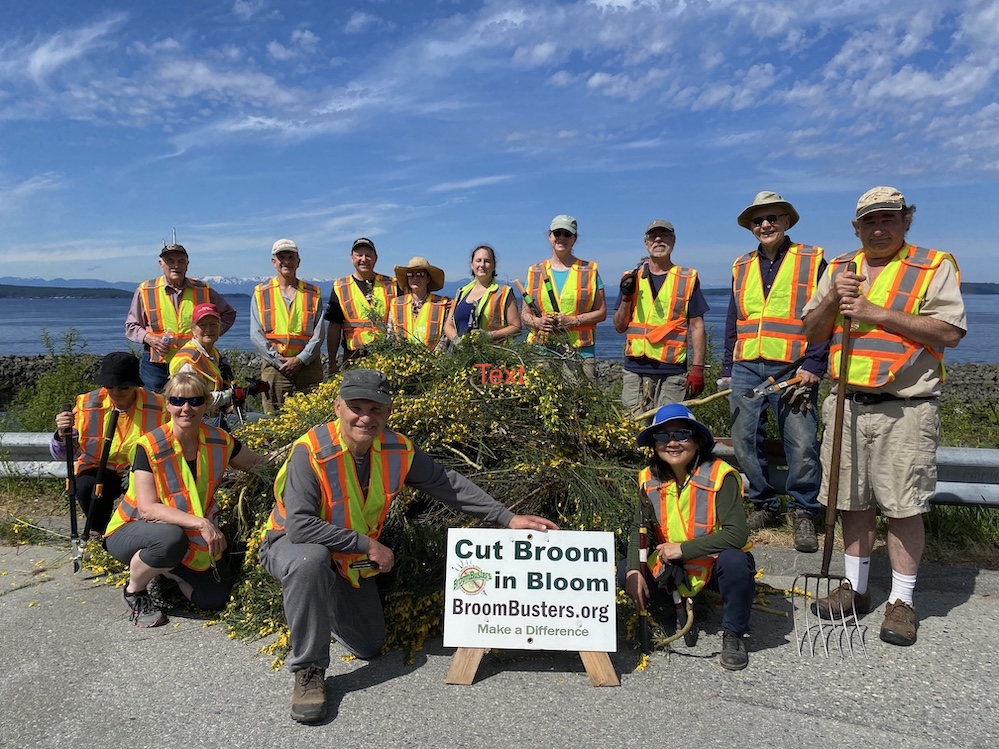
Image of volunteers from the BroomBusters website.

On March 1, Joanne Sales, executive director of BroomBusters from Vancouver Island, will give a talk at St. Hubert Church via Zoom about how her organization has built a community of over 600 volunteers who gather each spring to contain and eradicate scotch broom in their neighborhoods. 


Sales will speak about how the group got started, what they have learned, and what results they are achieving—for earth, soil, and community.  


When: March 1, 2026, at 3 pm

Where: St. Hubert Church, 804 3rd Street, Langley


"Cut Broom In Bloom" is sponsored by the St. Hubert Catholic Church Green Team and Goosefoot Community Fund. This event is open to the public. No registration is required.

Grab A Coffee With WEAN

At The Book Rack, March 6

Image of friends sharing coffee from Pixabay.

Marnie and Amanda will be at The Book Rack in Oak Harbor on March 6 between 10 am and 11:30 am. Come have a coffee with WEAN leadership, learn about WEAN's current priority issues, and share what's going on in your neighborhood.


When: March 6 from 10 am to 11:30 am

Where: 551 NE Midway Blvd #4, Oak Harbor, WA


Please RSVP at the link below to let us know you're coming!

Treaty Reflections From

The Snohomish Homelands

"As we move through Treaty season, marking the 171st anniversary of the Treaty of Point Elliot, signed January 22, 1855, remembering the Treaty of Point No Point, signed January 26, 1854, and reflecting just beyond the anniversary of the Medicine Creek Treaty, signed December 26, 1854, we find ourselves thinking less about dates and more about the people who stood inside those moments on these shores, beside these rives, under these same skies.


These treaties are not relics of the past. They remain legally binding commitments today."


Read the entire open letter from Carly Mathews, Vice-Chairperson, the Snohomish Tribe of Indians.

Give A Gift To WEAN

Love nature? Follow your heart this season by giving a gift to WEAN.

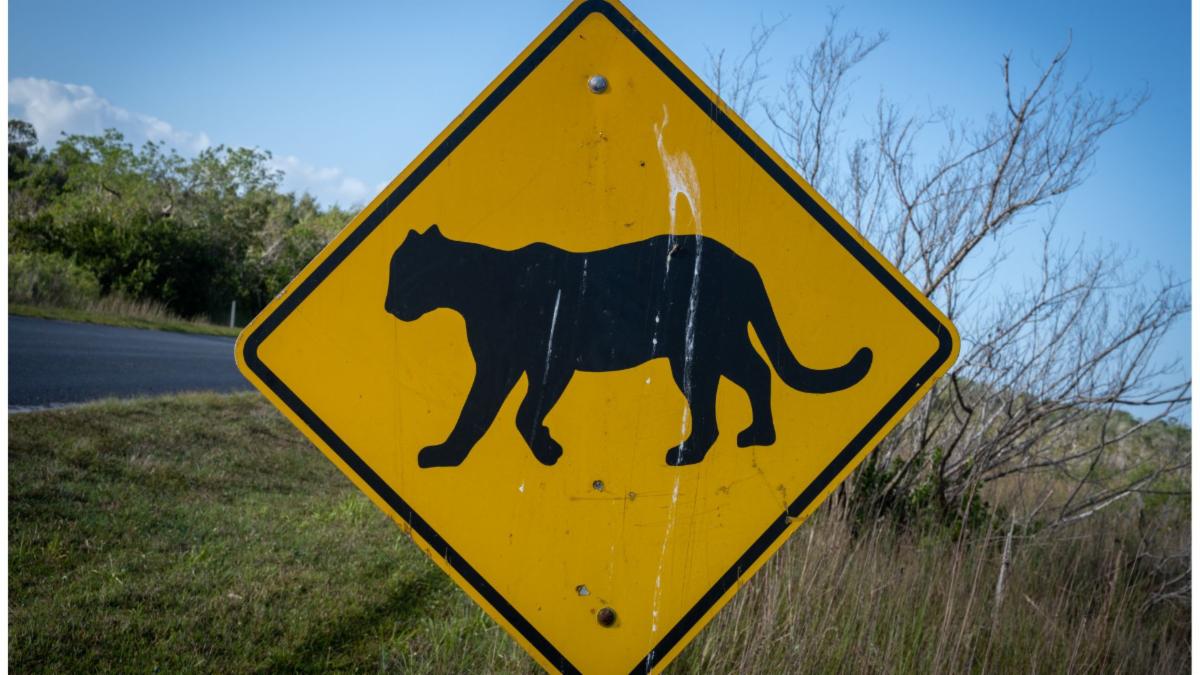
From Endangered Species Coalition: Support Wildlife Road Crossings

Image from Endangered Species Coalition.

Overpasses, underpasses, and connected fencing allow animals to move safely between habitats, reducing deadly collisions while protecting drivers and preserving the natural systems wildlife depend on to survive. In places where crossings have been built, wildlife-vehicle collisions have dropped dramatically, saving human lives, preventing injuries, and conserving species at risk of extinction.


Now Congress has an opportunity to expand these lifesaving projects nationwide through the Wildlife Road Crossings Program bill.


Contact your members of Congress today and urge them to cosponsor the Wildlife Road Crossings Program bill (H.R. 6078 / S. 3556) to expand wildlife road crossings across the United States.

From EarthJustice: Urge Your Senator To Pass Legislation On Data Centers

Image from EarthJustice of computer servers at one of Facebook's data centers by Andy Tullis for AP.

Earthjustice supports this legislation that would ensure Pacific Northwest energy remains affordable and reliable as demand for electricity grows due to the AI boom and the massive scaling up of data centers by wealthy tech corporations that rarely center community concerns. There will be more work to do in the future, to ensure the rapid expansion of these centers doesn’t further harm people and the environment.


Urge your representatives to support these commonsense measures today.  

From WCA: Pass The Bottles & Cans Recycling Refund Act!

The Bottles & Cans Recycling Refund Act will reduce litter and increase recycling rates in Washington by encouraging people to recycle and by pulling beverage containers into a clean recycling stream separated from other materials.


We need your help to urge Washington legislators to PASS the Recycling Refund Act HB 1607. Send your message now!

From Oregon Wild: Tell The Trump Admin The Public Deserves A Say In How Our Forests Are Managed

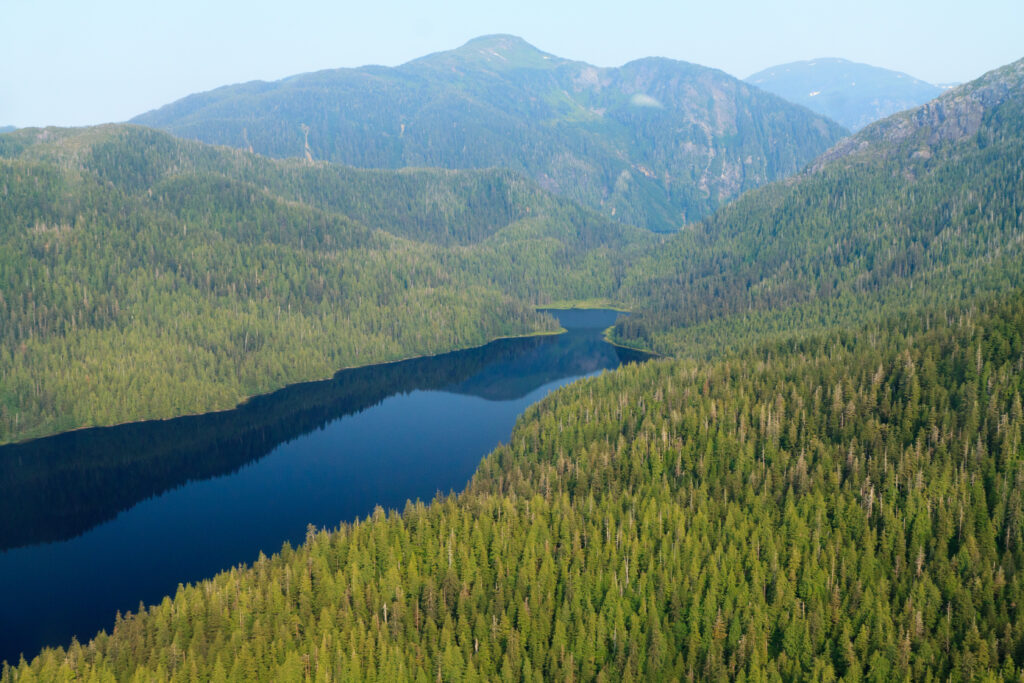
Image of Tongass National Forest by Alan Wu.

Our National Forest System holds some of America’s most iconic public lands. But the Trump administration is once again hard at work to limit the public’s ability to track and comment on logging projects on public lands. A new rule would limit the public comment and objection periods for Environmental Assessments and Environmental Impact Statements to from 30 days to 10 days and from 45 days to 20 days, respectively.


These projects can be massive, spanning thousands of acres and impacting drinking watersheds, special recreation areas, and vulnerable wildlife habitat.


Submit your comments in support of keeping the current public comment period in place by March 9.

Words What We're Reading on image of lichen

Supreme Court Agrees To Hear Fossil Fuel Firms’ Bid For Climate Immunity, From MotherJones


As U.S. Abandons Climate Fight, Washington State Feels The Heat To Do More, From KUOW


Washington Wants Data Centers to Bring Their Own Clean Energy, From Heatmap Plus


Caring For The Washington Coast, From Department Of Ecology


Nature Is A Powerful Ally Against Fires, Floods. How Will We Save It? From The Seattle Times


County Considers Management Plan For Deer Lagoon Preserve, From The Whidbey News-Times


Planning Commission, Cities Clash Over Urban Growth, From Salish Current


Bridge Over A Troubled Highway, From Salish Current


Contagious Cancer Poses Possible Threat To Salish Sea Clams, From Salish Current


The R Word: Retreat, Managed And Otherwise, From Mostly Water


Humpback Whales Of The Salish Sea, From Encyclopedia Of Puget Sound


Concerns Over "Forever Chemicals" Pose Biosolids Challenge For Treatment Plants, From Salish Currents


Speaking Up + Island County Roads To See Speed Reduction To 45 Mph, From This Is Whidbey

Attend WCA's Next Island Conservation: Are We DE-Generative Or RE-Generative?

Join Whidbey Climate ACTION and speaker David Haskell in visualizing a new, regenerative community process on our beloved Island. David is a core member of the Whidbey Climate ACTION team and a Steward of Regenerate Whidbey.


When: March 5 at 5:45 pm

Where: St. Hubert Church,

804 3rd Street, Langley


Regenerate Whidbey is engaged in a deep listening process to answer a vital question: “How can we weave a community response to the Great Unraveling?”

Regional News

Learn About The "Let Our Salmon Come Home" Movement

Image

Let Our Salmon Come Home is an international grassroots movement and advocacy campaign uniting the conservation efforts of people, organizations, and businesses from California to Alaska. Their mission is to unite and empower communities through the first coastwide international movement working collectively to transition away from unsustainable ocean fisheries and to allow our salmon to return home to the rivers, ecosystems, and communities that depend on them.


Members of the movement share a science-based vision for developing sustainable and equitable salmon fisheries that promote the recovery of our local salmon, ecosystems, and river-based communities.


Text from Let Our Salmon Come Home.

Fire Hazard: The Mounting Costs Of Northwest Sprawl,

A Report From Sightline Institute

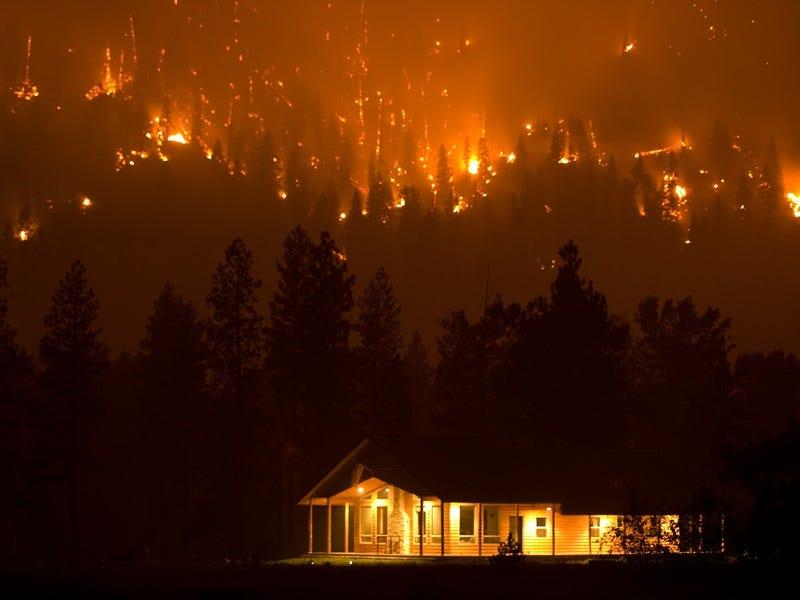
 Image of Trinity Ridge Fire, Pine and Featherville, Idaho, Boise National Forest, August 2012. Original public domain image from Flickr.

Wildfires have erupted into one of the Pacific Northwest’s most disruptive, expensive, and complex climate threats. Hotter, drier summers, earlier snowmelt, and a century of fire suppression are leading to larger, more destructive blazes than ever before, which threaten people’s wellbeing and economic security, as well as the region’s progress in reducing climate-warming carbon emissions.


Despite the danger, the region’s leaders continue to allow development to extend into flammable landscapes, further increasing the risk of ignition. As of 2023, almost 1.6 million people in the Northwest lived in wildfire hazard areas, a figure that has increased by 8 percent since 2018. In all Northwest states except Idaho, population is growing fastest in the places most threatened by wildfires.


Affluent parts of Northwest fire country are growing most quickly, areas that are costliest to rebuild. Between 2013 and 2023, the population of high wildfire-hazard Northwest census tracts with relatively high incomes, housing stability, and other socioeconomic advantages—grew more than twice as fast as the population of high-hazard and socially vulnerable census tracts. One-third of northwesterners facing elevated fire risk live in these relatively affluent places.


Still, roughly 40 percent of northwesterners in wildfire-prone areas reside in communities especially vulnerable should disaster strike. Many of these communities lack the savings to retrofit homes, absorb insurance premium spikes, or rebuild on safer ground after a fire.


Text excerpt from "Fire Hazard: The Mounting Costs of Northwest Sprawl" by Ricardo Pelai and Emily Moore for Sightline Institute. Read full report below.

Contact Whidbey Environmental Action Network


Call (360) 222-3345

Email engage@whidbeyenvironment.org

Mailing Address


WEAN

PO Box 293

Langley, WA 98260

Bayview Cash Store


WEAN

5603 Bayview Road

Langley, WA 98260

visits by appointment

Facebook  Instagram  Web  Email

Banner image and other images by Linda LaMar unless otherwise credited.