REMOTE WORK
Creativity from afar
Contrary to what many businesses believe, remote and hybrid work is accelerating innovation
| |
|
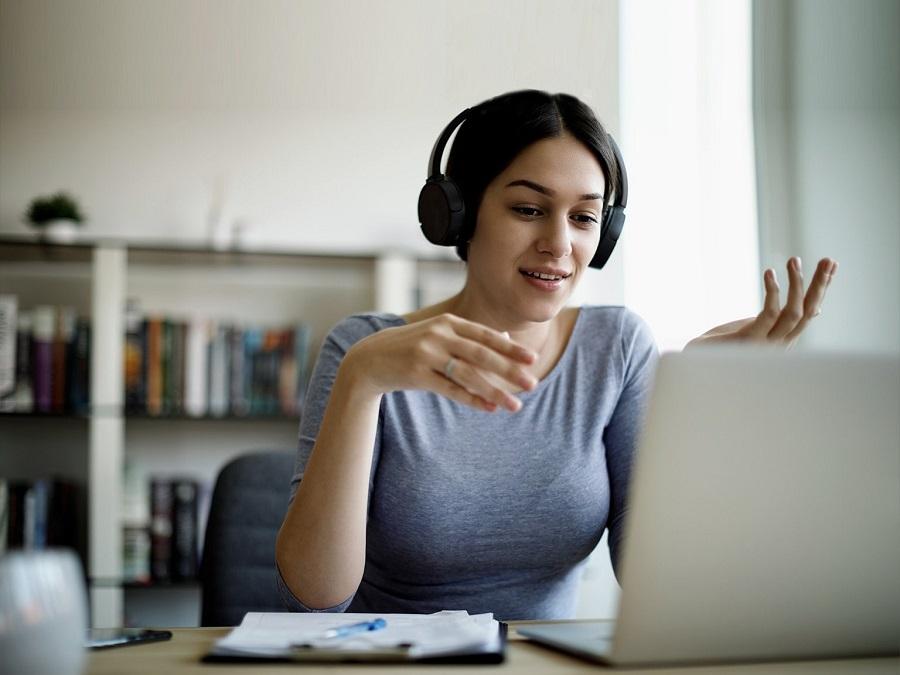
CRITICS OF REMOTE work often point to its alleged innovation-stifling qualities as an argument to bring workers back ― the logic being, true creative work requires people in the same room. But a new survey from a global consultancy is flipping that logic on its head.
A survey of top execs by McKinsey found that rather than slow down, rates of business formation, patents, venture capital investment have all increased ― suggesting that the home office might be a perfectly functional laboratory for innovation.
“There were roughly 409,000 more U.S. filings in 2021 than at the same point in pre-pandemic 2019,” the study found. “What’s striking about these dramatic advances is that they largely entailed people collaborating remotely, leveraging technology in different ways, and being bolder with innovation, automation and digitization than ever before.”
The report found that many factors of remote work helped promote innovation. “One innovative technology company started ‘time zone stacking,’” the report read, “the practice of strategically structuring virtual teams to positively leverage time differences and further accelerate innovation efforts.”
Rather than serve only as a limitation, constraints of technology have sparked creative thinking, “stretching participants beyond their usual ways of thinking, boosting creativity,” said one technology professor. “You don’t need to collaborate in person to embrace a proactive mindset about creativity ― you can do that independently, from anywhere.” Kieran Delamont
| |
PRODUCTIVITY
Easy does it
One of the world’s brightest math minds works for three hours a day. He might be onto something
| |
|
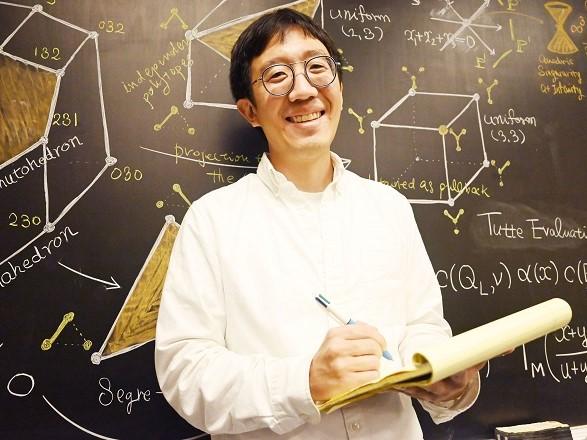
THE MOST RECENT winner of the Fields Medal (one of the highest honours in the field of mathematics, awarded to mathematicians under 40 years of age) is Stanford academic June Huh. And amid all the chatter about shorter work weeks and changing productivity styles, Huh’s idiosyncratic “slow productivity” method ― which he takes to the extreme ― might be a bit of inspiration for anyone feeling a bit stuck in a rut, productivity-wise.
“On any given day, Huh does about three hours of focused work,” reads a profile in Quanta Magazine. “He doesn’t usually have much control over what he decides to focus on in those three hours. For a few months in the spring of 2019, all he did was read … ‘Which means I didn’t do any work,’ Huh said. ‘So that’s kind of a problem.’”
He tends to take a late morning nap in his office, on a yoga mat; he sits down to work, often, in the children’s section of the public library, because he enjoys the noise. He takes an hours-long walk in the forest most afternoons. Not exactly the most strenuous schedule ― but it’s hard to argue with his productivity, given that he’s credited with breakthrough work in the field of geometric combinatorics.
“June likes to do things in the right way,” said Western University professor Graham Denham, who is one of Huh’s collaborators. (Huh once sent Denham back to figure out a better solution to a problem than the one he’d found ― a task that took two years. Denham says it was worth it.)
Slow productivity acolytes are calling it a validation of sorts for their emerging work style. “When zoomed in close, three hours of work per day seems painfully, almost artificially slow ― an impossibly small amount of time to get things done,” writes tech and productivity author Cal Newton. “Zoom out to the larger scale of years, however, and suddenly June Huh emerges as one of the most, for lack of a better term, productive mathematical minds of his generation.” Kieran Delamont
| |
|
|
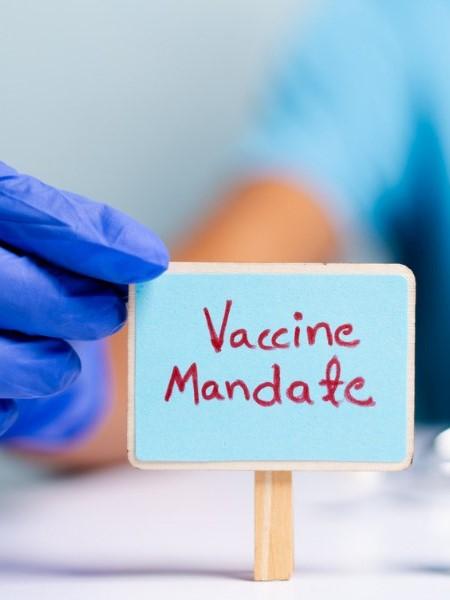
Terry Talks: What’s next for vaccine mandates | A growing swath of companies are easing up on their vaccine mandate, meaning many unvaccinated people are returning to work. What does this mean for your workplace? | | | |
WORKFORCE
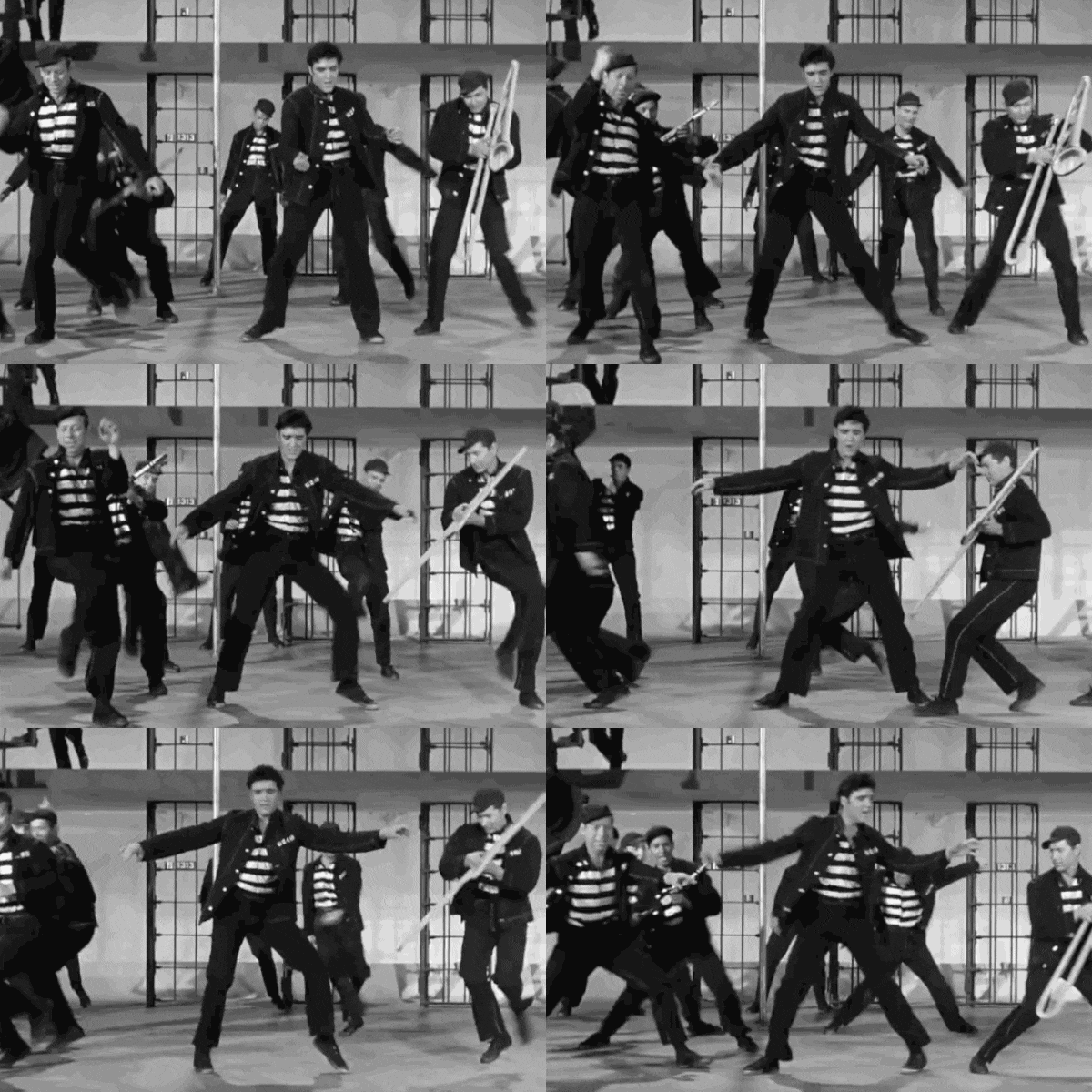
Jailbirds welcome
The labour shortage has businesses tapping an underused pool of talent: People with criminal records
| |
|
THERE’S FEW BETTER times than a labour shortage for understaffed employers to start extending second chances to jobseekers with criminal records ― historically a glass ceiling to getting hired that is slowly being broken.
A new analysis from job board Indeed found a 31 per cent increase in employers who explicitly mention fair chance employment policies, and a 45 per cent increase in job ads using phrases like “felon friendly” and “no background check.”
Banking giant JPMorgan, for example, has said it is planning on hiring thousands of individuals with criminal backgrounds ― or in their euphemism: “tapping into the talent pools that have historically been left behind.”
Advocates call it a smart step, labour shortage or not, and one that the historically meritocratic business world shouldn’t shy away from.
“Fair-chance hiring is based on the premise that everyone, regardless of background, has the right to be fairly assessed for a role they are qualified for,” writes Margie Lee-Johnson in HBR. “Business leaders in particular have an opportunity right now to help address some of the cracks in America’s social system, while also building more equitable, diverse, and overall stronger workplaces.”
“The rising employment of people with criminal records may have a beneficial and long-lasting social impact. Research shows having a job helps reduce recidivism ― so getting an ex-convict into the workforce could be a real plus for society,” wrote HiringLab, Indeed’s research arm. “And at the same time, employers might be able to make hires that they’ve been struggling to find by considering this overlooked population.” Kieran Delamont
| |
TECHNOLOGY
Hardcore security, Apple style
There’s a cool new level of safety for your iPhone ― but you’ll probably never use it
| | |
|
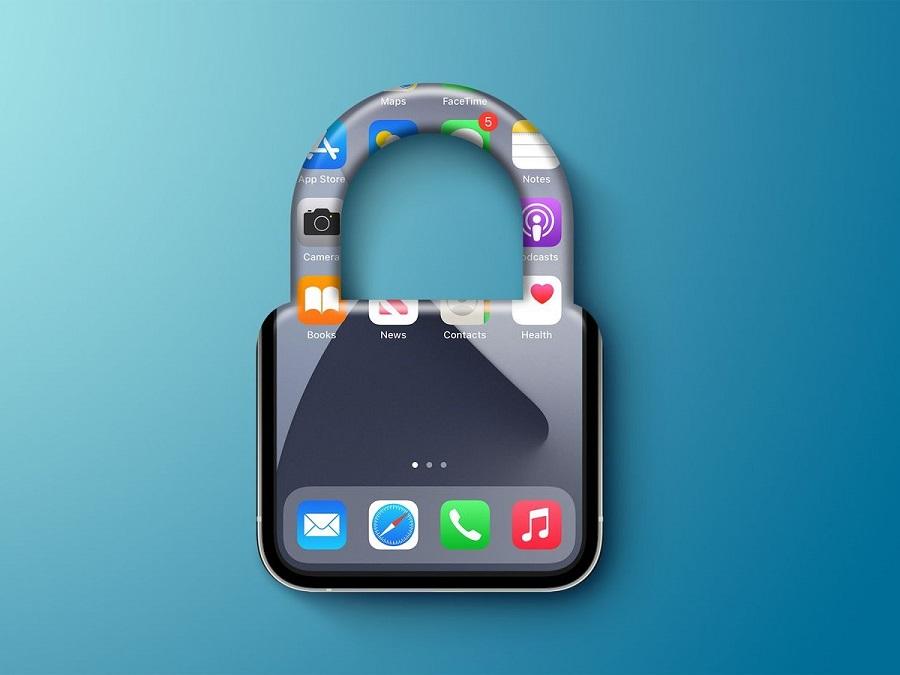
IF YOU’RE AN iPhone user, this fall’s software update will bring a new ultra-secure feature to your phone ― Lockdown Mode, which manufacturer Apple says is designed for users in politics, government, media and activism who are at a higher risk of being hacked or targeted with malware.
In effect, the mode severely restricts the functionality of your phone. Most message attachments are blocked, as are all FaceTime calls from new numbers, certain functionalities on the web and more.
Lockdown Mode is a big deal for lots of reasons, not the least of which is that it comes from Apple, a company that’s hyper-sensitive about customer perception,” writes ArsTechnica. “The move is big because of its simplicity and concreteness. No security snake oil here. If you want better security, learn to do without the services that pose the biggest threat.”
Most readers, fortunately (or hopefully), won’t need to make use of any of these features ― although they will have the option to, if they want. But it should be a perception win for Apple, too. Security is top of mind for more users than ever (something Apple cashed in on with its recent Do Not Track’ feature), and the number of users potentially at risk from spyware is growing: last year, Apple sued an Israeli surveillance organization for creating a spyware program that could spy on Apple users.
And in the same breath that it announced Lockdown Mode, Apple also released another security feature, called Safety Check, meant for victims of domestic violence, who are increasingly being targeted with “stalkerware” by their abusive partners ― something else that Apple has had issues with in the past. Kieran Delamont
|
| | | | |