The 2025 Wound Healing Foundation-Integra Foundation Preceptorship Recipients Announced

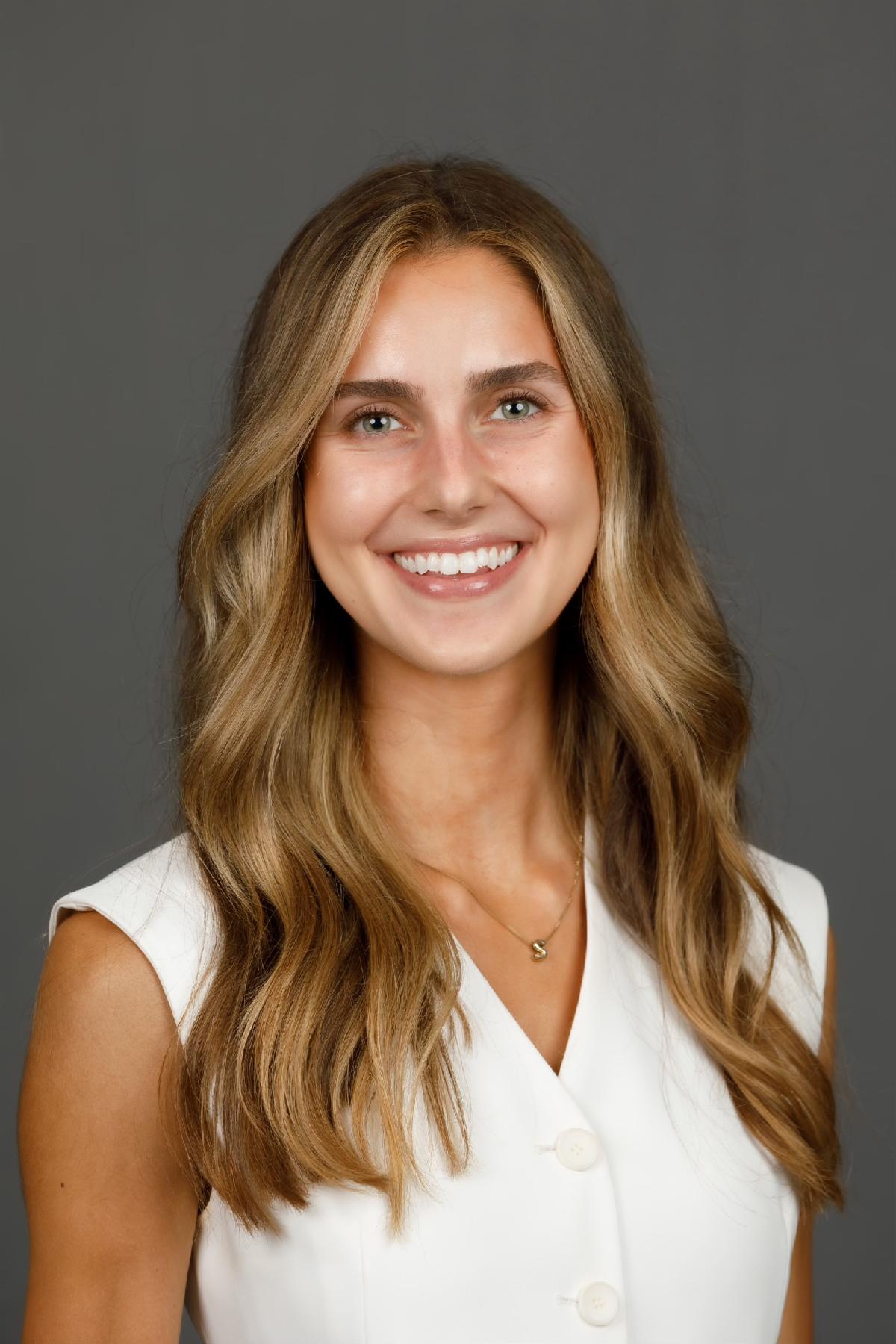
Sophie Bilik MS - Sophie Bilik is a medical student at University of Miami Miller School of Medicine, where she conducts research focused on defining how PD-1/PD-L1 immune checkpoint signaling regulates chronic wound healing, particularly in diabetic foot ulcers. By integrating spatial proteomics, single-cell RNA sequencing, and circulating biomarker profiling, her aim is to identify immunologic signatures that distinguish healing from non-healing wounds. Given the substantial biological heterogeneity of chronic wounds, it is crucial to validate these signatures across different patient populations and institutional workflows. Wake Forest’s nationally recognized wound-healing program provides a unique environment with distinct clinical cohorts, advanced regenerative-medicine tools, and expertise in translational wound science, making it an ideal location to expand and strengthen her research.

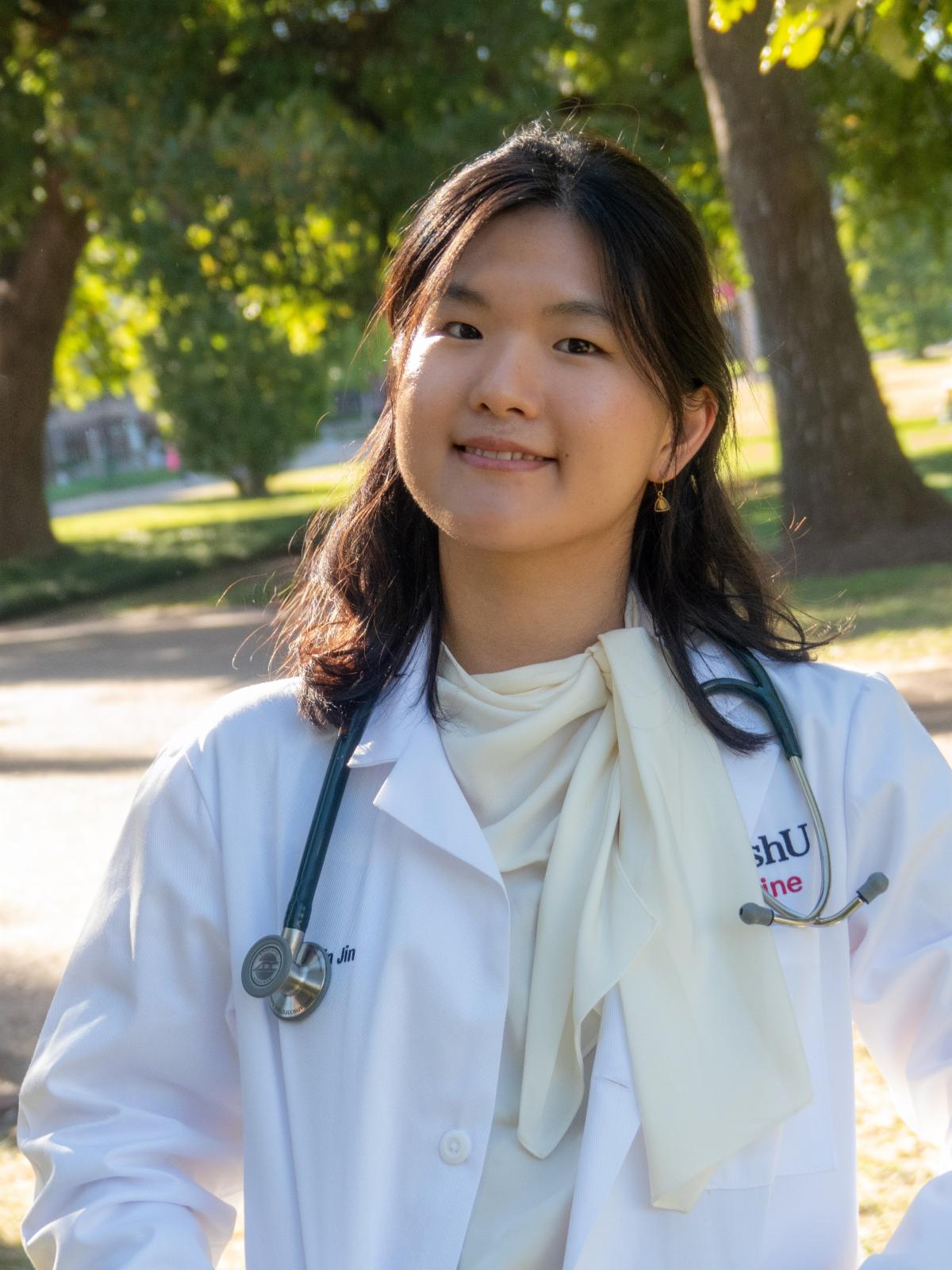
Soomin Jin - Soomin Jin is a MSTP (MD/PhD) Trainee at Washington University in St. Louis.  Her research will focus on how skin microbes influence chronic wounds and inflammatory skin diseases. Studying at another location is essential because each institution offers a different clinical and scientific lens for wound healing. While the wound care program at her home institution is primarily surgery-based, other institutions’ wound clinics integrate dermatology, translational science, and clinical trial design. Immersing herself in a new clinical ecosystem will expose her to complementary approaches in wound evaluation, sample acquisition, and mechanistic investigation—perspectives vital for shaping her into a translational physician–scientist.

Sonam Mistry - Sonam Mistry is a Medical Student and Clinical Trials Research Fellow at Rowan-Virtua School of Osteopathic Medicine. Her research focuses on the feasibility of integrating AI-assisted applications as a supplemental tool for chronic wound management. This pilot exploration aims to identify which types of lifestyle data patients are most willing to share and how clinicians view the potential clinical utility of AI-based lifestyle recommendations. Her long-term vision is to develop an AI application that delivers evidence-based lifestyle recommendations (e.g., nutritional substitutions, improved sleep hygiene, mobility guidance) tailored to a patient’s wound type, medical history, and current medications. Because most wound care occurs at home, structured education and guidance delivered through a digital AI platform could transform long-term outcomes. This tool would not replace medical care but would instead enhance patients’ quality of life by helping them integrate lifestyle adjustments into their daily routines. Patient-reported experiences could expose daily barriers to healing that are often missed during periodic clinic visits and offer better continuity of care. Moreover, this approach may strengthen the patient–provider relationship by highlighting these insights during clinical encounters. 


She said, “I am eager to complete this preceptorship in a location with more socioeconomically and ethnically diverse patient populations than my home institution in suburban New Jersey. The broader perspectives from a more diverse patient population and from clinicians committed to improving wound-healing outcomes with advanced therapies will provide a particularly fruitful environment to pursue this goal.” 

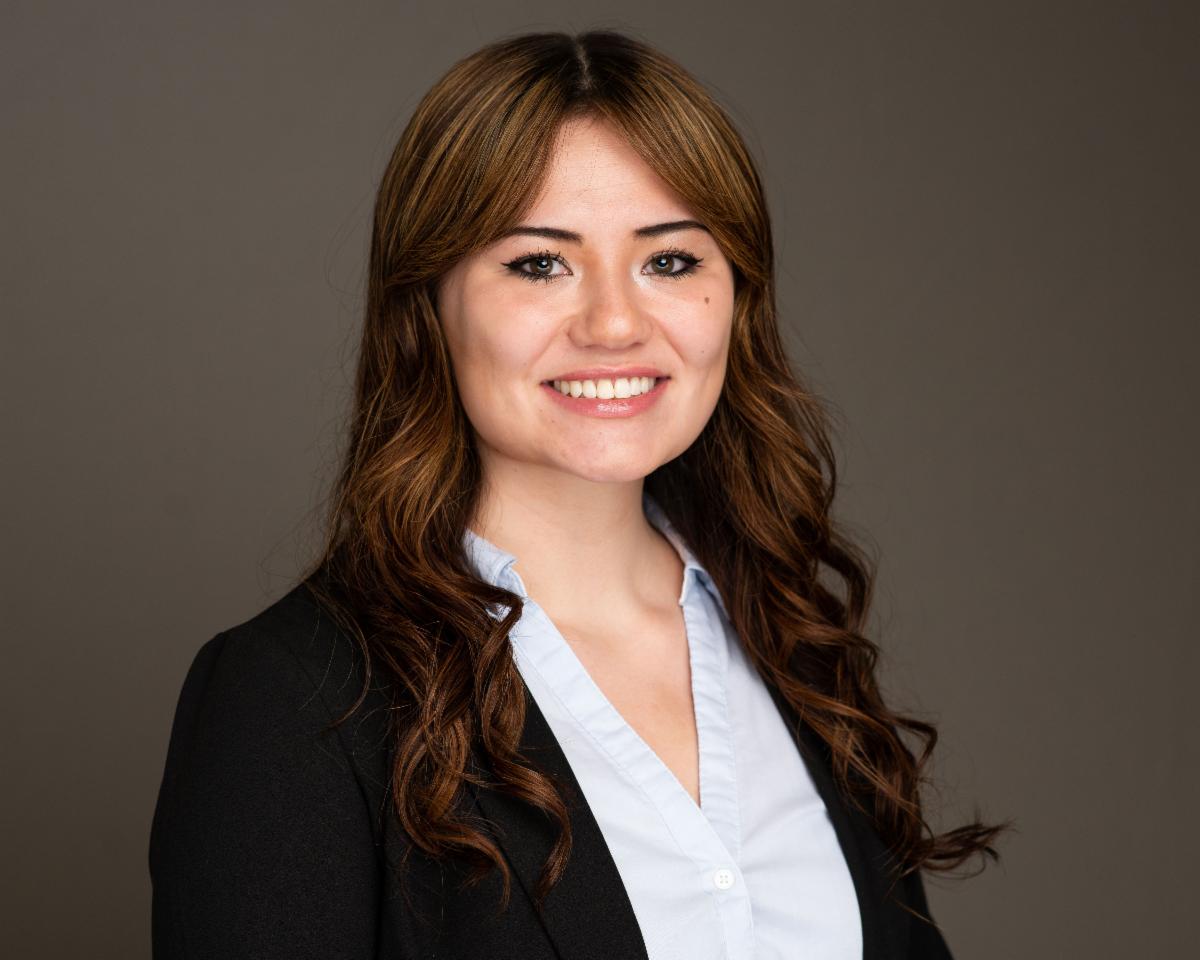
Stephanie Mueller - Stephanie Mueller is a Medical Student at Harvard Medical School, Brigham and Women’s Hospital.  Her research focuses on cancer-related wound care and reconstruction, particularly in the management of complex and treatment-resistant wounds. Through her work in their Wound Center, she has learned that wound care is heterogeneous, with many therapeutic options and practice patterns shaped by institutional experience. Studying at another location is important to gain exposure to therapies and approaches used and studied elsewhere. It also allows insight into regional differences in patient priorities and wound-related challenges. This broader perspective will strengthen her ability to translate findings into patient-centered care and to develop research questions suited for multi-institutional collaboration.


Thank you to the Integra Foundation for their generosity.


Read more about the Wound Healing Foundation - Integra Foundation Preceptorship Program


https://www.woundhealingfoundation.org/preceptorship-program/


Wound Healing Foundation


Facebook  X  Instagram  LinkedIn  YouTube