|
Welcome to edition 587 of WINC,
IDMA's Weekly Internet News Collection, November 10, 2026
| |
Dear IDMA Members and Industry colleagues,
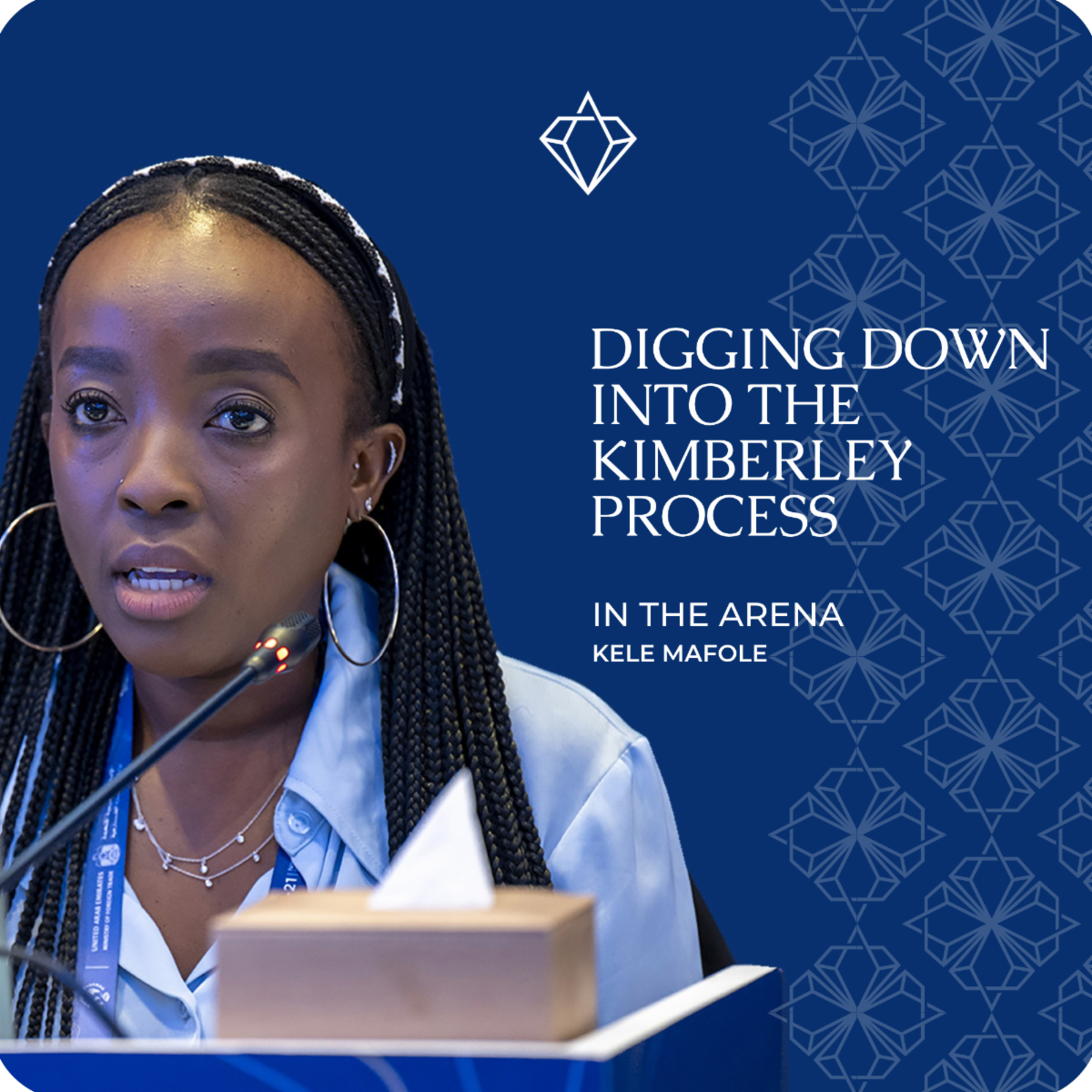
“Digging Down Into the Kimberley Process” is a WDC newsletter series that provides insight into the international forum and the certification scheme it oversees, to educate both the members of the diamond industry and the consuming public about international efforts undertaken from 2000 to eliminate the trade in conflict diamonds.
The current edition features an article by Kele Mafole, who between 2022 and 2025, during the KP’s Review and Reform cycle, led the sub-team examining the conflict diamond definition, on behalf of the World Diamond Council.
--------
It was at the end of 2025, and I felt defeated. The Kimberley Process Plenary meeting in Dubai had ended without reaching consensus on an expanded definition of “conflict diamonds.” What weighed on me was not the outcome itself, but the wave of criticism that followed from people who seemed to have little understanding of the process, the complexity of the negotiations, or the progress that had actually been made.
My pride in what I had been contributing, and what the WDC had achieved in bringing the Kimberley Process family together, seemed diminished.
Then I read the famous “The Man in the Arena” passage from Teddy Roosevelt’s “Citizenship in a Republic” speech, which he had delivered in Paris in 1910, almost two years after stepping down as the 26th president of the United States.
It made me realize that while our critics may know the outcome, they do not appreciate the significance of the effort that had been expended. I better understood why I had entered the arena so eagerly, and why I was willing to show up, engage and do the work.
Critics watch from the stands, but those in the arena are fighting the good fight.
Read Kele Mafole's full article here.
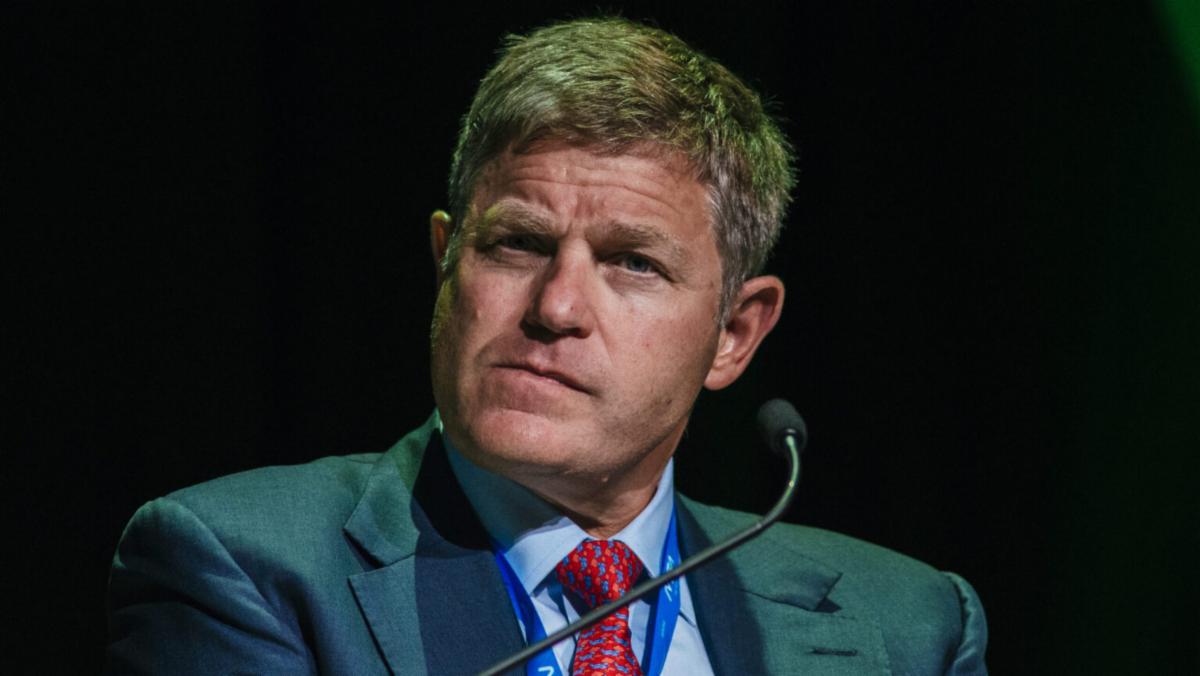
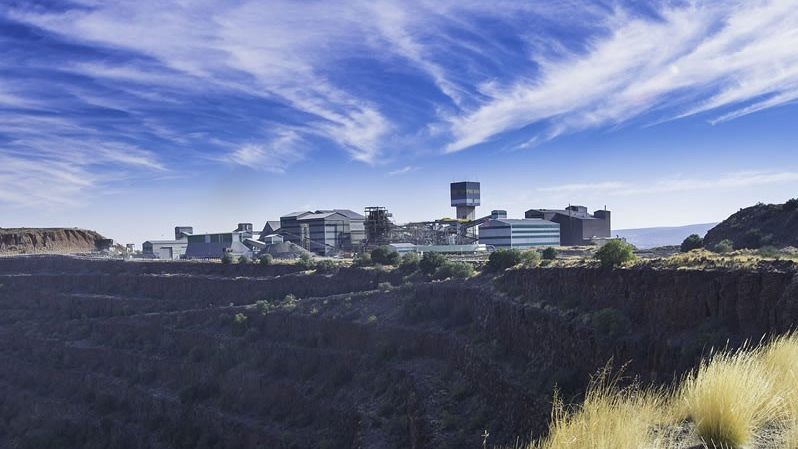
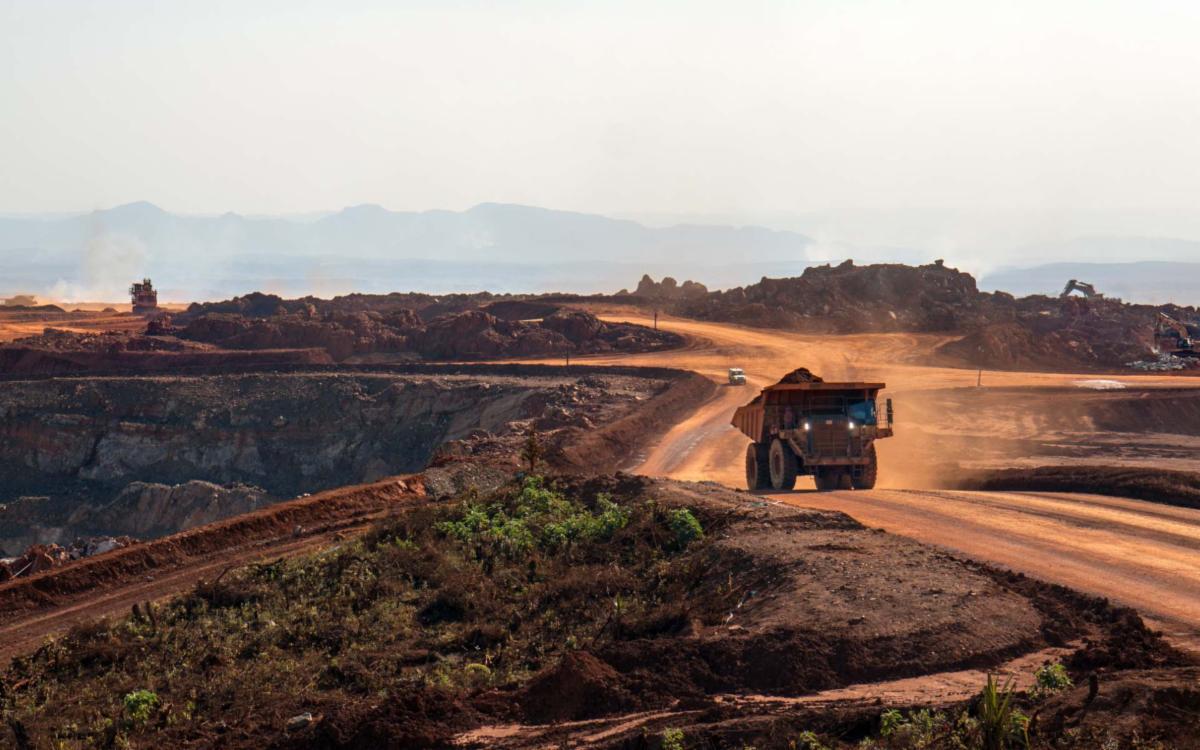
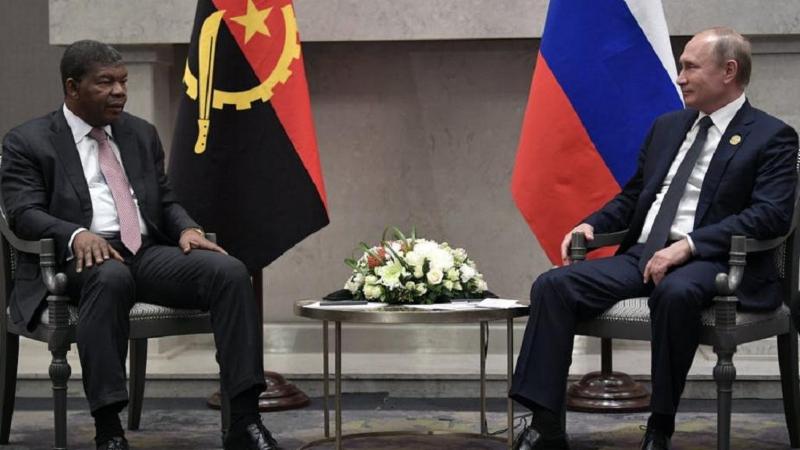
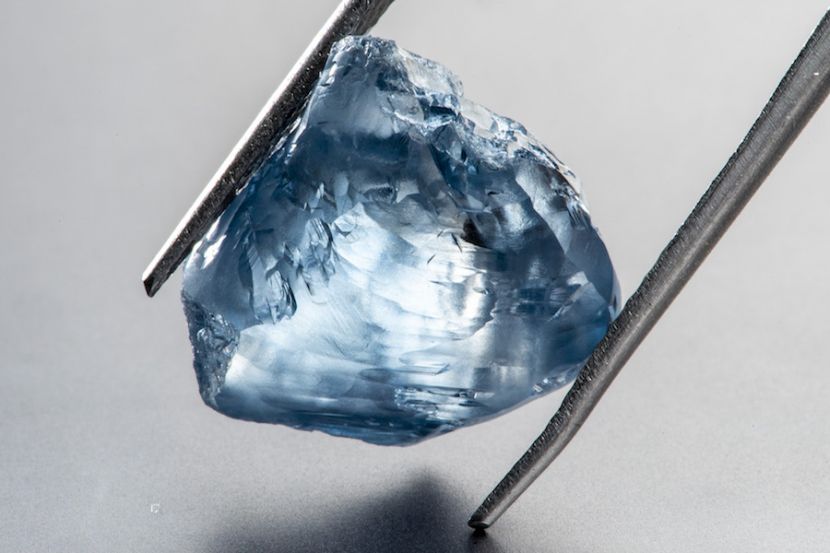
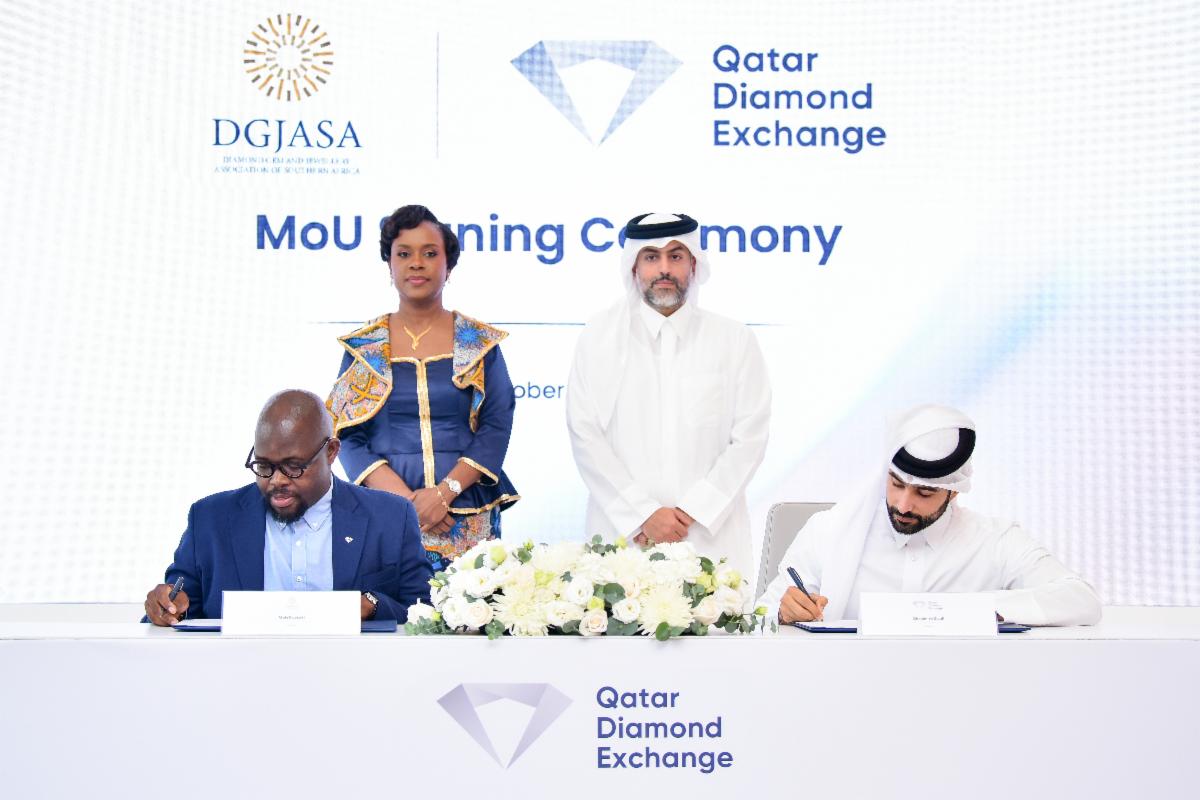
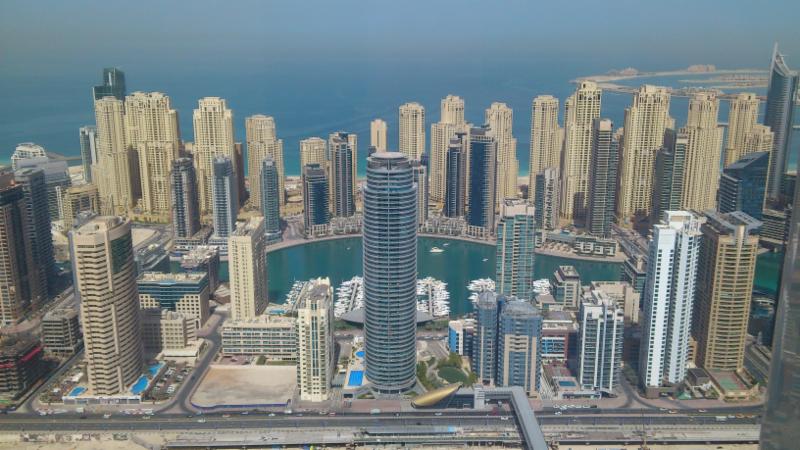
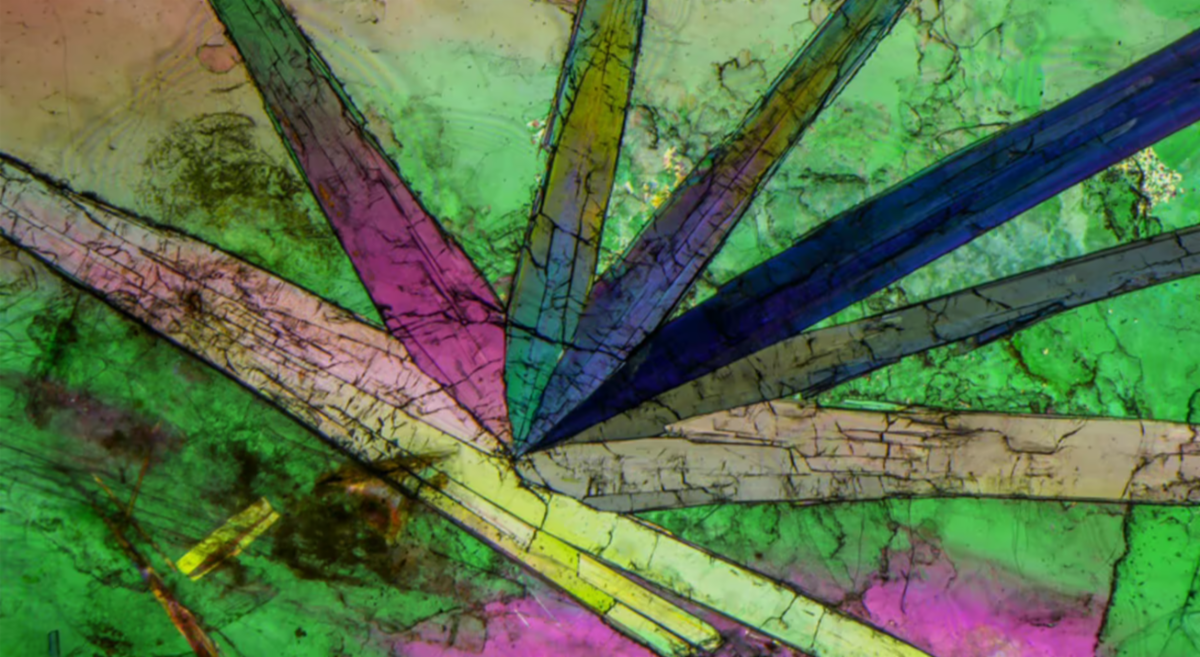
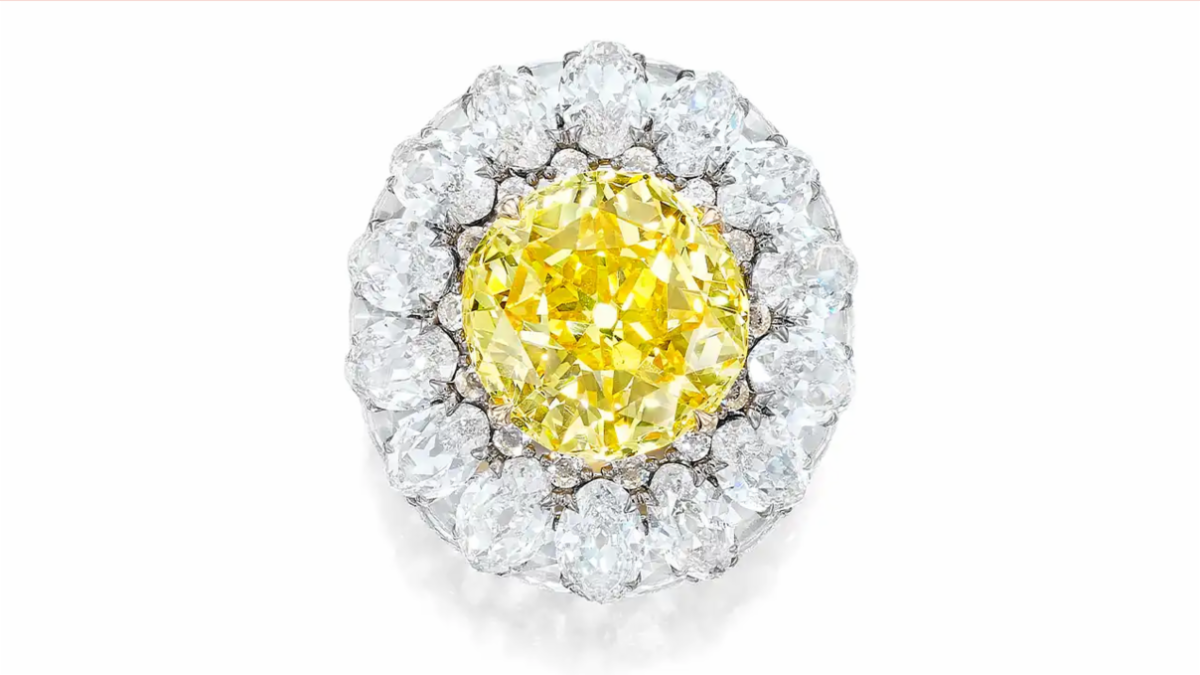
| | Penny says consortium to finalise De Beers deal with Anglo: GDC was named today by Botswana president Duma Boko as the winning bidder for Anglo’s De Beers stake. Commenting in his State of the Nation address in parliament, Boko also said the southern African country would lift its stake in De Beers to 30% while Namibia and Angola would also participate. “Botswana’s shareholding in De Beers will double from the current 15%,” said Boko. He added that Botswana “... will become the single largest shareholder in De Beers, and with that comes greater influence in the strategic decisions for decades to come.” Anglo is selling its 85% in De Beers. | | Petra bags $20m lifeline after pledging historic mine's output: CEO Vivek Gadodia said Petra had “the platform to progress the other workstreams within the strategic review process” which could ultimately see Cullinan sold. Its other South African mine, Finsch, is being closed under business rescue. Petra has also made further cuts, with 25 positions made redundant across Cullinan and the rest of the group, saving about $3m in costs a year. | | Putin claims De Beers wants closer cooperation with Russia: Russian president Vladimir Putin claims De Beers wants closer cooperation with Russia. He made the statement at the third Russia-Africa summit, on October 28, according to TASS, Russia's state-owned news agency, although there has been no comment or confirmation from the diamond company or its parent, Anglo American. "De Beers is apparently the main competitor" of Russian diamond miner Alrosa, Putin said. "On the other part, they want more and more to cooperate with Russia because problems are created for them there, in the Western world, they endeavor to establish relations with Russia, with our company." | | Angola ranks third among the world’s largest diamond producers in 2025, with 15.2 mn carats: According to a statement from Angola’s Ministry of Planning, accessed by VerAngola, the ranking was reported by Outlook Business on 26 October 2026, drawing on data from the 2025 Annual Global Report of the Kimberley Process Certification Scheme. The report, titled Top 5 Diamond Producing Countries by Gross Natural Diamond Production, 2025, identifies Angola as the third-largest producer worldwide, behind Russia and Botswana. Russia retained the leading position with approximately 31.5 million carats, followed by Botswana with 15.5 million carats. Angola secured third place with 15.2 million carats, outperforming several established diamond-producing countries. Canada ranked fourth with 14.1 million carats, while the Democratic Republic of Congo (DRC) occupied fifth position with 8.9 million carats. | | Russian Federation and African countries reaffirmed their commitment to the Kimberley Process and agreed to strengthen cooperation in the diamond industry: Following the meeting, the Declaration of the third Russia–Africa Summit and the Action Plan of the Russia–Africa Partnership Forum for 2027–2029 were adopted among other documents. These documents also address issues of cooperation in the field of precious metals and precious stones. The summit declaration reaffirmed the parties’ intention to support efforts to develop mutually beneficial cooperation in the field of precious metals, as well as to promote the Kimberley Process as the sole global intergovernmental mechanism for the certification of natural rough diamonds and the regulation of their turnover. Its main objective is to prevent “conflict” diamonds from entering the global market. | | Alrosa mines Russia's first gem-quality blue diamond: The 2.74-carat diamond was mined at the Nakyn kimberlite field, which hosts the Nyurba and Botuobinskaya diamonds pipes and is operated by the Mirny-Nyurba Mining and Processing Plant in Yakutia. This is the first discovery of such a diamond at a Russian deposit on record. The company is cutting and polishing the diamond and plans to unveil it at the end of November 2026. The stone is a Type IIb diamond, one of the rarest and most valuable, colored blue by trace impurities of boron within the crystalline lattice structure. It is internally flawless. | | Why Surat diamond cutters will have short Diwali break, textile workers long : Diamond cutters and polishers in Surat will have a shorter-than-usual Diwali break this year. But those engaged in the city’s other mega trade, textiles, will stay away from work for longer than usual. Blame the up and down in the two industries on the vicissitudes of two global wars and President Donald Trump’s tariffs policy. The time for which their workers will be away can be seen as a proxy for how well – or badly – Surat’s diamonds and textiles trades are doing currently. | | De Beers invests $15mn in Angola diamond exploration, expands prospecting to 16 areas: Cook said Angola now hosted De Beers’ largest active diamond exploration programme worldwide. Besides the $15mn already spent on prospecting, the company was investing more than $15mn in sustainable environmental projects in southern Angola, the presidency said. “We will try to develop exploration into a diamond mine. This is a very serious investment, which could reach billions of dollars,” Cook said, according to the presidency’s Portuguese-language account. | | | | Gem Diamonds lifts 2026 outlook on big-stone windfall | “Sales of Letšeng’s rough diamonds in September achieved good prices, with results further supported by the sale of the exceptional 347 carat Lesotho Jubilee,” CEO Clifford Elphick said. | | Burgundy reports Ekati mine closure after failed funding process | Receivers assumed control of Ekati for the Northwest Territories government; mining has ceased, reclamation planning is underway, and Burgundy’s Naujaat joint-venture subsidiary also entered receivership. | | | | | De Beers holds prices steady at small October Sight | De Beers maintained rough prices at the October sight following a July price realignment that prompted early third-quarter buying, especially for sub-1-carat stones. | | Petra shares suspended after missing annual report deadline | Petra has said the review will consider “all potential paths” to address its liquidity needs. Its financial pressure has been compounded by weak natural diamond markets, particularly for smaller stones, as well as a stronger rand. | | | | | QDE seeks to strengthen links with African diamond producers | Congo Ambassador Valerie Lusamba Kabeya welcomed the prospects for cooperation with the exchange, stressing the importance of strengthening links between African diamond-producing countries and international markets. | | Zimbabwe-Russia turn solidarity into economic sovereignty | Zimbabwe and Russia are turning their historic moral solidarity into economic sovereignty, with a new thrust on beneficiation, local value retention and securing alternative payment systems to by-pass Western sanctions, | | | | | Why are diamonds important to the CAR’s economy? | Accounting for nearly half of the country’s total export earnings, along with timber, they serve as a key resource that supports the national economy alongside the agricultural sector.12 | | UAE to introduce online rough valuations | The platform, developed by eValuer FZCO and integrated into the UAE KP Office's systems, was announced on November 4 by Ahmed Bin Sulayem, executive chairman and CEO of the DMCC. | | | | | GIA acquires thousands of gem specimens with ‘extraordinary’ inclusions | The collection, which, according to GIA, is “unmatched in breadth and quality,” was curated over 60 years by GIA Analytical Microscopist John Koivula, regarded as the world’s foremost expert in identifying and documenting gem inclusions. | | Two European labs open grading facilities in Dubai | HRD Antwerp inaugurated a new office and lab in Dubai, Gübelin Gem Lab launched a Take-In Window in Dubai to facilitate secure gemstone testing with transport to its Swiss lab. | | | | | 8ct. fancy-yellow diamond to shine at Bonhams Hong Kong | The piece features a European-cut, fancy-vivid-yellow, VS1-clarity diamond in a frame of tiered oval-shaped and trilliant-cut diamonds. It could fetch up to HKD 5 million ($637,297). | | Gen Z accounts for 51% of India's natural diamond consumption | Mallikarjuna Reddy Yarabolu, managing director, Forevermark, De Beers India Pvt Ltd, said natural diamond jewellery consumption in India is growing at around 13%, outpacing the broader jewellery market's growth of 10.5%. | | | What retailers should know about holiday shoppers this year: As the holiday season approaches, retailers will need to work to draw in shoppers amid high prices and lackluster consumer sentiment. Few will skip out on the seasonal festivities, but many are working with a limited budget, as the higher cost of gas, groceries, and everything else eats away at their paychecks. Holiday retail sales in the United States are expected to increase year-over-year in 2026, as per various forecasts, but that increase likely will have more to do with inflation than a surge of holiday cheer. | |
Saving the African Penguin
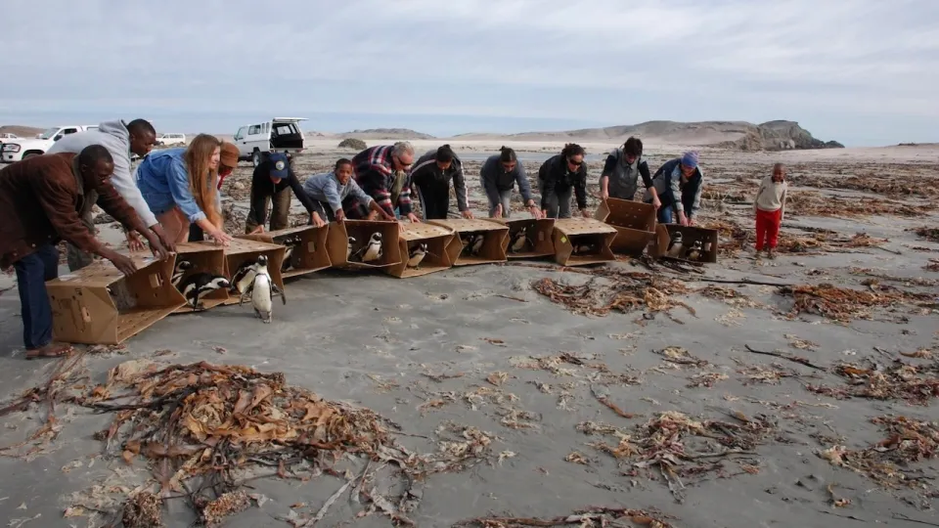
| | A Wing and a prayer: Namibia, the diamond-producing communities are unexpectedly—and expertly—saving the African penguin. What happens when diamond miners become wildlife rescuers? Along Namibia’s coast, an unlikely conservation effort is helping save endangered African penguins.The initiative comes from Namdeb, the groundbreaking mining partnership between De Beers and the Government of Namibia itself. In a first-of-its-kind project, they’ve invested money, time and people power into protecting and boosting populations of native seabirds along the coast of Namibia and South Africa. | | Chinese scientists just found a way to make diamonds 5 times stronger: When you think of diamonds, you probably think of them as the hardest substance on the planet, and in a lot of ways that's true. However, being hard to scratch isn't the same as being hard to break, and diamonds are fairly brittle. Now, scientists in China say (via Nature) they've made a diamond composite that is roughly five times tougher than single-crystal diamond, and they pulled it off by adding carbon nanotubes to the diamond. | | Cheap, cheaper, cheapest! | | Capturing value from an $11 lab grown carat: It costs an estimated $10.85 to produce a carat of lab grown rough. The real money is being made much further down the supply chain. By the time lab grown diamonds reach consumers as finished jewelry, their total retail value has increased 21-fold, according to industry analyst Edahn Golan's Lab-Grown Diamond Value Chain 2025, published earlier this week. Which raises an interesting question: if growing the diamonds is relatively cheap, who captures the value created along the way? | | DISCLAIMER: IDMA's Weekly Internet/Online News Collection (WINC) features third-party articles and links to these articles. IDMA presents these news items for reference only. The content of these articles neither reflects nor expresses IDMA's position or point of view. | | | | |