In the Summer 2026 issue of the WIRES Newsletter, we feature a perspective from Bernard L. McNamee, former FERC Commissioner. He asserts that America’s grid faces a paradox: while there is agreement that more transmission is needed, the federal rules meant to speed its construction keep growing more elaborate and complex. He looks at three decades of FERC reform and questions whether the answer should be more federal process, or a return to the state-based utility planning that once got lines built. He argues that utilities answer to customers and state regulators in ways merchant developers simply don’t. He concludes that “what America needs to ensure reliability, contain costs, and win the AI race are the right transmission projects—and they need to be built quickly. There is too much process—and not enough progress”.


Also in this issue we highlight the WIRES Summer Member Meeting in Philadelphia that featured a fireside chat with FERC Commissioner David LaCerte, and preview our Fall Member Meeting in Washington, DC, which will include a special program to mark WIRES’ 20th Anniversary. Lastly, we highlight helpful resources in our new one-pager series “Transmission and Consumer Issues”.

Building More Transmission More Quickly Requires Less Process


By Bernard L. McNamee, former FERC Commissioner

As the United States races to achieve AI dominance, expanding the electric grid has become essential. While there is broad agreement that more transmission lines are needed, the process for identifying projects and allocating costs has become increasingly complicated. The problem may not be that there needs to be more federal rules for transmission planning, but rather there are already too many. The “need for speed” requires cutting regulatory red tape from Washington and pairing back the authority of quasi-governmental agencies that operate and plan the grid.


For the past 30 years, the Federal Energy Regulatory Commission has attempted to overlay market principles on the electric grid. When reform started in the 1990s, the premise was that electricity was like any other commodity and therefore should be subject to competition, with the predicted benefit of reducing costs and risks to ratepayers. Beginning with Order 888, FERC required that utility-owned transmission lines provide open access to merchant generators and also required that generation and transmission planning be performed by separate entities with strict rules limiting how they could coordinate with each other.


When open access alone did not deliver the expected benefits, FERC issued a series of orders demanding more transparency. When transparency was not enough, FERC issued Order 1000, which imposed regional transmission planning requirements in hope of expanding grid access, accommodating state policy goals, and infusing competition into transmission planning and ownership. FERC also promoted regional transmission organizations through Order 2000, and RTOs became the primary bodies for regional planning in much of the country. But after a decade plus of experience, the consensus was clear: Order 1000’s promises had not materialized.


In 2024, once again hoping to accelerate transmission planning, expansion, and construction, FERC adopted Order 1920. This order mandates that grid planners identify various types of transmission needs under three scenarios, determine benefits, and allocate costs “commensurate with the benefits.” It sounds rational, but its application is extraordinarily complex and disconnects those who are driving the need for selected transmission from those who pay for it (note that almost all transmission provides some benefits, but it does not mean that a particular transmission line is needed). Moreover, many planning regions are still working on compliance filings to implement the new rules, further delaying the promised benefits of the reforms.


Even once fully implemented, Order 1920 is unlikely to result in quick construction of new transmission lines. Why? Because it is a classic example of Washington policymakers constructing processes that may be intellectually elegant but are too complex to achieve real-world results. By mandating integrated study requirements, ex ante cost allocation, extensive stakeholder participation, reviews of lower-voltage lines, and competitive solicitations for non-utility developers, the process invites delays, confusion, legal challenges, and misallocation of resources. Moreover, by not directly assigning the costs of transmission to those driving the need for a project, many local landowners and States will object to transmission lines crossing their land to serve those in other States and being required to pay a portion of those costs (despite the efforts to enhance state participation Order 1920-A). FERC’s mandates are likely causing the very delays in building transmission that they were designed to solve—while delaying needed infrastructure and likely driving up the costs to customers.


Before Order 888 and the rise of RTOs, state-authorized utilities used to plan their systems as a whole. Using integrated resource planning, they would project load growth over fifteen to twenty years, determine the generation sources needed to operate the grid around the clock and regardless of weather, and identify the transmission needed to connect new generation to new load—all at the least reasonable cost. These proposals were submitted to state public utility commissions for review, with an opportunity for the public and regulators to challenge them. This process, though not perfect, provided more confidence to customers that the projects that were impacting them—and for which they were paying—were necessary. Furthermore, the actual need and costs of such transmission would be reviewed by the state regulator, helping ensure that the utility costs were reasonable and prudent.


One aspect of the current debate in transmission policy under the FERC rubric is the balance of local projects versus larger regional projects. Many merchant generators and merchant transmission developers argue that utilities overbuild local projects at the expense of regional ones. They claim that utilities build projects for their own benefit, discriminate against independent providers, and drive-up overall transmission costs. But the interests pushing for regional projects are not necessarily concerned about serving end-use customers or reducing customer costs; merchant generators want to increase grid access to sell power in RTO markets and merchant transmission also wants to make money—all to benefit their shareholders. So though local utilities also seek to benefit their shareholders, they also have an obligation to serve customers and can be held accountable by state regulators. Merchant generators and merchant transmission developers do not have the same obligation to customers, and there is almost no accountability to state regulators and local elected officials.


There is little disagreement that the country needs more transmission; but recognizing the need does not necessarily lead to the conclusion that there needs to be more centralized planning under federal regulation. After 30 years of ever-expanding federal directives that keep trying to fix a problem that federal action may have initially caused, it is time to consider simplifying the process by returning responsibility for most transmission planning decisions to local utilities and subject to state review. This shift does not mean that there may not be some extraordinary regional reliability projects that require federal intervention, perhaps through a reformed National Interest Electric Transmission Corridor process, but it does mean that we need to focus on results, not slogans and hope.


What America needs to ensure reliability, contain costs, and win the AI race are the right transmission projects—and they need to be built quickly. There is too much process—and not enough progress. 

 
WIRES Events

WIRES Summer Meeting

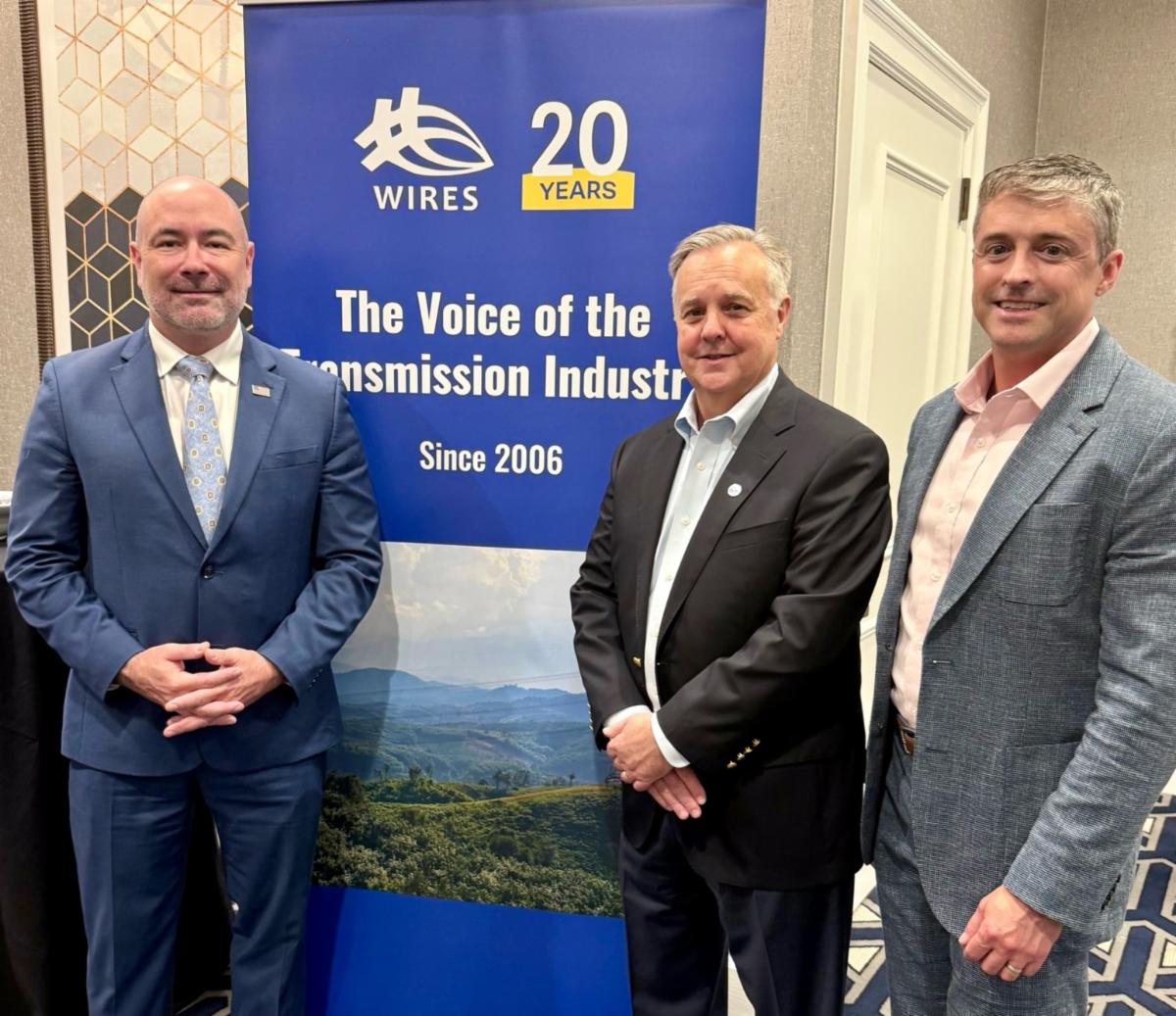
Pictured L-R: FERC Commissioner David LaCerte; Larry Gasteiger, Executive Director of WIRES; and Dave Burnham, Director of Transmission Policy, Eversource and 2026 President of WIRES.

In early July WIRES convened our members in Philly for our Summer Member Meeting, an apt location given the celebration of our nation’s 250th Independence Day just a few days earlier.


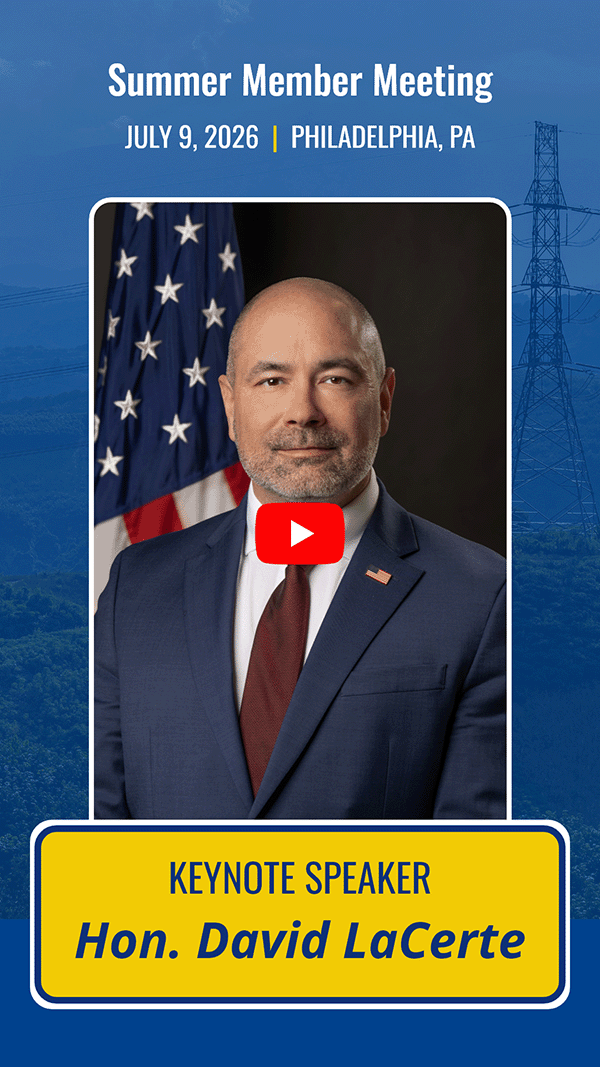
The meeting kicked off with the Honorable David LaCerte, Commissioner at the Federal Energy Regulatory Commission, joining Larry for a conversation. As part of his remarks, the Commissioner emphasized the importance of transmission.

Watch the Commissioner’s full remarks on the WIRES YouTube Channel.

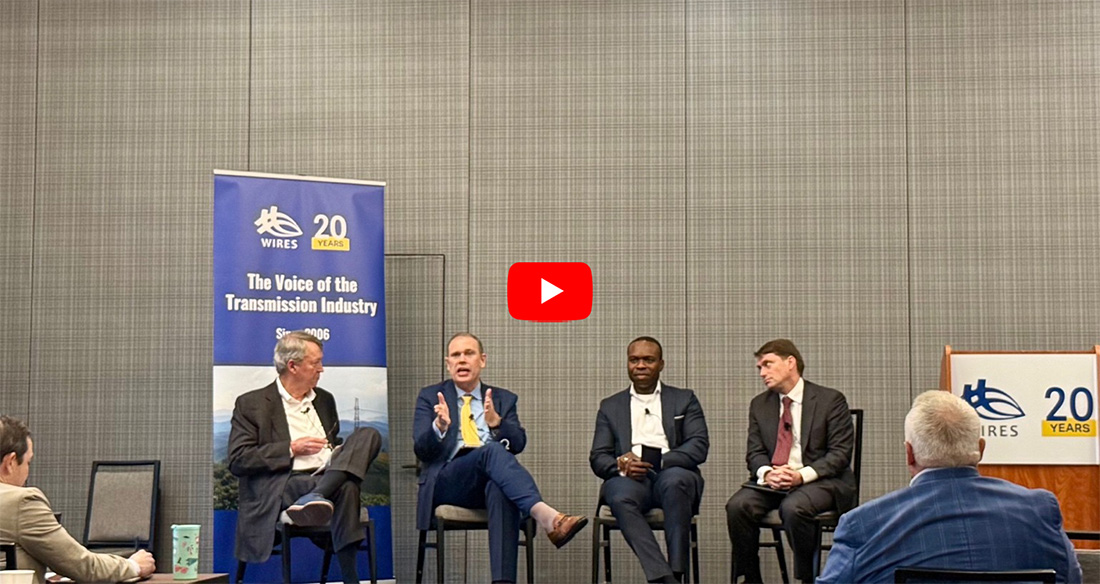
Two panel sessions rounded out the program, and both have received exceptionally positive feedback from attendees. The first offered a fascinating perspective on transmission investment and investor ratings. The conversation underscored several important themes, including how the sector stands apart within the S&P, with stock performance often responding more quickly, and more dramatically, to changes in the regulatory environment than other industries. Panelists also emphasized that high-quality regulation and a consistent regulatory framework are essential to supporting the long-term investment needed to strengthen and expand the nation's transmission system.


We're grateful to our panelists – Jefferies’ Julien Dumoulin-Smith, S&P Global Ratings’ Obioma (Obie) Ugboaja, & Eversource’s Bill Carlin - and moderator, Philip Moeller.


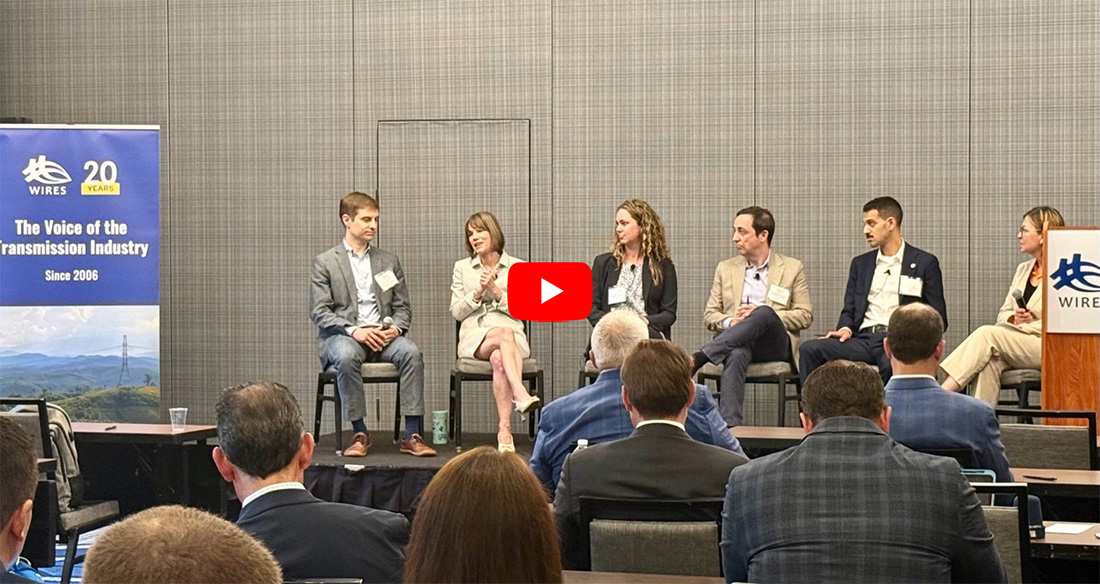
In our “Views from the 11th Floor” panel, we welcomed technical and legal advisors from each of the five FERC Commissioners’ offices who shared with the audience their roles and responsibilities, insights into the decision-making process, and how the Commissioners’ offices work with one another and with Commission staff. Many thanks to Noah Lichtenstein, Heidi Werntz, Scotia Bennett, Steven Wellner, Henry Engelstein, and our moderator Jamie Simler.


WIRES Marks 20 Years — Fall Member Meeting to Celebrate Milestone

This fall, WIRES celebrates its 20th anniversary since its founding in 2006. To mark two decades of championing needed investment in transmission, our agenda for the Fall Member Meeting in Washington, DC will reflect both a look back and a look ahead — including a special 20th Anniversary celebration on Wednesday evening.


At our dinner reception WIRES will honor two individuals whose leadership has been instrumental in shaping the transmission landscape: one recognized for their outsized role in advancing policy that facilitates transmission investment, and the other for their leadership in delivering major transmission projects that are expanding and strengthening the grid.


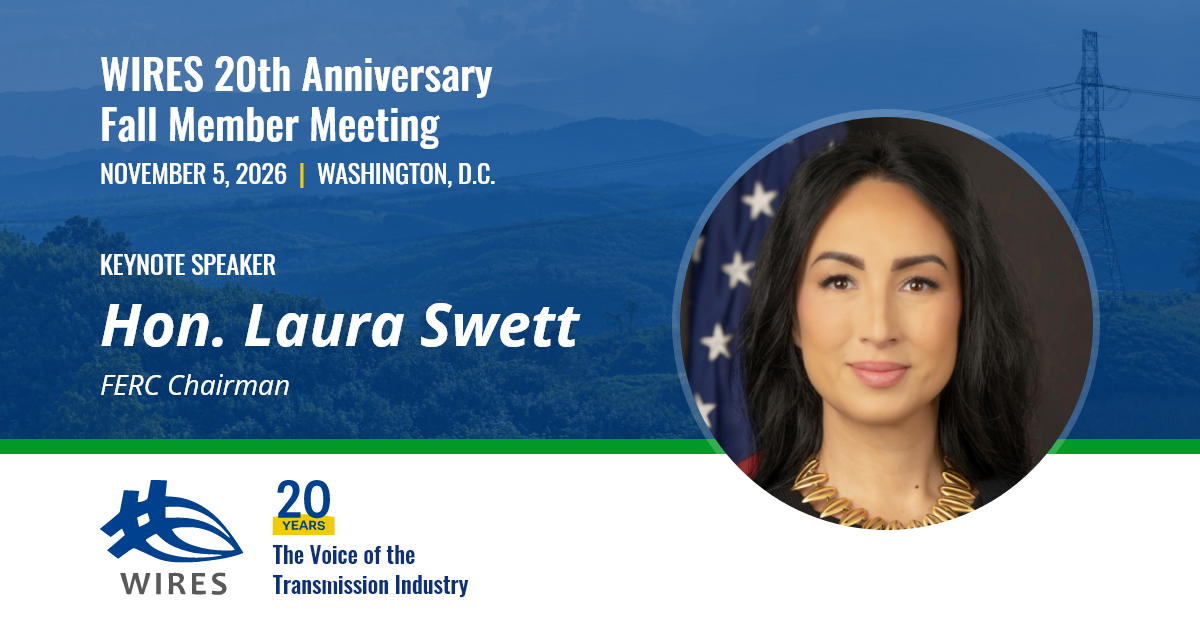
Leading off the special 20th Anniversary meeting program on Thursday, we’re honored to welcome FERC Chairman Laura Swett as our keynote speaker.


More details on our 20th Anniversary celebration, Fall Member Meeting agenda, panel topics, and speakers will be posted to our event page in the coming weeks.

 
FERC Developments

May 27, 2026 - WIRES Comments in Reply to Grid Acceleration Coalition Complaint – EL26-58-000


July 1, 2026 - WIRES Comments in Response to Connecticut RTO Participation Incentive Complaint


August 5, 2026 - WIRES Comments in Response to Maryland RTO Participation Incentive Complaint


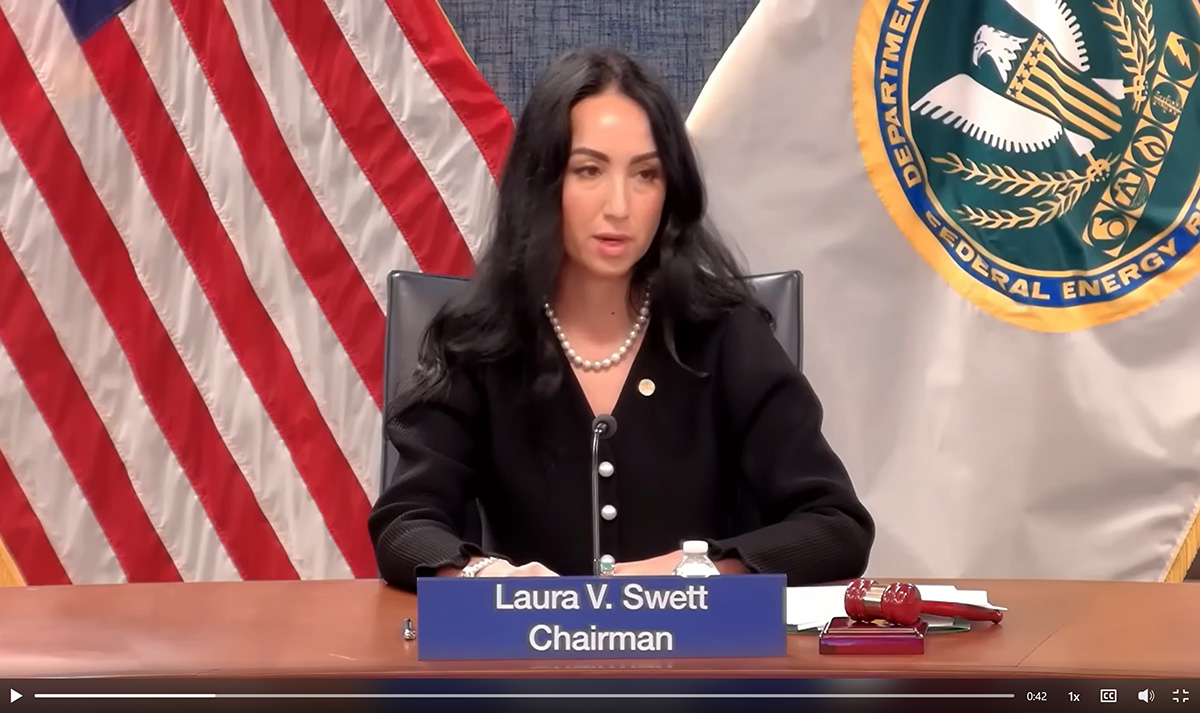
At the FERC July Open Meeting, Chairman Swett highlighted the impactful and often crucial role of transmission incentives in meeting the agency’s statutory mandate. As the Chairman made clear, FERC’s transmission rate decisions involve complex issues with significant impacts for financing project development, and even small changes to utilities’ returns can have significant impacts. 


Click on the photo below to see a video of the Chair’s comments on transmission incentives.


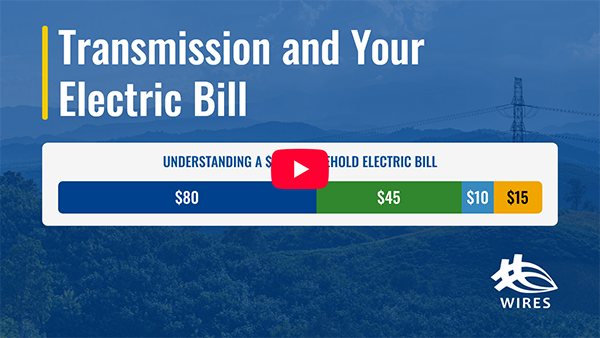
WIRES has broadened its one-pager offerings beyond technical policy resources to reach a broader audience, and to more directly focus on transmission and consumer issues.


These fact sheets explore the relationship between transmission infrastructure and issues that matter to electricity customers, businesses, communities, and policymakers. Topics will include understanding the transmission portion of a typical electric bill, the connection between transmission investment and affordability, the impact of large electricity loads, grid reliability, congestion costs, and economic growth. These resources explain how a modern transmission system helps improve grid reliability and resilience, support economic growth, and can lower overall system costs by connecting to the most efficient sources of power.


The first in the new series, Transmission and Your Electric Bill, is on the WIRES website.


View this video version of the one pager:

To access all the WIRES one pagers, visit our One Pager resource page.

 
Industry Visibility

Larry Gasteiger frequently speaks on transmission policy at industry conferences and member events, serving both as a keynote and panelist. Recent and upcoming appearances include:  


6/23–6/25/26 – DC

Infocast Transmission & Interconnection Summit

Wednesday 6/24 panel: Cost Allocation & New Tariff Structures – Avoiding Rate Increases and Customer Blowback


9/10/26 – Chicago

Sargent & Lundy private event


10/30/26 – Wharton Energy & Climate Club Annual Conference

 
WIRES in the News

WIRES is widely recognized as a leading voice on transmission issues, with trade and business media regularly seeking out insights from Larry on transmission policy and the latest developments at FERC. 

Recent articles:


7/13/26 – S&P Global

Data centers seen as ‘closest thing to a silver bullet’ for US grid investment


7/10/26 – RTO Insider

WIRES panelists discuss promise and pitfalls of data center demand


7/9/26 – Utility Dive

PJM status quo ‘untenable’: FERC Commissioner LaCerte


7/6/26 – T&D World

Building America’s Future: Lessons from the Interstate Highway System for Modern Electric Grid Expansion


6/23/26 – BloombergLaw

Energy regulator staves off critique in new data center orders


6/8/26 – RTO Insider

FirstEnergy calls for direct assigning Tx costs to data centers


For a complete listing of earned media, visit the WIRES In the News page. 


Follow Us on Social Media

LinkedIn      X      YouTube


WIRES is a non-profit trade association of investor-, publicly-, and cooperatively-owned transmission providers and developers, transmission customers, regional grid managers, and equipment and service companies. WIRES promotes investment in the North American electric transmission system and champions robust and effective transmission solutions to address reliability, economic, environmental and national security objectives. For more information, visit www.wiresgroup.com.