In the Spring 2026 issue of the WIRES Newsletter, we feature a perspective from former FERC Chairman and Holland & Knight Partner Willie L. Phillips. As electricity demand surges in the age of AI, he writes that the U.S. must treat transmission like the interstate highway system, an essential national backbone infrastructure. He argues that this broader lens would help reshape the affordability debate, as strategic transmission expansion lowers overall energy prices by reducing congestion, unlocking cheaper power, and avoiding costly local fixes, all while strengthening reliability and economic competitiveness.


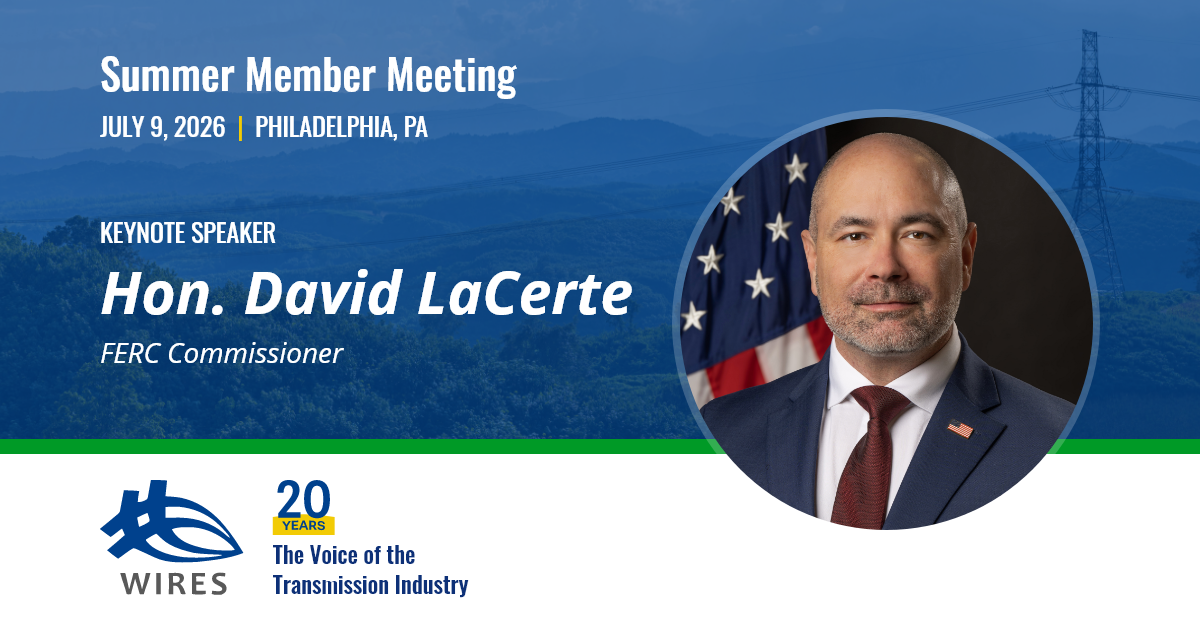
This issue also recaps the WIRES Spring Member Meeting in Santa Barbara, previews the Summer Member Meeting in Philadelphia featuring FERC Commissioner David LaCerte as our keynote speaker, and introduces our newest Associate Member Bekaert.

A Grid Backbone for the AI Economy


Treating electric transmission as national-interest infrastructure could strengthen reliability, support the AI economy, and ultimately lower costs for consumers.


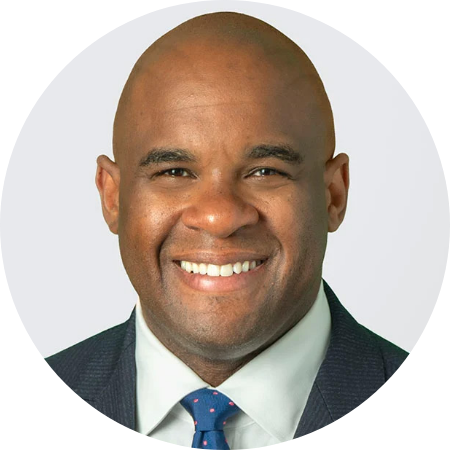
By Willie L. Phillips

Willie L. Phillips

In the 1950s, President Dwight D. Eisenhower faced a challenge that should feel familiar today. The American economy was growing quickly, but the nation’s infrastructure had not kept pace. Major roads were disconnected, inconsistent, and poorly suited for a modern national economy. An infrastructure problem that threatened to slow the nation’s economic momentum.


Rather than treat highways as isolated local projects, Eisenhower supported a more ambitious idea: the Interstate Highway System. A national backbone for commerce, security, and mobility. Through the Federal Aid Highway Act of 1956, the federal government would help establish the framework and financing, while states would plan, build, and operate the roads.


The idea faced skepticism. Communities worried about disruption. States questioned federal involvement. But Eisenhower’s vision won the day because policy makers recognized a fundamental truth that backbone infrastructure delivers benefits that transcend individual projects.


What began as a controversial idea ultimately became one of the most successful infrastructure investments in American history. The interstate system enabled regional growth, strengthened national defense, and lowered transportation costs for all Americans.


Today, our nation faces a similar challenge with the electric grid.


Electricity demand is rising precipitously, after decades of relatively flat growth. Electrification, domestic manufacturing, and the rapid expansion of large data centers are reshaping load forecasts across the country. The increasing use and integration of AI will only accelerate that trend. Even according to conservative estimates, training and operating advanced AI systems will require multi-fold increases in computing capacity, which demands reliable and affordable electricity.


While the economy is changing quickly, our approach to transmission planning has not always kept up. Much of the transmission system we rely on today was designed for a different era. When local generation served local demand. Today’s grid must move enormous amounts of power across regions, integrate diverse resources, and maintain reliability under more complex conditions than ever.


Meeting the growing demand for energy will require long distance, high voltage transmission capable of linking regions and strengthening all sectors of the grid.


But too often, grid investments are still evaluated in isolation. Individual projects are asked to demonstrate benefits within narrow geographic boundaries, even though their real value should lie in their ability to strengthen the broader network. Backbone infrastructure cannot be judged one project at a time. Its value emerges from the system it creates.


This is where cooperative federalism comes into play. Transmission planning works best when federal regulators, state commissions, regional grid operators, and utilities work together toward a shared vision of a grid that enables a fast-paced AI economy.


The good news is that momentum is building toward a more forward-looking approach to transmission planning. The Federal Energy Regulatory Commission (FERC) deserves real credit for helping to move the conversation forward on long-term and regional planning. With FERC requiring planners to look out twenty years and think about the grid of the future, not just the problems in front of us today.


Looking at transmission through this broader lens also helps address one of the most pressing debates in energy policy today: affordability.


It is no secret that transmission investment is sometimes portrayed as a driver of rising costs. But strategic transmission expansion can have the opposite effect. A stronger backbone grid unlocks cheaper power, reduces congestion, and avoids expensive local reliability fixes. And, over time, that can lower overall energy costs while improving reliability.


But the broader context of this conversation also matters. The global race to lead in artificial intelligence is intensifying. Electricity infrastructure will play a decisive role in determining who wins that race. The countries that can deliver abundant and affordable electricity will attract the industries that will define the next era of economic growth. That includes hyperscalers and data centers, which require enormous amounts of reliable power. 


While AI may be built on complex algorithms and advanced computing power, it ultimately runs on electricity. In that sense, electric transmission infrastructure is not just an energy issue. It is an economic and, increasingly, a national security issue.


Failure is not an option.


Achieving that vision will require cooperation across federal and state regulators, regional grid operators, utilities, and the communities where transmission lines are built. But history shows us that when the United States treats critical infrastructure as a national priority and works to build it together, the payoff can shape and improve the economy for generations.


The next chapter of American prosperity may depend on whether we are willing to think about the grid the same way Eisenhower thought about highways. Not as isolated projects, but as the backbone of a national system. 

WIRES Events

WIRES Spring Meeting

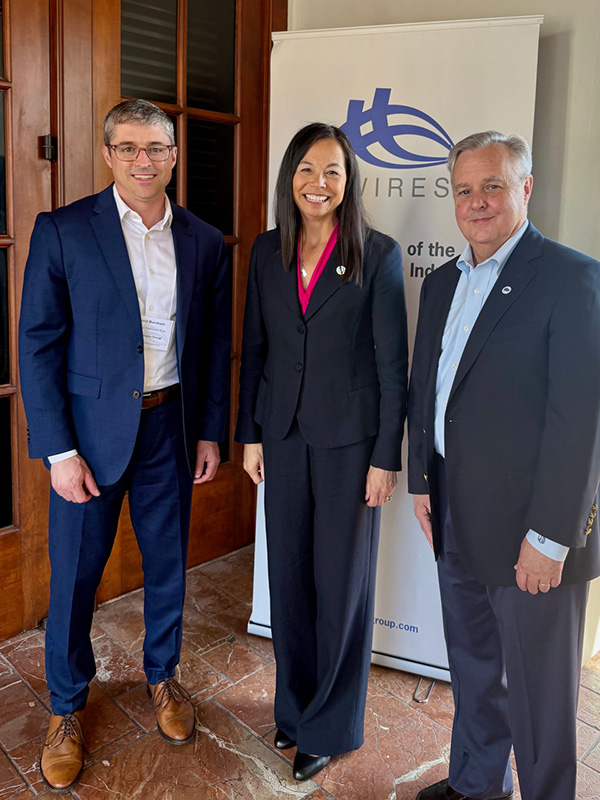
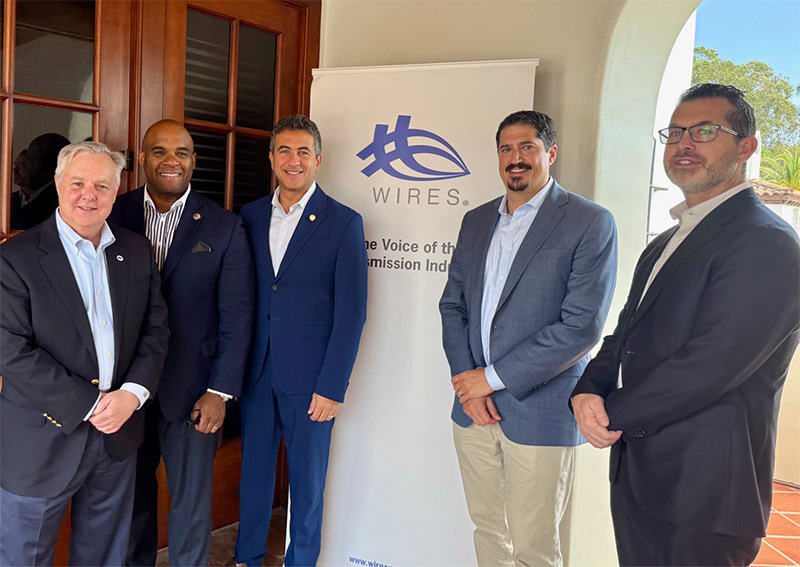
Pictured L-R: Dave Burnham, Director of Transmission Policy, Eversource and 2026 President of WIRES; Katie Jereza, Assistant Secretary DOE Office of Electricity; Larry Gasteiger, Executive Director of WIRES.

In late April WIRES convened our members at the stunning Ritz-Carlton Bacara in Santa Barbara, CA for our Spring Member Meeting.


The Honorable Katie Jereza, Assistant Secretary for the U.S. Department of Energy’s Office of Electricity, delivered the meeting’s keynote address. She gave an overview of DOE’s strategy to accelerate grid capacity as the U.S. prepares for more than 200 GWs of projected load growth over the next decade. She highlighted three major initiatives: CITAP, - the Coordinated Interagency Transmission Authorizations and Permits Program in which DOE serves as the lead agency to expedite NEPA review for transmission projects; Speed to Power, which pairs existing funding with technical assistance to move projects forward more quickly; and SPARK, which supports innovative transmission technologies aimed at reducing costs, relieving congestion, and expanding grid capacity. 


Throughout her remarks, the Assistant Secretary emphasized the importance of proactive engagement, long-term planning, and transparent collaboration with stakeholders. In particular, our members appreciated her closing remarks: 

“But even the strongest strategy is only as powerful as the partners who bring it to life. And WIRES members are essential. You operate some of the largest, most interconnected systems in the world. You maintain reliability in demanding regions. You balance regulatory, financial, and community priorities every single day. We see you. And I assure you: these efforts will help you see it through.”

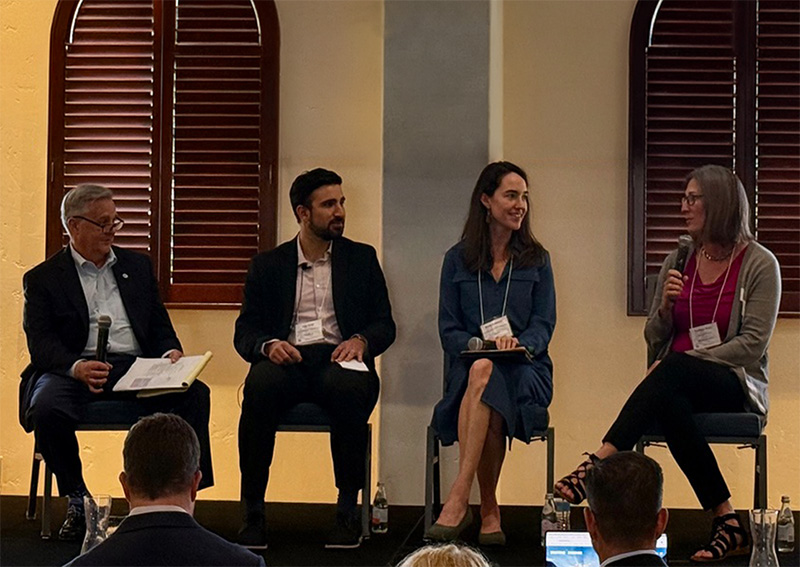
Wildfires and the Impact on the Grid Panel

During our first panel on wildfire risk and the grid our panel experts emphasized that wildfires are no longer solely a Western challenge, but an increasingly national issue requiring coordinated solutions across utilities, regulators, and communities. Panelists highlighted significant advances in predicting wildfire risk, including the growing understanding of microclimates and fire behavior, while also recognizing the operational, reliability, and investment challenges utilities face as they strengthen grid resilience. Special thanks to our panelists, Kal Ayoub, FERC; Shawn Holder, PG&E, Andrew Dressel, CRA, and to our moderator, Willie Phillips, for their valuable insights.

The Eve of the Extended Day-Ahead Market: What Can we Expect?

Our second panel focused on the EDAM launch. We were delighted to gather our expert panelists on the eve of its opening to discuss the new market and its potential to improve grid reliability, lower customer costs, and strengthen regional coordination across the West. Panelists discussed how EDAM builds on the success of the Western Energy Imbalance Market by expanding coordination into the day-ahead timeframe, when most electricity scheduling occurs, allowing operators to optimize resources and transmission more efficiently across a broader footprint. The discussion also underscored the growing importance of regional collaboration as electricity demand rises. Thank you for the many insights gleaned from our panelists, Vijay Singh, PacificCorp; Becky Robinson, CAISO, and Kathleen Staks, Western Freedom. Moderated by Larry Gasteiger.

WIRES Members
Bekaert

Bekaert is committed to being the leading partner in shaping the way we live and move, doing so safely, intelligently, and with proven expertise at the core. As a global leader in steel wire transformation and coating technologies, we bring decades of material science and engineering experience to critical infrastructure applications. Our approach is informed by real-world performance, rigorous standards, and a deep understanding of long-term asset needs. This global perspective allows us to deliver reliable, consistent solutions that perform in demanding environments around the world.


In North America, Bekaert Energy & Utilities supports the companies powering and connecting the United States with engineered materials and domestic manufacturing solutions designed for long service life and consistent performance. We work closely with electric cooperatives, municipal utilities, IOUs, and broadband providers that depend on durable, field proven components. Beyond reliable materials, we provide practical insight into compliance, total owning cost, and long term system reliability to help infrastructure assets perform predictably for decades.


Follow Us on LinkedIn: Bekaert Energy & Utilities, North America

WIRES Meetings

WIRES Summer Meeting

While we missed having FERC Commissioner LaCerte join us in Santa Barbara, he kindly made time to send along a video message to our members, which was greatly appreciated. 


And we are delighted to share that Commissioner LaCerte will be our keynote speaker at the WIRES Summer Member Meeting, which will take place July 8-9 in Philadelphia. Our event page will have more details in the next few weeks about our Summer Member Meeting; visit to learn more about our panel topics and panelists.

Industry Visibility

Larry Gasteiger frequently speaks on transmission policy at industry conferences and member events, serving both as a keynote and panelist. Upcoming appearances include:  


6/23–6/25/26 – DC

Infocast Transmission & Interconnection Summit

Wednesday 6/24 panel: Cost Allocation & New Tariff Structures – Avoiding Rate Increases and Customer Blowback


9/10/26 – Chicago

Sargent & Lundy private event

WIRES in the News

WIRES is widely recognized as a leading voice on transmission issues, with trade and business media regularly seeking out insights from Larry on transmission policy and the latest developments at FERC. 

Recent articles:


5/17/26 – RTO Insider

Is now the best opportunity for a “homely” transmission deal?


5/5/26 – RTO Insider

Pacific Northwest facing high summer wildfire risk


5/5/26 – Latitude Media

Scoop: Trump is sitting on an executive order pushing advanced transmission


5/5/26 – RTO Insider

Large loads add difficulties to an already tough subject: cost allocation


3/13/26 – Utility Dive

DOE offers $1.9B for transmission reconductoring, advanced tech


For a complete listing of earned media, visit the WIRES In the News page. 

Follow Us on Social Media

LinkedIn      X      YouTube

WIRES is a non-profit trade association of investor-, publicly-, and cooperatively-owned transmission providers and developers, transmission customers, regional grid managers, and equipment and service companies. WIRES promotes investment in the North American electric transmission system and champions robust and effective transmission solutions to address reliability, economic, environmental and national security objectives. For more information, visit www.wiresgroup.com.