|
We often take cushiony soft facial tissue for granted, though we might notice the difference in texture when we purchase a cheaper brand. It may not raise enough curiosity to determine why one tissue is softer than another—we just notice when it isn't soft.
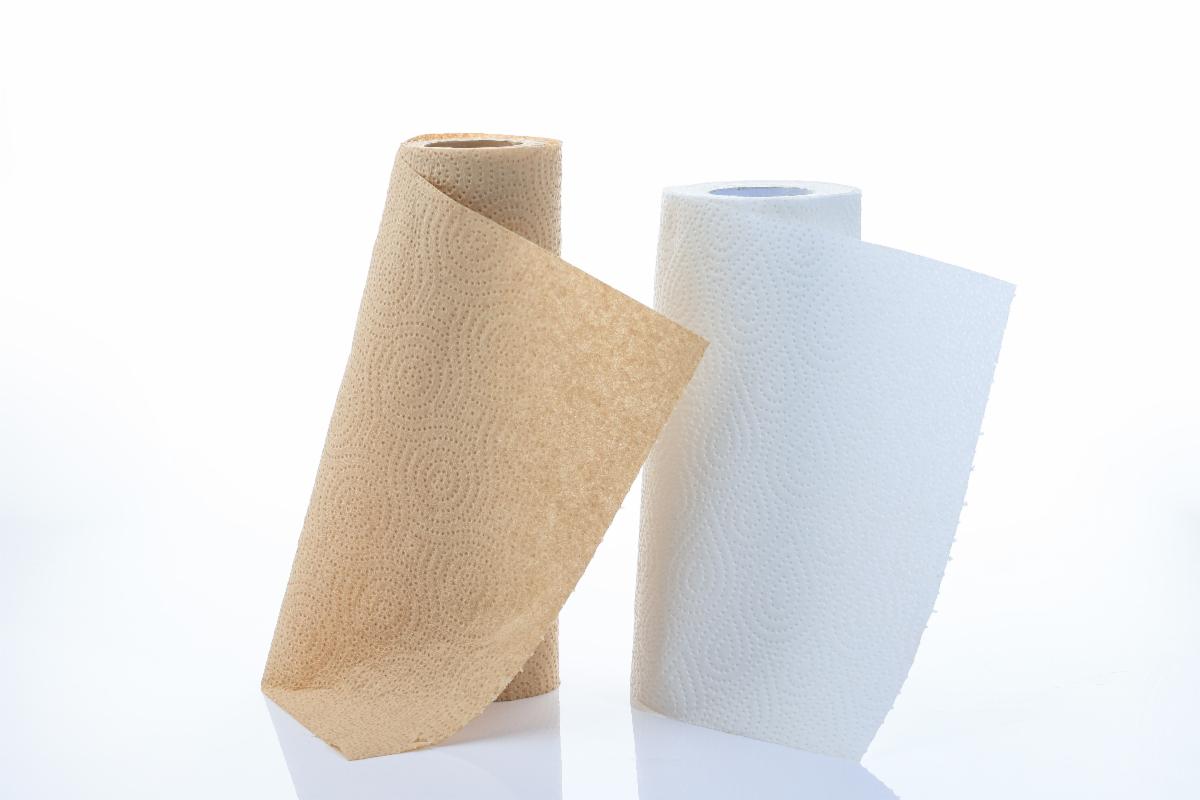
Paper towels and toilet tissue also fall into this distant awareness of softness. We want pliable paper towels that are absorbent but don't fall apart as we use them. Toilet paper becomes the Goldilocks standard between facial tissue and paper towels: we want it soft enough to be pleasant, yet strong enough to hold up.
But how do product developers create these underappreciated scientific marvels that can make or break daily hygiene routines?
The Fiber Foundation
In simplest terms, the answer lies in fiber characteristics of the pulp material. Short fibers from hardwoods provide smoothness and softness, while long fibers from softwoods deliver strength. The art of tissue making involves finding the optimal blend.
Measuring "softness" has not traditionally been easy. For decades, panel tests—relying on people to judge tissue quality by touch—were the main method to determine desirable characteristics (2022). Though different manufacturers developed proprietary tests and standards, at the heart of their measurements was subjective human experience with the product.
Objective Measurement Arrives
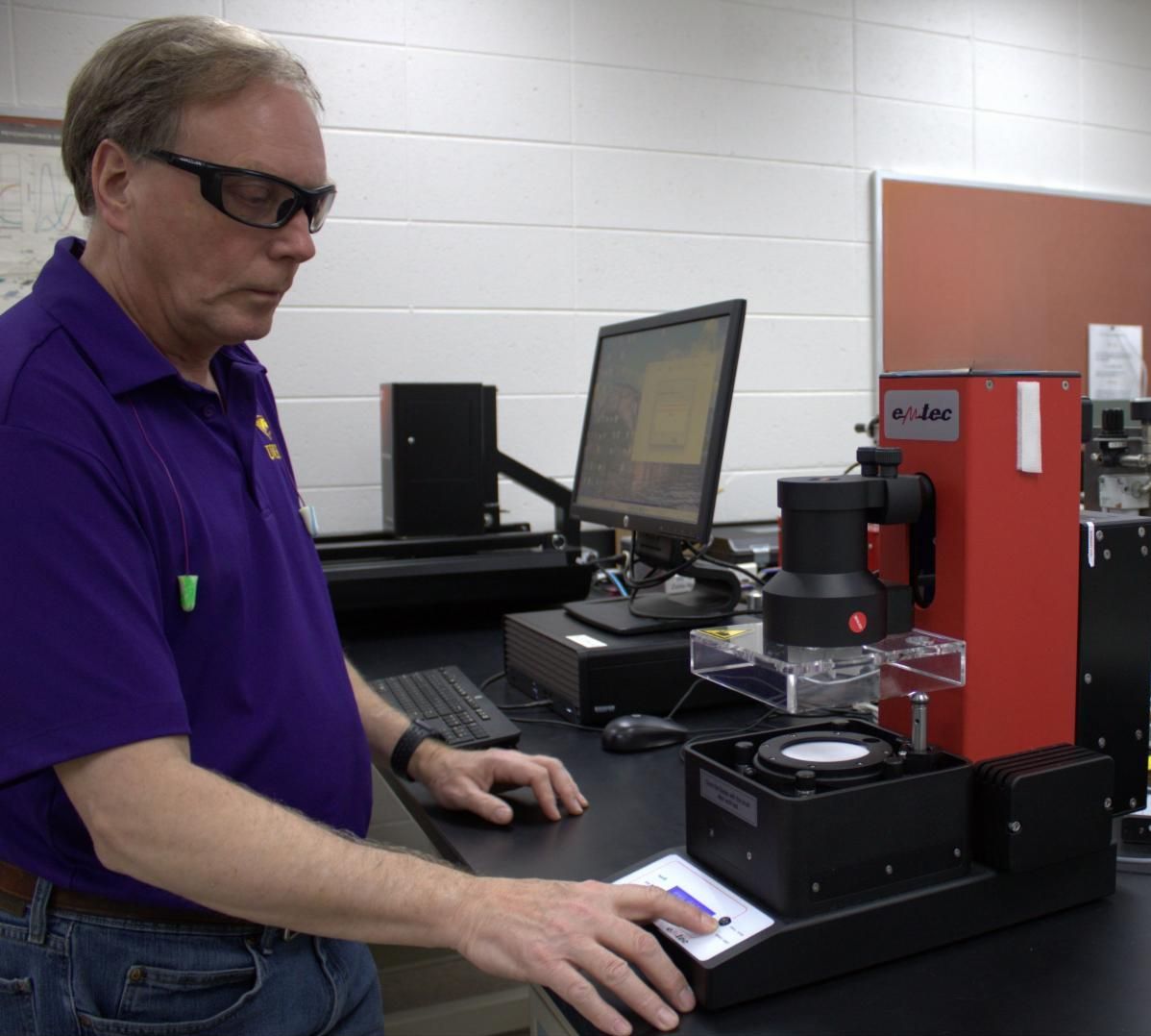
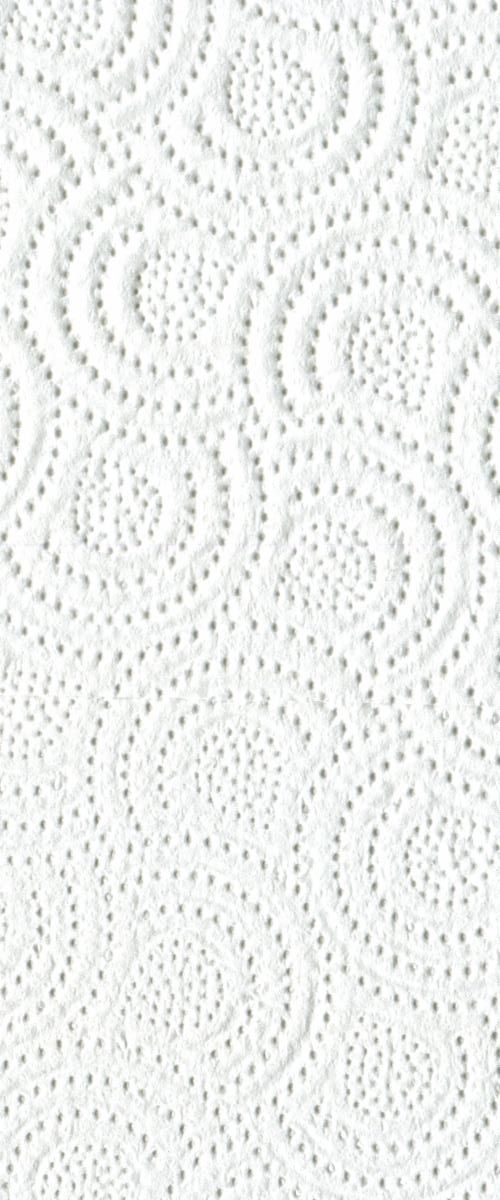
WIST's new tissue softness analyzer measures three fundamental characteristics: micro-surface variations (softness determined by fiber stiffness and flexibility), macro-surface smoothness or roughness (influenced by creping blades and embossing during production), and overall material stiffness (how the material deforms under defined load), according to Emtec. These three parameters combine to calculate a hand-feel value that correlates with consumer perception.
Paper manufacturers can manipulate these characteristics through fiber selection, chemical additives, sheet formation, creeping and drying conditions, among other variables. Having a consistent softness measurement creates a reliable framework for managing dynamic production variables.
Why This Matters
Product developers rely on tactile qualities to create products that appeal to consumers, yet tactile measurements can be subjective, and the variables that create softness are diverse. The tissue softness analyzer provides objective, repeatable data throughout the entire manufacturing process—from defining the right fiber mix of long and short fibers to final product quality control.
For Wisconsin's $27 billion forest products sector, which employs over 69,000 people statewide (DNR), this capability opens new research opportunities. WIST can now help manufacturers explore how regional hardwoods perform in tissue applications, optimize recycled fiber blends, and evaluate sustainable alternatives—all with the precision that modern product development demands.
Learn More
For information about WIST's tissue softness testing capabilities, contact us at
715-346-2111 or wist@uwsp.edu.
References:
Emtec Electronics EMTEC Electronic GmbH (no date) emtec Electronic GmbH. Available at: http://www.emtec-electronic.com/ (Accessed: 07 November 2025).
Forestry and the Wisconsin economy (no date) Forestry and the Wisconsin Economy | | Wisconsin DNR. Available at: https://dnr.wisconsin.gov/topic/forestbusinesses/factsheets (Accessed: 07 November 2025).
Pawlak, J., Frazier, R., Vera, R., Wang, Y., & Gonzalez, R. (2022). Review: The Softness of Hygiene Tissue. BioResources, 17(2), 3509-3550. https://doi.org/10.15376/biores.17.2.Pawlak
|