|
Wisconsin Institute for Sustainable Technology |
| WIST CELEBRATES 15 YEARS OF INNOVATION | | |
|
2025 has been a busy, exciting year for the Wisconsin Institute for Sustainable Technology (WIST). When putting the year's accomplishments into perspective, WIST must also recognize the milestone of fifteen years of notable service to industry, government, and academic communities. Established in 2010 at the University of Wisconsin-Stevens Point (UWSP), WIST has evolved from an innovative concept into a reliable partner in sustainable technology research and testing services.
WIST was founded through the collaborative vision of UWSP faculty members, including Eric Singsaas, Gerry Ring, Don Guay, and Christine Thomas. They recognized the need for university laboratory expertise in industry applications and the opportunity to connect these partners to government leaders. Congressman David Obey championed WIST's promising research goals to provide crucial resources, setting the stage for a decade and a half of innovation.
| | WIST’s operational structure was formalized with the appointment of Dr. Paul Fowler as Executive Director in 2010. Fowler's background in carbohydrate chemistry applications and natural product research and development positioned him ideally to advance WIST's mission and strategic objectives.
Housed in UWSP’s College of Natural Resources (CNR), WIST’s sustainability goals complement the College’s natural resources-based mission. Born of CNR’s key values, WIST’s strength comes from connecting the university's base of innovation and knowledge with greater marketplace needs. A program of this nature could have been grounded—or set aside along the way—for being too ambitious, but visionary leadership has embraced the cause of practical applications of university research, and this made the difference. Helping to establish this vision was former dean, Christine Thomas; this leadership has been furthered by Dean Brian Sloss.
"We are in a position to anticipate and respond to market needs and trends because our leadership has believed in us and supported our efforts," Fowler said. "WIST's success and longevity would not be possible without Dean Sloss—and Dean Thomas before him—recognizing that our mission and direction must evolve as we adapt to market trends."
Dr. Brian Sloss, Dean of the College of Natural Resources, credits WIST’s adaptability with its success, whether working within paper, forest products, chemical engineering, or other industries.
“WIST demonstrates a flexibility and accountability to our industries that is essential in higher education,” Sloss said. “By engaging and listening to our various industry partners, WIST’s founders and leadership developed an innovative response to real, pressing challenges.”
| |
Beginning Anew: Generating Support
At its inception, WIST’s institutional challenges included addressing misconceptions about sustainability research among legislative stakeholders.
| |
“Having ‘sustainable’ in the title of the institute can create ideological distance before a conversation can even begin,” Fowler said. “People may believe that you are anti-economy by promoting sustainability. It’s taken time to nuance the messaging.”
Fowler explained that WIST is business-based, and its mission is to help businesses improve their processes. Sustainability is a three-legged stool; the economy, environmental factors, and social facets all interplay together. One can’t exist without the others.
“It’s not the environment at the expense of business,” Fowler said.
| |
WIST's inaugural research program focused on developing plant-based jet fuel alternatives, exploring solutions to the impact of military fuel consumption. Working with American Science and Technology, WIST explored converting wood and biofuel crops into biofuel and chemicals for 21st-century markets. The project sought to meet U.S. Department of Defense energy goals while reducing dependence on foreign fuel, and the partnership created a pilot-scale biorefinery.
Like the biofuel project, WIST’s efforts have centered on plant-based technology—biofuels, to begin, but also planting, viticulture, wood and agricultural pulp, plant-based plastics—and recycling and compostability. Simply put, WIST partners with organizations looking to find solutions for sustainability questions—how can we more effectively process this packaging? What are some ways to improve the sustainable, whole-use of this plant? We have an abundance of timber; what are new ways to use that product to the benefit of our community and the state?
| |
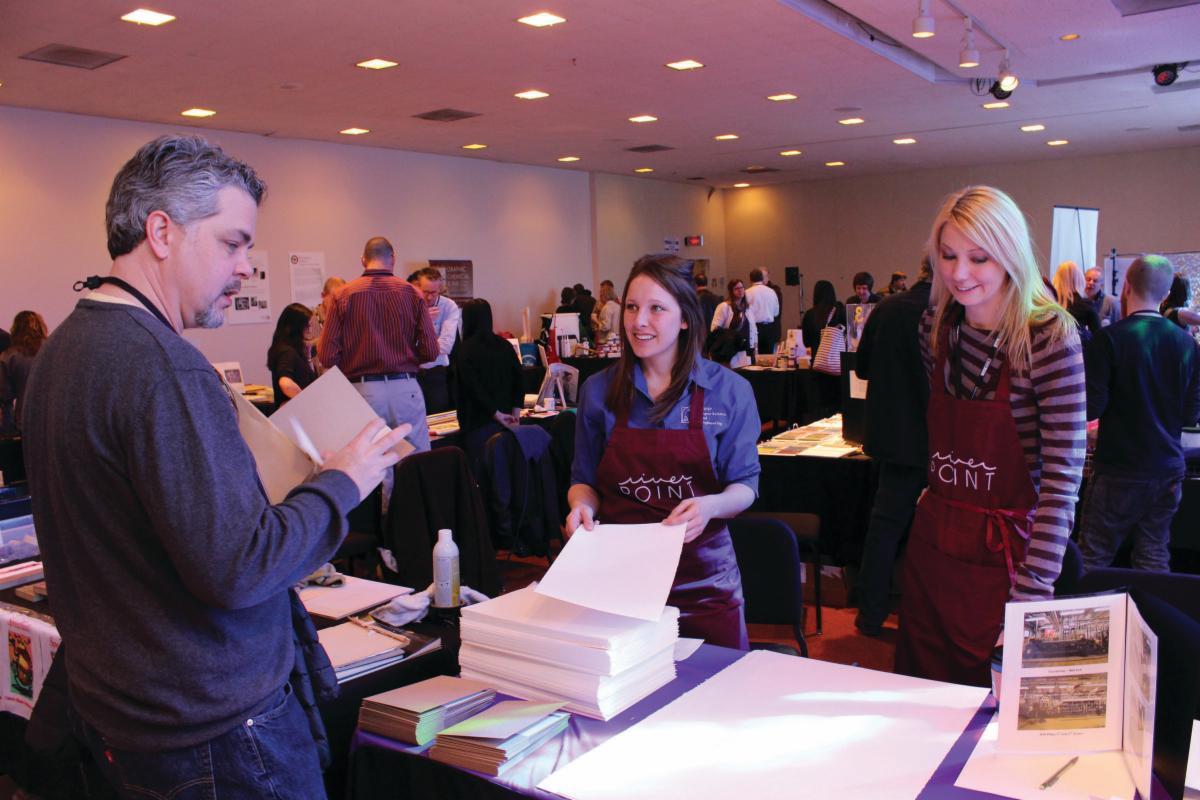
As WIST explored novel fiber use and bespoke research opportunities, an exciting project emerged: RiverPoint, a new line of art paper, collaboratively created, promoted, and distributed in conjunction with the UWSP art department. Students needed an affordable paper for art projects—high-quality, archival paper that was also economical. Using UWSP's pilot paper machine, which runs paper trials as well as educates students in paper manufacturing, WIST’s collaboration produced paper that was less expensive for UWSP students. The paper was ultimately marketed commercially and shipped to 15 states.
| |
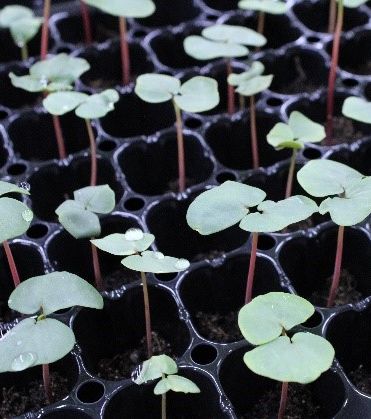
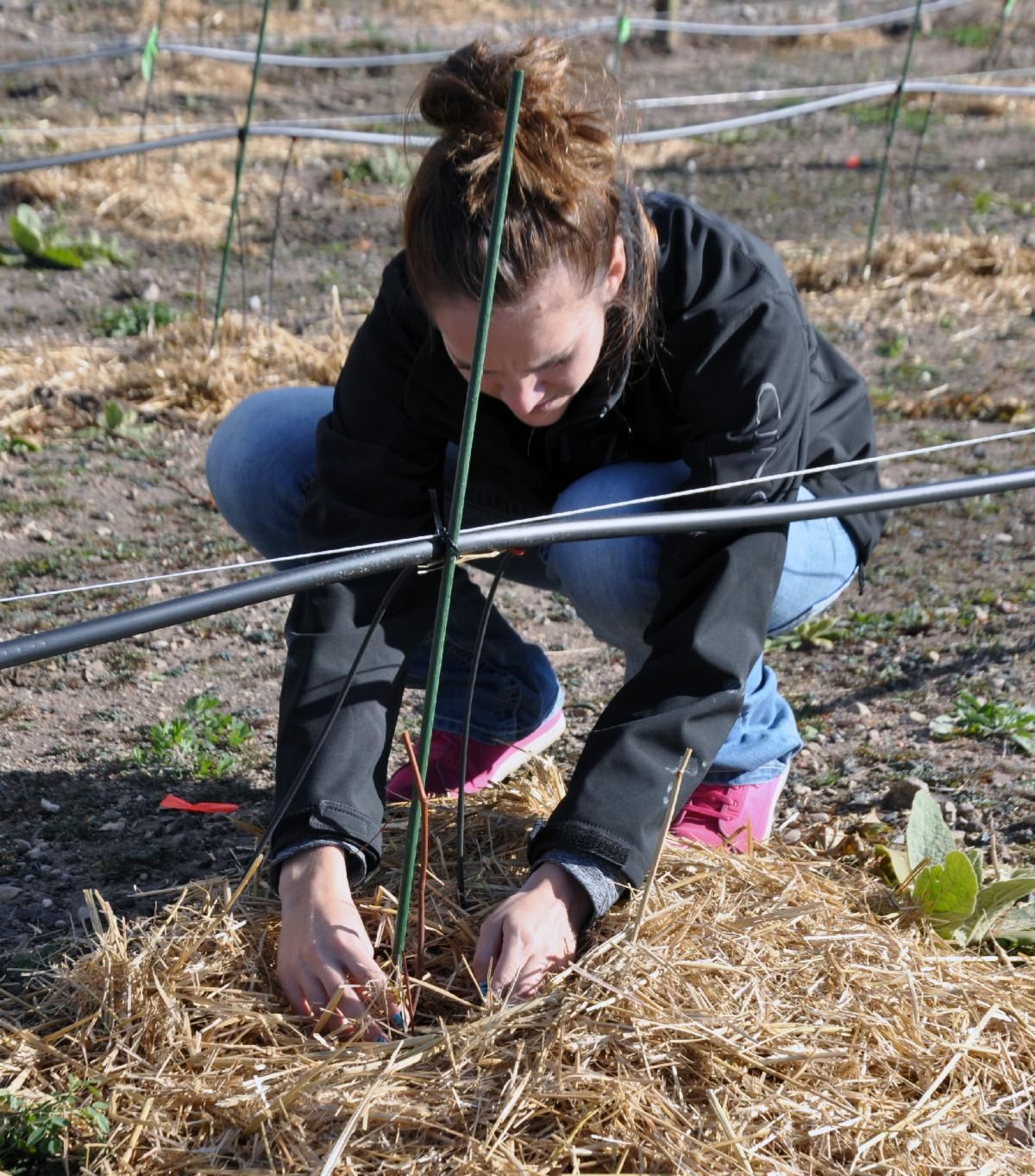
Another early WIST initiative included Focal Point, a conference hosted by WIST for regional professionals that highlighted research and trends in the field of paper-based food packaging. Over the years, other projects included cold-weather grape production, pulping and bleaching trials on wood and non-wood biomass, paper trials, and working with bioplastic end-of-life concerns. WIST has carefully balanced the needs in the market with technical capacities to meet those needs.
“We are continually keeping an eye out for what is happening and where the trends are,” Fowler said. “We ensure that we have both the equipment and the staff to accomplish the needs presented by market trends.”
| |
Sustainable Goals and Circular Economies
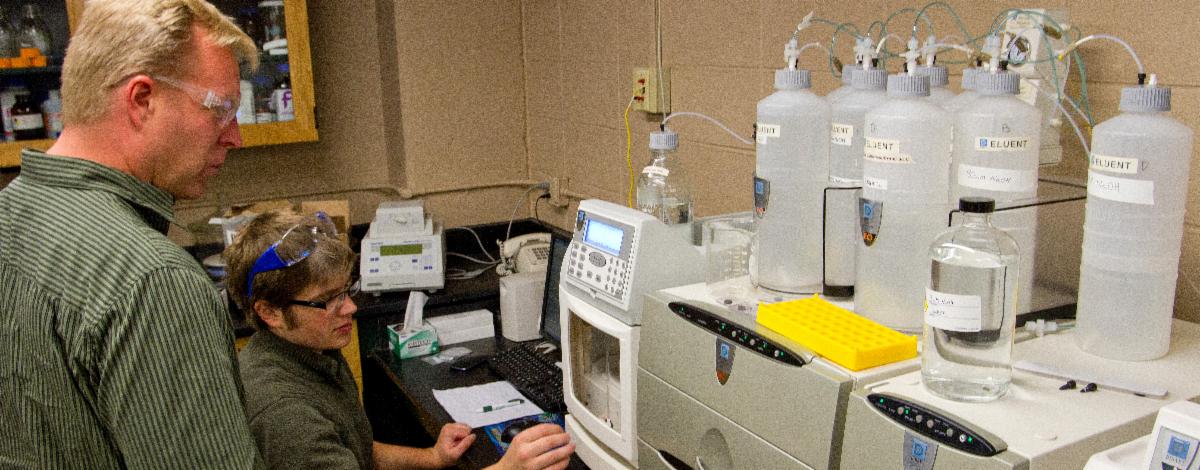
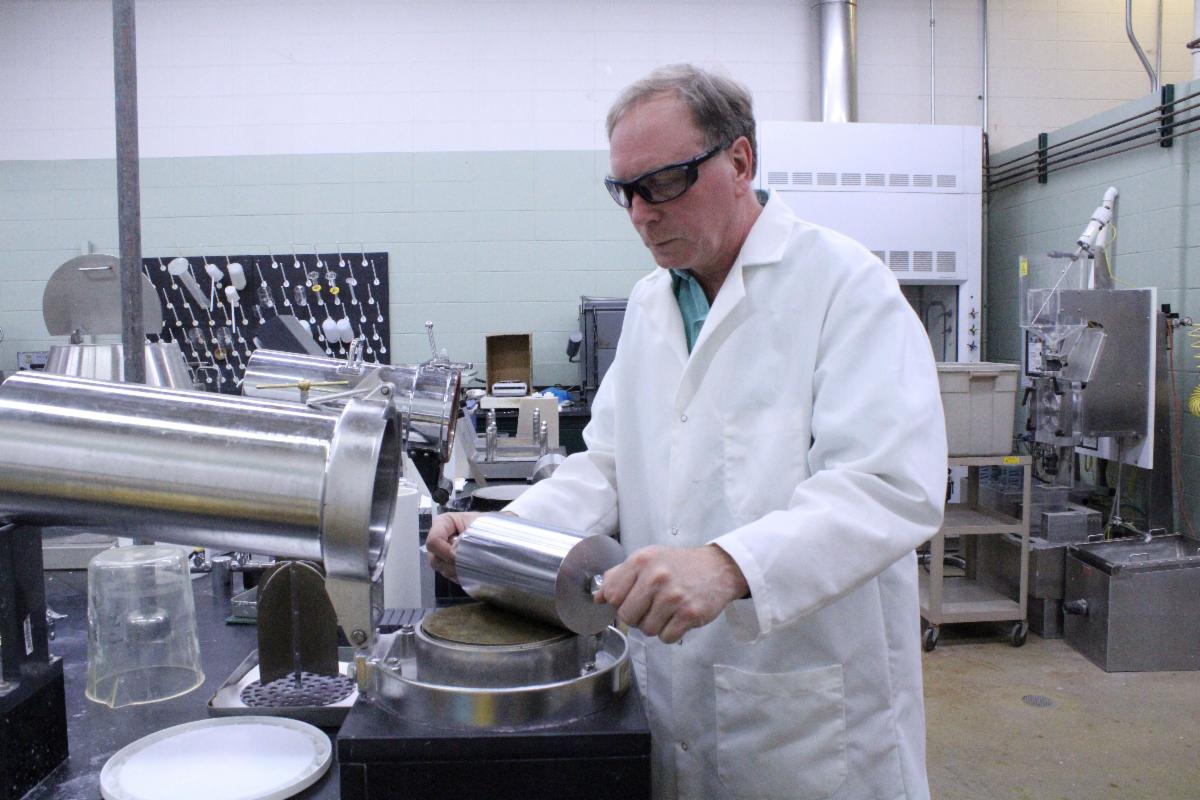
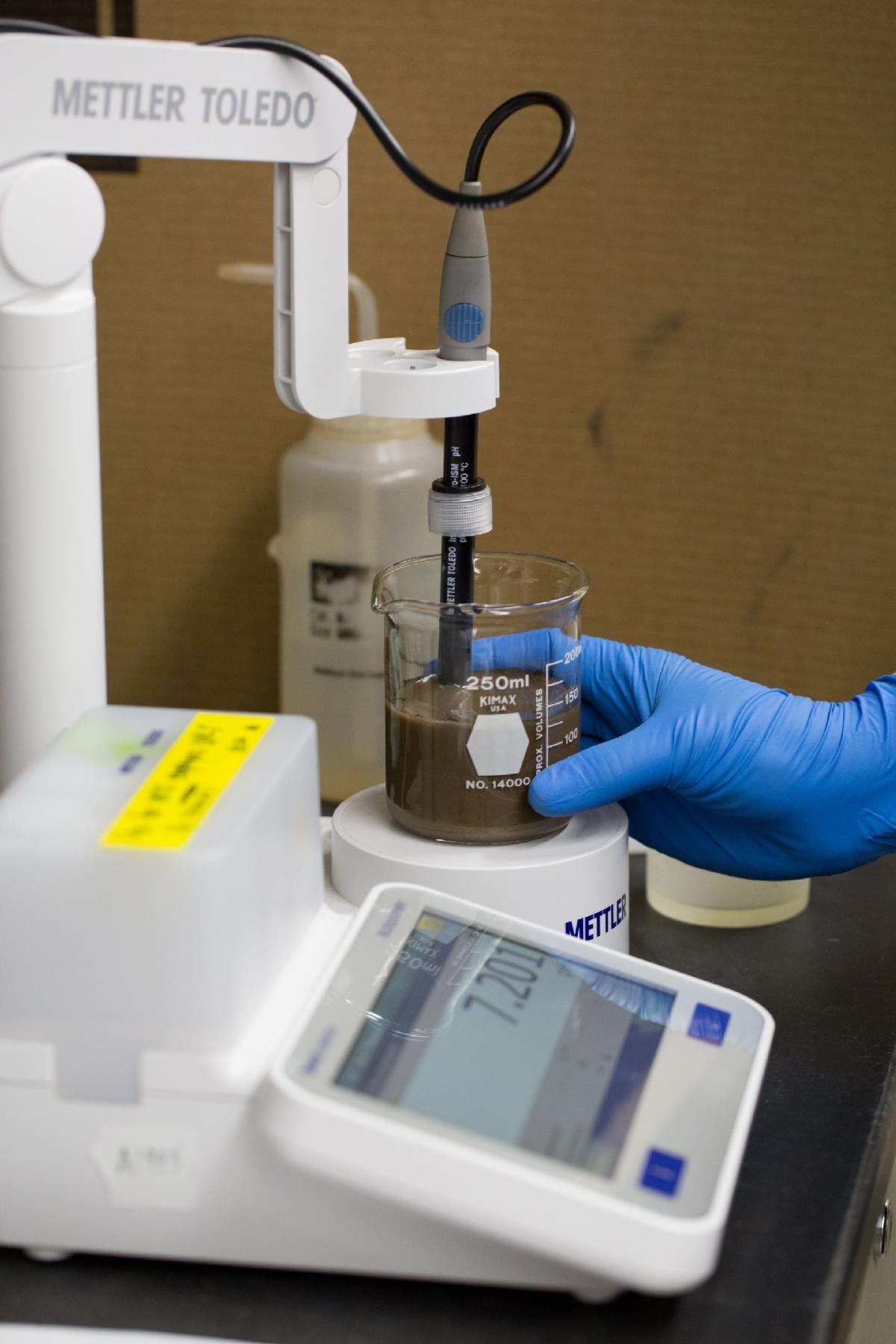
One of those trends inspired WIST to begin testing the repulpability and recyclability of clients’ paper products. Moving toward fiber-based packaging that is repulpable and recyclable is an easy decision in theory, especially when more states and countries examine product end-of-life factors; in practice, however, technological specifications must be demonstrated before an organization can make those claims. WIST’s testing capabilities have been recognized by How2Recycle for delivering results that organizations need to confidently achieve third-party certification.
| |
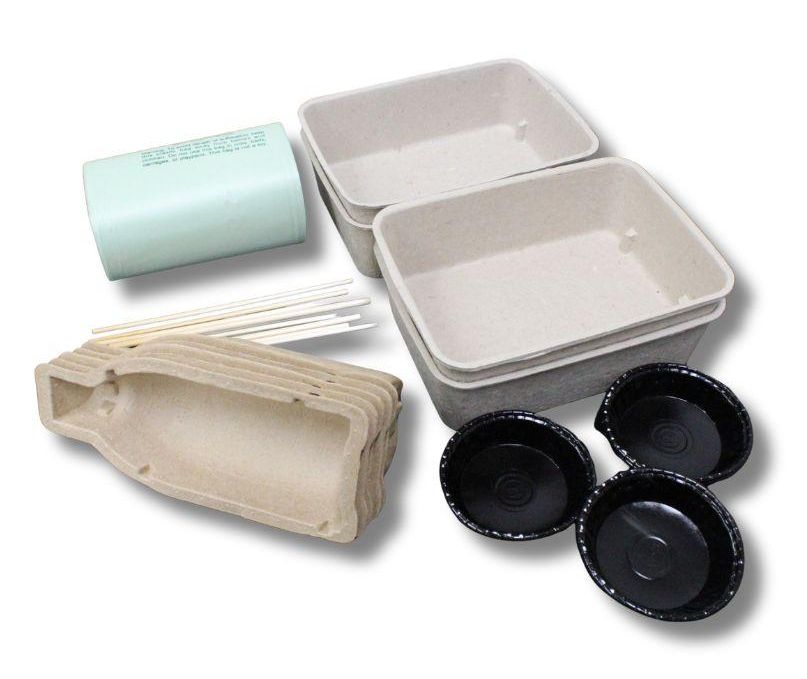
WIST established another foothold in the product end-of-life cycle testing when in 2012 compostability testing was added to the list of services offered at WIST. As companies began to see the value in compostability, reliable testing was essential to verify claims that materials were appropriately composting.
| Because WIST's services are delivered efficiently, accurately, and with attention to detail, demand has grown—and so has WIST's scope of services and popularity. WIST was the first academic laboratory in the United States to be approved by BPI for testing to ASTM compostability standards, helping businesses to claim their products are compostable. | |
WIST’s efforts in recyclability, repulpability, and compostability testing all contribute to moving away from single-use products and packaging that are otherwise destined for the landfill. Sustainable packaging research and production has become an important facet of the international supply chain, and greenwashing—the practice of overselling the environmental benefits of a product—has made testing crucial to the long-term viability of the increased functionality of packaging in modern society. WIST has been building its reputation in these testing services to support both the environment and organizations that pursue the good of the environment.
These testing services also allow WIST to continue to do relevant, groundbreaking work. While WIST's initial funding came from the Wisconsin Bioenergy Initiative and other early supporters, Fowler established diversified revenue streams through testing services to ensure long-term financial stability. This allows WIST to serve the industry partners who require verification of their product claims while also branching out into new research areas.
| |
While testing services provide WIST with essential financial security, research grants have been equally crucial in recognizing and advancing WIST's contributions to environmental science. WIST received annual support from the state in its early years and more recently grants have been secured from Wisconsin Economic Development Corporation (WEDC), ($4 million); U.S. Economic Development Administration (EDA), ($500,000); and the Woods Innovation Grant program of the US Forest Service ($100,000). The grants help launch new initiatives while testing services can then support the day-to-day operations.
WIST’s Forward Momentum
| |
Some of the current and upcoming projects include exploration of home composting studies, biochar testing, and regenerative agriculture opportunities. Innovation in forest products is another highly relevant initiative central to WIST’s objectives.
Wisconsin is the papermaking leader of the country, and Wisconsin’s forest products industry contributes $41.4 billion annually in production tied to the forest products sector, according to the Wisconsin Department of Natural Resources. But in recent decades, pulp dynamics have shifted with greater use of recycled fiber at the expense of fresh, regionally sourced fiber, as well as increasing use of fiber imported from South America. Wisconsin and its mills have been left trying to navigate its forest resources and the marketplace.
WIST has been addressing this challenge, developing mobile educational platforms designed to deliver community-based learning opportunities. These "HuSTLe Bars" will serve as pop-up learning centers that travel to communities, providing businesses and citizens with education about forest product diversification and sustainability opportunities. In addition, the Wisconsin Tree-Imagined initiative leverages Wisconsin's pulp industry from traditional paper production to emerging applications, redirecting established forestry knowledge toward emerging market opportunities and technological applications.
WIST's fifteenth anniversary gives the organization the chance to acknowledge the contributions of its founding faculty, the dedication of current and former team members, the trust of industry partners, and the continued support of the University of Wisconsin-Stevens Point.
“I am proud that WIST and Dr. Fowler have a home in the College of Natural Resources at UWSP, and that through all the ups and downs, we are continuing to not only serve our industry partners but be a trusted and reliable partner in their success.” Sloss said. “I look forward to seeing what the future holds for WIST and am confident we will continue to support the needs of our communities.”
| |
WIST’s evolution from initial concept to established research institution demonstrates the value of persistent innovation, strategic adaptation, and commitment to excellence in addressing contemporary sustainability challenges.
“Resilience, an optimism for the future, and persistence in the goals of the organization have all been at the heart of our efforts at WIST,” Fowler said. “We’ve been fortunate to help pave the way for novel technologies and scientific approaches, and we have enjoyed working with our community and clients. We look forward to many years ahead!”
|
| | | Just some of WIST's services: | |
- Compostability Testing
- Repulpability and Recyclability Testing
- Paper Testing Services
- Papermaking
- Coating and Laminating for Sustainable Packaging
- Technology-Based Economic Development
- Diversifying Fiber Uses
- Sustainable Agricultural Practices
- HuSTLe Bars
- Wisconsin Tree-Imagined
| | | Wisconsin Institute for Sustainable Technology | 2001 Fourth Avenue D274 SCI | Stevens Point, WI 54481 US | | | | |