Wisconsin Institute for Sustainable Technology

WIST News

February 16, 2026

Exploring EPR

A group of food containers appears on a blank background. On the one side, there is a grouping of items that do not compost easily. On the other side, there is a grouping of items that compost.

Extended Producer Responsibility:

Shifting from Consumer Burden to Producer Accountability

Extended Producer Responsibility, or EPR, is a mandated shift in producer responsibility for product end-of-life. It’s already taking hold in US states—California, Maine, Oregon, Colorado, Minnesota, Maryland, and Washington—and even more states have introduced bills to implement EPR.


As environmental protection rose to the front of public awareness in the 1970s, recycling became more prominent in the minds of consumers in the following decades. Responsibility to become more proactive about production, consumption, reduction, and reuse has fallen largely to the consumer, who has had to make conscious decisions about their purchases, despite sometimes conflicting and confusing information from producers, waste management companies, and media.


But what does EPR actually do? 

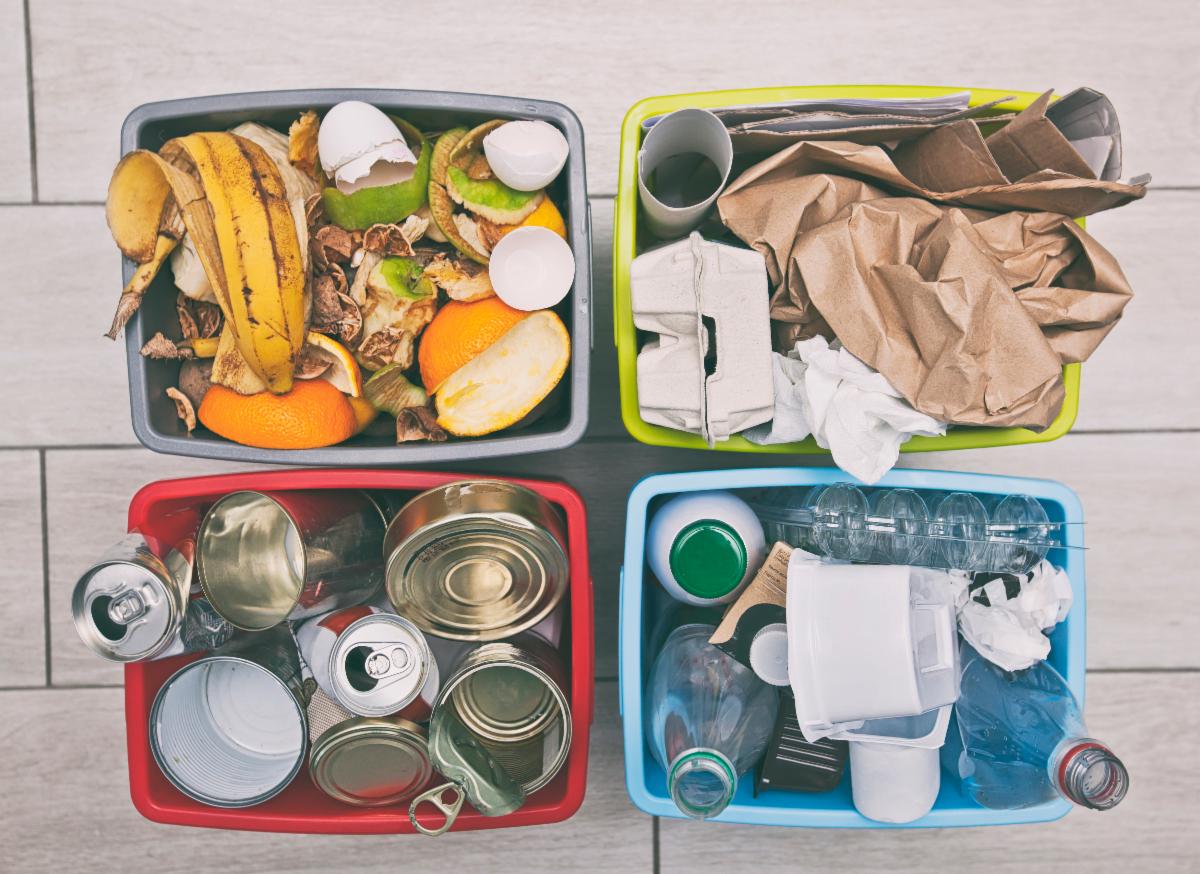
Four recycling bins hold four different types of material: Plastic, metal, paper and food waste.

EPR holds manufacturers, brands, and importers responsible for the collection, recycling, and proper disposal of the products that they place on the market. Some of the product laws govern the end of life of packaging, electronics, batteries, paint, mattresses, pharmaceuticals, and sharps.


EPR can look different depending on the product and the needs. Some producers might fund recycling programs or pay fees based on the product. Others might directly manage collection and recycling systems. A third model uses shared responsibility between producers, retailers, and municipalities.


EPRs offer structure, goals, data reporting, and periodical reviews to help increase efficacy and efficiency. They help develop reliable and predictable recycling infrastructure, develop consumer trust, and encourage material reduction.

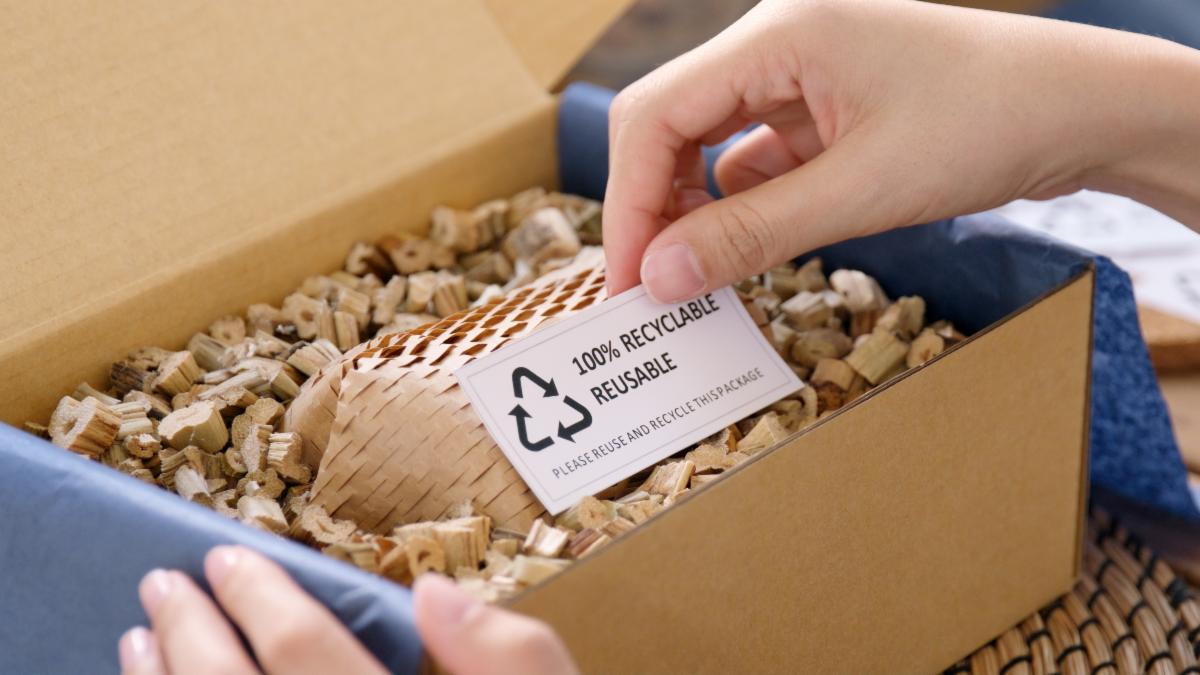
A corrugated cardboard box is filled with brown packaging filler. A pair of hands holds the box.

As more organizations gear up for EPR compliance, organizations can prepare now by identifying high-waste sources, begin designing for recyclability, and educating consumers about end-of-life options for their products.


WIST can help businesses prepare for EPRs. We offer testing solutions that support BPI and How2Recycle standards. WIST has DIN CERTCO recognition, ISO/IEC 17025 Accreditation, and recognition from the American Forest and Paper Association and the Fibre Box Association.


If you’re testing for BPI certification or are working to gain a better understanding of your packaging and end-of-life goals, WIST can help you be ready. Contact us today.

Sources:

US States with packaging EPR Laws: what businesses need to know in 2025


Packaging Policy Roundup

Just some of WIST's services:

  • Compostability Testing
  • Repulpability and Recyclability Testing
  • Paper Testing Services
  • Papermaking
  • Coating and Laminating for Sustainable Packaging
  • Technology-Based Economic Development
  • Diversifying Fiber Uses
  • Sustainable Agricultural Practices
  • HuSTLe Bars
  • Wisconsin Tree-Imagined
LinkedIn  Web

This project is being supported, in whole or in part, by federal award number SLFRP0135 awarded to the Board of Regents of the University of Wisconsin System on behalf of the University of Wisconsin-Stevens Point's Wisconsin Institute for Sustainable Technology (WIST) via the Wisconsin Economic Development Corporation and the Wisconsin Department of Administration by the U.S. Department of the Treasury.

Wisconsin Institute for Sustainable Technology | 2001 Fourth Avenue D274 SCI | Stevens Point, WI 54481 US