Wisconsin Institute for Sustainable Technology

WIST News

July 16, 2026

Beyond the Buzzwords:

Understanding Biobased, Biodegradable and Compostable

When language tells a story, word choice offers a nuanced variety of terms that allows the tale to unfold gracefully. We develop our speaking and writing skills from these stories, and we learn to choose words and phrases that communicate our thoughts to others. But when language is used imprecisely, it can change the conversation. When words used interchangeably have vastly different meanings, those differences can create real issues, especially for professionals working within the packaging industry.


Though producers do not usually work to mislead the public, consumers may naturally be unclear about distinctions when trying to puzzle through sustainability concepts, particularly with end-of-lifecycle packaging. For instance, several buzzwords that consumers might believe to be interchangeable have very different meanings: biobased, biodegradable, and compostable.

Photo by TIm Mossholder https://unsplash.com

Biobased: What is it made of?

There is a diverse and growing array of biobased products that are created with raw materials that are grown and harvested instead of formulated from petroleum-based materials. Created from renewable biological resources, including plants or agricultural waste, as well as emerging sources such as chitosan derived from shrimp and crab shells, biobased plastics use these feedstocks to produce materials that can perform in the place of petroleum-based plastic. Importantly, however, “biobased” describes the origin of a material, not necessarily how it behaves at the end of its useful life. Biobased polyethylene is a good example: despite its renewable origin, the resulting polyethylene is chemically equivalent to its petroleum-based counterpart and therefore has the same performance characteristics. It is not biodegradable or compostable, nor is composting intended to be its end-of-life management pathway; rather, it can enter the conventional polyethylene recycling stream in the same way as its petroleum-based plastic counterpart.


“Biobased tells us where the carbon came from, not where the material goes at the end of its useful life," said Paul Fowler, WIST’s executive director. “A material can be biobased and designed for recycling or composting or simply for long-term durability. These are separate attributes, and understanding the difference matters.”


To assist in customer identification, biobased products are usually labelled with the amount of biobased content (60% biobased, for instance), as determined by ASTM D6866 testing.

Biodegradable: Will microorganisms eventually break it down?

Biodegradable products may sound environmentally favorable, but the term alone may not tell the whole story. Biodegradable products are made of materials that microorganisms can eventually break down into CO2, water, and biomass, but the conditions required and the meaning of “eventually” are important. A product might biodegrade over 4 months, 4 years, or 400 years, depending on the material and the environment in which it is placed. Without defined conditions and a specified timeframe, the term “biodegradable” is too broad to provide a meaningful basis for an environmental claim. Moreover, biodegradation in a landfill can occur under very different conditions from controlled composting and, where anaerobic biodegradation occurs, can generate methane instead of following the aerobic biodegradation pathway associated with composting.


The most desirable outcome uses science to define and verify how a material behaves under specific end-of-life conditions. By documenting the extent and how long it takes for microbes to break down a product under controlled conditions, testing can provide a clearer understanding of its appropriate end-of-life pathway.

Compostability: Will it break down completely and safely under certain conditions?

This is when compostability enters the conversation. When uniform conditions are applied to a test subject, compostability gives measurable evidence that a test product will break down. Because all items that undergo compostability testing have the same testing standards, biodegradation testing can say definitively that an item breaks down. Moreover, ecotoxicity testing of the resulting compost will verify that the compost is safe for plant growth.


One does not equal another

Because the terms may not be well understood by consumers, the natural inclination of the novice is to understand the terms to be interchangeable. When the messaging uses biobased in a way that might be synonymous with biodegradable or compostable, the language can muddy the waters of sustainability for those who are trying to make conscientious decisions.

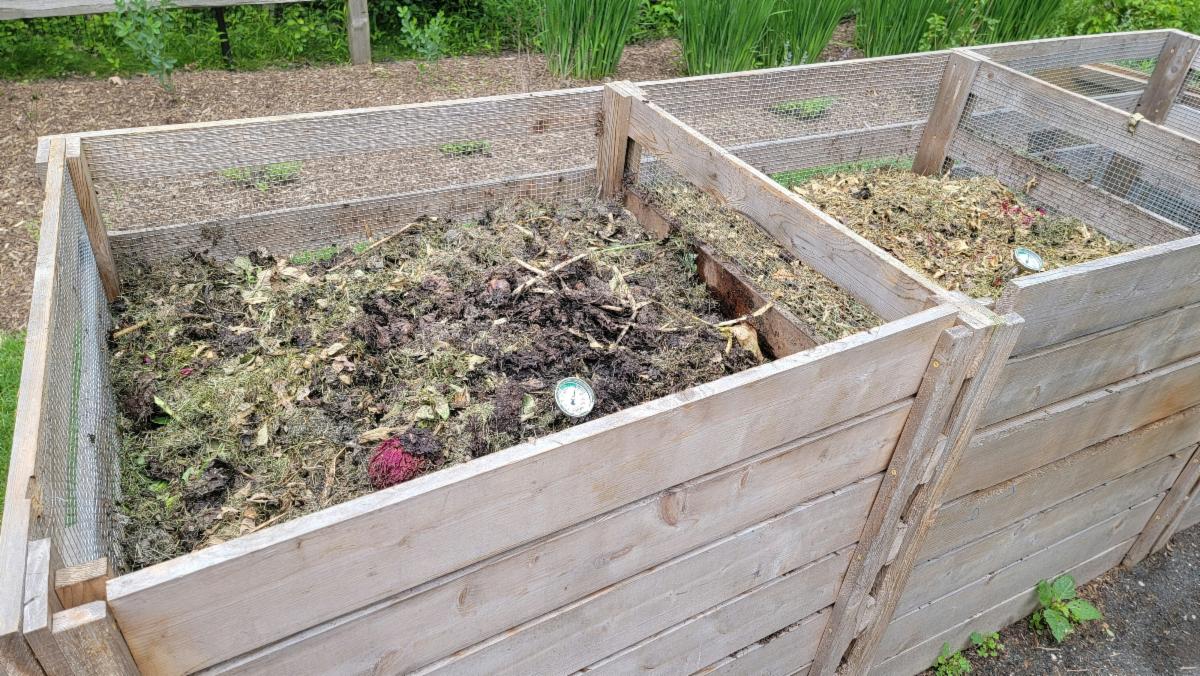
Home compostability occurs at lower temperatures and allows a longer timeframe for materials to break down. Products certified for home composting are specifically tested under conditions representative of a home composting environment, while products certified for industrial composter are intended for the higher temperatures of commercial composting facilities.

Producers should be intentional about the claims and labeling they want to provide on their packaging and understand the specific requirements needed to support them. Certified testing provides the evidence necessary to substantiate those claims accurately, helping producers communicate the intended end-of-life pathway clearly and giving consumers confidence in how packaging should be handled after use.


When you are ready to take the step toward certified sustainability claims, WIST is pleased to offer the testing services that allow confidence in your product accreditations through BPI, DIN CERTCO and How2Recycle.


“Biobased Products.” Science Direct, www.sciencedirect.com/topics/agricultural-and-biological-sciences/biobased-products.

“What Is Biodegradable Waste and How Does It Break Down?” Science Insights, 10 Mar. 2026, scienceinsights.org/what-is-biodegradable-waste-and-how-does-it-break-down/. 

Home compost photo by Frank Thiemonge on Unsplash.

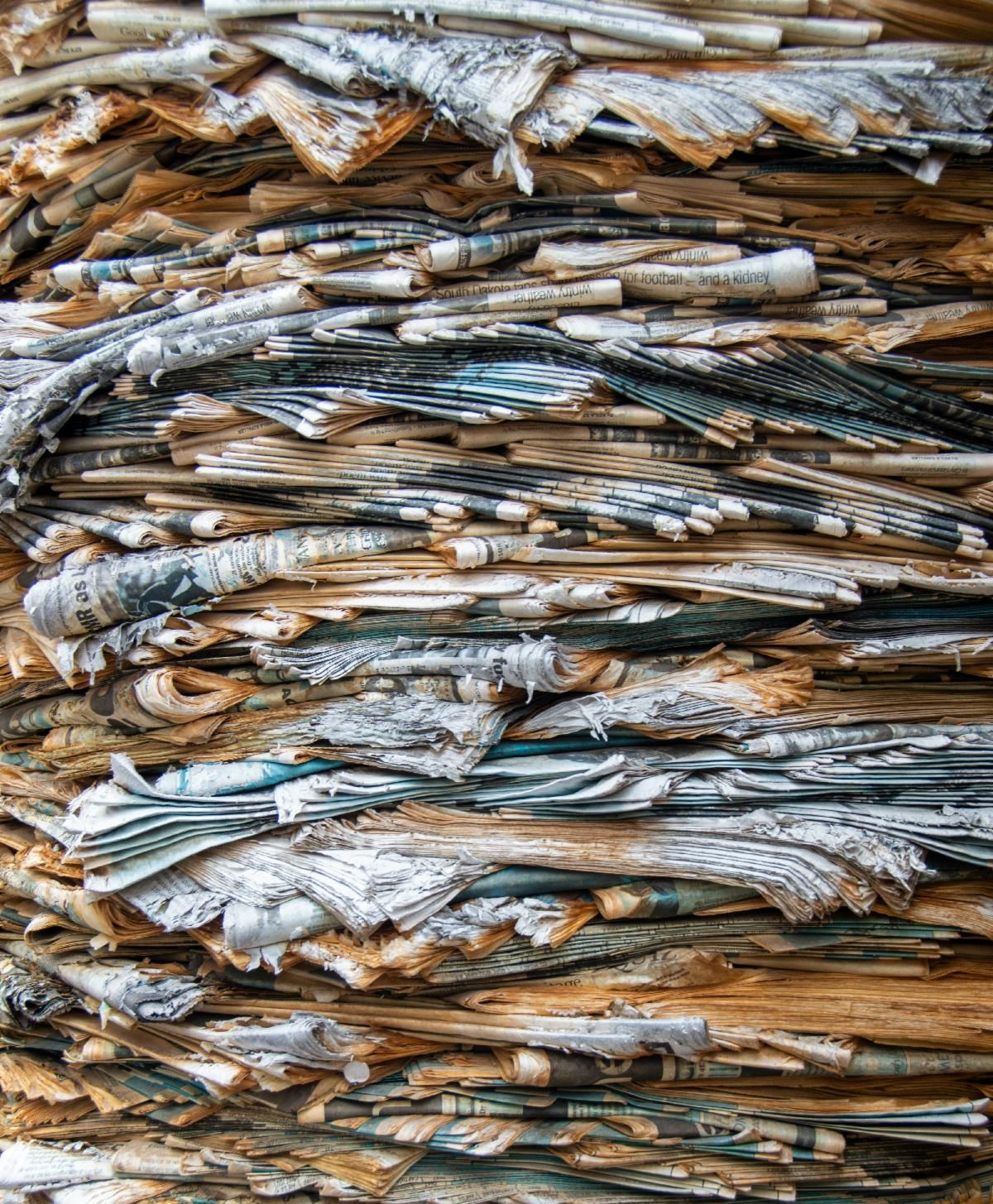
Newspaper photo by Steven Cordes on Unsplash.

Plastic photo by Tim Mossholder on Unsplash.

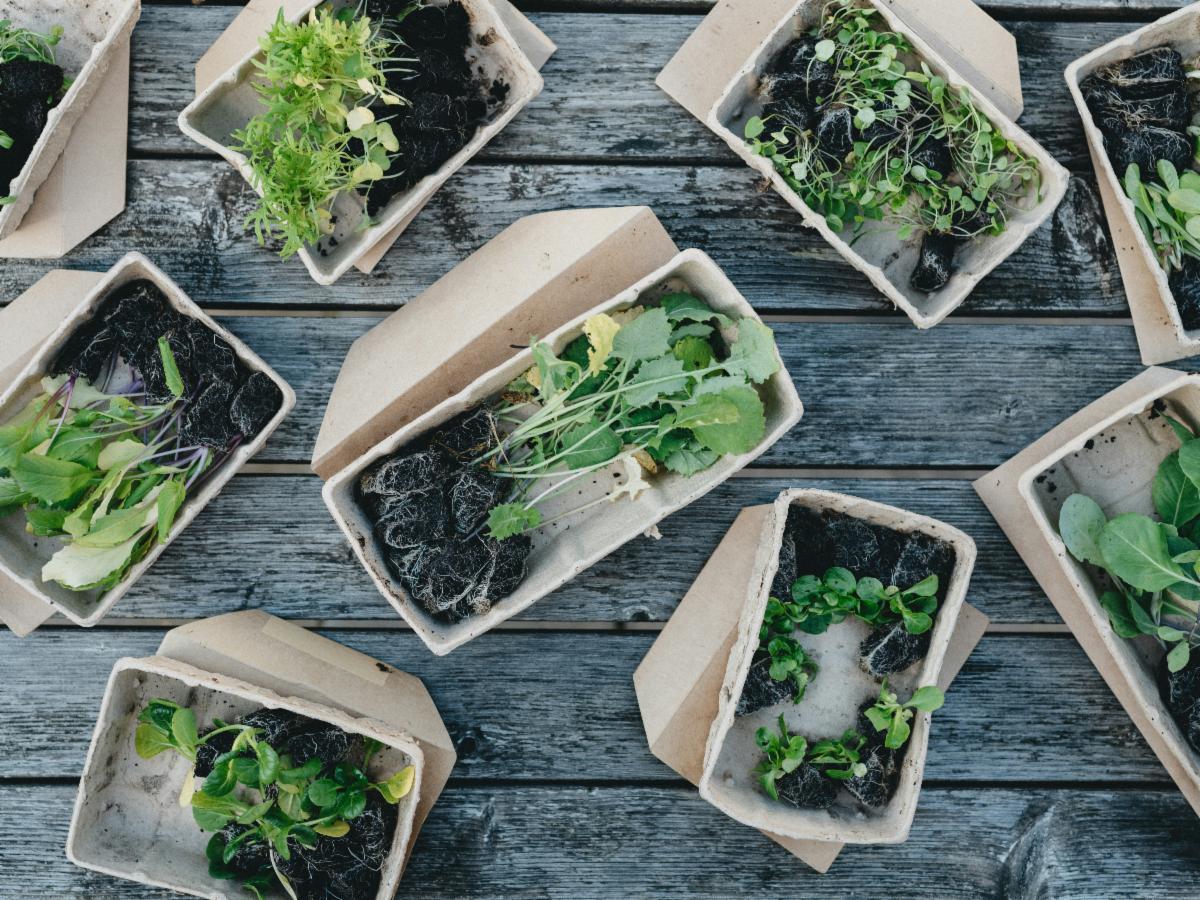
Sprouts in compostable boxes photo by Annie Spratt on Unsplash.

Just some of WIST's services:

  • Compostability Testing
  • Repulpability and Recyclability Testing
  • Paper Testing Services
  • Papermaking
  • Coating and Laminating for Sustainable Packaging
  • Technology-Based Economic Development
  • Diversifying Fiber Uses
  • Sustainable Agricultural Practices
  • HuSTLe Bars
  • Wisconsin Tree-Imagined
LinkedIn  Web

This project is being supported, in whole or in part, by federal award number SLFRP0135 awarded to the Board of Regents of the University of Wisconsin System on behalf of the University of Wisconsin-Stevens Point's Wisconsin Institute for Sustainable Technology (WIST) via the Wisconsin Economic Development Corporation and the Wisconsin Department of Administration by the U.S. Department of the Treasury.

Wisconsin Institute for Sustainable Technology | 2001 Fourth Avenue D274 SCI | Stevens Point, WI 54481 US