Weekly eNewsletter

July 27, 2026

Vol. 423

This Week's Top Stories:


Upcoming Events:

Submit your event to WLIC!

Trivia:


July 14-16 WLIC was able to attend the Wisconsin Farm Tech Days. How many people on average attend this event yearly?


WI Acts To Protect Animals From Screwworm

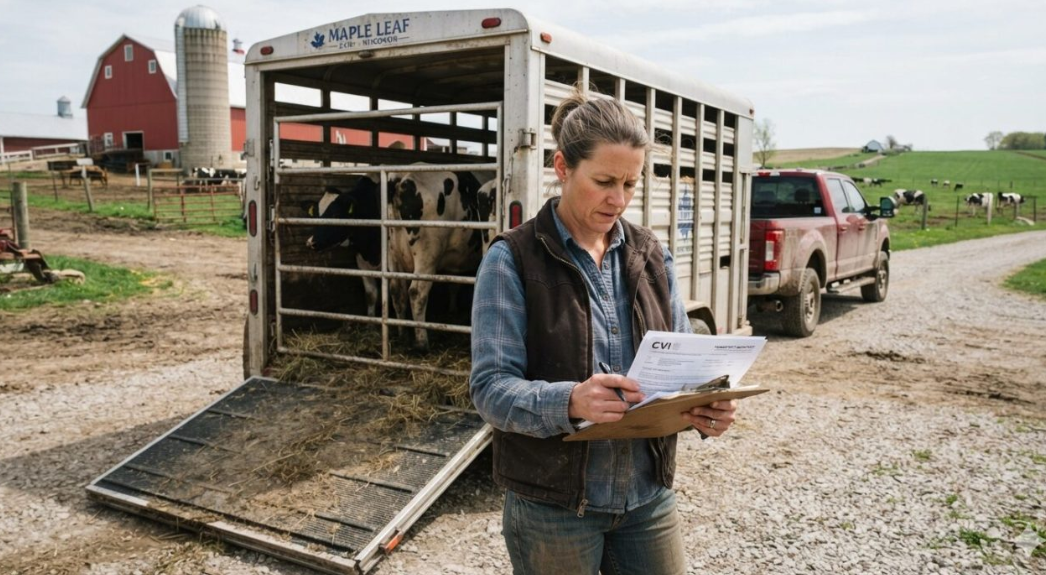
Wisconsin is tightening import requirements for livestock and warm-blooded animals to block the destructive New World Screwworm (NWS) from entering local farms. This swift defense responds directly to federal containment efforts in Texas and New Mexico, where the parasite has recently re-emerged. Because Wisconsin regularly imports animals from southern states, routine livestock movement poses a high risk for introducing the pest. Therefore, the Wisconsin Department of Agriculture, Trade and Consumer Protection (DATCP) issued a temporary order adding strict health mandates. The order takes effect Tuesday, July 21, and remains active until the state veterinarian lifts it.


This parasitic fly presents a unique threat because its larvae feed on the living tissue of warm-blooded animals, unlike common maggots that consume dead tissue. Consequently, the larvae invade healthy flesh through open wounds, causing severe and potentially fatal infections in livestock, pets, wildlife, and humans.

DATCP Resources on New World Screwworm

Check out these online resources to help stay aware and ahead of New World Screwworm (NWS).


New World Screwworm (Cochliomyia hominivorax/NWS) is a parasitic fly whose larvae feed on living tissue. After being eradicated from the U.S. in 1966, NWS has re‑emerged in Central America and Mexico. According to the U.S. Department of Agriculture (USDA), NWS has been detecte​d in​ the U.S. and in animals near the U.S.-Mexico border. USDA is working with affected states to respond with sterile fly releases, surveillance, and movement controls. At this time, NWS has not been detected in Wisconsin. 


See Links Below:


Wildfire Smoke Makes Fieldwork Difficult

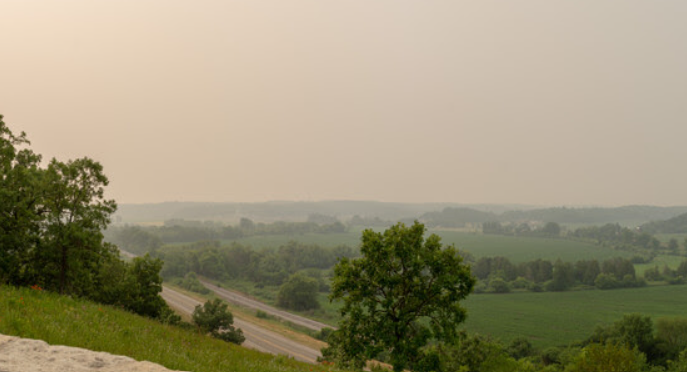
Wisconsin had 6.6 days suitable for fieldwork statewide for the week ending July 19, according to the USDA’s National Agricultural Statistics Service. Wildfire smoke blanketed the state for several days, making outdoor work difficult. Crops are starting to show stress due to the lack of recent precipitation in many parts of the State.

Topsoil moisture condition rated 5 percent very short, 15 percent short, 75 percent adequate, and 5 percent surplus. Subsoil moisture condition rated 4 percent very short, 15 percent short, 75 percent adequate, and 6 percent surplus.


Corn silking was 23 percent complete compared to the 5-year average of 26 percent. Corn condition was 79 percent good to excellent, down 4 percentage points from last week. Soybeans were 62 percent blooming compared to the average of 54 percent. Sixteen percent of soybeans were setting pods. Soybean condition was 74 percent good to excellent, down 4 percentage points from last week.


Oats were 94 percent headed. Oats were 70 percent coloring compared to the average of 66 percent. Oats were 10 percent harvested. Oat condition was rated 80 percent good to excellent, unchanged from last week. Winter wheat was 96 percent coloring. Winter wheat was 29 percent harvested compared to the average of 19 percent. Winter wheat condition was 81 percent good to excellent, unchanged from last week.


The second cutting of alfalfa hay was 86 percent complete compared to the average of 82 percent. The third cutting of alfalfa hay was 12 percent complete.


USDA Feral Swine Program Commits $35 Million Toward Grants to Protect American Farmland

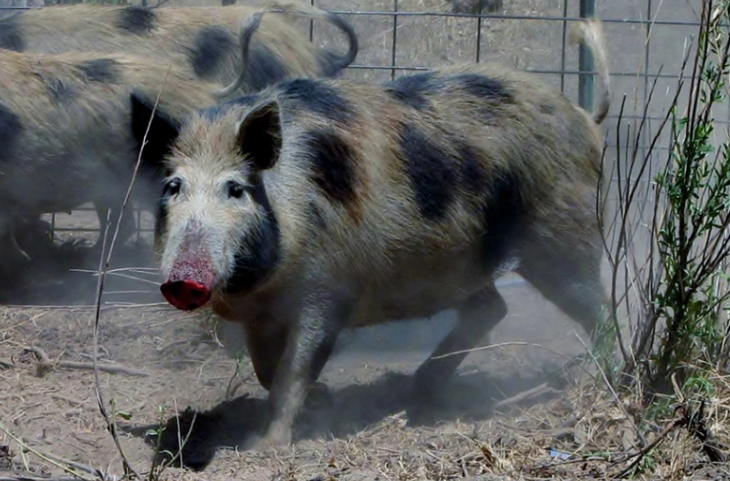
USDA is fighting back against the negative impact of feral swine in the U.S. by making $35 million available for partnerships to protect American agriculture, landscapes and human and livestock health from these pests.


This is just a part of a broader $105 million investment for the Feral Swine Eradication and Control Pilot Program led by USDA’s Natural Resources Conservation Service (NRCS) and USDA’s Animal and Plant Health Inspection Service (APHIS). The Working Families Tax Cuts Act delivers the largest long-term investment in NRCS conservation programs in decades, USDA notes, including support for this program. The legislation extends the program for another five years with a $105 million total investment split between NRCS and APHIS.


“We are collaborating with our partners at USDA and across the country to help combat feral swine and keep our farms, ranches and landscapes safe,” NRCS Chief Colton L. Buckley says in a release. “These invasive species cause more than $3.4 billion in damage each year, including damage to agricultural landscapes. Thanks to the Working Families Tax Cuts Act, NRCS is able to expand this effort, giving producers and partners more resources to protect working lands and strengthen the long-term resilience of agricultural operations.”


Anaplasmosis vs. Theileriosis: What Cattle Producers Really Need to Know

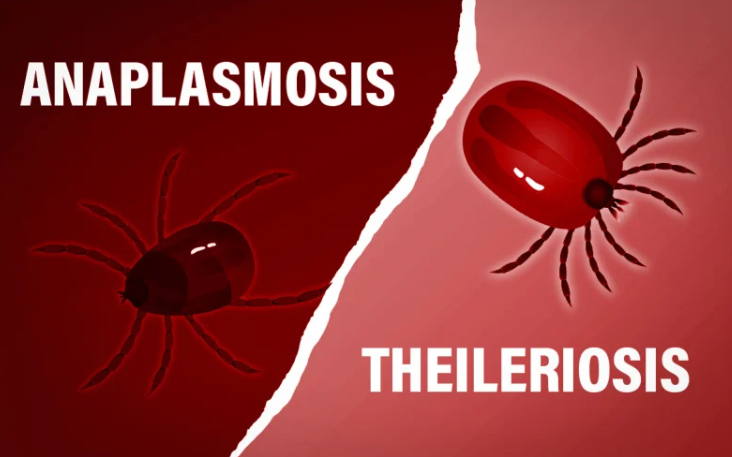
For decades, anaplasmosis was the tick-borne disease cattle producers in the South and Midwest learned to watch for every summer. Now a second, newer disease is moving into the same pastures — and it can look almost exactly the same from the chute.

Bovine theileriosis, caused by the protozoan Theileria orientalis Ikeda, was first identified in U.S. cattle in a Virginia cow-calf herd in 2017. Since then it has spread by the Asian longhorned tick, an invasive species now confirmed in more than 25 states. As that tick’s range grows, veterinarians and diagnostic labs are increasingly fielding cases that look like classic anaplasmosis but test negative — or positive for both diseases at once.

When a mature cow goes off feed, turns lethargic and shows signs of anemia, most producers in endemic areas immediately think anaplasmosis. Dr. Craig Payne, University of Missouri director of veterinary extension and continuing education, says the challenge is that “these diseases behave very similar, at least in terms of the clinical signs that you will see,” and “the only way that you’re going to know the difference between the two is through diagnostic tests using the PCR.”


ENJOY 10% OFF!
 

Become a WLIC Individual Member and receive a 10% discount on all eartags purchases through the WLIC Online Store.

Trivia:


July 14-16 WLIC was able to attend the Wisconsin Farm Tech Days. How many people on average attend this event yearly?


Answer:

Wisconsin Farm Technology Days averages 45,000 to 52,000 total attendees over the course of three days. That’s a daily average of about 15,000 to 20,000 visitors!


Have you renewed your livestock premises yet?

Renew today here!


Total premises

renewed in 2026:

2,318

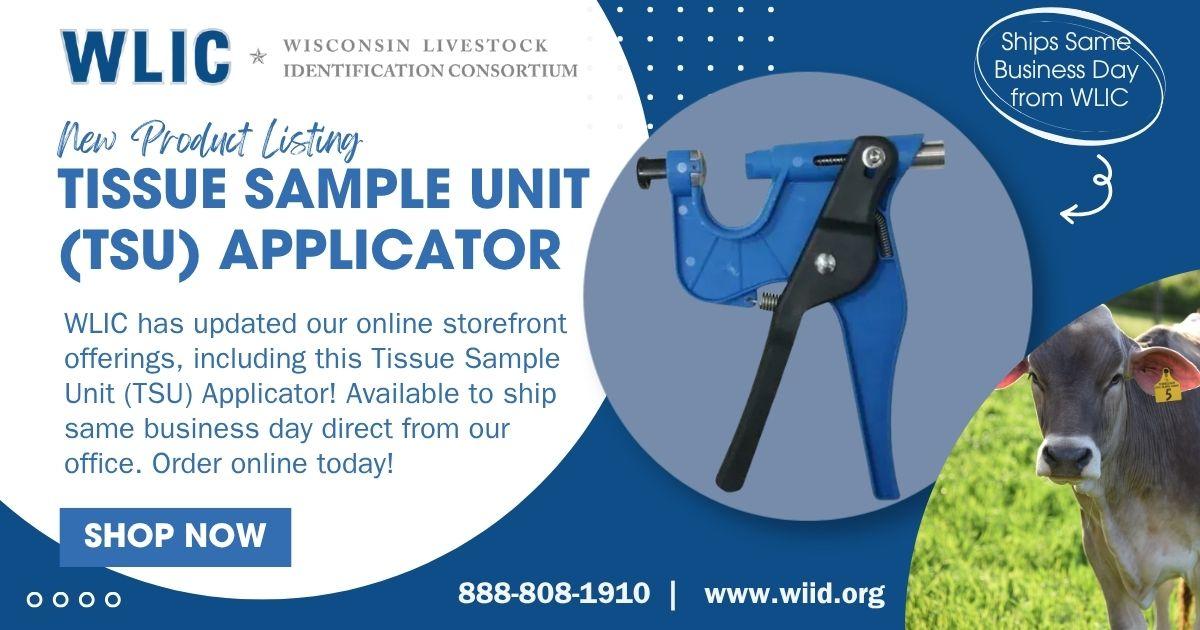
WLIC online offers tags, readers, taggers, and more to help you fit your production needs.


Upcoming Events:

July 28-29 - UW Extension Learn Mental Health First Aid


August 6-16 - Wisconsin State Fair

WLIC Members
Being a small non-profit, WLIC relies on memberships and sponsorships to further academic programs and events to educate on livestock traceability, identification, and premises ID. We sincerely thank our Industry and Individual partners for their continuous support of WLIC.
Gold
 
Dairy Farmers of Wisconsin (DFW)

Professional Dairy Producers of Wisconsin (PDPW)

 
Silver & Bronze
 
 
Allflex Livestock Intelligence
Compeer Financial


Equity Cooperative Livestock Sales Association


Corporate Plus
 

AgCountry Farm Credit Services

FarmFirst Dairy Cooperative

Johnsonville Sausage LLC

Nicolet National Bank

Semex USA

Wisconsin Beef Council


Wisconsin Cattlemen's Association

Wisconsin Farm Bureau Federation

Wisconsin Pork Association

Wisconsin Veterinary Medical Association

World Dairy Expo

Like Wisconsin Livestock Identification Consortium on Facebook!

WLIC | Toll-Free: 88Like8-808-1910 | Fax: 608-848-4702 | jlegge@wiid.org | www.wiid.org

Facebook  Linkedin