|
DATCP Resources on New World Screwworm
Check out these online resources to help stay aware and ahead of New World Screwworm (NWS).
New World Screwworm (Cochliomyia hominivorax/NWS) is a parasitic fly whose larvae feed on living tissue. After being eradicated from the U.S. in 1966, NWS has re‑emerged in Central America and Mexico. According to the U.S. Department of Agriculture (USDA), NWS has been detected in the U.S. and in animals near the U.S.-Mexico border. USDA is working with affected states to respond with sterile fly releases, surveillance, and movement controls. At this time, NWS has not been detected in Wisconsin.
See Links Below:
| | |
How 100% inspections regulate Mexican cattle exports to US | |
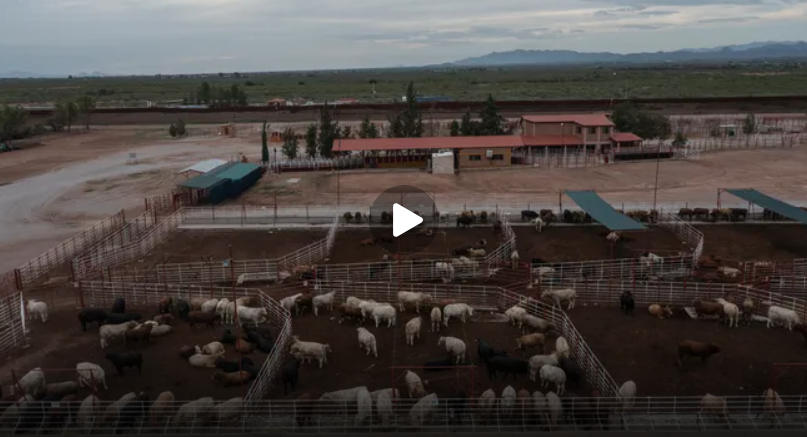
The Borderland's cattle industry is keeping a close eye on the resumption of cattle exports from Mexico. The key port of Santa Teresa — the nation's leading livestock port — is next in line to reopen in 30 days if everything goes to plan.
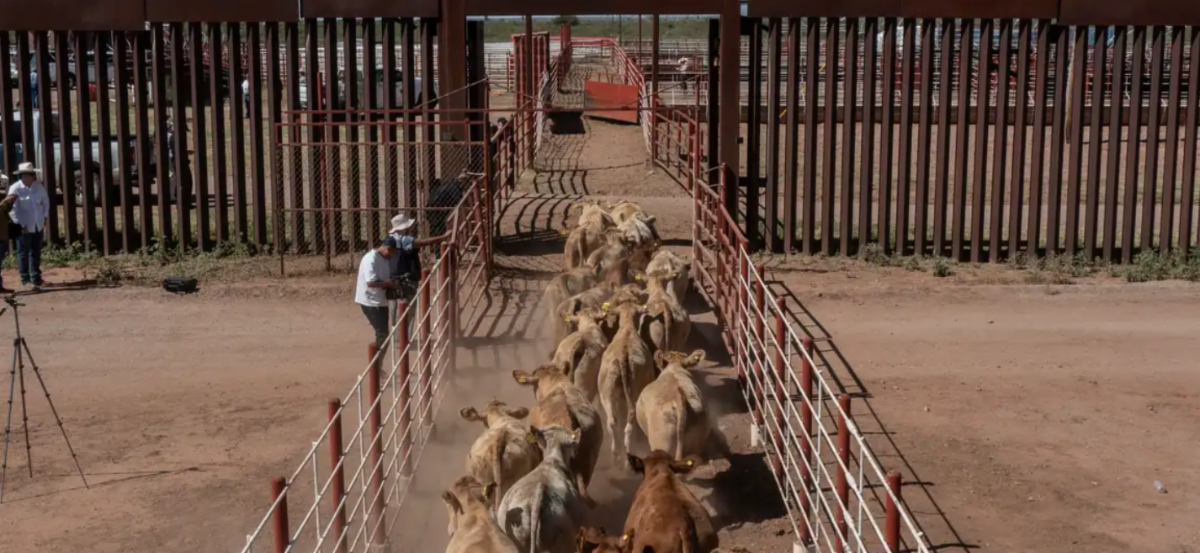
Earlier in the day at the Douglas, Arizona crossing, U.S. Border and Customs Protection agents opened the massive, rusted cattle gate that led to corrals on the U.S. side of the border. The iron door creaked and cracked as it opened, exposing cobwebs on the inside of the frame — a testament to how long it had been locked down.
A Mexican customs agent arrived shortly before 3:15 p.m. MST/4:15 p.m. CST to open the chains connecting the two corrals.
There were 719 head of live cattle exported in the early afternoon on Monday, Aug. 24, as Mexico renewed exporting cattle. These exports were paused because of the spread of the parasitic New World Screwworm fly across Mexico and Central America.
Prior to the May 2025 shutdown, Mexico was exporting over 1 million head of cattle annually. Exports plummeted from 1.2 million head of cattle in 2024 to 229,055 in 2025, according to USDA data.
The renewal of exports comes as the Trump administration seeks to ease high beef prices in the U.S. The export also comes as the U.S. cattle herds are at the lowest levels in the last 75 years, according to a USDA report.
The Texas & Southwest Cattle Raisers Association expressed its support for the reopening of exports to Mexico, thanking U.S. Secretary of Agriculture Brooke L. Rollins for her work in opening exports. But they called for the border crossings to be closed again if any of the monitoring systems detect the New World screwworm.
| |
USDA to Purchase $27 Million in Pork Products for Schools, Food Banks | |
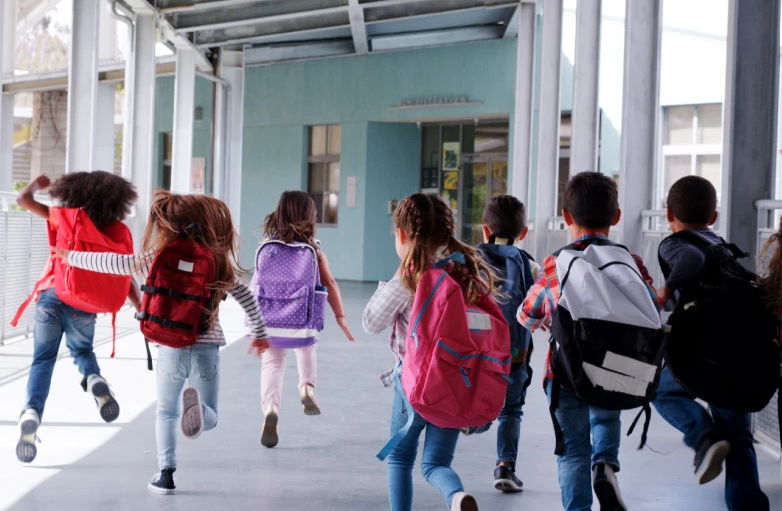
USDA announced its intent to purchase $27 million in pork products as part of a $156-million-purchase of agricultural commodities under Section 32 of the Agricultural Adjustment Act of 1935 from American farmers and producers to distribute to schools and food banks and across the country.
Section 32 authorizes the Secretary of Agriculture to make commodity purchases, entitlement purchases and disaster assistance — using funds appropriated annually from U.S. customs receipts — to encourage the continued domestic consumption of products. USDA annually buys pork and other commodities for federal food programs, including school breakfast and lunch programs.
USDA AMS will purchase $156 million of the following commodities:
Canned Peaches: $4 million
Concord Grape Juice: $20 million
Fresh Mandarins: $25 million
Pork Products: $27 million
Prunes: $5 million
Raisins: $25 million
Walnuts: $30 million
Wild-Caught Shrimp: $20 million
“USDA Agricultural Marketing Service (AMS) continuously purchases a variety of domestically produced and processed agricultural products,” USDA says. “These ‘USDA Foods’ are provided to USDA’s Food and Nutrition Administration (FNA) nutrition assistance programs, including food banks that operate The National School Lunch Program and The Emergency Food Assistance Program (TEFAP), and are a vital component of the nation’s food safety net.”
| |
Record $1-Billion Activist Funding Fuels Rising Physical Security Threats to U.S. Farmers | |
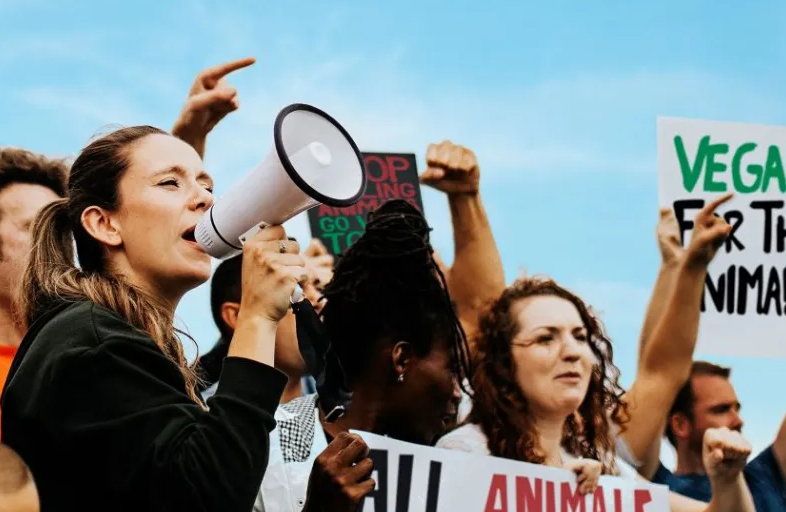
The animal rights activist movement continues to grow in financial strength, in increased coordination around federal policy and in ongoing extremist activity targeting the food supply chain. The Animal Agriculture Alliance‘s recent updates to its two flagship reports highlight the funding, connections and key players within the animal rights activist movement in the U.S.
The American Meat Producers Association (AMPA) and the International Council for Animal Welfare (ICAW) are two of the new additions to the Major Animal Activist Groups Web, which includes the most active and/or extreme groups involved with or connected to animal rights and highlights the strategic, interconnected nature of the animal rights activist movement, says Abby Kornegay, director, issues and engagement at the Animal Agriculture Alliance.
“Both organizations are heavily connected to well-known animal activist groups through current and former staff,” Kornegay explains. “AMPA, recently founded in 2025 with a focus on policy, has been a main driver in opposition to language in the 2026 Farm Bill draft supporting modern pork production. Leadership at AMPA has close ties to Humane World for Animals, formerly the Humane Society of the United States, while ICAW staff have previous connections to organizations including The Humane League and Mercy For Animals.
| | |
SPECIAL FEATURES, including from many WLIC members:
| |
| |
Become a WLIC Individual Member and receive a 10% discount on all eartags purchases through the WLIC Online Store. | | | |
Being a small non-profit, WLIC relies on memberships and sponsorships to further academic programs and events to educate on livestock traceability, identification, and premises ID. We sincerely thank our Industry and Individual partners for their continuous support of WLIC. | | |
Dairy Farmers of Wisconsin (DFW)
| |  |
Professional Dairy Producers of Wisconsin (PDPW)
| | |
Allflex Livestock Intelligence | | | |
Equity Cooperative Livestock Sales Association | | | |
|
AgCountry Farm Credit Services
FarmFirst Dairy Cooperative
Johnsonville Sausage LLC
Nicolet National Bank
Semex USA
Wisconsin Beef Council
| | |
|
Wisconsin Cattlemen's Association
Wisconsin Farm Bureau Federation
Wisconsin Pork Association
Wisconsin Veterinary Medical Association
World Dairy Expo
| | WLIC | Toll-Free: 88Like8-808-1910 | Fax: 608-848-4702 | jlegge@wiid.org | www.wiid.org | | | | |