|
DATCP Resources on New World Screwworm
Check out these online resources to help stay aware and ahead of New World Screwworm (NWS).
New World Screwworm (Cochliomyia hominivorax/NWS) is a parasitic fly whose larvae feed on living tissue. After being eradicated from the U.S. in 1966, NWS has re‑emerged in Central America and Mexico. According to the U.S. Department of Agriculture (USDA), NWS has been detected in the U.S. and in animals near the U.S.-Mexico border. USDA is working with affected states to respond with sterile fly releases, surveillance, and movement controls. At this time, NWS has not been detected in Wisconsin.
See Links Below:
| | |
Wisconsin’s First 2026 Case of Equine Encephalitis Confirmed | |
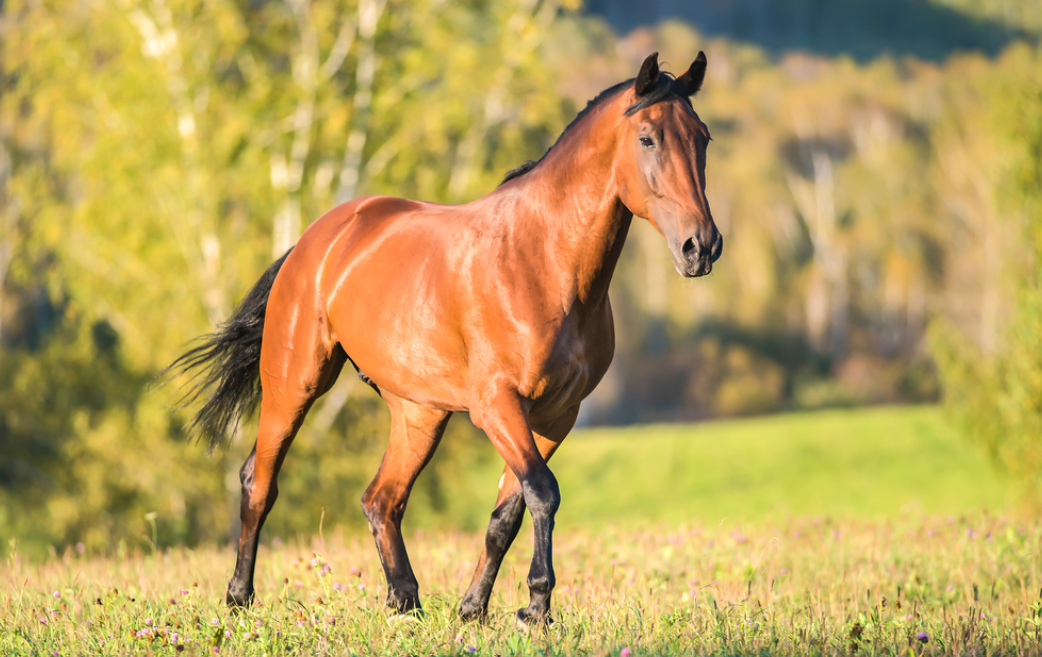
A 4-year-old mare in Portage County is Wisconsin’s first confirmed equine case of Eastern Equine Encephalitis (EEE) this year. In response, the Wisconsin Department of Agriculture, Trade and Consumer Protection (DATCP) urges horse owners to vaccinate their animals immediately.
Last year, DATCP documented only one EEE case in horses. Residents can view an online map of the 2025 arbovirus cases on the DATCP website.
Symptoms and Risks EEE and West Nile Virus (WNV) cause encephalitis, an inflammation of the brain. Symptoms of EEE in horses include altered mentation, impaired vision, head pressing, circling, inability to swallow, lack of coordination, and seizures. Owners often find sick horses on the ground, unable to stand. The virus is fatal in most horses that show signs of illness. Equine owners must contact a veterinarian immediately if they observe these symptoms.
Transmission Mosquitoes pass the EEE virus from birds to both humans and horses. The virus does not pass directly between horses and humans; a mosquito bite is the only route of transmission. The threat peaks when mosquitoes are most active, typically from mid-summer until the first hard frost. This positive case confirms that EEE-infected mosquitoes are currently active in Wisconsin.
| |
Horse Smuggling Exposes Cracks in US Defenses Against Screwworm | |
When sheriff’s deputies intercepted a trailer carrying six horses near the border town of Redford, Texas, they uncovered more than a livestock violation. The animals had crossed the Rio Grande illegally from Mexico through a shadowy smuggling network, bypassing the veterinary inspections, health certifications and quarantine measures that the U.S. requires for livestock.
Smuggled animals are coming into focus as possible hosts for New World screwworm. The flesh-eating parasite began infesting U.S. cattle in June despite efforts to halt the spread, such as a U.S. ban of more than a year on Mexican livestock, a team of government inspectors on horseback and a swarm of sterile flies.
The horses caught near Redford in late May were not infested, but the case highlights a little-enforced part of the U.S. response to the threat. As U.S. authorities restricted cattle imports and disrupted billions of dollars in trade to contain the fly, a cartel-linked trade in horses and other animals continued moving through remote stretches of the border.
For more than a year, U.S. officials have argued that illegal livestock trafficking from Central America helped carry screwworm north. But Reuters found illicit animal movements have also persisted along parts of the U.S.-Mexico border, often taking the same routes used to smuggle drugs and people...
| |
Shamonda-Like Virus Spreads Across European Livestock | |
Two genetically distinct Shamonda-like viruses are now circulating among European livestock, weeks after researchers identified a previously unrecognized virus in dairy cattle with fever, diarrhea and sharp drops in milk production. Infections have now been reported in six European countries and neighboring Liechtenstein, with researchers investigating whether infection during pregnancy can cause abortions or congenital disease.
The full scale of the outbreak is difficult to quantify. Shamonda-like virus is not subject to uniform mandatory reporting across Europe, and countries are using different surveillance and testing strategies. In Germany’s Baden-Württemberg, 281 cattle operations have tested positive as of Sept. 8, while Switzerland had detected infections in 22 cantons and France had reported confirmed outbreaks in 22 departments by the end of August.
In June 2026, veterinarians began investigating acute fever, diarrhea, lethargy and marked reductions in milk production in dairy cattle in eastern France. Initial reports came from the Doubs and Ain departments, followed by similar cases elsewhere in the region.
| | |
SPECIAL FEATURES, including from many WLIC members:
| |
| |
Become a WLIC Individual Member and receive a 10% discount on all eartags purchases through the WLIC Online Store. | | | |
Being a small non-profit, WLIC relies on memberships and sponsorships to further academic programs and events to educate on livestock traceability, identification, and premises ID. We sincerely thank our Industry and Individual partners for their continuous support of WLIC. | | |
Dairy Farmers of Wisconsin (DFW)
| |  |
Professional Dairy Producers of Wisconsin (PDPW)
| | |
Allflex Livestock Intelligence | | | |
Equity Cooperative Livestock Sales Association | | | |
|
AgCountry Farm Credit Services
FarmFirst Dairy Cooperative
Johnsonville Sausage LLC
Nicolet National Bank
Semex USA
Wisconsin Beef Council
| | |
|
Wisconsin Cattlemen's Association
Wisconsin Farm Bureau Federation
Wisconsin Pork Association
Wisconsin Veterinary Medical Association
World Dairy Expo
| | WLIC | Toll-Free: 88Like8-808-1910 | Fax: 608-848-4702 | jlegge@wiid.org | www.wiid.org | | | | |