|
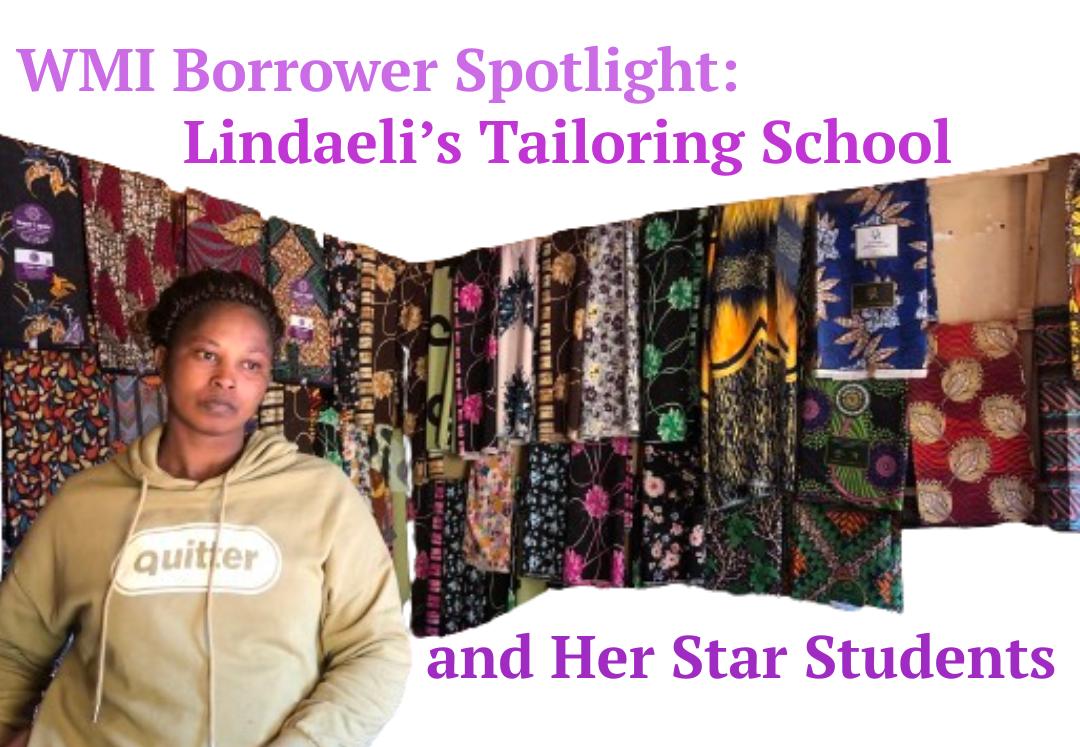
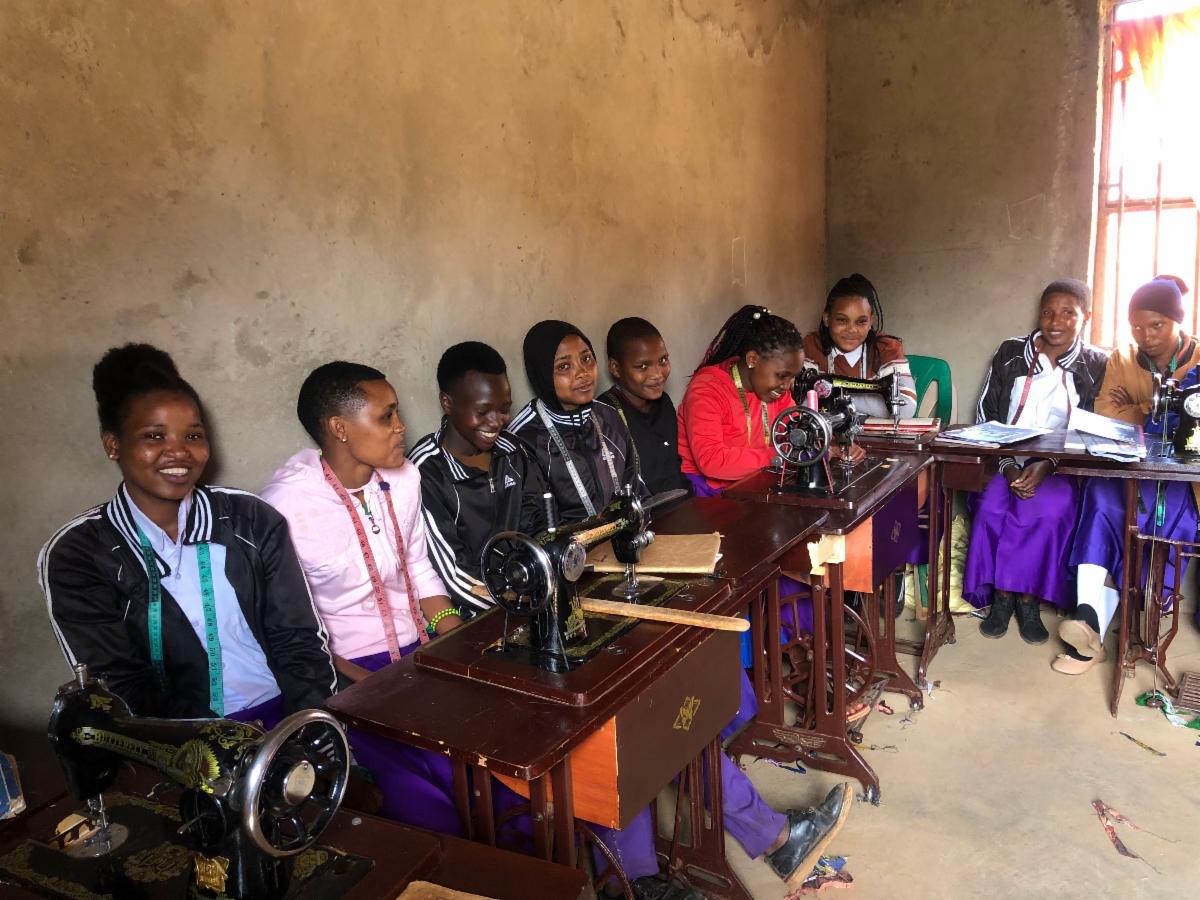
In the northern Tanzanian district of Karatu, just a few miles from the the Ngorongoro crater, the steady clatter of sewing machines fills Lindaeli Samweli’s workshop. Bolts of vitenge - the vibrant patterned fabric worn across East Africa - are stacked against the wall of Lindaeli’s house. Young women sit positioned around the room at their own sewing machines, following instructions that Lindaeli calls out between stitches. Next door, construction is underway on new classrooms that will one day host more students. On any given morning, Lindaeli is a tailor, a shopkeeper, and a teacher - often all three in the same hour.
In 2018, Lindaeli joined Ganako Women's Community Organization (GWOCO), WMI’s local partner in northern Tanzania. GWOCO operates in Endabash, a village in the Karatu district, supported by WMI and its long-time mentor, the NGO Maasai Partners. By leveraging WMI loans and business training, Lindaeli transformed her small training class into a popular trade school. Today, her business, known as Jayuzamu Tailoring School, has become a major source of practical skills and economic opportunity for young people in Endabash and surrounding villages.
How did such remarkable growth happen in less than a decade? The groundwork for Lindaeli’s tailoring school was laid a year before she joined WMI. A skilled local tailor herself, Lindaeli started offering free sewing lessons to interested girls in her village (eventually training over 100 of them). She and her husband saw the potential and used personal funds to rent a training space and buy supplies, a significant commitment to start a small family business.
| | |
|
Joining WMI provided Lindaeli with the financial support and business knowledge to improve her operations. Access to low-interest loans helped to cover training space and supply costs, while WMI training in financial literacy, marketing, and business planning gave her the tools to make informed business decisions. Lindaeli eventually introduced a small fee, around $11, which covered an individual student’s entire training program and generated a steady revenue stream to support her own household.
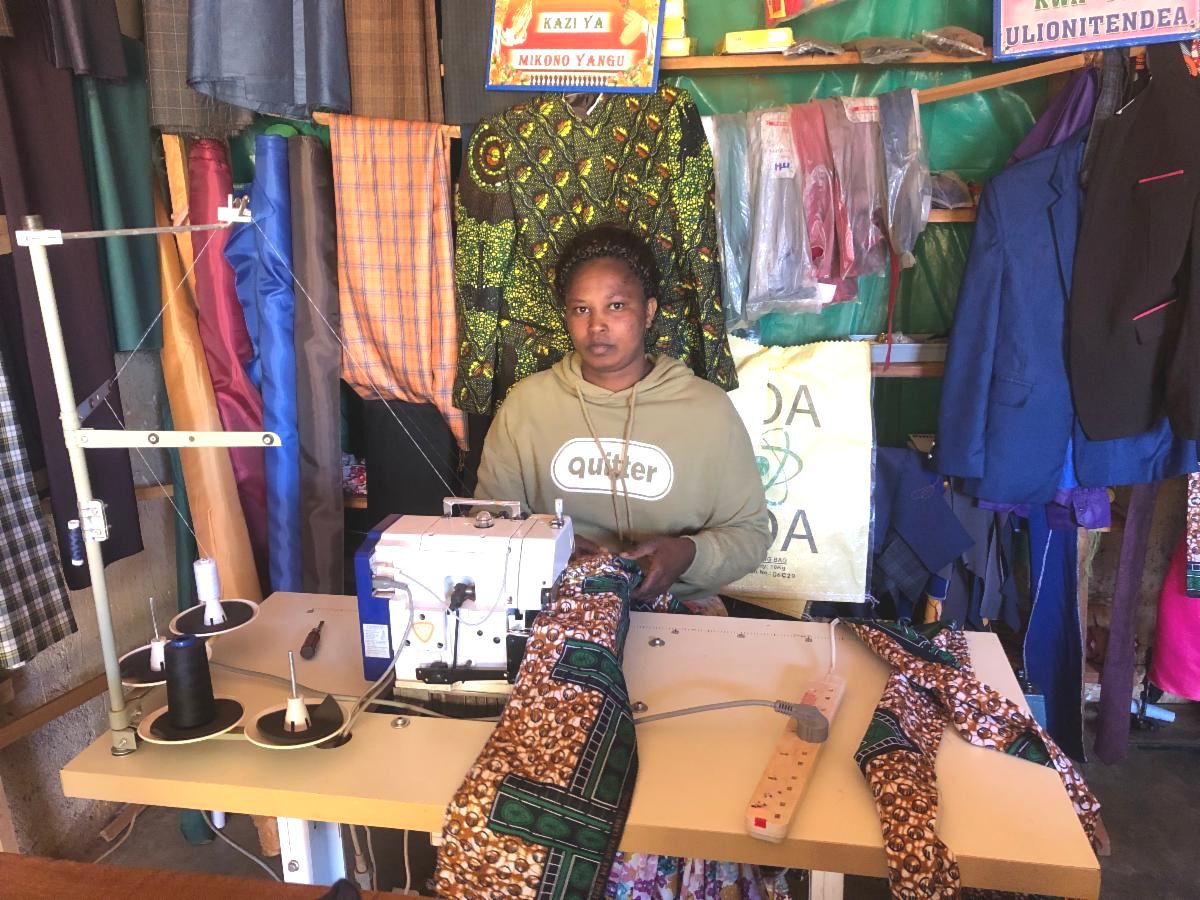
Lindaeli also began to invest in better technology. She bought an overlock sewing machine which improved the quality and speed of her own clothing production. The new technology also introduced a second source of income. Nearby tailors began to pay a small fee (less than $1) to use her hi-tech sewing machine for their own orders.
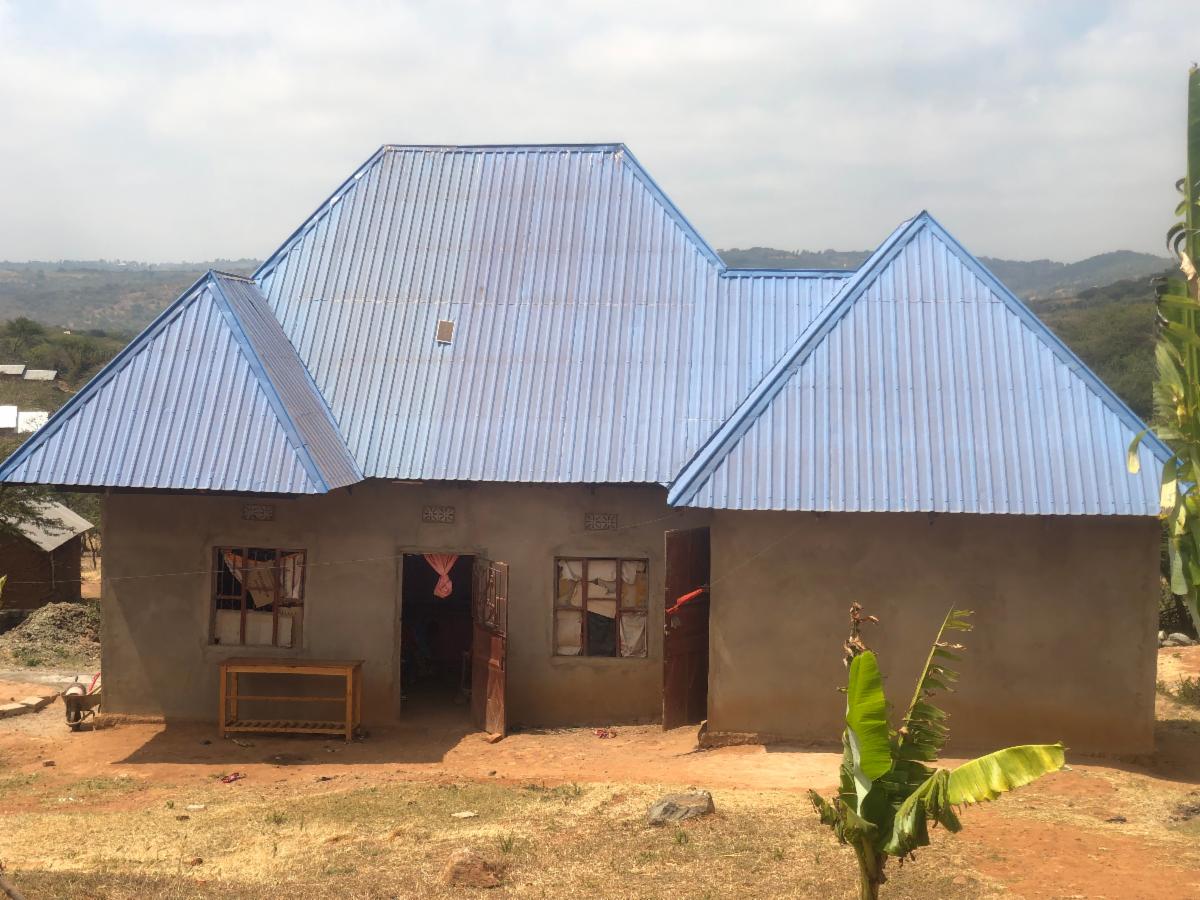
Over time, Lindaeli’s school has also grown in students and square footage. Her living room serves as a classroom for theory lessons, while another room holds the machines for hands-on training. Lindaeli is still focused on expanding. During the COVID-19 pandemic, Lindaeli adapted quickly by shifting production toward face masks. The profits enabled her to purchase a second plot of land next to her home, where two classrooms are currently being built.
Now, Jayuzamu Tailoring School offers an 18-month program at $60 per pupil, with 35 students currently enrolled. Students whose families cannot afford the fee continue training for free, a policy that has remained in place since her doors opened. Graduates who pass both the theory and practical exams receive certificates that have helped many find work in garment factories, while others have used their training to open tailoring businesses of their own.
The ultimate reach of Lindaeli’s work is best illustrated in the independent journeys of her former students, like Lucia and Maria, both of whom received free training when their families could not afford even the small tuition fee.
Lucia completed her training at Jayuzamu Training School at age 24. Recognizing her skill and work ethic, Lindaeli hired Lucia to work at her shop. As Lindaeli’s employee, Lucia earned enough money to open her own business just two years after graduating from the training school. Now 31 years old, Lucia runs a thriving tailoring business - the profits cover rent, equipment, and household expenses for her two sons.
Lucia also contributes to a local savings group. Grateful for the free training provided to their daughter, Lucia’s parents showed their appreciation as soon as they were able by contributing funds toward the construction of the school's new building and purchasing a workshop chair for Lindaeli’s trainees. Lindaeli has inspired Lucia to follow in her footsteps - Lucia hopes to teach young people practical skills and contribute to another generation of self-reliant women.
Maria graduated from Lindaeli’s training school at age 26. Although her family was unable to pay tuition, Maria’s parents supported their daughter’s dream by finding fabrics she could use for her practical lessons. Upon graduating, Maria began working for another tailoring shop. Facing low customer demand, saving money was a challenge for Maria. However, Maria remained patient and committed and finally, five years later, opened her own tailoring business. Though she was able to pay rent for her workspace, Maria still struggled to save enough money to purchase a sewing machine. Staying connected with her former student, Lindaeli lent Maria a machine until she was able to purchase her own. Lindaeli also offers Maria temporary work to fulfill large orders when work is slow at Maria’s shop. With income coming from her own business and her work at Lindaeli’s, Maria has been able to support two children as a single mother.
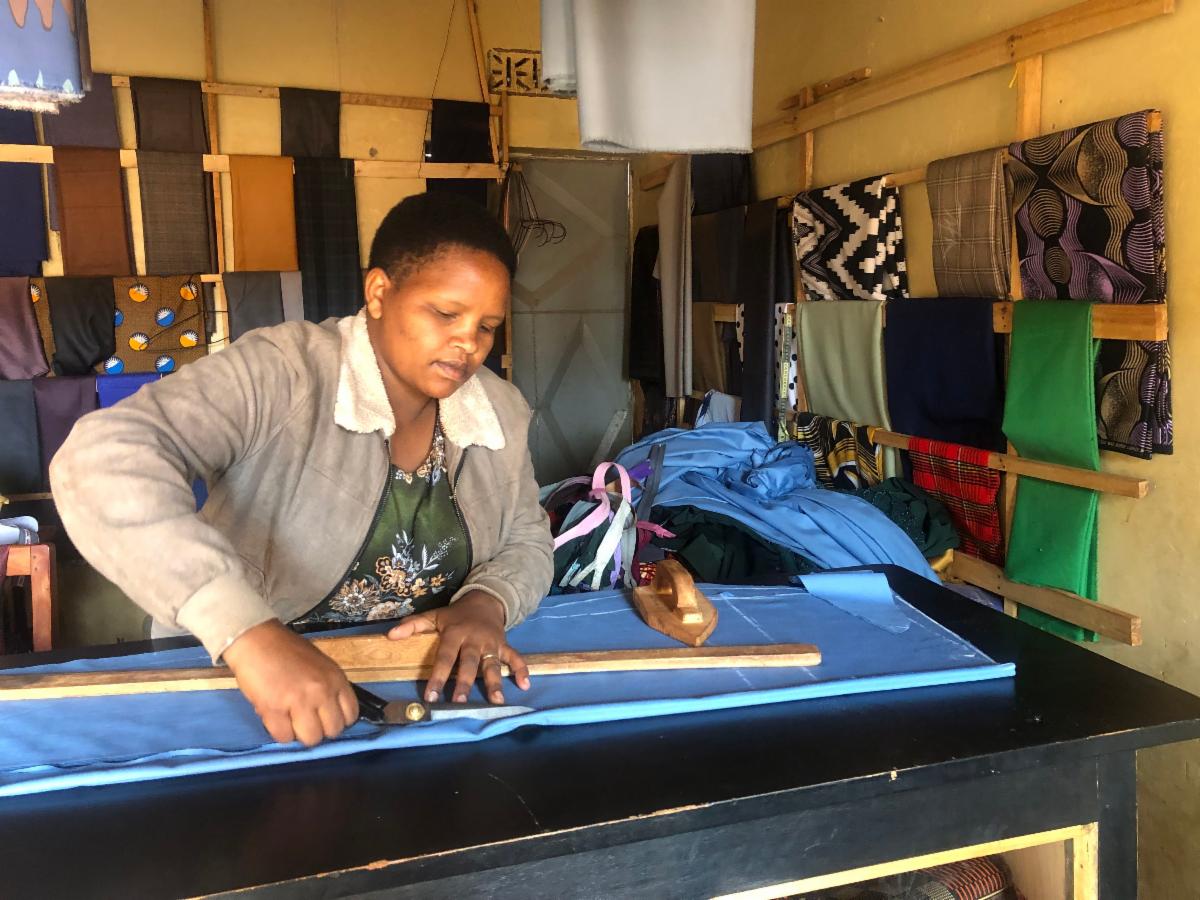
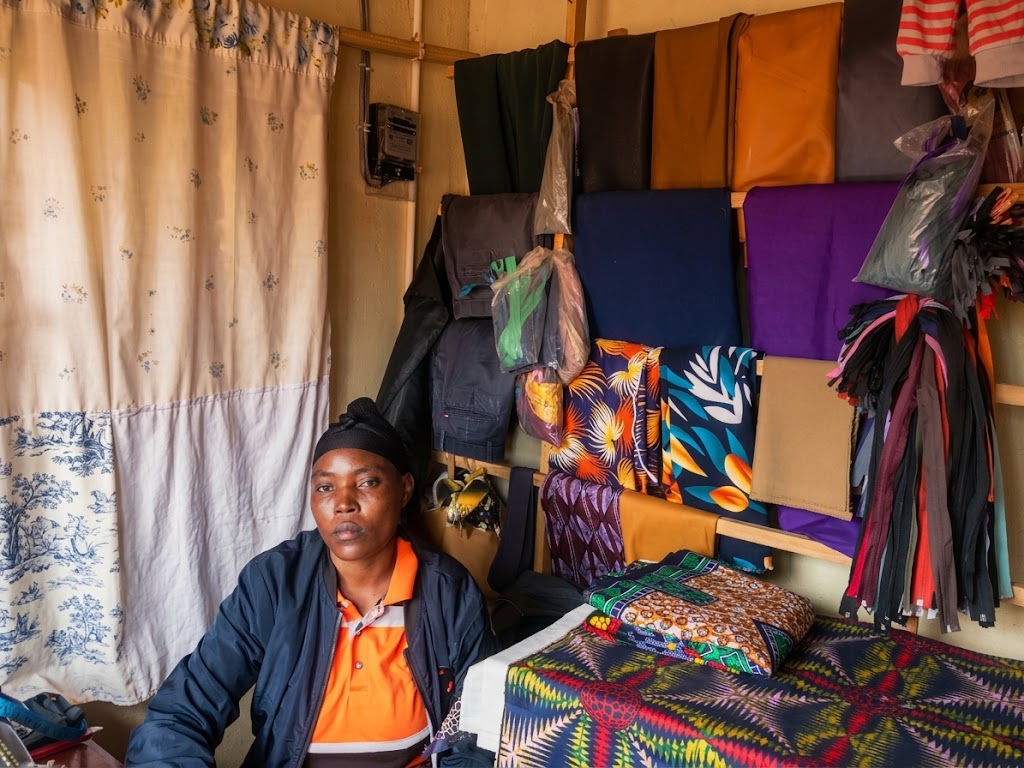
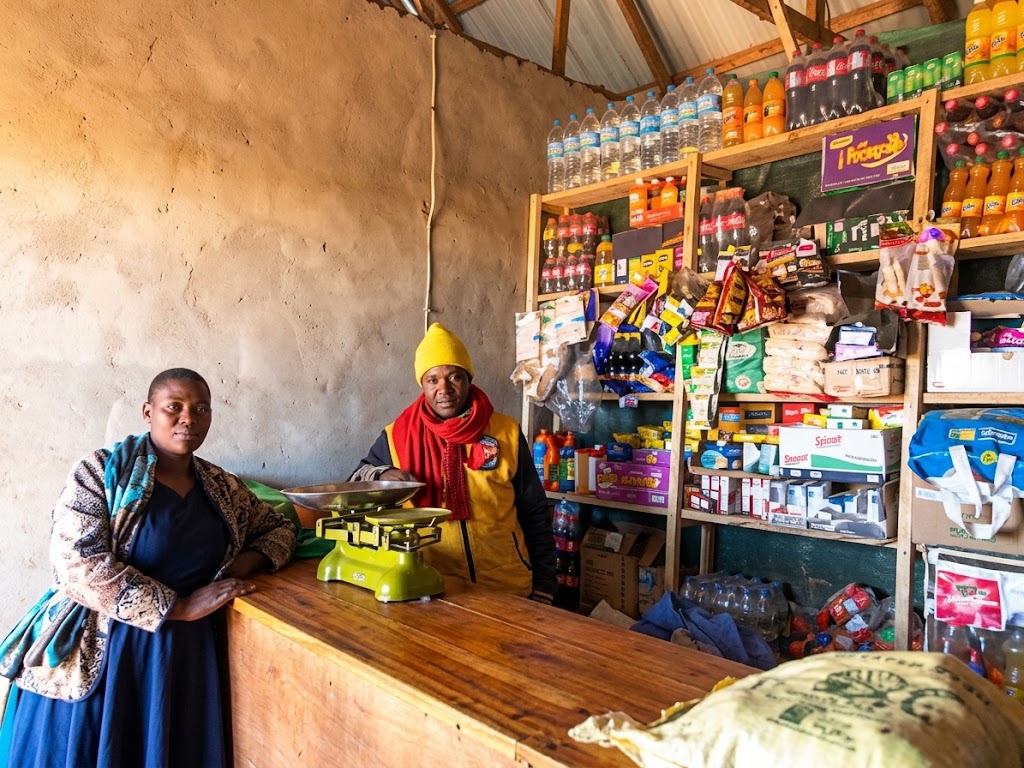
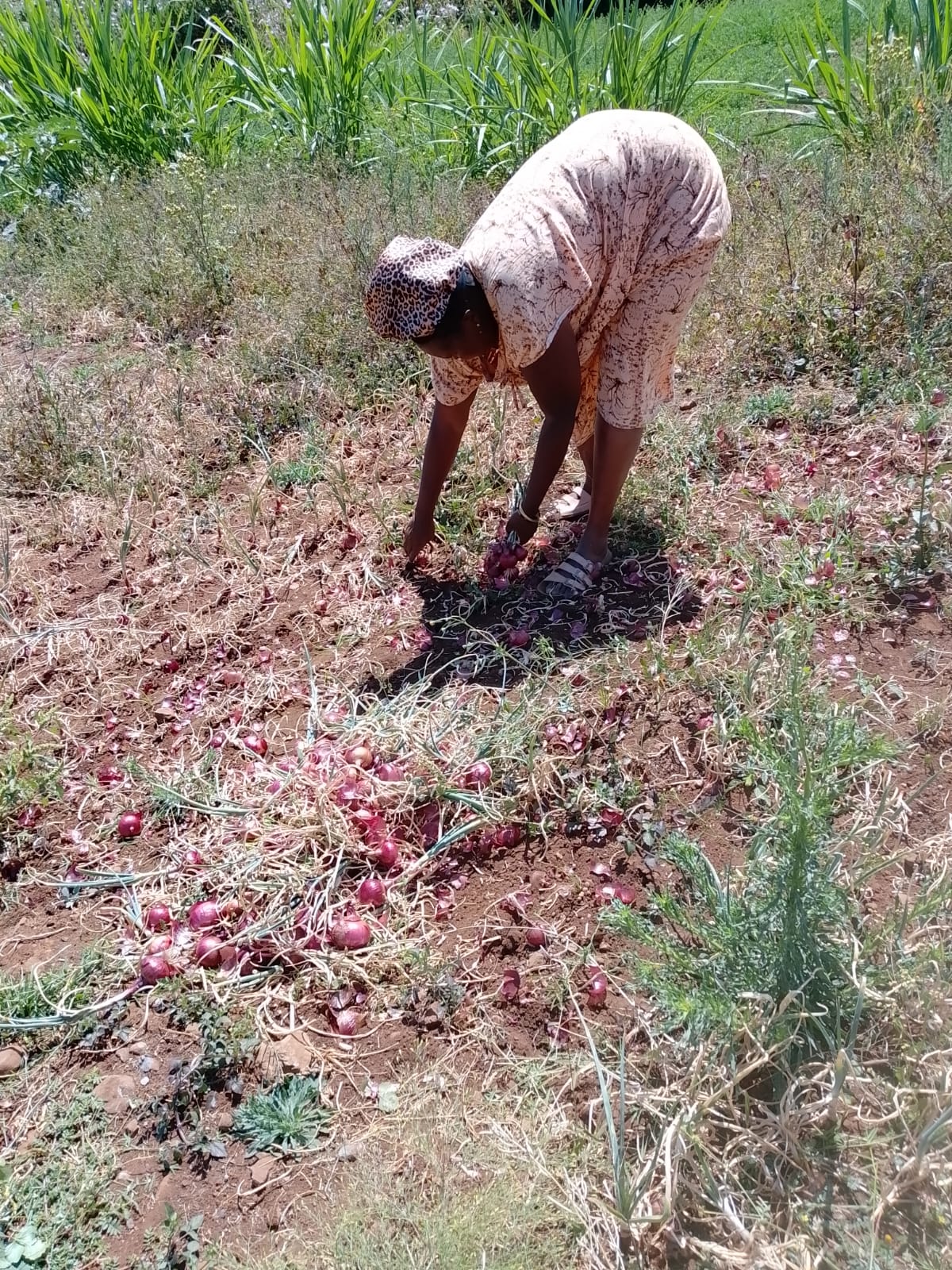
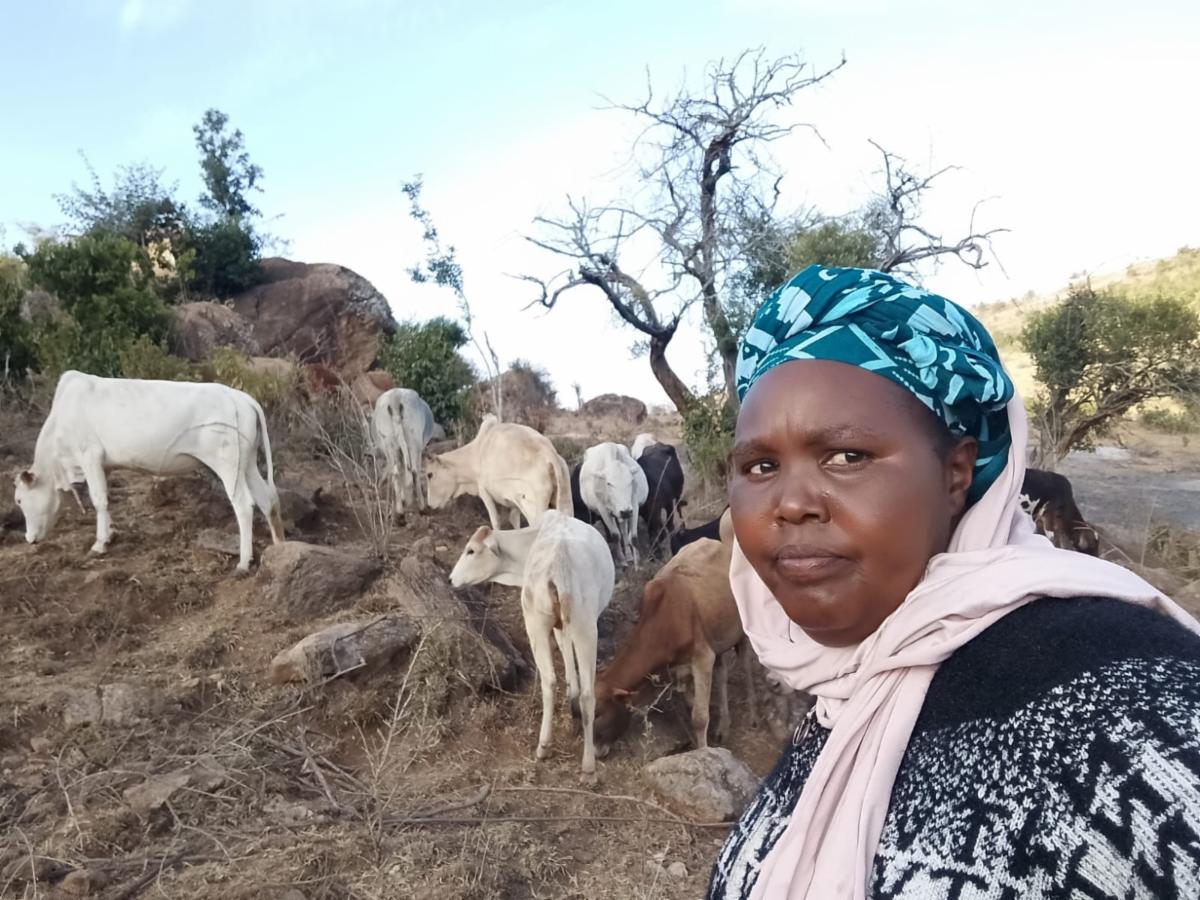
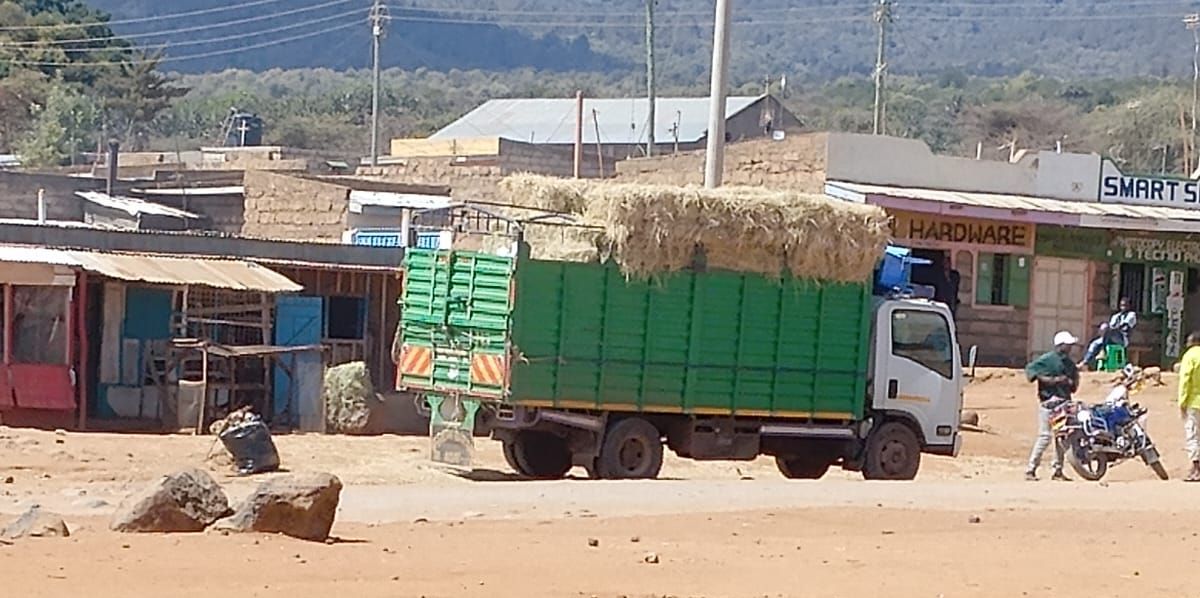
| | Lindaeli working on a piece of clothing using the sewing machine she purchased with her profits. | Lindaeli was able to construct a new home after joining WMI. In a plot of land next to her house, two additional classrooms are under construction. | Lucia fulfilling a recent order at her shop. | Maria in her shop, in front of fabrics she uses to make clothes. | Maria has supported two sons (one pictured above) with her business profits. | | Lindaeli Samweli’s story illustrates the ripple effect of investing in a rural woman. WMI’s support provided Lindaeli with the capital to build a successful business operation, but her success did not end there. By passing on her knowledge, equipment, and resources to non-WMI borrowers in her community, Lindaeli has created a network of women with skills that allow them to support themselves and their families. The women she trains, like Lucia and Maria, become business owners, employers, and mentors themselves, proving that investing in one woman’s vision impacts the lives of so many in the community. | | The current cohort of students enrolled in Jayuzamu Tailoring School's tailoring program. | | In her shamba (garden), a WMI borrower harvests the few onions that survived the drought. | Pamela and her livestock. With grazing lands depleted, they are left eating dry leaves. | Trucks roll into the villages selling hay at inflated prices, knowing families have no choice but to feed their animals. | | |
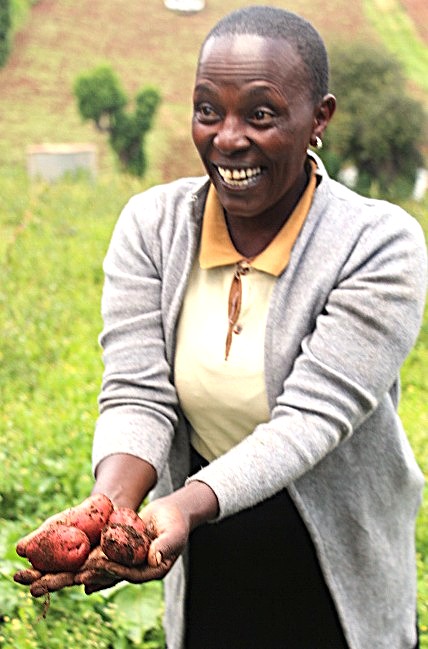
After a summer marked by a severe drought, WMI borrowers in central Kenya are welcoming October rains to revitalize their dried-up land, strained livestock, and slowing business operations.
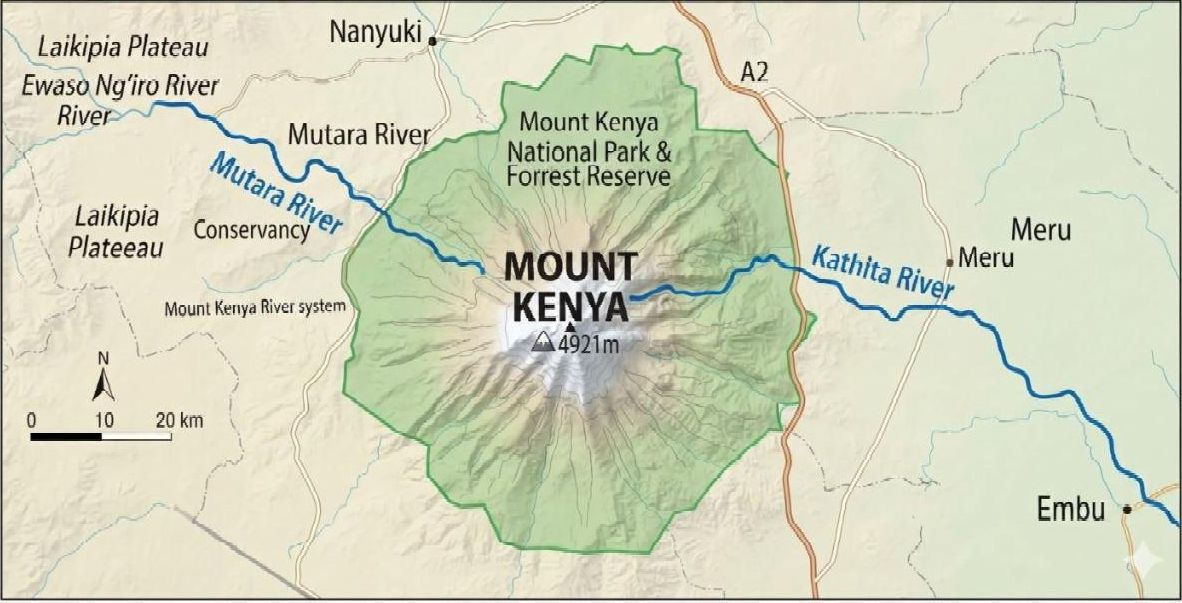
WMI serves over 2,000 businesswomen living in Meru and Laikipia counties, which are very rural, semi-arid regions located on the slopes of Mount Kenya. These neighboring counties sit within the watershed of Mount Kenya and the women farmers there rely on predictable wet and dry seasons. Inconsistent rainfall in historically wet seasons has compounded over time and caused the Kathita and Mutara feeder rivers to dry up by early June 2026. Smaller, local water sources were next to go, triggering a three-month long drought across the region.
The consequences of drought extend beyond just the dry riverbeds. Many WMI borrowers in Central Kenya are Maasai, Samburu, and Meru women, who traditionally rely on livestock and farming for their livelihoods, making their small businesses particularly vulnerable to drought conditions. Crop failure and the cost of feeding livestock cause WMI businesswomen significant financial stress.
Exacerbating the impacts of the drought is the increased amount of time women must spend looking for viable water sources. Pamela, the local loan hub Chairwoman, describes how water scarcity impacts WMI borrowers directly: “Many women have to walk long distances or buy water from vendors. Some depend on wells and a few tanks supplied by the county and other organizations when available. For women running businesses such as small shops, or livestock activities, buying water adds to their cost of living.” As the effects of drought ripple throughout the community, diminishing supply of food and water drive up prices for everyone.
Local loan leaders do all they can to accommodate struggling borrowers. For women who cannot pay their loans on time due to stalled income, loan coordinators allow small payments to be made throughout the month before banking funds. The women in these communities have experienced the effects of cyclical droughts for their entire lives, which is why WMI leaves decision-making on repayment strategies up to the local team. WMI President, Robyn Nietert, explains: “Ultimately, it’s their decision what to do if ladies can’t repay their loans on time…The money cannot be re-lent to other members who want to access loans if it’s not repaid by current borrowers, so they have to figure out the balance.”
WMI’s locally-led model also empowers leaders like Pamela to advise borrowers on how to optimize their income when their current business is suffering. In times of drought, WMI local leaders urge borrowers to shift to drought-resilient businesses, such as selling non-perishables like clothes or household goods. They also encourage borrowers with access to water to change their normal business activities and begin to sell water. “At the end of the day,” Pamela writes, “they have to put food on their table and at the same time clear their loans.”
The drought highlights critical cultural nuances embedded in Central Kenyan society. In these pastoral communities, people share an emotional and cultural attachment to cattle, as it is seen as a form of wealth and status. When grazing land dries up, women are forced to purchase hay to sustain their cows, worsening their already vulnerable financial position. While loan leaders encourage women to switch to goats and sheep, as they are more suitable livestock for dry conditions, Pamela recognizes that “changing to other livestock takes time and support.”
As the autumn rains encourage new growth to sprout on the slopes of Mount Kenya, WMI businesswomen are moving forward with determination despite the challenges of climate change. Over its 18 years of operating in East Africa, WMI has witnessed the powerful resilience of rural women who are driven to create a better life for themselves, their families, and their communities.
| | |
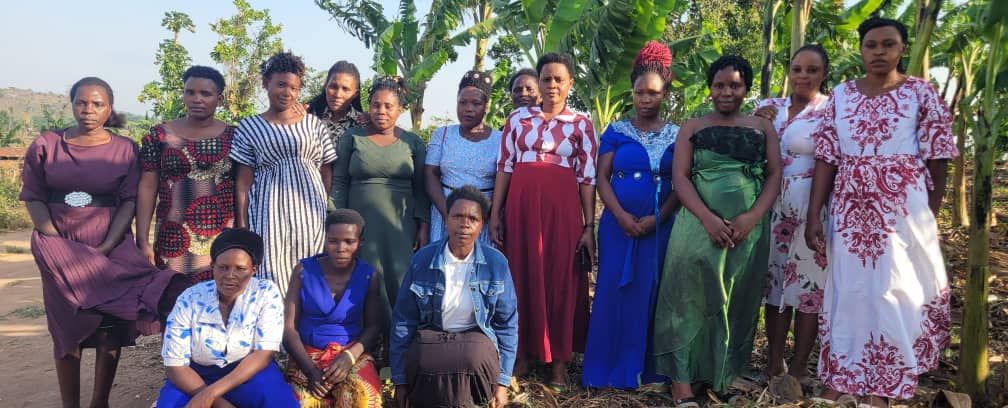
BCDC, WMI’s longtime partner in southwestern Uganda, is managing our fastest-growing loan hub. BCDC prioritizes expanding its reach both by onboarding new borrower groups and by launching strategic community projects like a tree-planting initiative and a coffee cooperative. Operating across Buseesa, Kibaale, and surrounding districts in western Uganda, BCDC expanded WMI's reach this August into Mubende District to welcome the Lwenkoko Coffee Farmers Group.
The Lwenkoko Coffee Farmers Group is made up of 24 local farmers who rely on agriculture and pastoral trades for their livelihoods. Many of the Lwenkoko women grow coffee, which is Uganda’s primary cash crop and supports nearly 20% of the population. The group’s members independently own and maintain land ranging from one to five acres of mature coffee trees.
Behind their agricultural success is a self-sustaining savings cooperative that has supported these farmers since the group was formed in 2020. Members contribute approximately $38 monthly into a pooled fund distributed rotationally among the group. Through disciplined contributions, Lwenkoko built an internal revolving savings pool of around $7,500, which members continuously reinvest into their land and crops.
Following a field appraisal, our local leadership confirmed Lwenkoko’s strong organizational discipline and operational stability. WMI has decided to provide the financial backing for a $5,000 revolving loan facility to help members expand their farm acreage and invest in necessary harvesting equipment. WMI will provide financial literacy and record-keeping training to members so that they are equipped with the knowledge needed to optimize their business and savings strategies.
Integrating Lwenkoko farmers into our local partner’s program directly aligns with their future goals. Launched this year, BCDC’s Strategic Coffee Cooperative Plan focuses on growing coffee seedlings both on BCDC-owned land and individual member plots, while recruiting "anchor farmers" with mature trees ready for harvesting. Partnering with Lwenkoko connects 24 experienced anchor farmers to our local partner’s growing network of coffee farmers.
Incorporating the Lwenkoko Coffee Farmers Group into our loan program reinforces our strategy of taking a forward-thinking approach to rural women’s economic development. We continue to explore many different avenues that are suited for particular village level circumstances so that rural women can segue into accessing formal financial services and business opportunities.
| | |
| |
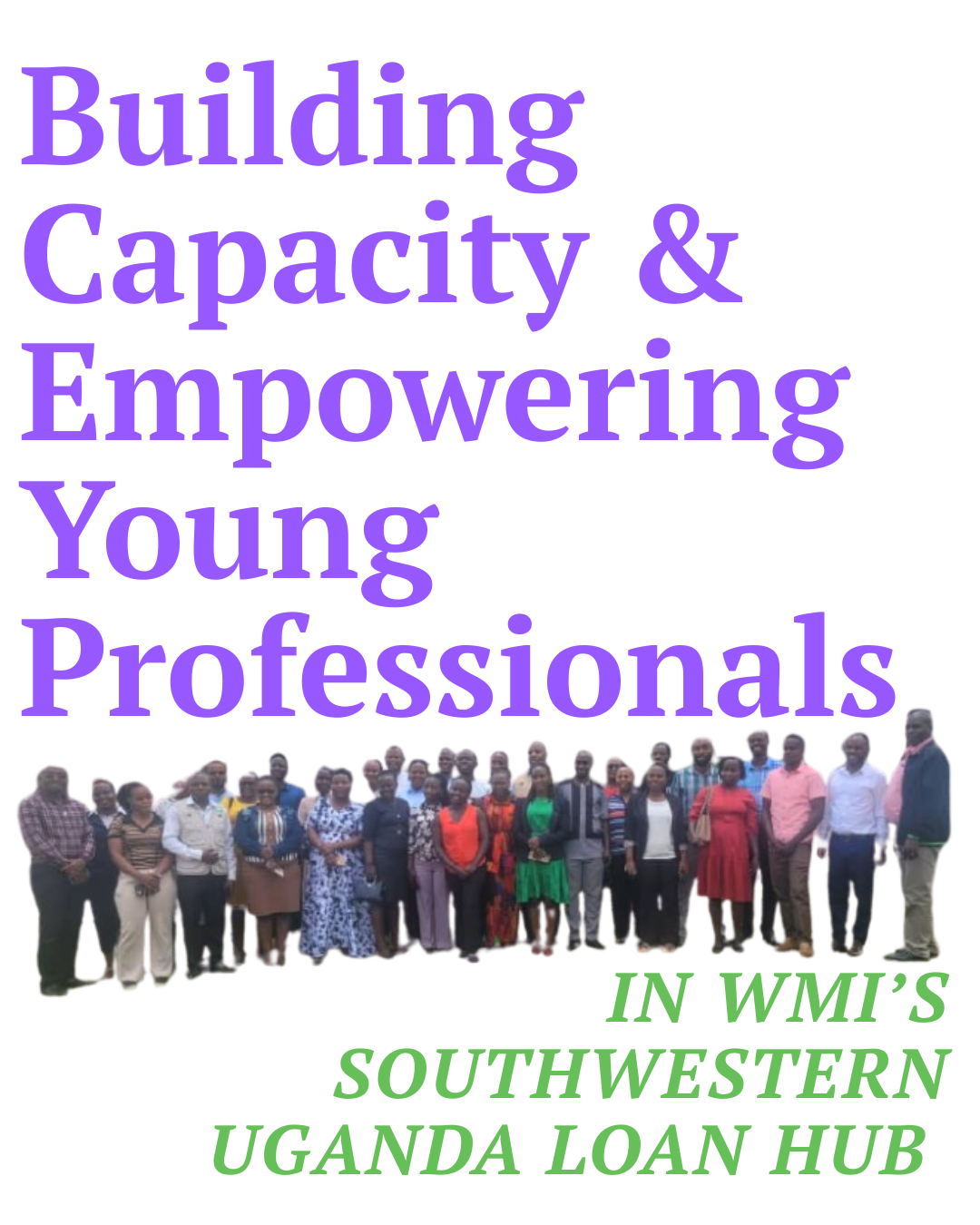
For organizations working to create lasting change in their communities, strengthening internal capacity is just as important as delivering programs. WMI’s southwestern Uganda partner, BCDC, is seizing the opportunity to grow its organizational capacity and expand its reach through participation in various training workshops.
WMI first partnered with BCDC in 2014 to help expand the nascent loan program of 100 borrowers that the group had started in Buseesa village. Over the course of our partnership, BCDC has grown to serve over 2,000 borrowers across four satellite sub-hubs. Along the way, WMI has supported BCDC’s implementation of a variety of innovative and creative community-based initiatives, ranging from a local coffee co-op to a gas canister microcredit loan program to help families transition away from harmful fossil-fuel based cooking fuels. WMI has backed these initiatives with the resources to carry out the vision of local leaders. BCDC’s success is a clear example of how combining financial capital with local knowledge creates the foundation for lasting community development.
| | |
Building Stronger Workplace Practices
BCDC is always looking for new ways to grow and strengthen its operations. As part of their ongoing organizational growth, the BCDC team recently participated in a Federation of Uganda Employers (FUE) and Enabel (a Belgian NGO training program) orientation workshop. This took place in Fort Portal City and focused on workplace compliance and good workplace practices.
For a small rural-based NGO like BCDC, initiatives like this are a vital pathway to becoming a stronger and more effective organization. Improving the in-house knowledge base on workplace standards, staff management, and compliance helps ensure that the organization has the structures in place to support both its employees and the expanding network of WMI borrowers.
Supporting Young Graduates
Alongside this organizational development, BCDC is participating in a graduate placement initiative facilitated by FUE and Enabel.
This program is designed to help local university graduates who are entering the job market gain practical experience in a professional environment. Enabel supports Ugandan university graduates who are seeking employment by providing opportunities to develop workplace skills. FUE covers 80% of the monthly salary of the graduates for six months, while the host organization covers the remaining 20%. This support allows small organizations like BCDC to provide graduates with vital on-site training and skills development, while the graduates provide BCDC with back up support for the organization's extensive in-field programs.
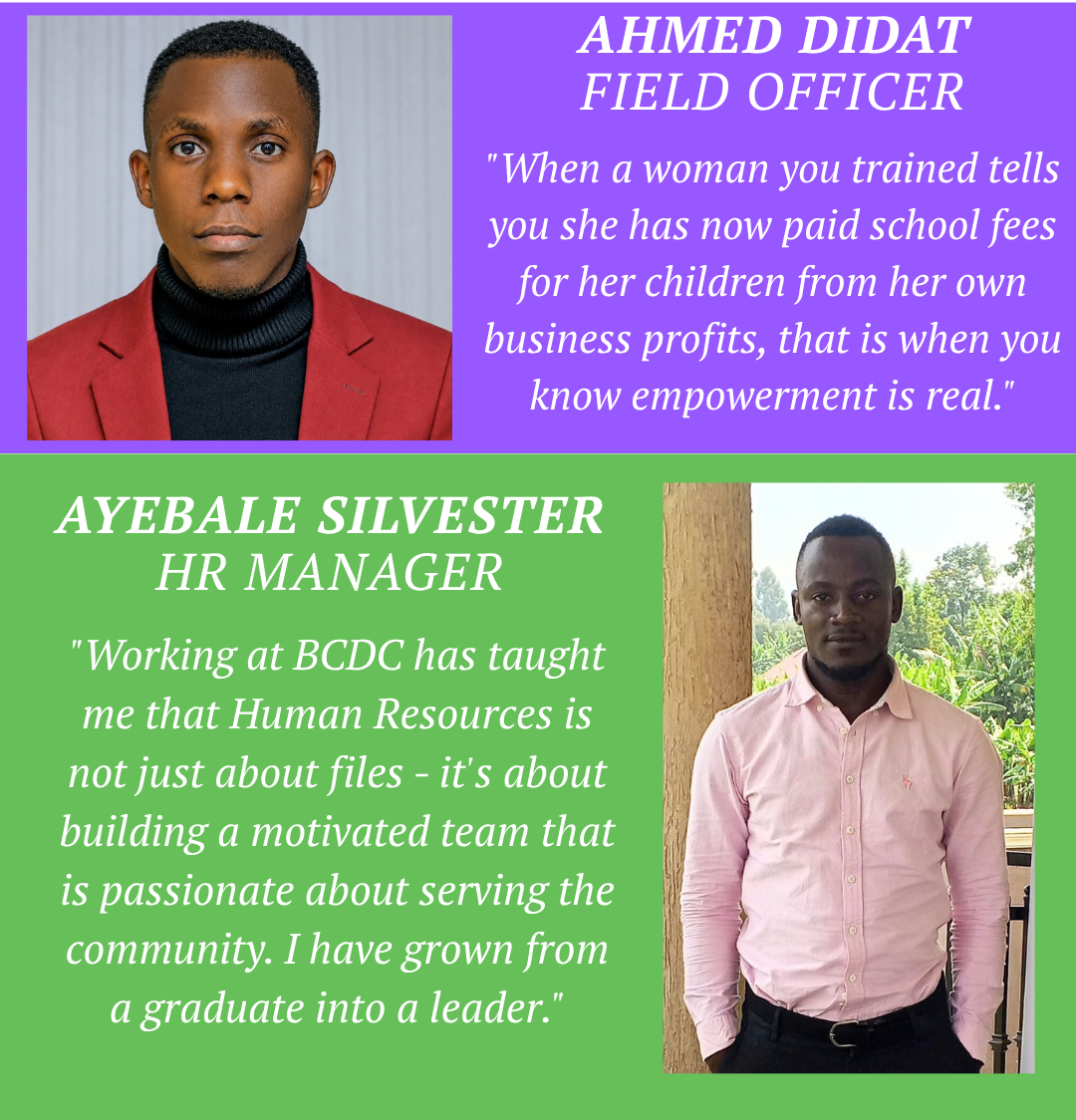
BCDC has opened the door for two young graduates: Ayebale Silvester and Ahmed Didat.
| | | | |
Ahmed Didat brings an important perspective to BCDC’s work. With a background in microfinance and community development, Didat works as a Field Officer supporting the organization’s microfinance activities fueled through WMI’s loan program.
His role involves directly interacting with the communities BCDC serves. He works with women’s groups, helps mobilize WMI borrowers, provides financial literacy and business training, follows up on loan use and repayments, and records experiences from the field.
His work is critical in the process of turning financial support into meaningful economic opportunities for the rural women that WMI serves. Borrowers need encouragement to continue expanding their knowledge base and support beyond simply being given access to a loan.
| | |
Ayebale Silvester joined BCDC with a background in Human Resource Management and Administration. He serves as the organization’s Human Resource Manager, supporting staff and helping strengthen internal systems that provide the framework for BCDC to operate effectively.
His responsibilities include coordinating staff welfare and administration, maintaining human resource records, supporting staff appraisals, and helping organize training and professional development opportunities. He plays an important role in making sure that BCDC meets its statutory requirements when reporting to the Kibaale District Local Government.
While these responsibilities may happen largely behind the scenes, they are essential to the health of the organization. Strong human resource systems help create a workplace where staff are supported and organizational policies are consistently followed.
| | |
BCDC’s Long-Term Sustainability
Partnerships like this help build stronger local organizations and create opportunities that meaningfully impact their communities. Didat’s role supports the microfinance work that sits at the core of BCDC and WMI’s efforts to promote women’s economic empowerment. At the same time, Ayebale’s work strengthens the organization internally, helping create an environment in which BCDC can operate more efficiently and effectively.
By supporting young graduates with practical skills, BCDC is nurturing the next generation of leaders. BCDC is not only reducing its dependence on external support, but it is also moving closer to its vision of becoming a fully self-sustaining, locally-led organization that creates lasting change. A self-sustaining, locally-led organization is the end goal of effective non-profit work and the ultimate vision of WMI’s loan program - implementing a series of small interventions that lead to transformative community change.
| | |
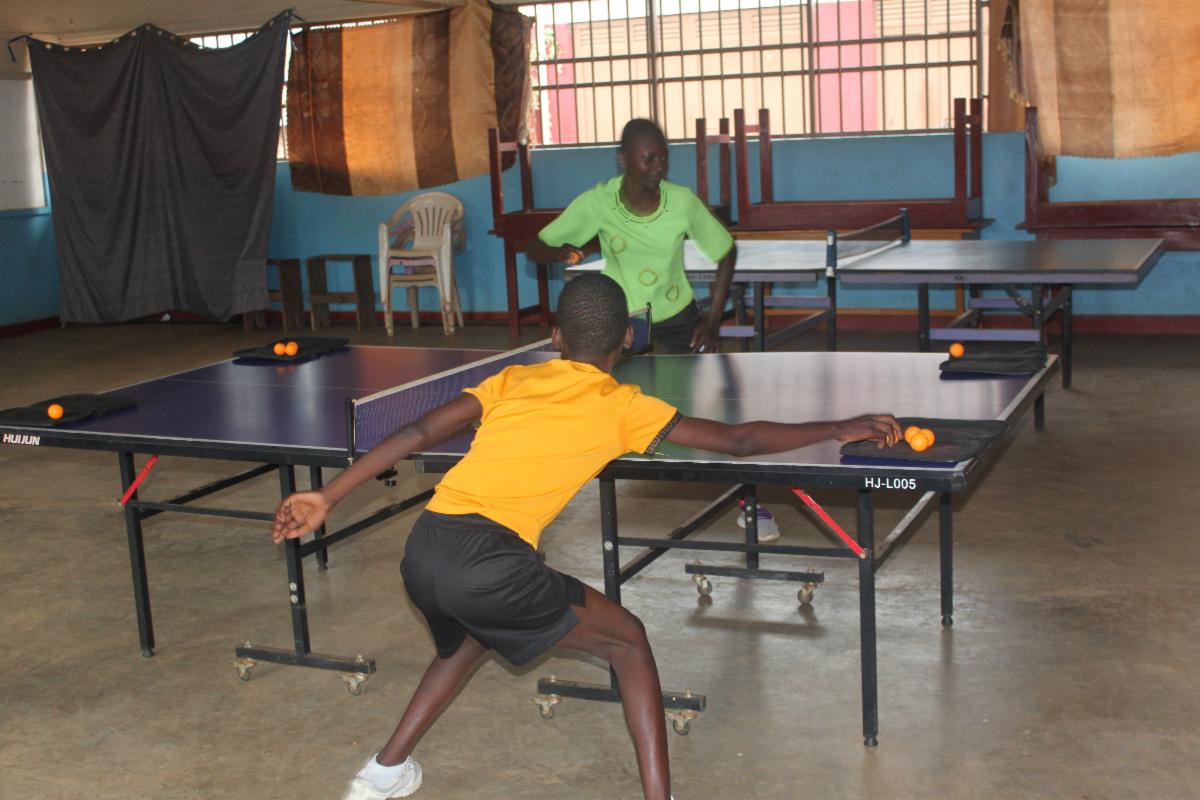
WMI has supported the BTTC mission since the Club launched in Buyobo, Uganda in 2020. We made our headquarters meeting hall available to the young players as it is the only facility in the area where they can practice.
Buyobo is a rural village in eastern Uganda roughly six hours from the capital of Kampala via unpaved and bumpy roads. Isolated from progressive surrounding cities, communities like Buyobo have a culture that is relatively patriarchal and quite traditional. Males are the primary decision-makers, are more likely to go to school, and more likely to own property. Operating within these remote villages is fundamental to both WMI’s and BTTC’s missions. In the rural setting, small investments compound over time into lasting, systemic change as girls and women are given resources to reach their full potential.
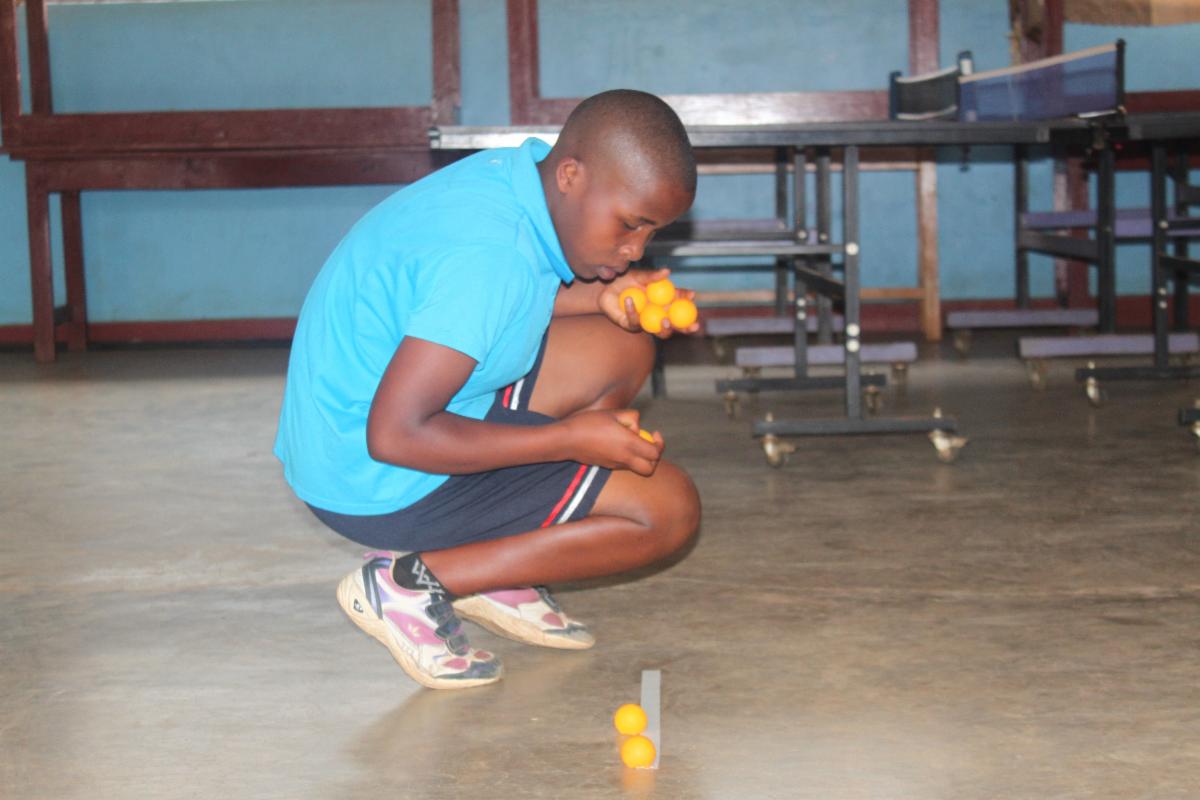
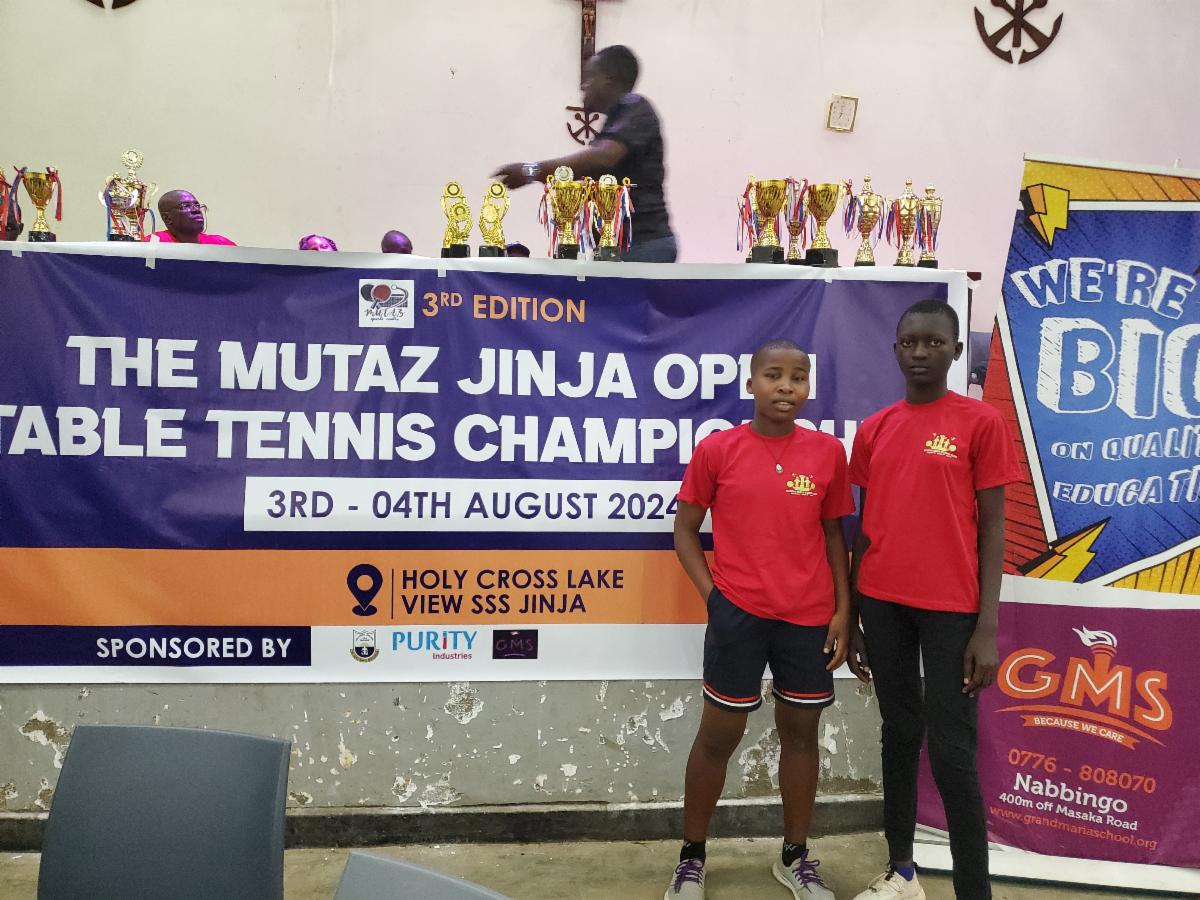
With this mission in mind, BTTC has served as the main hub for Buyobo youth for the past six years. After school and on weekends, local girls and boys gather for table tennis practice at the WMI headquarters building - a space set apart from home and school. BTTC offers players a space dedicated entirely to improving their game, confidence, and connection with peers. The Club gives players the chance to travel to regional competitions outside their rural village, a rare adventure for many village youth. Most importantly, participating in the Club opens up doors for academic opportunity. In Uganda, secondary education is not government-funded and is often a non-essential expense for already struggling families. Through consistent training and out-of-town exposure at tournaments, BTTC is building a bridge that connects talented players to secondary school scholarships.
| | |
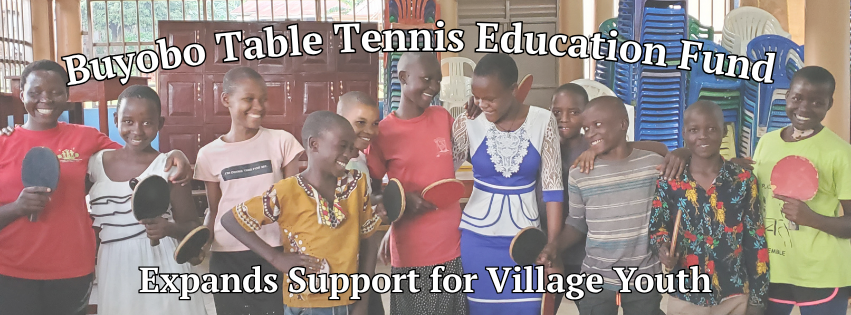
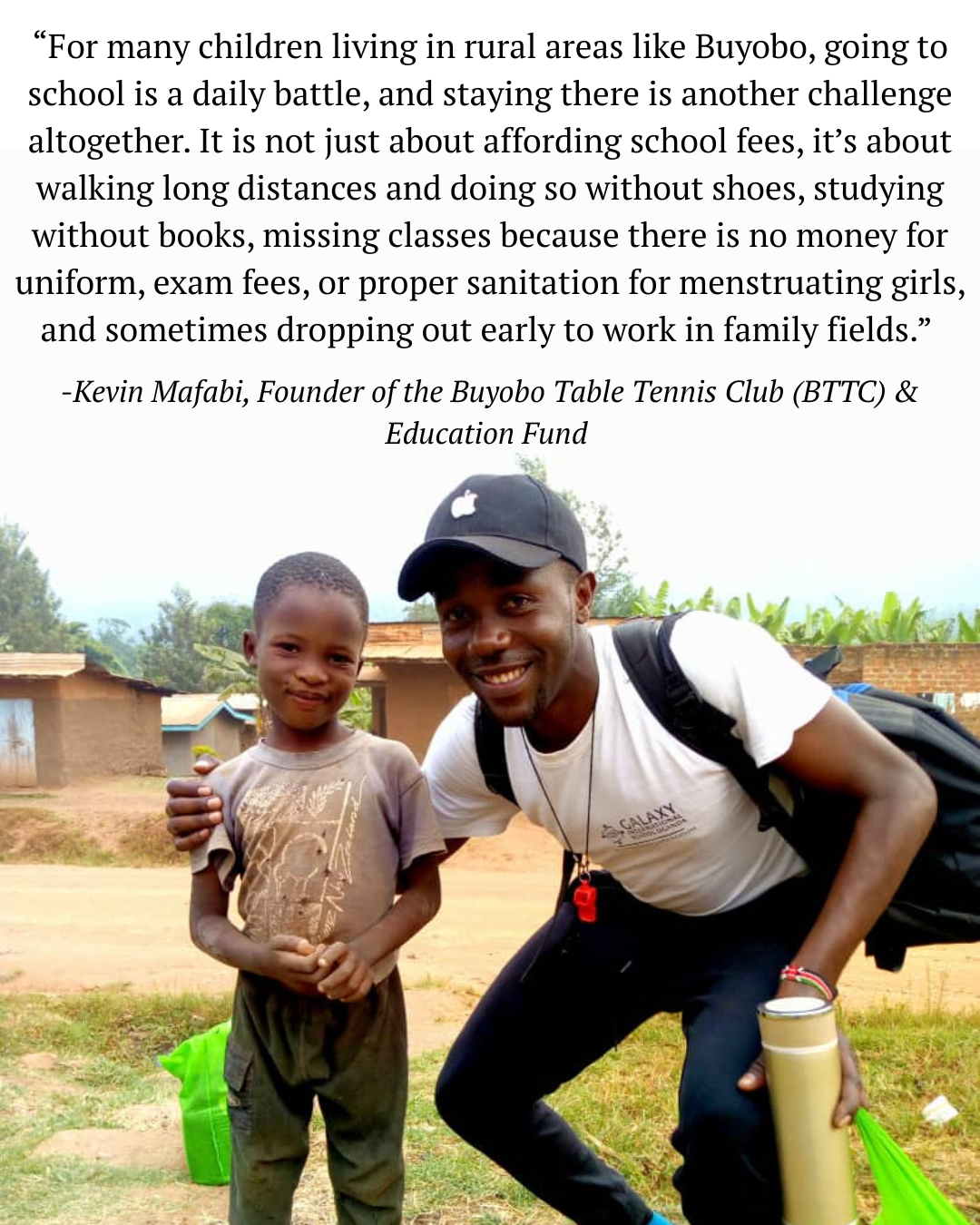
Beyond secondary school scholarships, BTTC recently introduced an alternative pathway for village youth to access higher education. Coach Kevin launched the BTTC Education Fund, a donation-based initiative providing support to players facing the greatest financial barriers.
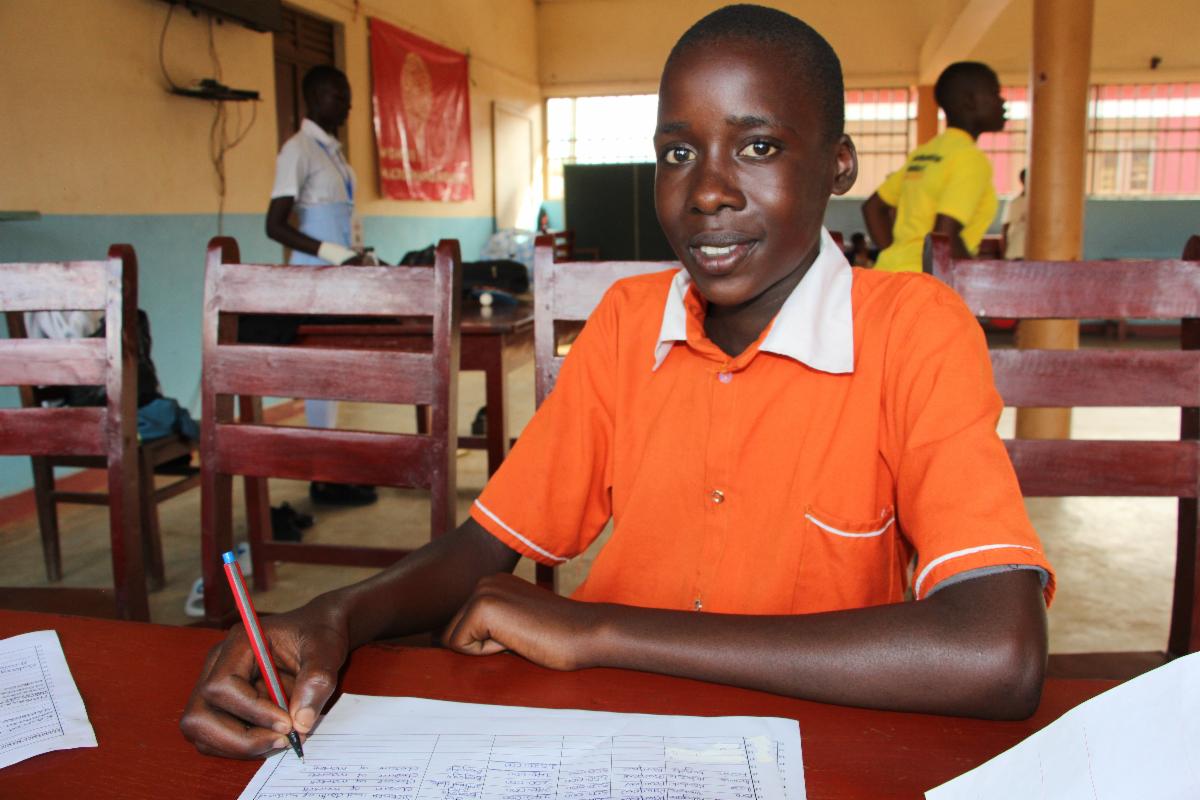
As Coach Kevin explains: "We started the Education Fund Initiative to use table tennis as a doorway to education, reducing the financial and social barriers that prevent talented, hardworking children from fully participating in both education and sport." To date, the fund has equipped 15 village children with school supplies and uniforms while also covering important exam fees. All supplies are purchased directly from local vendors, including small businesses run by WMI loan program members, helping to sustain the local economy.
| | |
|
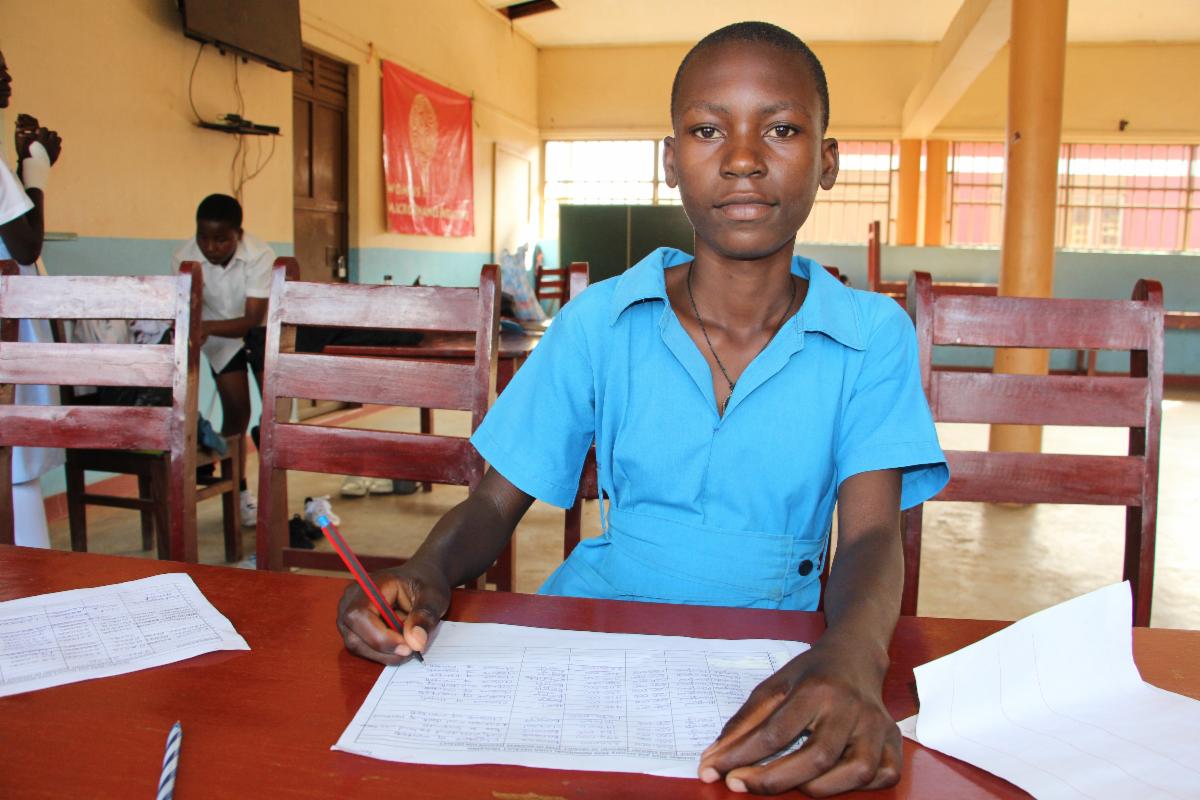
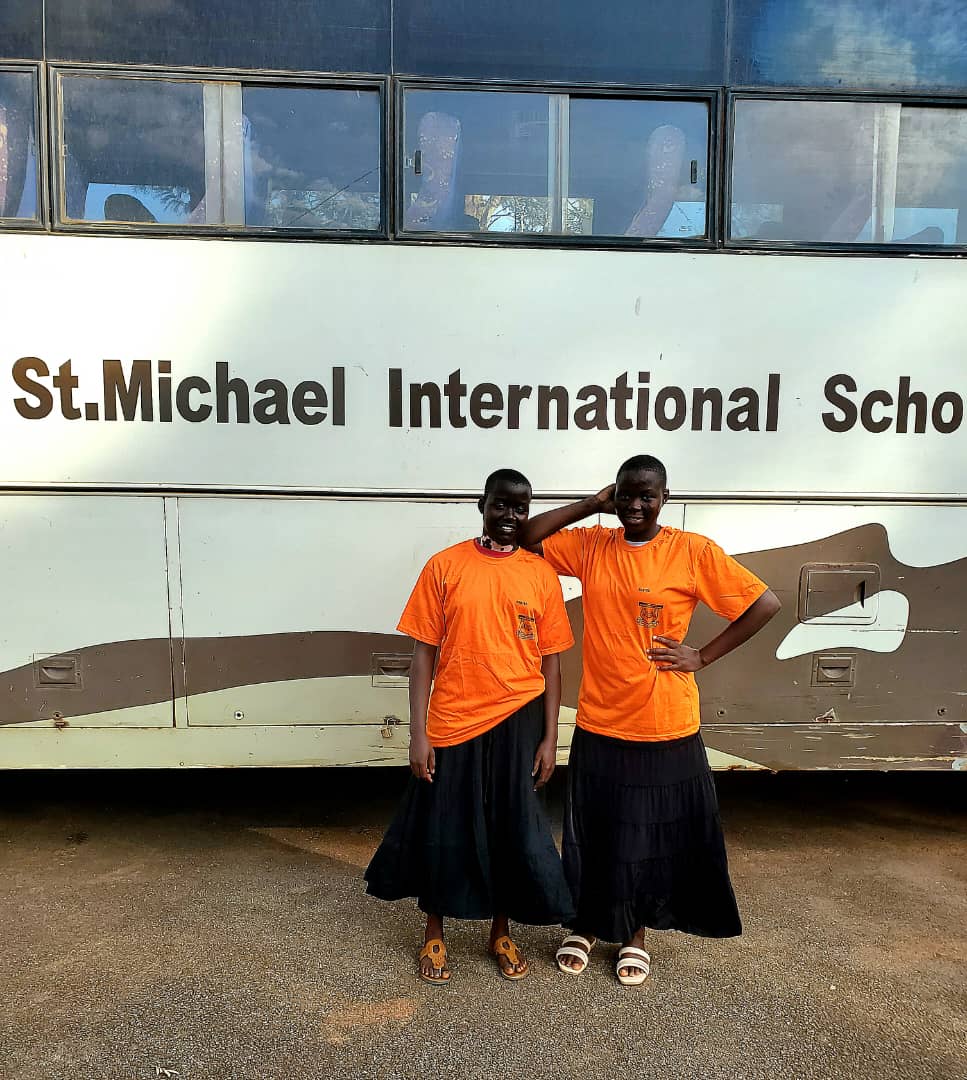
The program is actively shifting community mindsets, particularly when it comes to young girls, who make up a large portion of the team. Club alumni like Emily and Rinnah Nambafu, who earned secondary school scholarships to St. Michael International School, serve as living proof to active players and parents of the doors that sports can open. Yet despite these successes, some players face resistance at home.
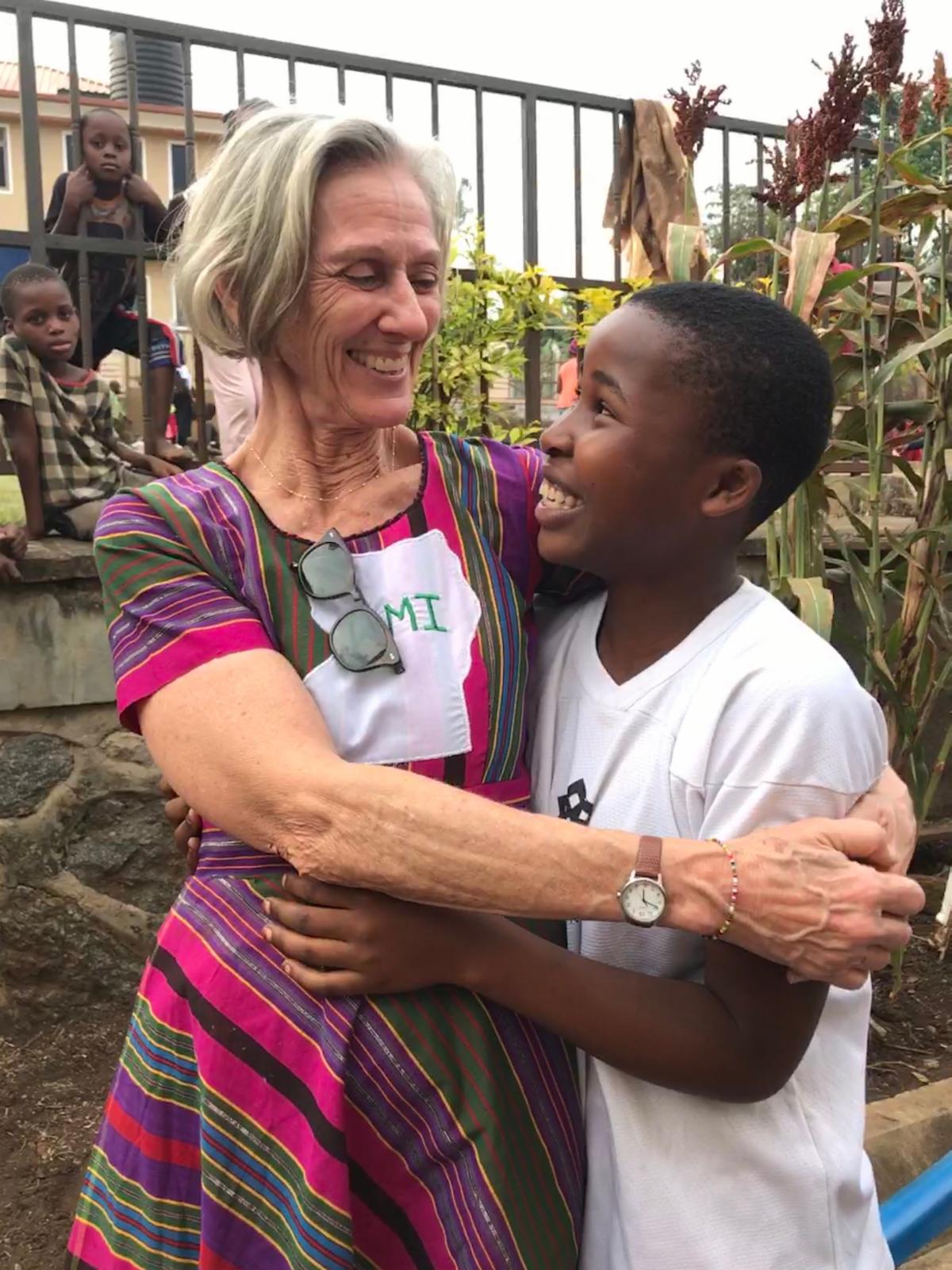
When gifted player Sarah Nambafu was first offered a scholarship, her parents declined, believing that she should stay local to fulfill the traditional expectations of a young girl. Coach Kevin hasn’t given up on Sarah or her future, and through persistent outreach, her family's perspective is evolving: “We kept visiting, kept counseling, kept supporting Sarah through the Fund with scholastic materials, school fees contributions, and mentorship, showing her family what education through sport can really achieve.” As Coach Kevin puts it: "That is the true impact of the Education Fund. It is not just paying fees. It is changing mindsets. It is helping parents in a rural community see that a girl's talent is worth investing in."
WMI and BTTC are working to expand support from term-by-term assistance to full-year tuition coverage, while launching youth-led agricultural and trading projects to teach students practical business skills. Coach Kevin and WMI are witnessing firsthand a growing hope and confidence in these young athletes. The boys and girls experience the reward of refining a skill and learning sportsmanship, while they are relieved of the financial stress of the cost of an education. They can picture themselves, more tangibly than ever, building a brighter, more secure future.
|
| Emily and Rinnah's table tennis talents landed them scholarships to a prestigious secondary school. | WMI President Robyn Nietert and Sarah Nambafu outside of the WMI headquarters building where table tennis practice is held. | | | | |
BCDC is not only focused on growing and improving internally, WMI’s local partner operating our loan hub in southwestern Uganda also looks outward, making dedicated efforts to connect with and serve the local community through fun, creative initiatives like the 2026 Sports Tournament.
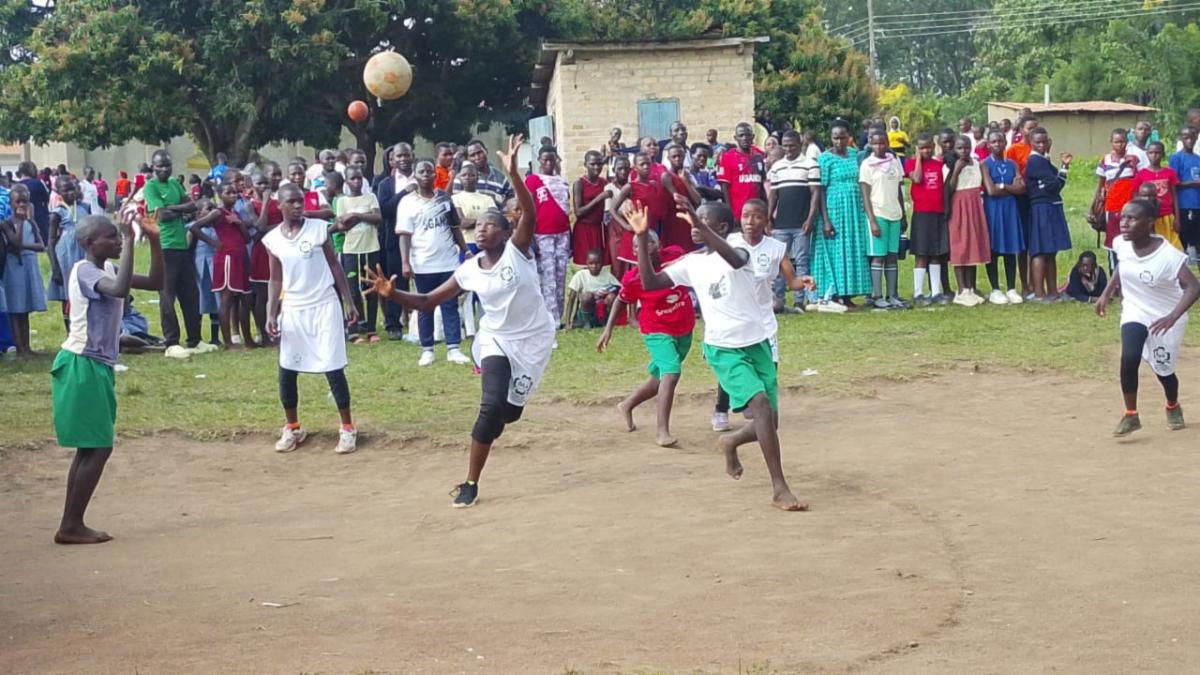
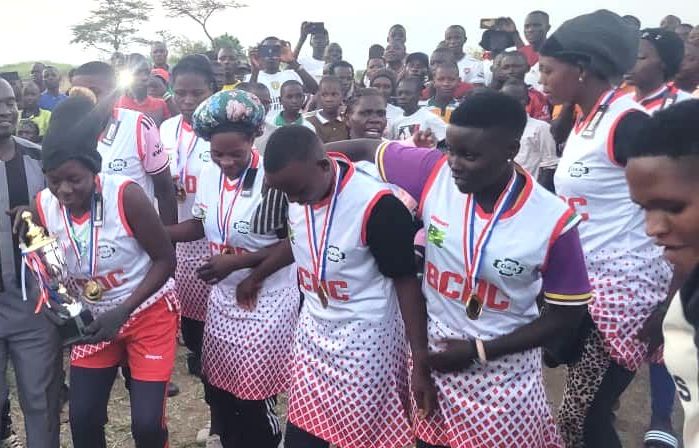
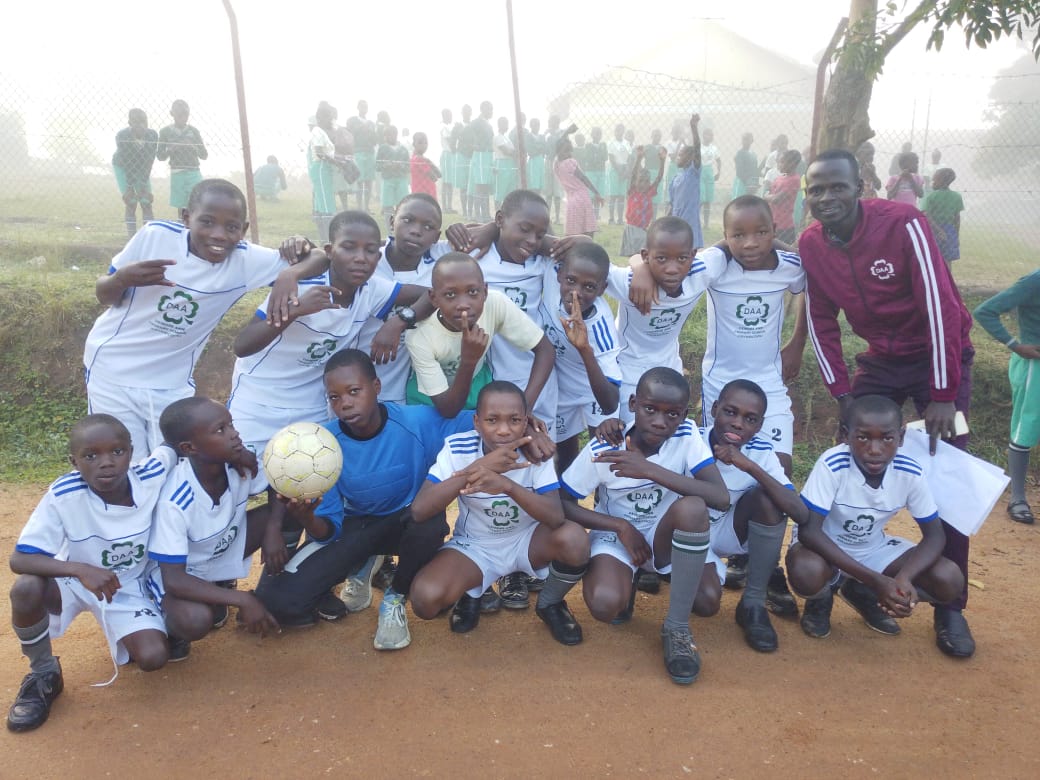
Held throughout August, the month-long tournament brought hundreds of community members, local leaders, community-based organizations, businesses, and government representatives together in the heart of Buseesa, where BCDC headquarters is located. The tournament kicked off with a community-wide cleanup around the village center. From there, the month was filled with track and field activities, including a marathon and relay races, as well as highly-anticipated netball (like basketball, but without the dribbling!) and soccer matches.
| | |
Among the tournament participants were local youth, women, and even the Kibaale District Police Force. Opportunities like these are especially valuable for young people, providing a chance to step away from daily responsibilities, have fun, burn off energy, and sharpen a skill. Local women, including WMI borrowers, competed in a series of netball games, and they already have plans for next year’s tournament: a soccer match of their own! The picture to the right shows the women players posing with their trophy and medals.
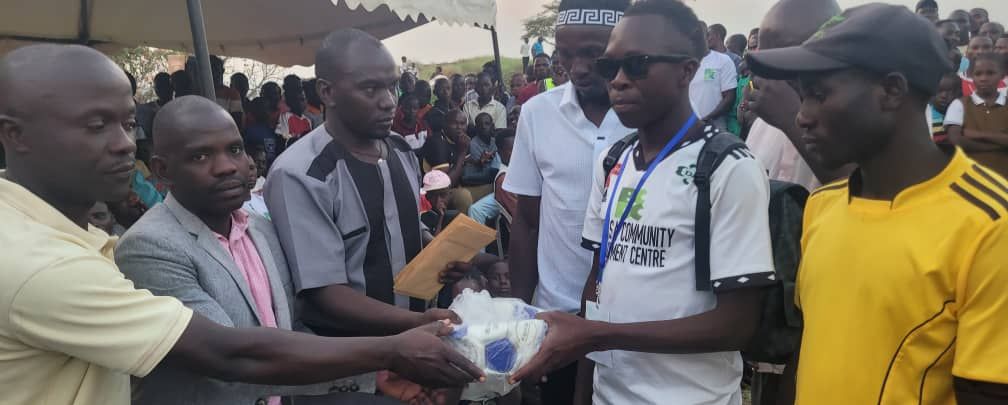
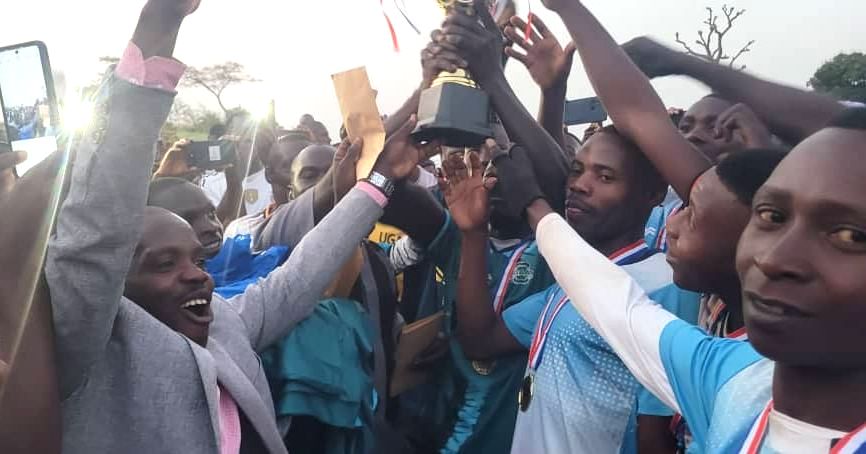
The event that captured the most community attention was the soccer match between BCDC staff and the local Kibaale District Police. Although it ended in a tie, both players and fans were deeply invested in the game. On the right, you can see the two teams posing with the soccer ball to signify the draw.
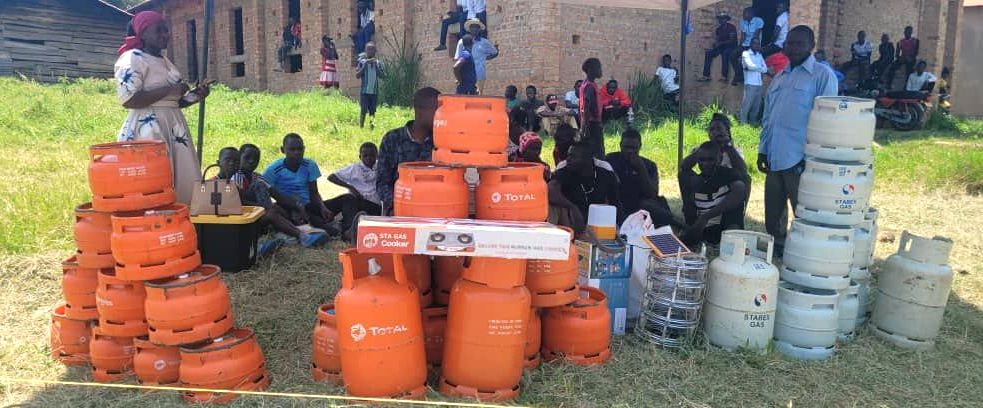
| | | The tournament didn’t just focus on sports - but sports opened the door to acquaint villagers to important community initiatives. Representatives from TotalEnergies Uganda helped narrate the various sports events on the radio while also leading a training and demonstration on the safe usage and benefits of gas canisters for cooking fuel. BCDC has partnered with TotalEnergies Uganda since August 2025 when the “Clean Cooking, Brighter Homes” microloan program was launched. The program helps rural households in Kibaale District transition from firewood and charcoal to cleaner cooking fuel by making gas canisters more accessible and affordable. TotalEnergies Uganda brings the gas canisters closer to the communities, while BCDC provides financing that allows households to pay for them in small installments. During the tournament, 15 households invested in gas canisters and 10 households bought refills. Alongside the clean cooking demonstration, the Kibaale District Police Commander conducted a session on community safety. | | |
| |
Events like this are an important way for BCDC to stay connected to the people it serves. And the more connected BCDC is to its community, the more connected WMI can be to its borrowers, helping both organizations better understand local needs, make informed decisions and innovate in ways that are tailored to the communities they serve. Sports bring people together who might not otherwise cross paths, from directors of local community organizations and government representatives to businesses, police officers, and young people simply looking for a place to compete, and have fun. These connections can grow into partnerships that help BCDC expand its programs and reach more people across the community.
Looking ahead to next year, BCDC plans to continue working with local community organizations and TotalEnergies Uganda to build a stronger sponsorship base. Support for the 2027 games is already in the works: Kibaale District Member of Parliament Hon. Dr. Emely Kugonza saw this year’s successful turnout and contributed $250 toward next year’s event. WMI is excited to see how the Annual Sports Tournament grows throughout the years, and especially hopes to see our borrowers on the soccer field next year!
| | | | |