|
THE LANDSCAPE
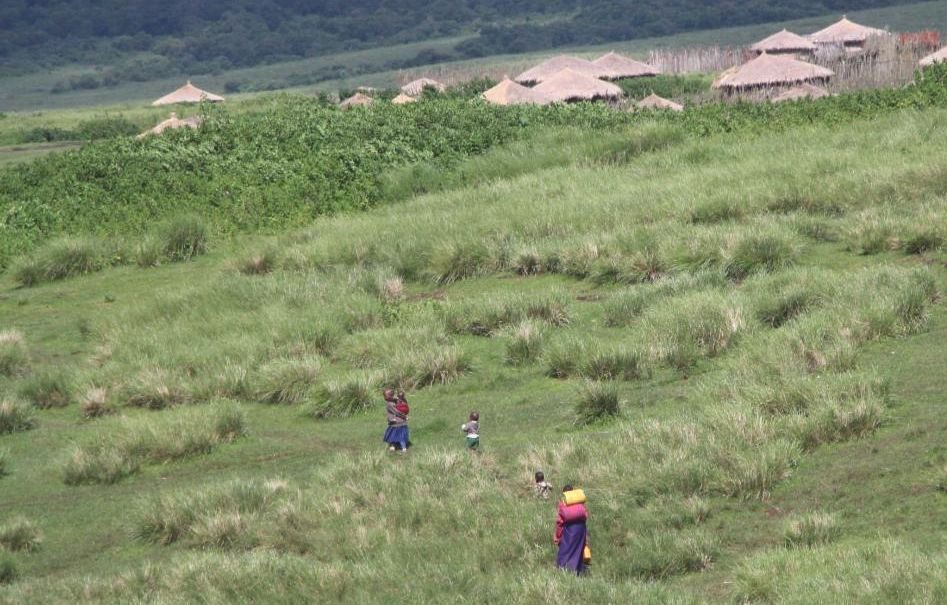
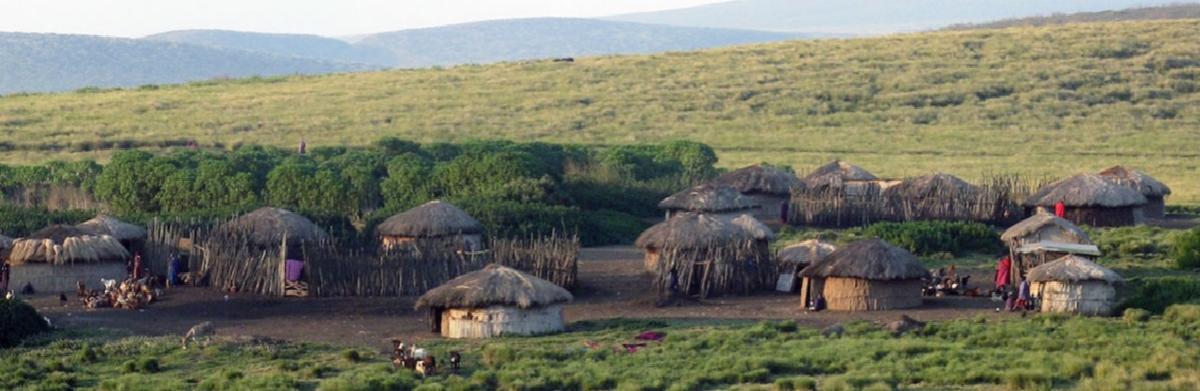
In Northern Tanzania’s Ngorongoro Plateau, Maasai families live in one of the most remote and environmentally challenging regions in East Africa. Its high altitude creates a dry atmosphere, with long drought periods, unpredictable rainfall, and limited infrastructure. Access to water and energy remains a daily challenge, shaping how communities live, work, and support their families.
Beyond environmental challenges, access to government services is minimal, healthcare facilities are scarce, and formal employment opportunities are almost nonexistent. Government policies in the Ngorongoro Conservation Area restrict most forms of agriculture, limiting food production and affecting the food security of communities living in the area.
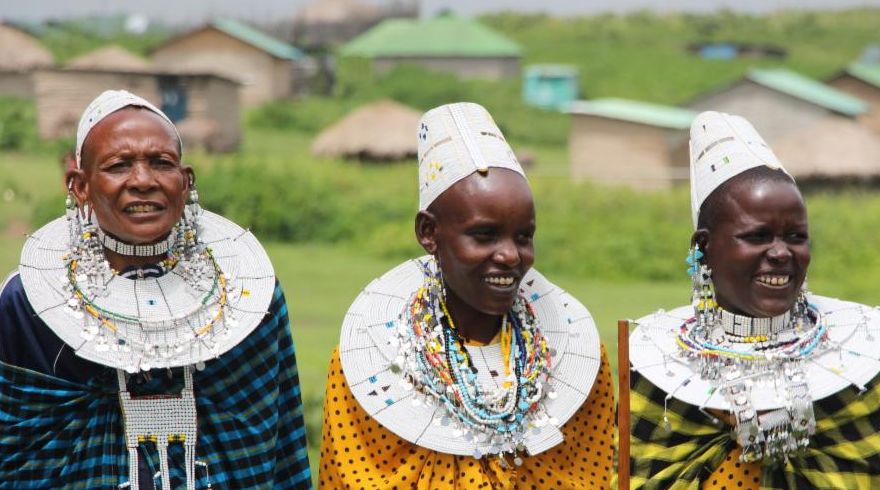
Despite these challenges, this region remains the homeland of the Maasai people. After large portions of traditional Maasai lands were taken in 1959 by the colonial government for tourism development purposes, the Ngorongoro Plateau became their home. Today, women raising families in this environment must not only navigate the effects of poverty and climate change, but also the geographic challenges and limited governmental support.
In response to these challenges, WMI supports a holistic approach in partnership with local organizations working within Maasai communities. Together, these initiatives focus on three key barriers affecting women and families across the region: limited economic opportunities and training, limited access to clean water and energy, and limited access to healthcare services. Through partnerships with Weston Turville Wells for Tanzania (WTWT), Resilient Communities Africa Foundation (ReCAF), and Maasai Partners, WMI supports loan and training programs, solar and water infrastructure, and a mobile medical clinic that together strengthen women’s ability to support their households.
| | |
THE CHALLENGES
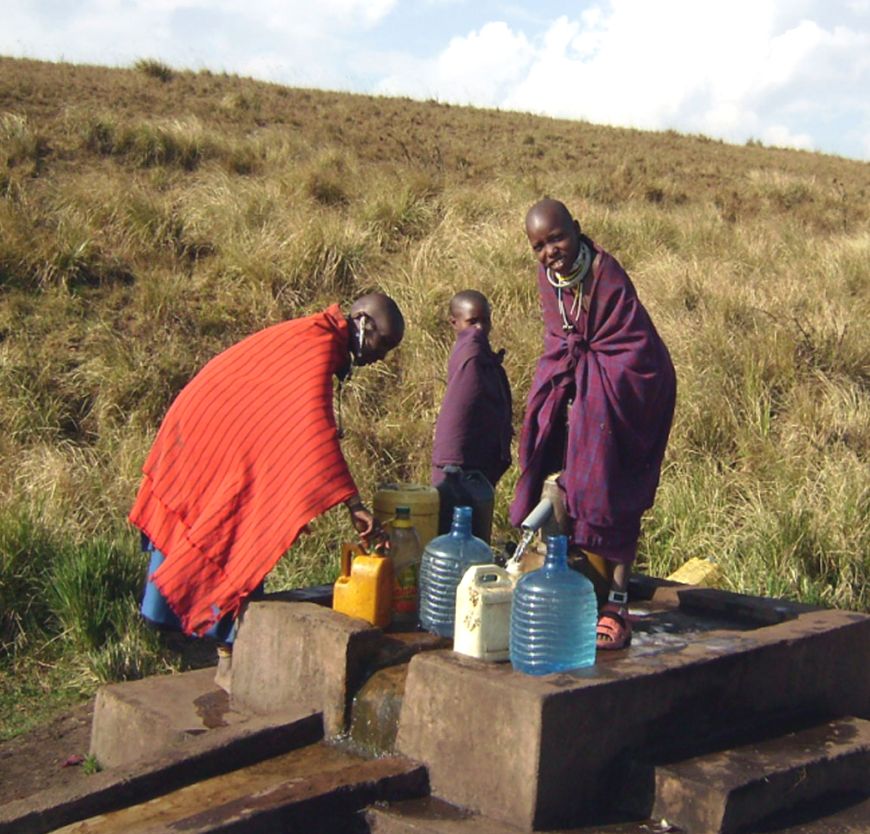
One of the most persistent challenges in these communities is limited access to clean water and reliable energy. In many villages, women are primarily responsible for collecting water, often travelling long distances each day. This task is both time-intensive and physically demanding, reducing the time available for income-generating activities, education, and other responsibilities. As a result, even when financial resources or training are available, women are unable to fully participate in these activities due to the daily household constraints. At the same time, the lack of electricity limits any work to be done after dark and contributes to the reliance on firewood for lighting and cooking. This not only releases harmful particles into the air but also exposes households to toxic chemicals that increase the risk of severe respiratory conditions.
All of these challenges are becoming more acute due to climate change. In recent years, Tanzania has faced frequent droughts, limiting available water sources. These dry periods are often followed by intense and erratic rainfall, which can lead to flooding, dried-out water sources, and damaged infrastructure. Without adequate systems to capture and store rainwater, communities are unable to benefit from the short periods of rainfall. As a result, water scarcity remains a significant issue in both daily life and income-generating activities.
Additionally, many Maasai communities have limited access to healthcare services. Long travel distances to clinics and under-resourced medical infrastructure make it difficult for women and children to receive regular treatment, health education, and preventative care. As a result, preventable health complications during pregnancy and childbirth are more common, while illnesses in mothers and children go untreated for longer periods of time.
Economic opportunities for women in the Ngoronogoro Plateau are also extremely limited. Restrictive land-use regulations, climate pressures, and limited access to resources make it difficult to build stable livelihoods. For women hoping to start businesses or generate independent income there is very little opportunity to access any kind of financial services or training.
| |
Solution #1: Women’s Loan Program, Financial Training, and Earning an Income
To help address these economic barriers, WMI partners with WTWT and Maasai Partners to support women’s loan groups across the Ngorongoro region. Through these partnerships, women receive access to small loans, financial literacy education, and business training. While WMI funds and supports the initiative, WTWT’s network of local managers monitor and coordinate the loan activities throughout the communities.
The program currently operates across multiple wards in the Ngorongoro area, including Nainokanoka, Alailelai, Naiyobi, Esilalei, Ngoile/Olbalbal, Oltuki ward. In 2025, 400 new loans were funded in these wards. By the end of 2026, the loan program will expand to two new wards, Mswakini and Makuyuni, and WMI will fund an additional 1,328 business loans to bring the total number of women participating in the program to 4,495.
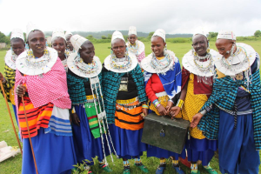
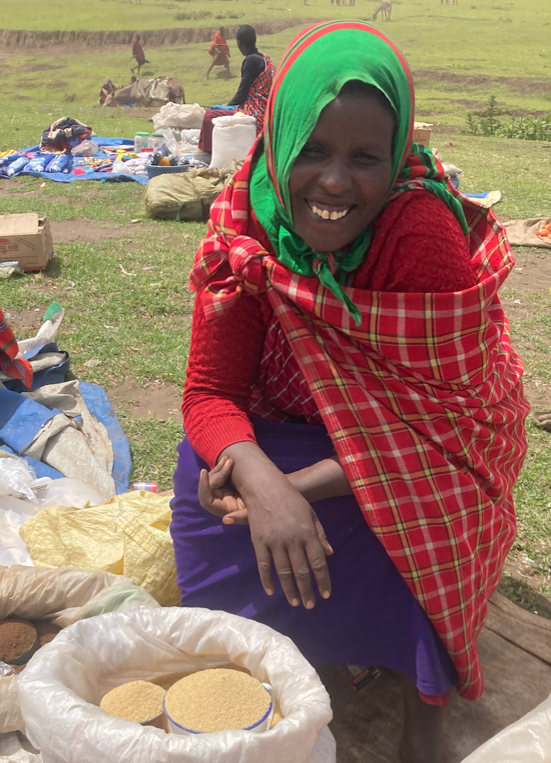
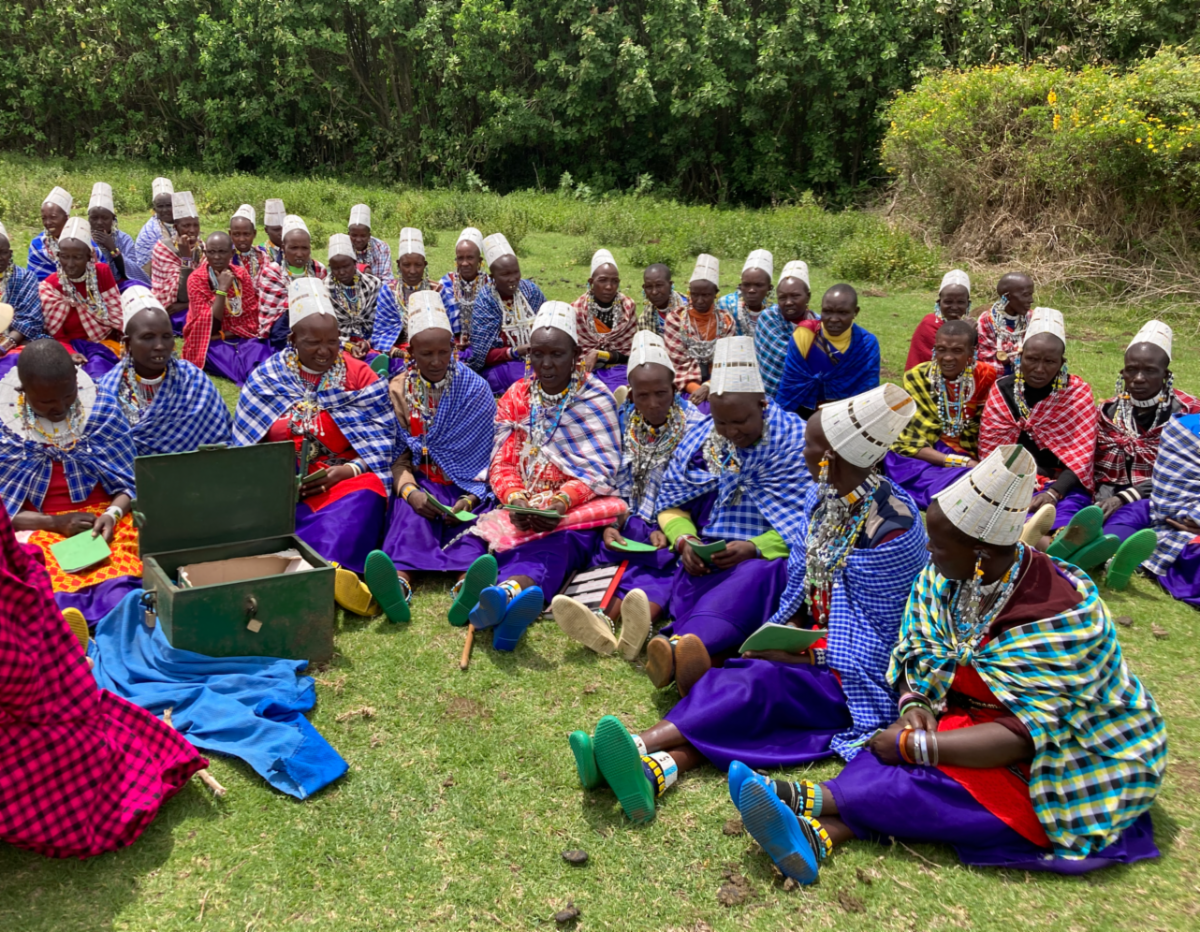
| | The women are organized into geographic Loan Groups that issue the loans for women to start and expand small businesses to support their households and communities. Many women travel long distances to larger market towns in order to purchase goods that are unavailable locally, later reselling them within their villages. Others focus on traditional beadwork, tailoring, household goods, or livestock-related businesses. Women often intentionally choose different products and find market niches to avoid competing directly with one another, helping strengthen economic activity overall. | | | | |
Along with loan access, the loan groups also receive financial training, literacy and business training, and numeracy training. This training not only increases financial and business knowledge, but has also helped women better understand markets, improve food security, and increase their ability to support their families and children’s education.
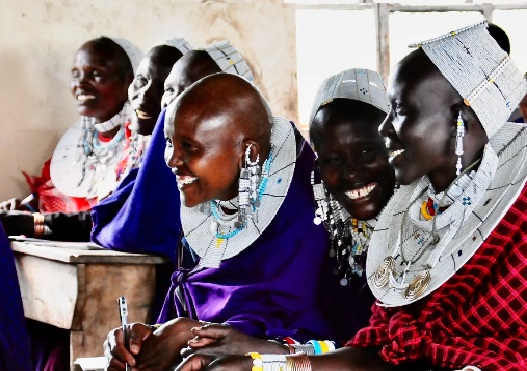
The classes are held each week when the women attend their Loan Group meetings. In several wards they meet in a classroom after the children have gone home. The women are quick learners and it is helping them with their Swahili for their businesses and at the loan repayments meetings.
| |
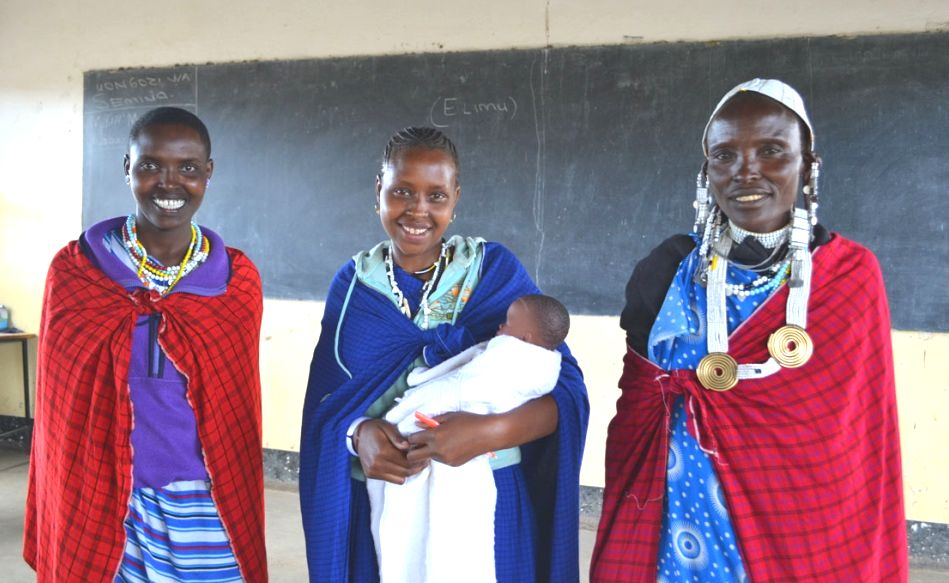
In addition to financial education, the loan programs also provide health education. Sessions include information on nutrition, hygiene, maternal health, disease prevention, antenatal care, family planning, awareness of HIV/AIDs and other Sexually Transmitted Diseases (STDs), and the effects on girls of Female Genital Cutting (FGC) and child marriage. The information helps the women keep themselves and their families healthy and share what they have learned with their communities. WTWT trained Traditional Birth Attendants (TBAs) who give health education to the women they care for in their communities. WTWT staff in each ward coordinate the community health education.
OUTCOMES
The impact of the microfinance loan and training programs have been significant for participating women. The very positive outcomes include:
· Increased Financial Inclusion: Loan Groups provide access to financial services for community members who did not have had access to formal banking services.
· Improved Savings Culture: Loan Groups encourage members to save regularly, which can help them develop a habit of saving and investing.
· Access to Credit: Loan groups provide members with access to credit, which can help them finance their businesses or meet emergency needs.
· Social Cohesion: Loan Groups foster social cohesion and community development by promoting collective responsibility and mutual support.
· Empowerment: Loan Groups empower women and marginalized groups by providing financial independence and decision-making power.
· Financial Discipline: The high repayment rate repayments indicate a high level of financial discipline among group members.
· Improved Record keeping and Business Confidence: Through numeracy and literacy teaching.
· Improved Health: Through health education classes, reduction in FGM and child marriage.
· Improved Standing in the Community: Women in Loan Groups mentor new businesswomen and pass on knowledge and information learned in training sessions.
Many mothers are especially proud that their business income allows them to send their daughters to school, crating opportunities that were unavailable to previous generations. Their income has lifted the anxiety of poverty: the fear of asking their husbands for money on market day, the uncertainty of whether they will be able to find enough food for their children or be able to pay for health care. They are now in a place of security where they can feed their families well and are able to educate their children. They have been economically empowered.
| | |
ONE WOMAN'S TESTIMONY
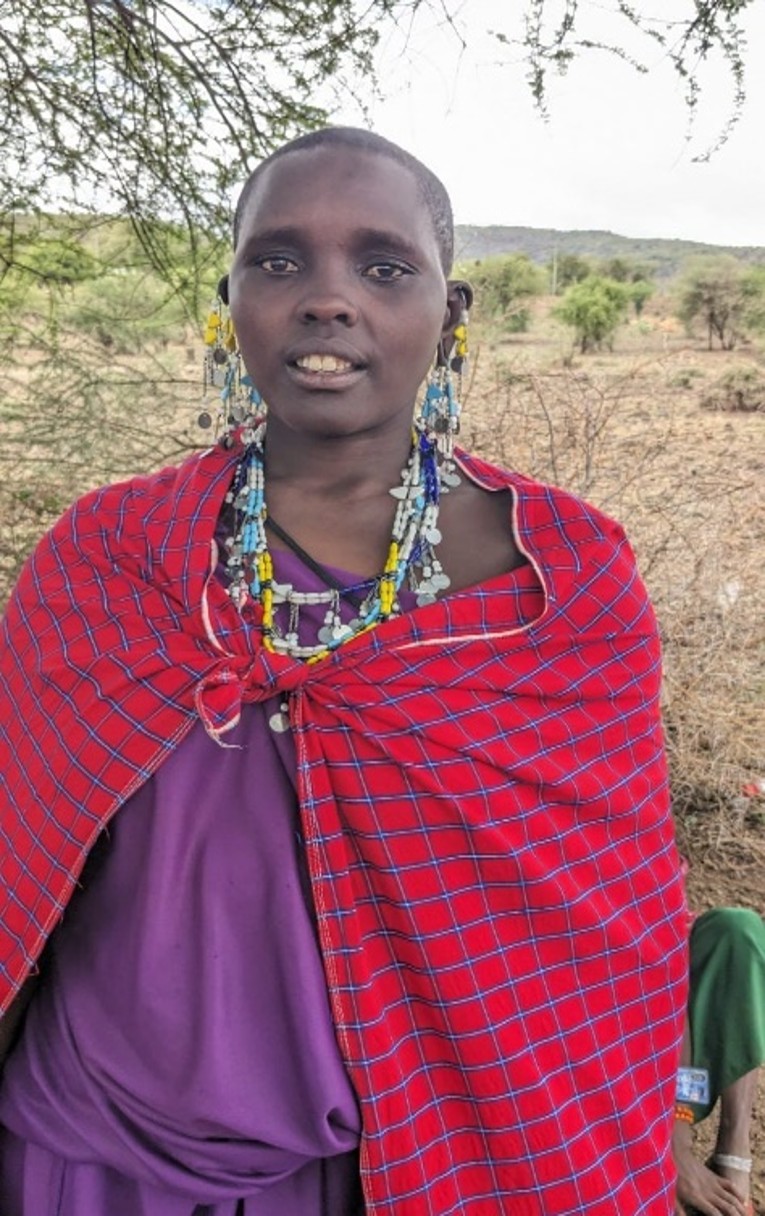
My name is Naserian Loitu, I am 32 years old. I come from Esilalei Village. I have three children, two of them studying at Esilalei Primary School in different classes.
My husband has four other wives. This is very tiresome for us because each of us is struggling here and there to find food and other needs. While our husband doesn’t care about anything, but when it’s time to eat, he has to demand food and he didn’t give you anything to cook.
Personally, I joined a Loan Group last year in 2025 and fortunately I succeeded to get loan through the WMI-funded program. The loan helped me to expand poultry - I bought 50 chicks and now selling eggs and chickens, so now I am earning $155 per month. This increased our household income, and now I train others on poultry management.
| |
Solution #2: Solar Panels & Water Tanks
The Maasai women in the Ngorongoro area in Tanzania face challenges in accessing both reliable energy and clean water. Many households rely on firewood and kerosene for lighting, which poses health risks and environmental concerns.
Water scarcity remains one of the most critical challenges facing Maasai households in Ngorongoro. Women and girls continue to walk long distances—often several hours a day—to fetch water from open pipes. This not only results in physical strain but significantly reduces the time available for participation in economic and social activities. An additional barrier to the Maasai community accessing clean water and energy are the government regulations which impose conservation-related constraints that limit the construction of permanent water and energy systems in the region.
Energy and water poverty shape everyday life in these communities. Reliance on firewood and kerosene increases health problems and incurs financial costs; the lack of power limits productivity after dark.
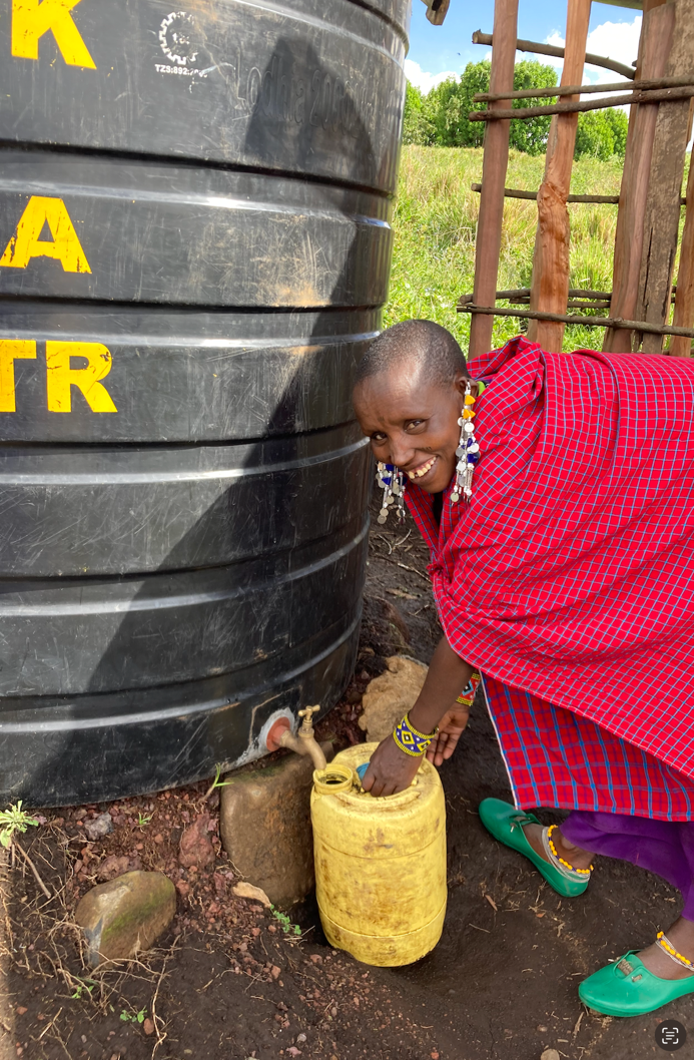
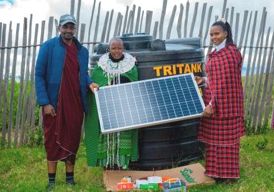
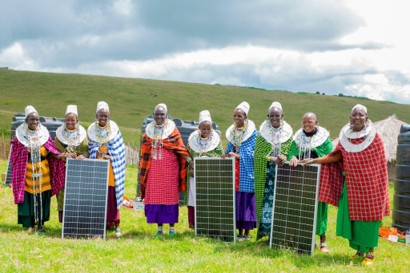
WMI brainstormed these issues that Massai women in the Loan Groups were facing in order to try to alleviate the burdens lack of water and power were placing on them and their families. Networking with the local non-profit, Re/CAF, we developed a comprehensive solution that combines supplying solar panel installations and 2000-liter water tanks for Maasai women, specifically those participating in the Loan Groups, to enhance quality of life, support economic participation, and foster sustainability. Re/CAF determined that in Ngorongoro, these interventions would prove to be uniquely appropriate. Solar systems and portable water tanks align with the government regulations by offering flexible, non-invasive, and locally adaptable solutions.
| |
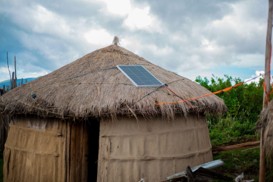
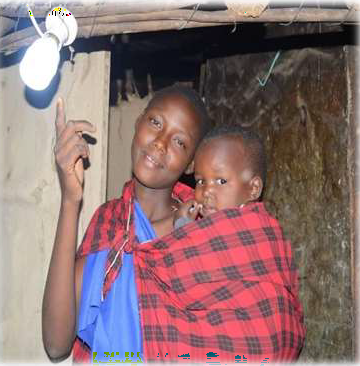
Starting in early 2025, WMI funded 75% and the women and Re/CAF funded 25% of the Bomas Solar Panel and Water Tank Project, which focuses on improving access to essential household infrastructure. Solar panels were distributed and installed alongside water tanks supplemented by simple rainwater harvesting systems, allowing households to capture and store rainfall during short wet seasons. This project has provided access to both clean water and reliable lighting, reducing time burdens and supporting improved household hygiene. The use of solar energy also reduces reliance on firewood, positively supporting both health and the environment.
The local communities were actively engaged in the transport, storage, delivery and installation of the systems. It was a massive undertaking in rural areas where there is little infrastructure and the roads are dirt tracks through the tall plains grass.
| | |
The impact on the households once the installations were complete were immediate. Solar lights glowed throughout the bomas long into the dark night. The first rains saw the catchment gutters direct water from the thatched roofs into the tanks. The combined improvements are most clearly seen in how women are able to reallocate their time towards their businesses and household needs. By reducing time spent on daily survival tasks and enabling work after dark, women are better able to generate income. The project has also shifted community dynamics, with increased recognition from men and local leaders of the value of reducing women’s workload and supporting their economic participation.
The link between infrastructure and financial empowerment has become increasingly clear. Access to loans alone is not always sufficient if women lack the basic prerequisites of time and energy to translate financial capital into productive outcomes. Solar and water systems act as enabling infrastructures, allowing women to fully utilize and benefit from the Loan Program. They participate more consistently in Loan Group meetings, allocate more time to income-generating activities, are less emotionally stressed because household health and stability has improved, are less economically stressed because expenditures on kerosene and firewood have decreased, and now have light after sunset to extend productive activities beyond daylight hours.
| |
Together, these interventions create a form of inter-operability between infrastructure and finance, where each reinforces the other. The Loan Program provides capital for business and savings, while solar and water systems provide the conditions necessary to make that capital productive.
Training on water hygiene, solar energy usage, and system maintenance was provided prior to the installation of the water tanks and solar systems. With its deep knowledge of the local culture, RE/CAF designed a Program and training workshops that involved male household members and the community at large. It moved beyond simply targeting women in the Loan Program to actively reshaping how resources, roles, and decision-making are organized within the community. Women continue to be at the center of the project as primary beneficiaries and decision-makers within their Loan Groups. At the same time, the project intentionally engages both male household members, to build support and reduce resistance, and traditional leaders and elders, to strengthen legitimacy and community ownership. By actively integrating the Project design and roll-out into existing social structures Re/CAF helped ensure
That these interventions are not only effective but also socially embedded and sustainable.
| | |
Solution #3: Dr. Shemagembye & Mobile Medical Clinic
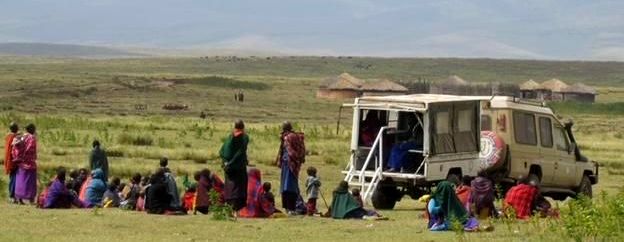
Healthcare access in the Ngorongoro Plateau remains extremely limited, making mobile healthcare services essential for many families. To help address this gap, WMI supports the mobile medical clinic led by Dr. Shemagembye, through his local organization, Community Health And Environmental Conservation (CHAEC), which travels throughout the Ngorongoro Conservation Area to provide medical care and health education directly to families who might otherwise have no reliable access to treatment. The Mobile Medical Clinic carries our 45 – 50 scheduled visits to rural communities every month and involves remote Health Care Workers in the clinic’s outreach within their respective catchment areas. This coordination is extremely effective and allows for the issuance of thousands doses of various Antigens each month.
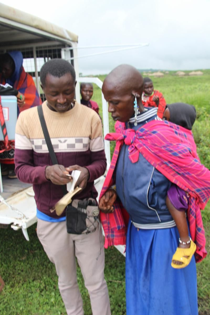
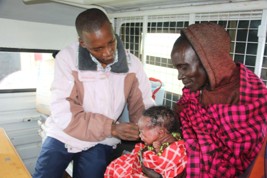
In a repurposed trailer converted into an examination room, the clinic travels between different villages throughout the region with Dr. Shemagembye driving and directing the volunteer medical staff in providing treatment and support along the way. Maasai women are notified of the mobile clinic’s schedule through text messages. They often walk long distances with infants and young children in order to receive care.
| |
The clinic provides a wide range of services, including maternal and reproductive healthcare, vaccinations, emergency care, and prenatal and postnatal care. Translation support is provided to help women better understand available medical services and improve ease of access.
A typical clinic visit to a village includes:
- Vaccination of Children less than 2 years and pregnant mothers.
- Growth monitoring to children less than five years.
- Treatment of common conditions.
- Health Education sessions on Personal hygiene, Nutrition, Diseases prevention, Environmental Sanitation and Conservation to all clinics posts.
| |
The clinic pays particular attention to the health and well-being of pregnant women and new mothers and provides these antenatal care services:
- Maternal Health assessment: Regular blood pressure checks; weight and height measurements; urinalysis to detect issues like pre-eclampsia.
- Fetal Monitoring: Check development and heart rate of the fetus.
- Screening and Diagnostics: Blood tests for anemia; blood group/Rhesus factor; syphilis; HIV/Aids.
- Preventive Medication and Supplements: Provision of Iron and Folic Acid supplements; Tetanus Toxoid Vaccination; Provision of Insecticide Treated Nets (ITN) and Malaria preventive Chemotherapy drugs.
- Nutritional and Health counselling - Advice on diet and identifying danger signs.
- Birth preparedness: Development of a birth plan.
- Post Natal planning: Information on breast feeding and Family Planning.
| |
Clinic attendance has helped reduce post-natal fevers in mothers and newborns, increased the number of women receiving medial support while delivering to prevent severe bleeding, and increased the number of babies receiving vaccinations against serious diseases. Overall, this has helped improve family health and well-being. For many women and children, this clinic represents the only consistent healthcare available throughout the year.
The community awareness developed throught the mobile clinic's Health Eduaction sessions is significantly increaing the number of families who seek preventative health services.
| | | | |