|
Greetings!
As America celebrates its 250th anniversary, it's worth reflecting on how much has changed since 1776. Advances in medicine, technology, and economic growth have transformed the way we live—and the way we retire.
In our nation's early years, retirement as we know it today didn't really exist. Most people worked as long as they were physically able, and life expectancy was significantly shorter than it is now.
Today, retirement may last 20, 30, or even 35 years. What was once a brief final chapter has become an entire stage of life, often filled with travel, hobbies, family activities, volunteer work, and new opportunities. But a longer retirement also means facing more years of inflation, market volatility, healthcare expenses, and financial decisions.
That's why retirement planning today requires more than simply reaching a savings goal. It requires a strategy designed to support a potentially decades-long retirement while remaining flexible enough to adapt as life changes.
As we reflect on 250 years of American history, one lesson becomes clear: the future will always be uncertain, and the strongest plans are those built with flexibility in mind.
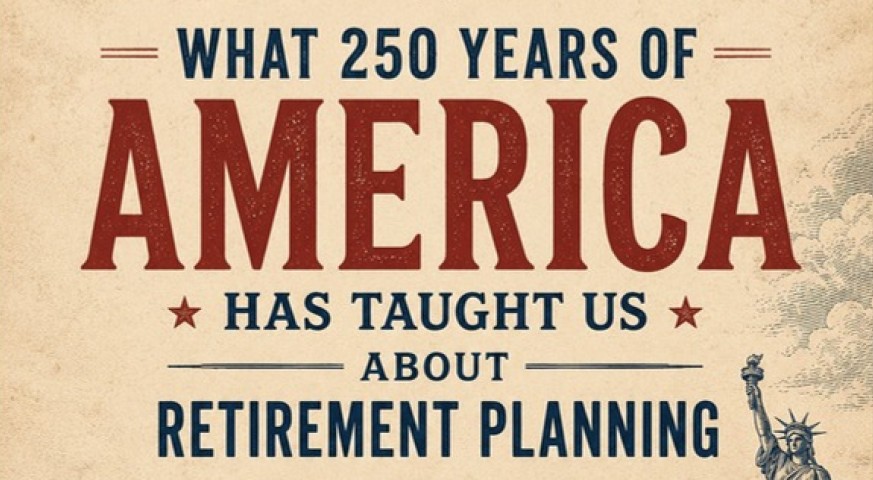
Click here to download our complimentary guide: "What 250 Years of America Has Taught Us About Retirement Planning," and discover how history's lessons can help you prepare for a retirement that's built to adapt.
If you'd like to discuss how these ideas apply to your own retirement, give us a call at (714) 912-4906. We're always happy to have a conversation and help you move forward with greater confidence.
Sincerely,
|