|
Intensified Oppression
"Since I went to Pharaoh to speak in Your name, he has increased the oppression of this people, and You have not rescued Your people."
(Exodus 5:23)
Because of Moses, the liberator, the Israelites’ hardship actually worsened, yet their complaints reveal a very short-sighted attitude: they could not endure even the temporary difficulties of the process, much less consider the lasting honor and prosperity that Exodus would bring. Additionally, Moses’ immediate appeal to God, rather than demonstrating steadfast and mature leadership, also shows his lack of experience as a leader. Yet perhaps such responses are typical of God’s people as they traverse the path of salvation through the darkness of their age.
Pharaoh’s Misunderstanding
Relying on the authority of God’s word, Moses and Aaron boldly approached Pharaoh, demanding, “Let My people go.” Pharaoh, however, replied, “Who is the LORD that I should obey Him?” Prideful in his absolute power as ruler of the greatest kingdom of the ancient world, Pharaoh scorned the command of the God of mere slaves rather than the gods of Egypt. To Pharaoh, ignorant of God, the God of Israel was only an object of contempt and ridicule. Declaring that he would not release the Israelites, Pharaoh revealed his stubborn resistance.
Heightened Warning
It was impossible for Moses and Aaron to persuade Pharaoh by human means. Their second appeal also failed. They requested that the Israelites be allowed to rest and offer sacrifices to their God, pointing out the negative consequences of refusal. Like despotic rulers of all ages, Pharaoh responded by intensifying the labor, aiming to suppress any impulse toward freedom.
Escalated Hardship
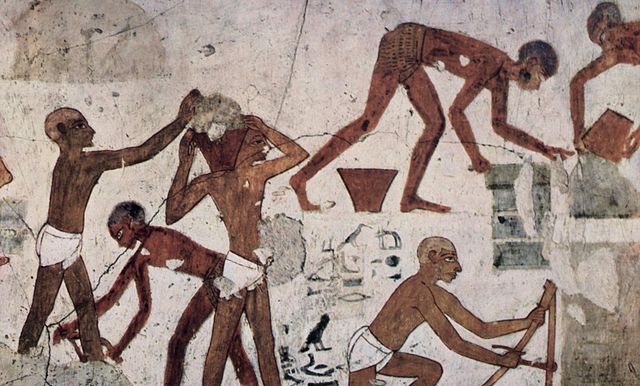
Pharaoh accused Moses and Aaron of undermining the Israelites’ work ethic, claiming their demands were lies intended to incite laziness. He imposed even harsher labor than before. Pharaoh viewed their request as an unjust excuse to shirk work and rejected it outright. Furthermore, despite the earnest pleas of the Israelite foremen, Pharaoh demanded the Israelites meet their brick quota with no reduction, driving them relentlessly.
Growing Israelite Complaint
Pharaoh’s approach was effective: the Israelites ceased to support Moses and Aaron. The foremen realized that not only were their appeals ignored, but Pharaoh’s anger worsened their suffering, and that the very cause of their increased hardship was the demand for wilderness worship. Beyond blaming Moses and Aaron, the people now even appealed to God to judge them and take appropriate action.
Reflection
God acts with sovereign authority, not merely to persuade, but to compel the obstinate to submission. Pharaoh’s stubborn refusal ultimately brought unimaginable calamities—the ten plagues—upon himself and his people. Those who disregard God’s warning will inevitably face corresponding judgment. Meanwhile, the Israelite foremen, unable to discern God’s will, condemned His messengers instead. This reminds us not to speak presumptuously on God’s behalf or misuse His word to judge others.
|