|
So far, we have explored together the creation and covenant in Genesis, the redeemed community of Exodus, Christ in the Gospel of Luke, the birth of the church in Acts, and the theology of the gospel in Romans. Now, the book of Ephesians shows us what the gospel actually produces in the lives of God’s people.
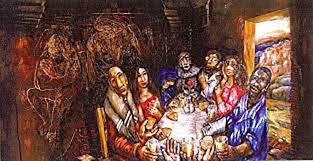
The central theme of Ephesians is the church. Paul introduces the church not simply as an organization or gathering, but as “the body of Christ” (Eph. 1:23). He describes it as the community placed at the center of God’s redemptive plan, in which God is bringing all things together under Christ. The church is not merely the result of salvation; it is a living testimony through which God’s work of redemption is revealed to the world.
In particular, Ephesians emphasizes that God’s “mystery” has been revealed in Christ. This mystery is the creation of a new community in which Jews and Gentiles become one body (Eph. 3:6). This can be understood as the visible expression within the community of the gospel described in Romans—that “all the Gentiles might come to the obedience that comes from faith.”
This understanding of the church presents an important challenge for us today. The church is not merely a place where worship services are held; it is a community where the values of the Kingdom of God are realized in advance. In a world filled with division and conflict, the church must bear witness to reconciliation and unity. Therefore, Paul exhorts believers to “make every effort to keep the unity of the Spirit through the bond of peace” (Eph. 4:3). The strength of the church does not come from programs or organizational structures, but from relationships and spiritual unity formed through the gospel.
Furthermore, the purpose of the church’s existence is “for the praise of his glory” (Eph. 1:12). The church does not exist for itself but exists to reveal the glory of God’s salvation. Therefore, the mission of the church is mission itself—to participate in the redemptive work that God is accomplishing.
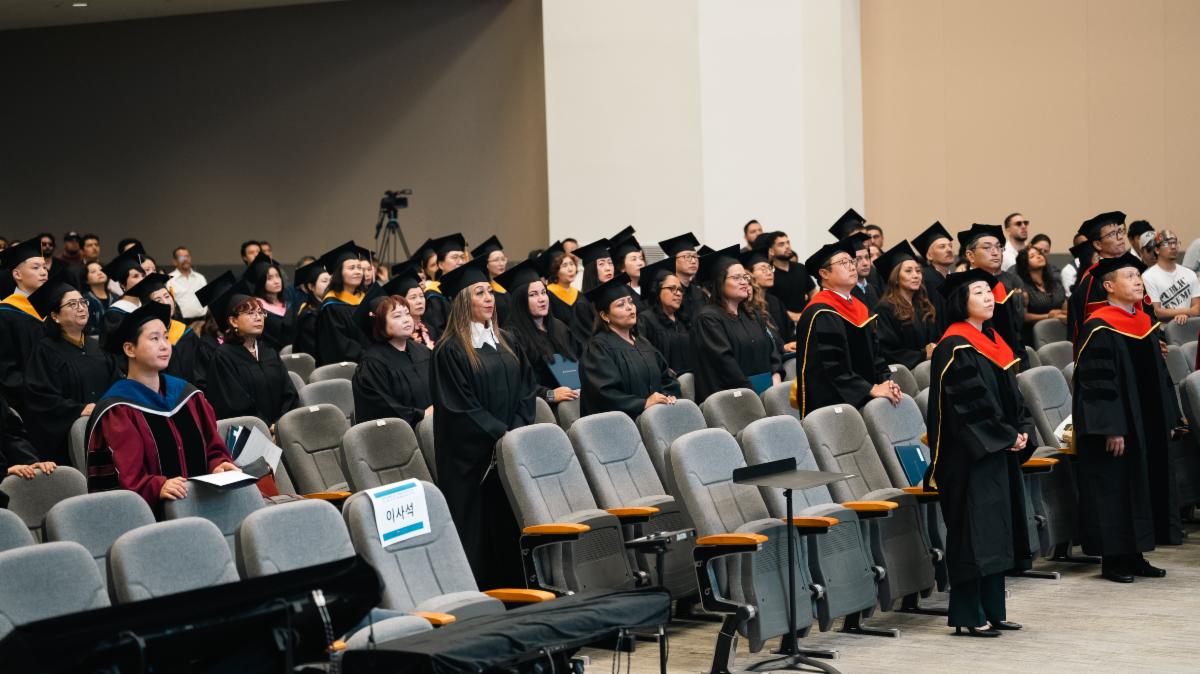
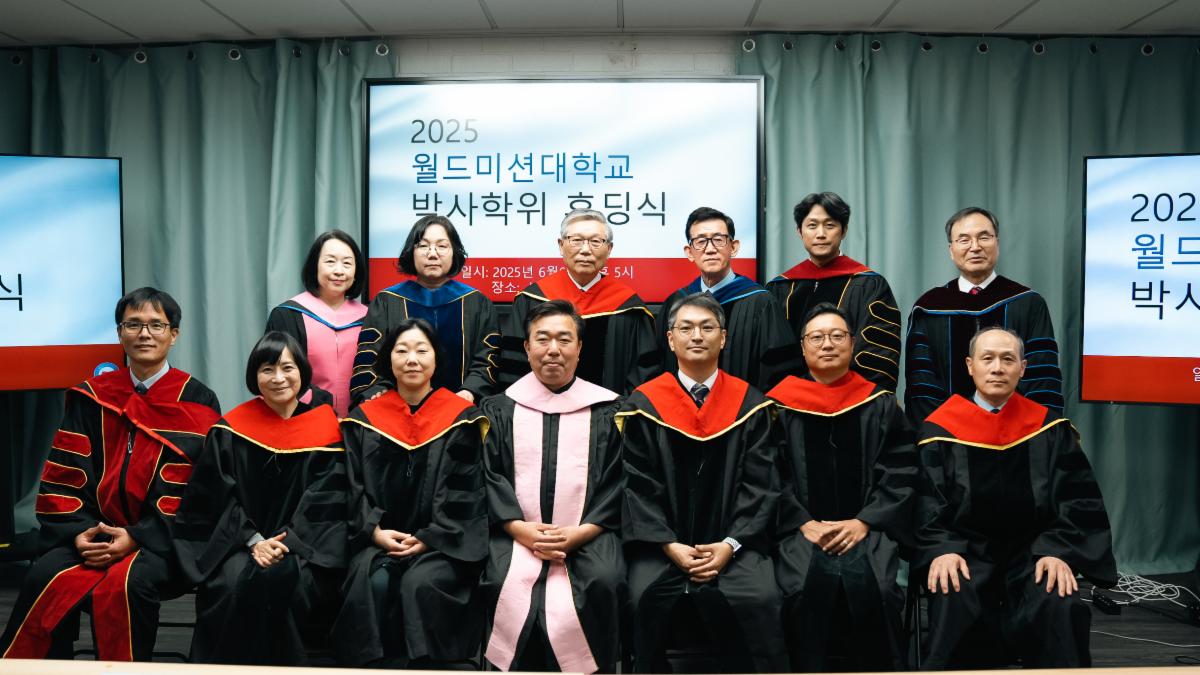
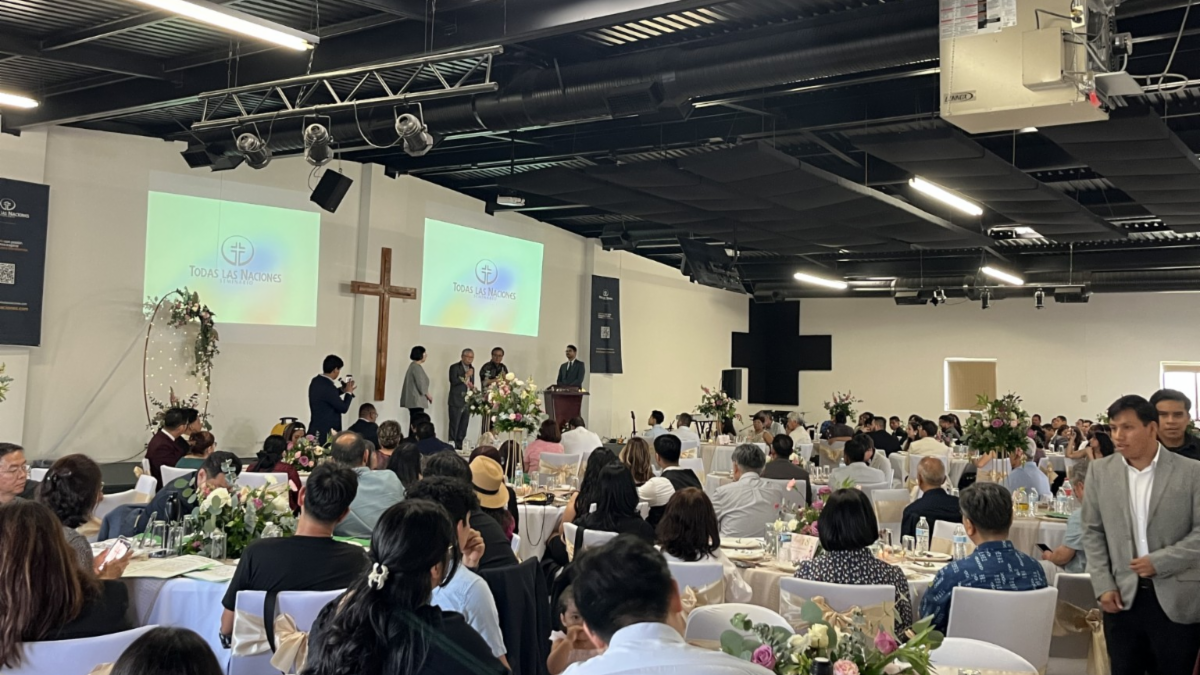
The WMU community must also embrace this vision of Ephesians. Our education should not merely be about transferring knowledge, but about building up the body of Christ (Eph. 4:12). Our ministry should pursue the maturity and unity of the church rather than individual success. We must also become a community that demonstrates the power of the gospel, where people from diverse cultures and backgrounds become one in Christ.
Ephesians asks us a question today:
“Is the community to which you belong truly a community created by the gospel?”
Before this question, we must return once again to the gospel. And we must live out the life of reconciliation and unity, service and mission that the gospel creates. This is the challenge that Ephesians presents to the church and to each one of us today.
|