|
From Caesarea to the Island of Crete
“Men, I perceive that the voyage will be with injury and much loss, not only of the cargo and the ship, but also of our lives.”
But the centurion paid more attention to the pilot and to the owner of the ship than to what Paul said.
(Acts 27:10–11)
Paul’s activities in Jerusalem are described in detail in Acts 21:15–26:32. The Jews accused Paul by linking him to Jewish temple rituals and access to the temple, and Paul defended his position before the crowds. Although the Pharisees and the Sadducees held completely different theological positions, they united in their effort to eliminate Paul and fiercely slandered him. Eventually, Paul stood before Governor Felix and later appealed to his successor, Governor Festus. He also spoke before King Agrippa, declaring his sincere conviction and testifying that Jesus Christ is the true Messiah. The governors, the king, and many who were present were convinced of Paul’s innocence. However, realizing that there was nothing more they could do, Paul was ultimately sent to Rome in chains.
From Caesarea to Sidon
Paul and several other prisoners were sent to Rome under the supervision of Julius, a centurion of the Augustan Cohort. The Augustan Cohort was a unit belonging to Emperor Augustus, consisting of about 600 soldiers. Like many other units, it could bear the honorable title of an “imperial cohort.” Luke’s use of the word “we” indicates that Christians accompanied Paul on his journey to Rome. When they docked at Sidon, the centurion allowed Paul to receive care from his Christian friends there. The church in Sidon is thought to have been established by Hellenistic Jewish Christians who had been driven out during the persecution in Jerusalem.
From Myra: Boarding an Alexandrian Ship Bound for Rome
From Sidon they traveled past Cilicia and Pamphylia and arrived at the port of Myra. Myra was a common stopover for ships carrying Egyptian grain from Alexandria to Rome. When Paul and his companions boarded a Rome-bound ship from Alexandria that had docked at Myra, they immediately encountered difficulties in sailing because of adverse winds.
Conflict over Priorities
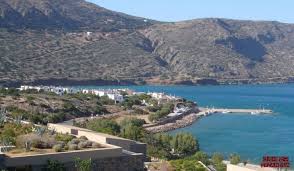
From the outset, the strong winds made navigation difficult. They barely reached opposite Cnidus, but as the winds grew stronger, they passed with difficulty along the lee of Salmone and finally arrived at a harbor called Fair Havens. This port was near the city of Lasea and was often used by ships as a place to stay during such conditions, as it was relatively suitable for wintering.
Although a severe storm had not yet arisen, the season for storms had already begun. Paul therefore warned that continuing the voyage toward Rome at that time would be dangerous. He explained that if they set out now, a sudden and powerful storm would leave them with no place of refuge, resulting in great loss—not only of cargo but also of human life. However, the pilot and the shipowner preferred to sail on to the harbor of Phoenix in Crete to spend the winter there, since Fair Havens lacked proper lodging facilities and would require greater expense if they stayed for an extended period. The centurion, who was responsible for the journey to Rome, trusted the shipowner and the pilot more than Paul.
Paul, by divine insight, foresaw the dangers ahead and warned those in charge, but they rejected his advice for economic reasons. The perilous events that would unfold were already foreseeable. We know this through Scripture, but they did not recognize it and therefore made a critical decision based on their own common sense.
Points for Reflection
The shipowner and the pilot chose what seemed economically less burdensome, even if it involved some risk. Paul, with the wisdom given by God, proposed remaining at Lasea. In the end, the chief authority, Centurion Julius, decided to leave and proceed toward Crete. This voyage would endanger human lives, and all the goods they ultimately hoped to profit from would be lost, making it obvious that remaining at Lasea was the wiser choice.
When we must make decisions about unknown outcomes, we are led to consider what 기준 we should use. Paul never doubted that he would reach Rome no matter what happened, yet he also knew that the journey would be difficult.
President Sung Jin Lim
|