|
Hello, my name is Bokyung Yang, and I have returned to pursue the Christian Coaching PhD program eight years after graduating with my MDiv. At this point, I have begun to discern the identity of the ministry God has called me to and, based on the many experiences He has prepared for me, I have found a clear path for my work. The core identity of my ministry is caring for leaders.
I felt the need to learn more and conduct deeper research through a doctoral program, which led me to re-enroll. Once I decided to pursue a PhD, I initially thought I might go to a different school outside of WMU. However, during my research, I discovered that WMU’s counseling program leaves a very positive impression on many people and that the faculty are highly regarded. Even when looking specifically for a PhD in coaching, I heard recommendations for WMU from people who didn’t even know I had graduated from there. In the end, all signs pointed me back to my alma mater.
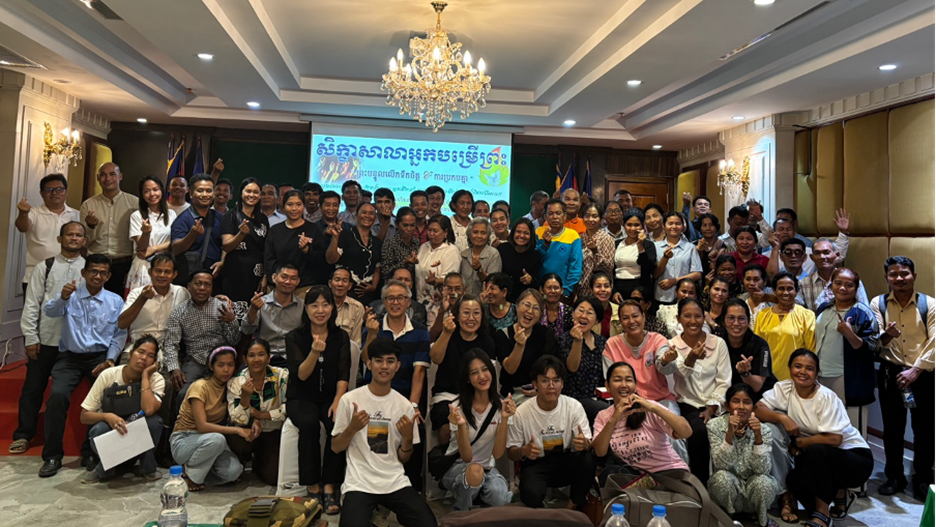
Currently, my ministry involves conducting seminars for indigenous pastors in Cambodia twice a year. I visit Cambodia to provide training, focusing on developing the faith and spirituality pastors need, as well as supporting systems required for church leadership. I personally designed and led this program from the start, which is now in its fourth year. It began with 16 pastors, and today nearly 150 indigenous pastors participate. While I initially ran this alone, I now teach alongside two missionary colleagues, with six others assisting.
In addition, I run a nine-day annual seminar for missionaries in Cambodia, especially female missionaries, followed by a two-year course of weekly online 1:1 Bible coaching called “God and Me.” This coaching helps participants engage with Scripture personally, while weekly Wednesday prayer meetings provide time for reflection and discovering God’s presence. Remarkably, spiritual order and depth of sharing have grown steadily; participants are experiencing transformation that is recognized even by themselves and their families. The purpose of this ministry is to help participants care for themselves first, and through it, I too have the opportunity to learn and grow under God’s amazing power and love.
Upon returning to the U.S., I will lead the “God and Me” 1:1 coaching program online, using the Bible. Participants hand-copy one page at a time from both the Pentateuch and the Epistles, reflecting on new insights and discoveries, and exploring how God’s Word applies to their own lives. The participants are geographically diverse—Seattle, Eastern Maryland, Los Angeles, Korea, and Cambodia. I currently coach 11 individuals one-on-one each week, and including group coaching, I mentor 19 people weekly, most of whom are ministry leaders.
From the beginning, my single focus has been this: how can these leaders align their lives with God’s will, as expressed in 1 Thessalonians 5:15-18, so that God’s purposes are fulfilled in them? I believe that a community of God’s people living in obedience and delighting in Him will bring joy to God and reflect the life of His children. Following this calling and guided by the Holy Spirit, I have returned to pursue a PhD to learn and research more deeply, so that I can serve alongside those whom God sends to me.
|