October 9, 2026

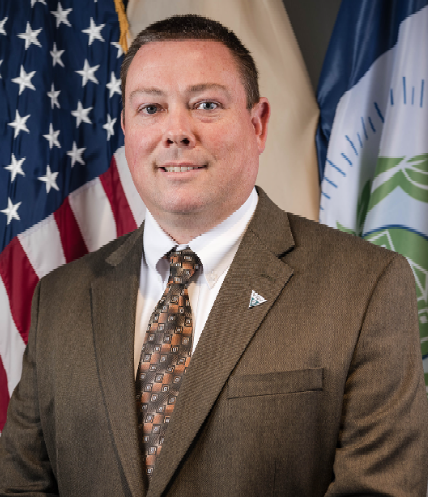
Message from Jim Carr, Chief Operating Officer

Wastewater keeps flowing even when a major storm knocks out power. That is why the September 25–27 nor’easter brought an essential part of WMUA’s work into focus: making sure our pump stations and treatment facility are prepared to continue serving the community through severe weather.


As the storm approached, we prepared for strong winds, heavy rainfall, power outages and flooding.

Our priority was to prevent disruptions to the wastewater service that local homes and businesses depend on every day.


That service begins with the collection system and pump stations that move wastewater to our treatment facility in Manalapan. There, wastewater goes through the treatment process before being discharged. A major storm can put pressure on several parts of this system at once. Wind can interrupt electricity, heavy rainfall can increase flows into the collection system, and flooding can make equipment more difficult to access. When a storm moves slowly, those challenges can persist for days.


Backup generators help us keep critical pumping and treatment equipment running when utility power is interrupted. Because wastewater continues to arrive during a power outage, this backup power helps keep it moving through the system and reduces the risk of service disruptions. But storm preparedness does not begin when a storm appears in the forecast. Maintaining equipment, testing generators and reviewing emergency procedures are things our staff does throughout the year.


Our employees are another important part of that preparation. Our team brings the experience and judgment needed to respond as conditions change. During severe weather, the team monitors wastewater flows, equipment performance and power availability to determine where attention is needed. Clear response procedures help guide that work and having experienced, reliable employees who understand our system and know how to respond when something goes wrong is just as important as having the right equipment in place.   


The work continues after the weather clears. Assessing equipment and addressing maintenance needs help us prepare for the next storm, whether it arrives next week or next season.


For residents, much of this work happens out of sight. But every pump station that keeps wastewater moving and every treatment process that continues operating helps protect public health and our environment. Our goal is to keep your wastewater service reliable, even when the weather is unpredictable.

Employee Spotlight: Hunter Hart

During the nor'easter that recently hit the area, most stayed safe indoors, giving little, if no thought to the millions of gallons surging through local sewer lines. 


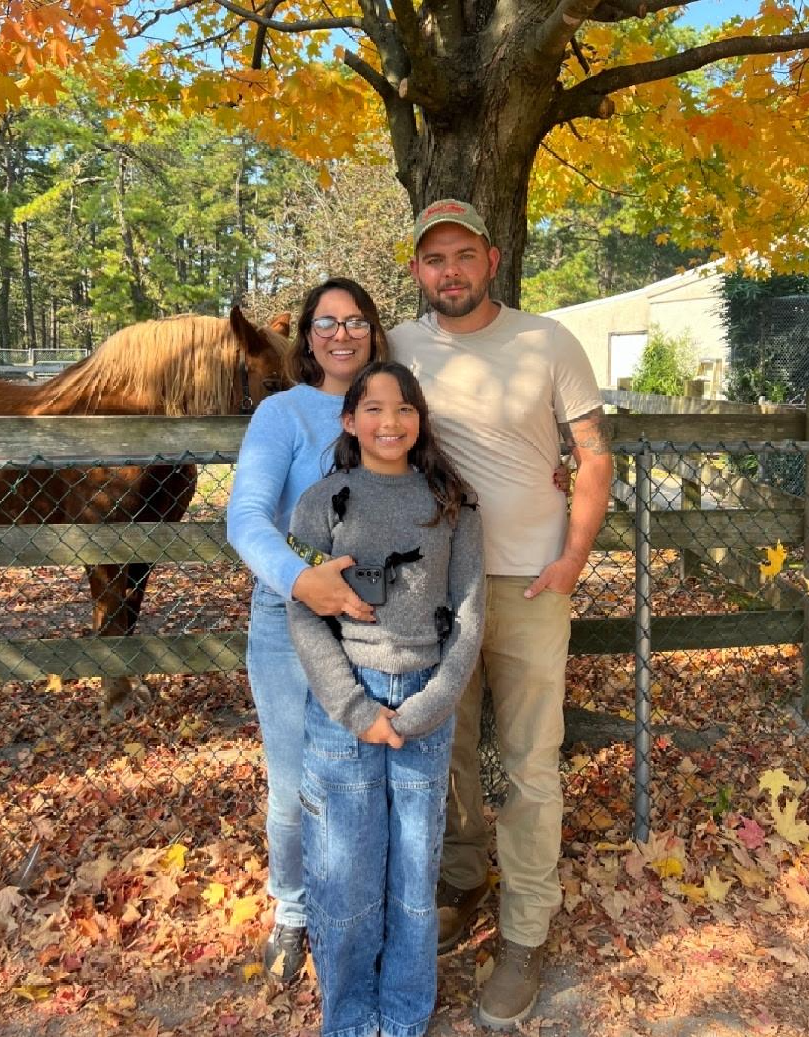
For Wastewater Treatment Plant Operator Hunter Hart, those are the critical moments that matter most. Since joining the WMUA team in March 2019 with a background in wastewater collections and treatment, Hunter has dedicated himself to protecting the local environment and ensuring the facility operates seamlessly.

On a typical day, Hunter focuses on preventative maintenance, equipment diagnostics, and maintaining water quality through biological management. His daily efforts ensure the facility meets all NJDEP guidelines, returning water to local waterways cleaner than the brook itself.


When severe weather hits, however, that routine oversight shifts into high gear. As torrential rain from the storm flooded the system, incoming water volumes threatened to overwhelm biological processes and damage equipment. Identifying the risk, Hunter made the crucial judgment call to activate the facility's Wet Water Standard Operating Procedure.


Working straight through the night alongside his shift partner, Hunter executed a continuous balancing act. Together, they diverted flow into bypass tanks, shut down restricting equipment, and carefully regulated flow rates across the facility to keep operations steady under massive strain, preventing system overload and a potential environmental disaster in nearby watersheds.


"You don't want to let your guard down when every second counts in this situation,” Hunter said. “When you're managing millions of gallons surging through the plant, a delayed decision can disrupt the delicate biological balance we work so hard to protect."


Hunter's quick thinking and overnight response prevented facility damage and safeguarded surrounding ecosystems. Caring for the environment is his genuine passion, and his dedication behind the scenes ensures the community's water systems remain safe and dependable.

Where Would We Be Without Wastewater Service?

Imagine starting your day with no working toilet and no way to wash the breakfast dishes. On Thursday, October 15, the national “Imagine a Day Without Water” campaign will ask our community to consider how much daily life depends on reliable wastewater systems.


For WMUA customers, that connection continues long after water goes down the drain. Every shower, load of laundry and toilet flush sends wastewater into a collection system that carries it toward treatment. WMUA’s pumps and treatment facility in Manalapan help manage that flow, providing a service that local homes and businesses depend on.


Without reliable wastewater collection and treatment, ordinary routines would quickly become public health concerns. Sewage could back up, businesses could struggle to operate, and untreated wastewater could threaten waterways. Wastewater treatment helps protect both community health and the water resources we share. 


The observance also draws attention to the infrastructure and people behind this essential service. 


Pipes, pumps and treatment equipment require maintenance and investment. WMUA’s professionals oversee treatment processes and respond when equipment or conditions change. Much of that work happens out of sight, making it easy to overlook until something goes wrong.


Residents can help protect the system through simple daily habits. Keep wipes out of toilets, including those labeled “flushable,” and dispose of cooking grease in the trash rather than down the drain. 


On October 15, take a moment to think about where water goes after you use it. The drain marks the beginning of another essential journey, one that helps keep our community healthy and our waterways cleaner.

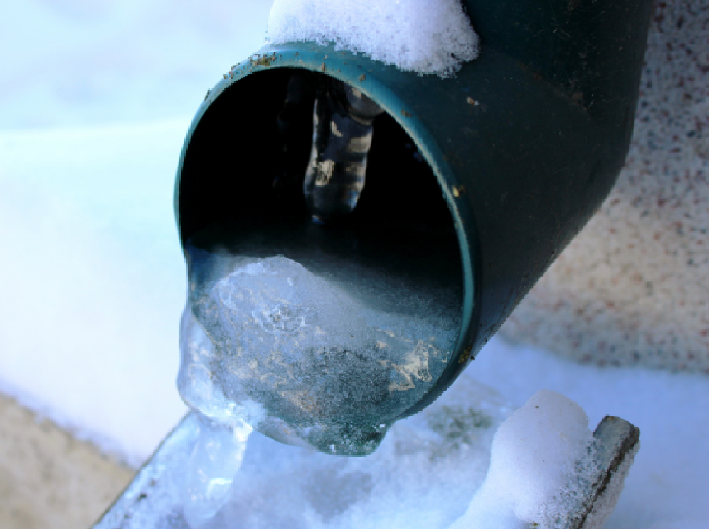
Summer is Over: Winterize those Drains

When preparing a shore home or lake house for winter, remember that drainpipes, toilets and plumbing traps need attention along with water supply lines.


Water left in these fixtures can freeze and cause damage while the house is empty.


Do

  • Have a licensed plumber winterize an unheated home. Ask the plumber to address toilets, sink and shower traps, floor drains, and appliances that discharge wastewater.
  • Protect drain traps from freezing. These curved sections of pipe hold water that blocks sewer gases from entering your home. Winterizing them requires preserving that protective seal.
  • Use the right winterizing product. Where antifreeze is needed, use only a product specifically intended for plumbing winterization, following the label and your plumber’s directions.
  • Check for leaks before leaving. Address leaking drain connections and toilets rather than letting problems sit through the winter.


Don’t

  • Don’t assume shutting off the main water valve empties the wastewater plumbing. Water remains in toilet bowls and drain traps.
  • Don’t leave traps empty. An empty trap can allow sewer gases into the house.
  • Don’t pour automotive antifreeze down toilets or drains. It is toxic and unsuitable for household plumbing winterization.


The Water Systems Council’s winterization guide explains how to protect toilets and drain traps when closing a seasonal home.


Before reopening in spring, have the plumbing checked for damage and restore water to drain traps before normal use.

WMUA Fun Fact

Some of wastewater treatment’s hardest workers are microscopic. In a process called activated sludge, bacteria and other microorganisms break down organic waste. The WMUA supplies oxygen and mixes water to help tiny organisms work their magic.


Western Monmouth Utilities Authority | 103 Pension Rd | Manalapan Township, NJ 07726 US

Constant Contact