September 2024 Markets Newsletter | |
|
In this issue:
- "Keep Those Balls in the Air: Lessons Learned From Juggling" by Nicole Pyles
-
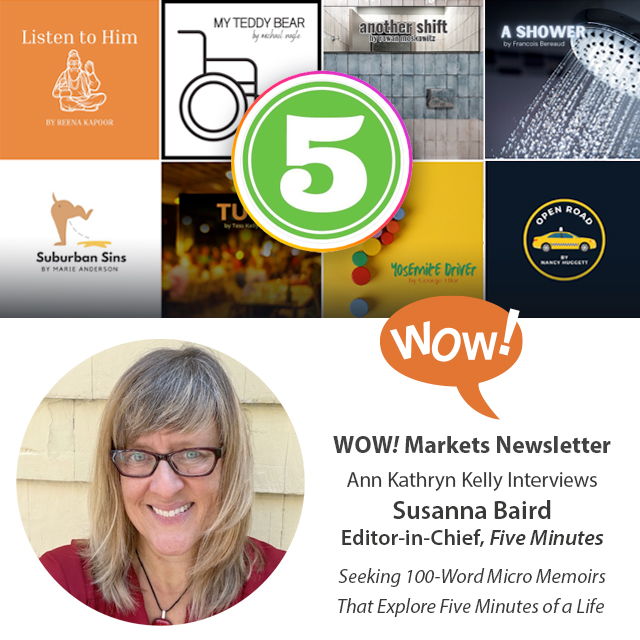
"On Submission with Five Minutes, Editor-in-Chief Susanna Baird" interview by Ann Kathryn Kelly
- September Deadlines: Poetry, Fiction, Nonfiction, Multigenre, Just for Fun
-
Breaking In: "How to Become a Digital Marketing Writer" by Jane Fazackarley
- Craft Corner: "How to Stick the Landing On Your Short Story's Ending" by Savannah Cordova
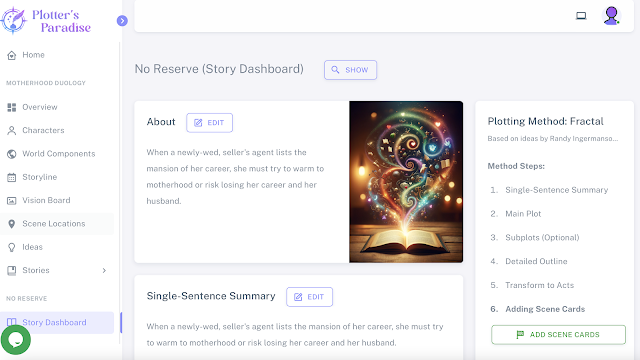
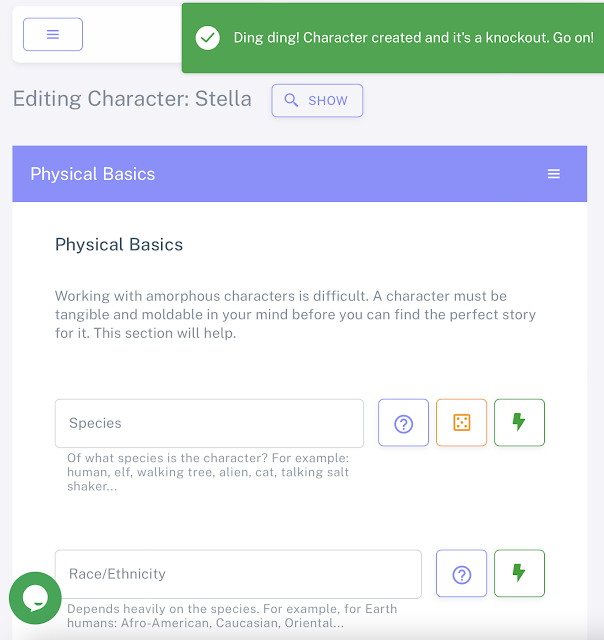
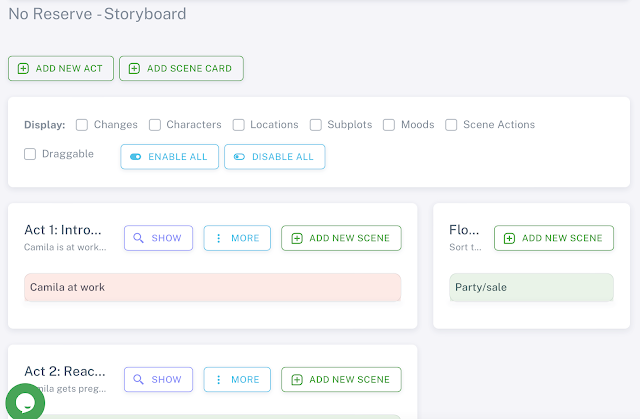
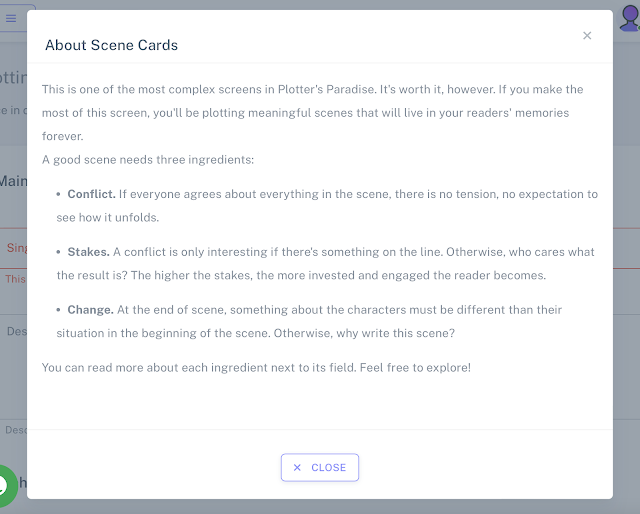
- Plotter's Paradise Review by Kelly Sgroi
-
Recent posts from The Muffin
| |
|
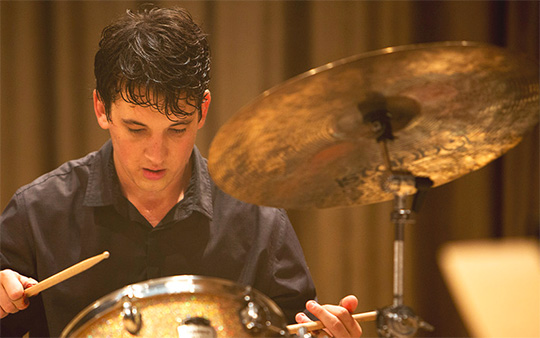
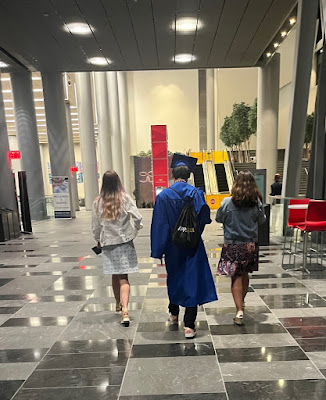
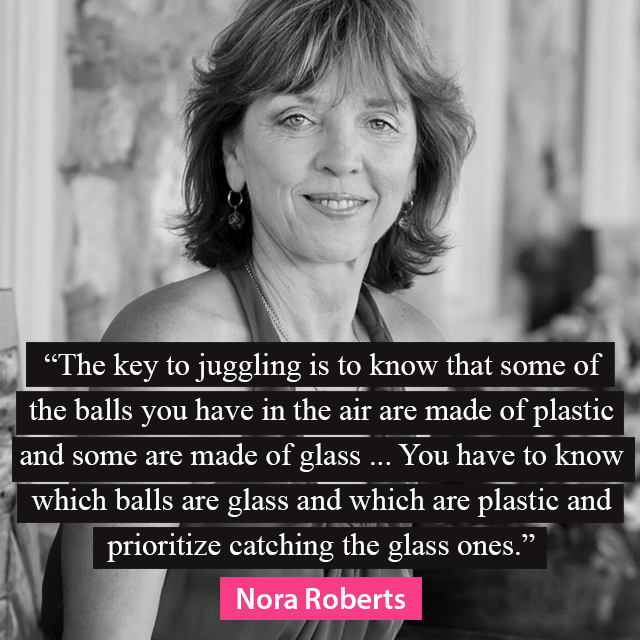
What do you juggle alongside your writing efforts? Maybe you work a full-time job while squeezing in bouts of creative work. Or maybe you are raising a family while scribbling down ideas for your next novel. It could be that you are helping out an aging parent as you try to query your manuscript. Or maybe you are doing all these things and trying to maintain a regular writing routine (and your sanity) at the same time.
As writers, we’re prone to juggling. We balance our writing dreams alongside other responsibilities we have committed to and personal relationships we hold so dear. Since few of us are blessed enough to have writing as our sole day job, it’s typically an extra bullet point on a burgeoning to-do list, and we try to follow through wherever we can.
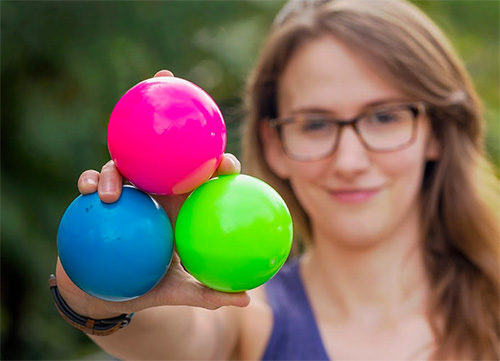
I was thinking about this fine art of juggling when I picked up literal juggling this past summer. I learned it as a young child when my older brother bought a how-to book from Barnes and Noble. It came with three colorful juggling balls, and he learned the skill in an afternoon. It wasn’t long before I learned it, too. However, it had been years since I actually had done it until I bought a four-ball juggling set on Amazon.
By practicing literal juggling, I learned a few important lessons about writing:
| |
|
Embrace the Learning Stage. Since I knew how to juggle in the past, I figured the skill would return naturally to me now, like riding a bike. Turns out, it isn’t like that at all. After wasting too much energy on tossing up balls and scrambling to catch them, I decided to watch instruction videos. Like with juggling, there’s always an opportunity to improve our writing. Whether it’s returning to the basics, like understanding the core elements of storytelling, or learning more advanced techniques, like building our author platform, never be too afraid or too confident to learn.
Failure is Progress. I’ve discovered it can be tough to toss a ball into the air. It goes against a strange natural instinct within me. I didn’t run into this issue juggling three balls, but once I progressed to four, I froze. I tossed the first and second balls in the air. Yet, I couldn’t push myself to toss up the third and the fourth. One tip I learned: practice dropping them. Before long, I froze less, and my skills with juggling four balls have improved.
In writing, sometimes we lose our nerve out of fear of failure. We freeze in place and stop moving forward. Sometimes the only way to move forward with writing is to take risks. Whether it’s submitting to a new literary magazine, querying agents, or writing your imperfect first draft, your writing will grow when you stop expecting perfection and continue despite any setbacks.
| |
On Submission With ... Five Minutes | |
|
A year ago in September, I queued with three dozen writers on a stage in Salem, Massachusetts, as we stepped to a microphone in rapid succession to read our 100-word micro memoirs that had been published in the online journal, Five Minutes. Salem is home to the famed Salem Witch Trials that took place in 17th century colonial New England. The grisly history still fascinates almost 350 years later, drawing thousands to this seaside community daily during the Halloween season.
Halloween was still more than six weeks away when I was there last year, but another crowd had gathered, that time for the annual, multi-day Salem Literary Festival. Susanna Baird, Editor-in-Chief for Five Minutes, structured her sponsored reading event to move at a brisk pace to match the bite-sized rhythm of stories in her journal. I’m happy to catch up with Susanna again a year later to chat about the micro form, her journal, another upcoming Salem Lit Fest, and more. But first, let’s take a quick look at their mission and submissions guidelines.
Founded in 2020, Five Minutes invites writers to explore five minutes of a life using just 100 words. Joining Susanna on the masthead is Managing Editor Maria Picone, Founding Reader Bobbi Lerman, and Kate Meen who edits their monthly newsletter “Five Minutes More.” Five Minutes invites a rotating panel of readers to vote on submissions each month that are then sent to the masthead for final decisions. I had the honor (and fun!) of being one of nine guest readers in June 2024, scoring close to 50 submissions.
Subs are accepted on a rolling basis through Submittable, and writers can expect a response within two months (sometimes sooner). Five Minutes publishes pieces online four days weekly.
| |
|
WOW: Welcome, Susanna! Thanks for joining us!
Susanna: Thanks, Ann! I learned about WOW via Five Minutes, thanks to you and a few other writers who included WOW in their bios. I’m honored to be here.
WOW: Since we opened the column with the Salem Lit Fest, why don’t we start there? I was excited when you emailed me to join you and a panel of writers at the Fest last September to read our published pieces from Five Minutes. Can you tell us more about your involvement with the Salem Literary Festival, and specifically about your reading event called “Five Live” that is part of the larger festival? How many years have you done this? How much work goes into organizing Five Live? How would you describe the energy onsite, and what is the most rewarding aspect?
Susanna: Though I’ve lived in Salem since 2004, I didn’t learn about the festival until 2018, when Madeline Miller came as keynote to talk about Circe. I joined the planning committee soon after and have been involved in a variety of ways, from helping at Children’s Lit Fest to running “Five Live”—the event you described which became part of the festival in 2022.
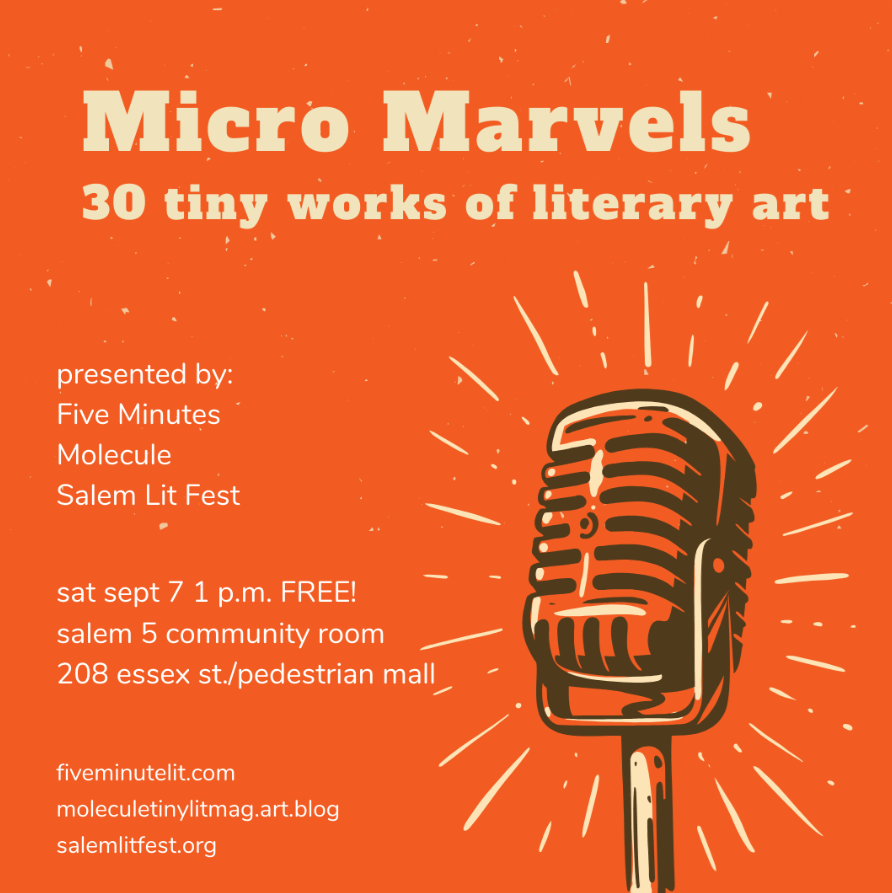
This year, we’re teaming up with Molecule, another Salem-based journal dedicated to very short pieces of writing for “Micro Marvels: 30 Tiny Works of Literary Art.” It’s part of a full day of literary events, and will be held September 7 at 1:00 p.m. Each Five Minutes piece will be paired with a Molecule piece, and we expect the event to be as fast-moving and high-energy as last year’s event. The advance work primarily involves pairing pieces and preparing a script, so everyone knows where to go and when. For me, the most rewarding part is getting to see a live audience react to our writers’ amazing pieces as they are read aloud. We hope more Five Minutes fans in the area will come cheer us on!
| |
|
WOW: Five Minutes was founded in 2020. What prompted you to start this journal? Did the pandemic play into it?
Susanna: Since 2016, I’ve been part of a writing group that supports each other in all the usual writing-group ways. Around the summer of 2020, in an effort to clear my brain, I occasionally started my writing sessions tackling tiny moments stuck in my head. I limited myself to 100 words and short moments so I wouldn’t spend too much of my writing time on what were meant to be brain-dumping warmups. I told my group about the practice and they started writing hundred-worders as well. I threw their pieces up on my personal site and shared them on my Facebook. Because it was the pandemic, and people were looking for engaging distractions, random Facebook friends started writing hundred-word pieces about short periods of time as well, and submitting them. To give them a proper, if very basic, home I posted them on a Squarespace blog and people just kept submitting and submitting, and now ... well, same very basic blog, filled with a lot of great writing from all over the world.
WOW: Why micro memoir? Why not micro fiction? Why exactly 100 words?
Susanna: These were just meant to be start-the-day exercises for me, so I set parameters without much thought. Describing a moment I’d recently lived seemed a good clear-the-head exercise, so I went with it. I had zero experience writing either micro fiction or micro memoir, and didn’t know the latter term existed. I’d love to say I had more high-minded goals, but nope.
WOW: Your submissions guidelines are clear, but I’d wager that you may still get subs that come in at, say, 102 words or 98. How often would you say that happens? If someone is within a few words on either side, but it’s a strong piece aside from that, do you encourage them to tweak it and resubmit? Or is it just a No, because it fell outside the word count?
Susanna: What Google Docs counts as 100, MS Word may count as 99 or 101. Pages might offer a third word count. For this reason, we don’t worry about hitting 100 until a piece is accepted. At that point, if one of the word processing programs tells us it’s 100, we go with it. Having said that, our Submittable form won’t let a piece come in over 100, so that’s never an issue. On the very rare occasion a piece comes in more than a word or two below 100, Maria and I can tell just by looking. In those rare cases, we will require the submitter to revise and hit 100 before the piece goes to our guest readers.
WOW: What do you most enjoy about your editorial role? What perspective do you bring to the table?
Susanna: I’ve worked as an editor in a variety of settings, from magazines to business websites. I love editing, which allows me to come at writing from a different angle than I do when I’m knee-deep in my own writing. In my current life, I’m not doing any editing outside Five Minutes so I’m especially grateful for it.
| |
|
“Micro memoirs effect a very pointed, punchy impact that you don’t always experience when you’re moving through shifts more slowly, in longer pieces.”
| |
|
WOW: Five Minutes publishes online, four times weekly. I imagine the micro format lends itself well to this active publishing schedule. About how many submissions come in each month, and what is Five Minutes’ acceptance rate?
Susanna: Our monthly submissions numbers vary, but typically come in between 50 and 80 pieces per month. We accept 15 to 20 every month, so the acceptance rate can be figured from there. For a month with 80 pieces, our acceptance rate would be 25-percent.
WOW: Five Minutes accepted two of my pieces—Germie and Lash Waltz—and I loved writing both. It’s a fun challenge to capture a fully realized slice of life in just 100 words. I wanted to bring out the whimsy in my pieces, but I’m sure you see all emotions presented on the page. What makes a micro jump out as a Yes for you? Does accepted work tend to share commonality—maybe precise detail, a clear turning point, or landing an emotional note quickly, given the compact form?
Susanna: Craft absolutely matters. Well-chosen particulars can push a story about a common theme into the realm of the new. In general, I want to see a shift, which can be as simple as a writer arriving at a thought as a result of what they witness or as dramatic as a writer avoiding being hit by a taxi thanks to a stranger’s intervention. But without the shift, to me it isn’t a story. Now that I’m four years into reading micro memoirs, I especially crave anything we haven’t received before. That could be the first writer from a country to submit, or a popular topic that a writer has experienced in a unique way, or writes about in a unique way.
WOW: What do you feel the micro form is able to do that a longer piece may not do?
Susanna: So many of life’s shifts are experienced in very short moments of time. A person dies. A relationship begins. A serious situation shifts into the absurd, a happy friendship tips into discord. Writers of micro memoir must figure out exactly where the shift happens, and exactly which details are necessary to both explain it and bring it to life. Micro memoirs effect a very pointed, punchy impact that you don’t always experience when you’re moving through shifts more slowly, in longer pieces.
WOW: Pointed and punchy. Great way to summarize this form. What advice might you give writers to make every word count?
Susanna: While we love very particular details, we often get pieces that contain so many adjectives they feel padded, as if the author struggled to arrive at 100. In a short amount of space, excess adjectives can tip a piece into too much and drown what’s actually happening. My number one piece of advice would be, mind your adjectives!
WOW: Sound advice! You also rotate in a new panel of readers each month, inviting writers published in Five Minutes to join you, Maria, Bobbi, and Kate in selecting pieces. I was happy to help out this past June. What prompted the idea to keep rotating guest readers on a monthly basis? What are the advantages? Any drawbacks to this rapid—and deliberate—reader turnover?
Susanna: Our contributors are our readers. When we put out the call for a few helpers a month to get additional eyes on submissions, the response was so enthusiastic we ramped it up to a larger group. We always want more stories about more situations, from more voices and lives lived in more places. To achieve that goal, we need a diversity of opinions on what we publish. And we get it! I’m always amazed at the disagreement between readers on any given piece. Very often, what three readers love, three others dislike. Not only does this process make for a greater diversity of pieces accepted, but also the readers’ explanations of why a piece did or didn’t work for them helps Maria and I when we are making the final call. So far, drawbacks have been minimal.
WOW: I noticed on your site that Five Minutes puts out occasional calls for contests. How does the team decide contest themes and choose guest contest editors? Is there a fee to enter? How often are contests announced?
Susanna: We’ve done two contests, one in Spring 2022 and one in Fall 2023, and are ramping up for our third, which will run in October with the winner announced early in 2025 (prize $150). This year’s judge is Max Pasakorn, who writes sharp, short nonfiction and is, as I type this, working on our theme for this year. We’ll be pulling in six past guest readers to help narrow the submissions to ten for Max, and I will be reading as well as Maria, Bobbi, and Kate. The fee, which is happily waived for anyone who needs it, will be $5 per submission, two submissions max. The contest will run for the month of October, and we’ll also accept our usual free submissions during that time. We’ll launch it all with a blast to our newsletter subscribers and via social media soon!
WOW: Looking forward to seeing your theme! What sets Five Minutes apart from other journals that focus on flash or micro?
Susanna: Focus-wise, we are very tight. We want a very short moment of time. I think that’s the primary thing that sets us apart. We also make a concerted effort to promote every piece, shouting them out multiple times on Instagram, X, and Facebook. We also give every submitter personalized feedback about what worked. There are some really lovely, thoughtful people running journals, so I’m not sure those things set us apart, but rather put us in good company.
WOW: You send out a monthly newsletter called “Five Minutes More” and I must compliment you on the format! I love that you include the first sentence of every piece featured in a given month. How did you decide on your newsletter’s bite-sized format that makes it such an easy and fun read?
Susanna: Writing is hard, and sometimes lonely. There’s nothing worse than having a piece accepted, only to have the journal tweet it out once, and then ... that’s it. All done. The piece you wrote, that you took to your workshop friends, that you plumped and primed, is now just out there, semi-disappeared after maybe a day of hooray. With the newsletter, we make a little more noise around each piece, and also give writers a chance to share what else they are working on, to make them feel that when they publish in Five Minutes, they become part of a supportive community. This sounds very cheerleader-y, but I guess I just want to celebrate our writers the way I want to be celebrated.
WOW: I definitely appreciate your community-building focus in the newsletter that invites writers published in your journal to share their good news. WOW does something similar. Why do you feel community is so vital for writers? How do we grow from sharing and supporting each other?
Susanna: I touched on this a little above, but writing can be a mind-melting endeavor, one that we undertake alone. The discouragement can overwhelm, whether it’s a mood dip because a piece keeps getting rejected or frustration because we are stuck on a plot problem or exactly how to phrase something to get our intent across. At the same time, many of us spend our days with friends and family who are not writers, who might be supportive but don’t understand what writing involves mentally, emotionally, intellectually. As do all professionals, writers need peers who get it. Some days, “getting it” means celebrating all that a piece’s publication represents, and some days getting it means taking a look at a passage another writer can’t make work. At its best, community is the fulfillment experienced when we are part of a group of people who are as wholly engaged with the practice of writing as we are.
| |
|
“With the newsletter, we make a little more noise around each piece ... to make them feel that when they publish in Five Minutes, they become part of a supportive community.”
| |
|
WOW: We love to promote writers. In that spirit, what are some of your favorite Five Minutes pieces that our readers might enjoy?
Susanna: Like a proud parent, I love all our pieces equally. I’ll shout out the piece we published today (it’s August 16, as I’m typing this): Never Too Late by Kayla Lang, a self-described “small-town Malaysian displaced in London.” Our guest readers felt Kayla’s choice of details really captured her date’s surliness, and were completely surprised by the ending.
WOW: What a great little gem that covers years! I love the turn in Kayla’s piece. How about other literary magazines you admire? What do you appreciate about them?
Susanna: I love so many lit journals—and really appreciate the hours I know they’re all putting in—so I hate to pick! To stay on theme, I’ll mention a couple that go short-short, Paragraph Planet and Molecule, both topping out at 75 words, max. Check them out, micro fans!
WOW: As we wrap our interview, I’d love to hear about your own first publication, as those are always memorable. With which journal were you first published? Share a link if you have it!
Susanna: This is embarrassing and indicative of my middle-aged status, I can’t remember who published me first! I wrote a few pieces for the Duke University Health Center newsletter back in the late 1990s, then some pieces for a now-defunct website aimed at college students, and then moved into journalism proper in the early 2000s, publishing some short pieces with Boston Magazine and The Boston Globe that I can no longer find online! I haven’t published much lately, I’ve been knee-deep in a long project for several years, as well as my non-writing work (helping run a small nonprofit and sandwich-generation caregiving). But, here’s a piece from X-R-A-Y I was thinking about recently, when my husband and some friends took up pickleball.
| |
|
I think many of us have met a Kitty when visiting family or friends in a hospital—a character, for sure! My thanks to Five Minutes Editor-in-Chief Susanna Baird for chatting with us. Readers, remember that submissions are accepted on a rolling basis. Test your brevity and pen a five-minute slice of your life to send in to Susanna and team.
Until next time!
| |
|
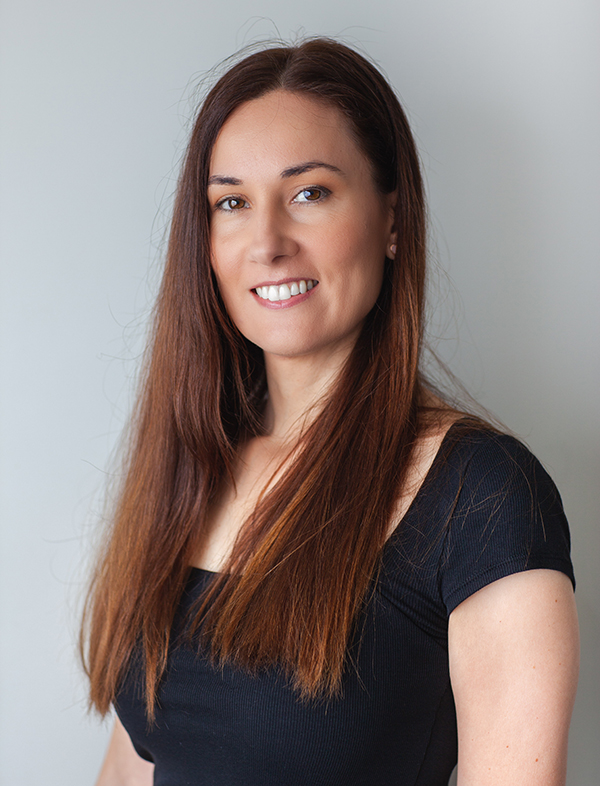
Ann Kathryn Kelly writes from New Hampshire’s Seacoast region. She’s an editor with Barren Magazine, a columnist with WOW! Women on Writing, and she works in the technology sector. Ann leads writing workshops for a nonprofit that offers therapeutic arts programming to people living with brain injury. Her writing has appeared in a number of literary journals. https://annkkelly.com/.
| |
|
2024 Crone Power (Women Poets Over 50)
Deadline: September 1
For their annual Fall 2024 Crone Power issue, the editors seek work that examines what it means to be a woman over 50. They want poems that celebrate the Crone, the older woman with wisdom and life experience. Send them your honest poems, the ones about the heartache and glory of being an older female, dealing with life, the universe, and everything. Submit no more than 4 poems. No fee.
https://gyroscopereview.submittable.com/submit/299531/2024-fall-crone-power-submissions
Academy of American Poets First Book Award
Deadline: September 1
The Academy of American Poets First Book Award is a $5,000 first-book publication prize. The winning manuscript, chosen by an acclaimed poet, is published by Graywolf Press. Manuscripts must be of original poetry, in English, by one poet. There are no restrictions on the style of poetry or subject matter. Manuscripts must be between 48 and 100 pages. Fee: $35
https://poets.org/academy-american-poets/prizes/first-book-award
2024 Broken Tribe Press Poetry Book Award
Deadline: September 1
They are seeking poetry collections 60+ pages, excluding front and back matter. Submit a separate brief cover letter with a brief bio in third person (no more than a page total). They offer a standard contract, a small number of author copies, a substantial discount on additional copies purchased by the author, and an annual royalty payment. Fee: $12
https://lawrencelandingcompany.submittable.com/submit/299748/2024-broken-tribe-press-poetry-book-award
The Debut Chapbook Prize
Deadline: September 1
Frontier Poetry’s mission is to create a space for new and emerging poets to have their voice heard. Their Debut Chapbook Contest is an opportunity for emerging poets to submit their unpublished chapbook or manuscript of up to thirty pages of poetry. The winner will receive $2,000 and publication, which includes a free, downloadable digital chapbook on their website, 50 physical author copies to share and sell, and the option to enable drop-shipping sales at Amazon, Bookshop, and Barnes & Noble, earning 50% royalties on your chapbook. Fee: $25
https://frontier.submittable.com/submit/4052f665-94f4-42af-b10d-79dc9ea42924/the-2024-debut-chapbook-prize
Naugatuck River Review Annual Narrative Poetry Contest
Deadline: September 1
Submit no more than 3 unpublished NARRATIVE poems of no more than 50 lines per poem (not including stanza breaks). The final judge is Allison Joseph. Prizes: $1,000, $250, and $100. All winners, finalists and semi-finalists will be offered publication in the winter/spring 2025 issue of Naugatuck River Review. Fee: $20
https://naugatuckriver.submittable.com/submit
Red Flag Poetry
Deadline: September 15
Red Flag Poetry was founded Indiana, PA. Each month, they publish a poetry postcard featuring a poem and art, sent to readers by snail mail. They are drawn to pithy poems that employ interesting and innovative language, images, or content. Submit up to 3 poems per submission window, along with an author bio. For their print postcards, they value a shorter form both for ease of presenting on a postcard and for a quick poetry fix on the fly. They welcome all kinds of poetry. No fee.
https://redflagpoetry.submittable.com/submit/301397/summer-24-poetry-submissions
Eye to the Telescope – Theme: Outlaws
Deadline: September 15
Send poetry under the theme of outlaws. "I want your take on outlaws, defined broadly—give me your space cat renegades, your dryad anti-government environmental activists, your fed up monsters ready to throw down against the powers that be, your alien mercenaries, your dynamic lover-robbers, your charming assassins, your child-thieves: make them loud, make them stealthy, make them in-your-face, make them subtle, make them violent, make them pacifist, make them winners or losers, lovable or loatheable—whatever you do, just make sure it’s in verse form, memorable, vivid, and speculative." Submit 1-3 unpublished poems in English. Accepted poems will be paid for at the following rate: US 4¢/word rounded up to nearest dollar; minimum US $4, maximum $25. Payment is on publication. No fee.
https://www.eyetothetelescope.com/submit.html
2025 Ambroggrio Prize
Deadline: September 15
The 2025 Ambroggrio Prize awards $1,000 and publication for a book-length poetry manuscript originally written in Spanish and with an English translation. The winning manuscript is published by the University of Arizona Press. The judge is Gianinna Braschi. The original manuscript in Spanish must be between 48 and 100 pages. No fee.
https://poets.submittable.com/submit/298378/2025-ambroggio-prize
2024 Princemere Poetry Prize
Deadline: September 20
Princemere announces its seventeenth annual poetry prize for an unpublished poem in any style. The winning poet will be awarded $300, with $200 to be shared among runners-up. Submit up to four poems. Fee: $5
http://www.princemere.com/
The 2024 Rising Poet Prize
Deadline: September 22
This contest is open to poets who have not yet published a full-length collection at the time of submission. The first-place winning poet will be awarded $3,000, publication, and an interview in Palette Poetry. The second-place and third-place winners will receive $300 and $200, respectively, as well as publication. The top ten finalists will be selected by Palette editors, and Guest Judge Morgan Parker will choose the three winners from among the ten finalists. Submit no more than three poems and under ten pages in one document. Fee: $20
https://palettepoetry.submittable.com/submit/300950/the-2024-rising-poet-prize-3500-awarded-judged-by-morgan-parker
The X. J. Kennedy Poetry Prize
Deadline: September 30
Established in 1998, The X. J. Kennedy Poetry Prize highlights one full-length collection of poetry per year. Since 2024, the Prize comes with a $10,000 advance, TRP's X. J. Kennedy Poetry Prize Fellowship at Vermont Studio Center, a standard royalty contract, and 10 copies of the published book. The Prize is open to poets at any stage of their career. There are no formal restrictions for this prize; they welcome manuscripts of any style/form. The guest judge is Diane Seuss. Fee: $28
https://texasreviewpress.org/submissions/x-j-kennedy-poetry-prize
Southword Editor’s Poetry Award
Deadline: September 30
Enter three poems to be considered for the top prize of €1,000. Southword was founded in the year 2000 and brings new work in poetry and creative prose by writers from around the world to readers from around the world. Each entrant will receive a complementary postage-free, one-year subscription. Fee: €24
https://munsterlit.ie/southwordeditoraward/
Sundress Anthology for Sexual Assault Survivors
Deadline: September 30
Sundress Publications announces an open submission call for a new anthology of poetry written by sexual assault survivors. Submissions can but do not need to directly deal with sexual assault. Interested poets should submit up to 3 poems along with a short bio (max. 100 words), and a preferred email address. Previously published work will be considered as long as you retain the right to reprint it and note where it first appeared. Contributors will be paid a small honorarium and receive a copy of the print anthology. No fee.
https://www.sundresspublications.com/news/2024/06/call-for-submissions-for-anthology-of-poetry-by-sexual-assault-survivors/
Lit Fox Books: Book-Length and Chapbook-length Poetry Manuscripts
Deadline: September 30
Lit Fox Books, a nonprofit press based in Austin, TX, is seeking book-length poetry submissions. Authors receive 25% royalties, worldwide distribution, 25 author copies with no mark up on additional copies, 25 customized book marks with the opportunity for other customized items, and an interview with Lit Fox Books that will be published on the website. Simultaneous submissions are allowed. No fee.
https://litfoxbooks.submittable.com/submit/297591/book-length-and-chapbook-length-poetry-manuscripts
Last Stanza Poetry Journal – Theme: Oops!
Deadline: September 30
The theme for Last Stanza Poetry Journal Issue #18 is “Oops!” A single $100 award will be given for an outstanding poem. Last Stanza Poetry Journal is published worldwide in ebook, softcover, and color-illustrated hardcover. Poems can be any style, but preferably non-rhyming. Submit up to three poems, each no longer than 64 lines, to laststanza@outlook.com as a single Word document or within the body of your email. No fee.
https://laststanzapoetry.blogspot.com/2024/07/callout-for-submissions-to-issue-18-of.html
Rhonda Gail Williford Award for Poetry
Deadline: September 30
The Rhonda Gail Williford Award for Poetry honors the courageous, passionate, and justice-oriented life of poet and attorney Rhonda Gail Williford. Sincerity, vulnerability, and courage are codes Rhonda lived by and the editors are looking for poems that reflect these ideals. First Prize: $150. Second Prize: $100. Third Prize: $50. Please submit one poem that incorporates themes of justice, dignity, and resistance to hello@humanrightsartmovement.org, with the subject line: Rhonda Gail Williford Award for Poetry. Please include your name as you would like it to appear, country of residence and brief biography. No fee.
https://humanrightsartmovement.org/rhonda-gail-williford-award-for-poetry
Tom Howard/Margaret Reid Poetry Contest
Deadline: October 1
Submit your poem for either the Tom Howard or Margaret Reid Poetry contest. First place for the Tom Howard prize is $3,000 for a poem in any style or genre. First place for the Margaret Reid prize is $3,000 for a poem that rhymes or has a traditional style. The top two winners will also receive two-year gift certificates from their co-sponsor, Duotrope (a $100 value). Honorable Mentions will receive 10 awards of $300 each (any style). Top 12 entries published online. Length limit: 250 lines maximum per poem. Fee: $22
https://winningwriters.com/our-contests/tom-howard-margaret-reid-poetry-contest
Changes Book Prize
Deadline: October 1 (Opens September 1)
Open to US residents, the Changes Book Prize awards $10,000 and publication for a first or second collection of poems. In addition to the cash prize, winners receive a fairer-than-standard publishing contract, national distribution, extensive advertising and publicity, 50 copies of their book, and a launch event in NYC. This year’s winning manuscript will be selected by Terrance Hayes. Criteria for selecting a winning manuscript are broad; the judge and first readers do not screen submissions with a preference for any particular “style” or type of poetry, and emphatically are not looking for work that bears an affinity to their own. Manuscripts must be a minimum of 48 numbered pages and a maximum of 96 numbered pages in length, including the title page and table of contents. No fee.
https://changes.press/book-prize/
| |
|
Best Children’s Picture Book Text 2024
Deadline: September 1
Open internationally to unagented and unpublished writers only. First Place: £500 cash prize and a one-to-one call with the agent judge. Submit the complete picture book manuscript and a short pitch that tells them what the story is about. Word limit: Your text and illustration notes together should be no more than 1000 words. Pitch: 125 words max. Judges: Lorna Hemingway of Bell Lomax Moreton. Fee: £12
https://www.searchlightawards.co.uk/competitions/best-childrens-picture-book-text-2024/
Best Novel Opening for Children or Young Adults 2024
Deadline: September 1
Open internationally to unagented and unpublished writers only. First Place: £1000 cash prize and a one-to-one call with the agent judge. Submit the first 1,200 words of a longer novel for middle-grade or young adult readers and a short pitch of 175 words or less that tells them what the book is about. You don’t need to have finished writing your manuscript to enter. Judge: Rachel Petty of The Blair Partnership. Fee: £16
https://www.searchlightawards.co.uk/competitions/best-novel-opening-for-children-or-young-adults-2024/
Stories Out of School Flash Fiction Contest – Stories About Teachers
Deadline: September 1
Teachers have the most fascinating, difficult, and important job on the planet, and their workdays are filled with stories. Yet teachers seldom appear in fiction. This annual contest, for teachers and non-teachers, was created to inspire great stories about teachers and the rich and crazy world of schools. The winning story will be published in A Public Space's print edition and the author will receive $1,000. Any adult of 18 years or older is eligible to submit, whether a teacher or not. Story must be a work of fiction between 6 and 499 words. No fee.
https://www.academyforteachers.org/contests
Thomas E. Kennedy Novel Award
Deadline: September 1
Serving House Books is seeking brave, well-crafted, literary novels for the Thomas E. Kennedy Novel Award. They want books that are overlooked and under-appreciated by traditional commercial publishing companies. They do not have a strict word count, however, books over 110,000 words are less likely to be feasible. The award winner will receive a standard publishing contract with generous royalties, publication of the book as paperback and ebook, a cash prize (if the number of entries allows to do so), five free copies upon publication, and gold award stickers. Fee: $25
https://lawrencelandingcompany.submittable.com/submit/299752/thomas-e-kennedy-novel-award
The Fiddlehead’s 2024 Fiction Contest
Deadline: September 2
Enter a short story up to 6,000 words maximum. The winning entry will be published in Issue 302 (Winter 2025) of The Fiddlehead and on the website. There is a publication payment in addition to the contest prize of $2,000 CAD. The current publication payment rate is $65/page. The winner will also be interviewed. You will receive a one-year subscription to The Fiddlehead with your first entry. Fee: $35 CAD (for Canadians) $50 (for Non-Canadians).
https://thefiddlehead.ca/contest
Fractured Lit: Elsewhere Prize
Deadline: September 15
For this contest, Fractured Lit wants the forgotten, the hidden, the otherworldly. They are accepting micro, flash, and sudden fiction submissions of stories from 100-1,500 words. The winner will receive $3,000 and publication, while the second- and third-place winners will receive publication and $300 and $200, respectively. All entries will be considered for publication. Judged by Tara Campbell. Fee: $20
https://fracturedlit.submittable.com/submit
Last Chapter Press Steamy and Sweet Romance Story Contests
Deadline: September 15
The top steamy romance story and top sweet romance story will win publication by Last Chapter Press in the summer of 2025 in paperback, ebook, and audio formats; $300 cash prize via PayPal; $300 gift certificate to Successful Writer Marketplace; a collection of Last Chapter Press merch. Submit a 25,000- to 50,000-word romance! Preferably a travel, seaside or beach romance, but if a story is amazing, that’s as important! Along with male/female pairing with a sweet or steamy storyline, LGBTQIA+, romance stories are welcomed, too. Send your submission to julie@lastchapterpress.com with subject of 2024 Contest. No fee.
https://www.lastchapterpress.com/contests-for-2023
100-Foot Crow – Theme: Run!
Deadline: September 15
Submit your short stories to 100-Foot Crow's next theme of: Run! You can submit one story to the themed submission and one to the general submission. They’re open to any take on the theme. You can be running from bigfoot, running for mayor, or anything in between. Submit stories of only 100 words. Pay: $8.00 per piece. No fee.
https://100footcrow.com/submission-guidelines/
The Rumpus: Fiction
Deadline: September 15
The Rumpus welcomes original short fiction up to 5,500 words. They are interested in stories that have layers, with elements of surprise and unexpected stakes and points of tension running beneath. Rumpus stories tackle emotional depth while not being at all sentimental. They love it when a story's language, plot, and characters feel palpable and dynamic on the page, and a strong sense of place goes a long way. Pay: $400 to be divided between writers who opted in that month. No fee.
https://therumpus.submittable.com/submit/23502/rumpus-original-fiction
Flame Tree Fiction – Theme: Morgana le Fay
Deadline: September 22
Flame Tree Fiction is very excited to announce a new call for submissions, on the theme of Morgana le Fay. Morgana le Fay is a mysterious figure of Arthurian legend, found in Sir Gawain and the Green Knight, Le Morte d'Arthur and a number of other accounts. Stories submitted for consideration need to explore new angles to the character: have her follow alternative paths, present different viewpoints, imagine new futures, or perhaps pursue story lines that are hinted at in the original tales. Pay: 8 cents/6 pence per word for original stories, 6 cents/4 pence for reprints. Story length is most likely to be successful at 3,000-4,000 words, but they will still read stories slightly outside this range. No fee.
https://blog.flametreepublishing.com/fantasy-gothic/morgana-le-fay-submissions-0
Mslexia Women’s Short Story Competition 2024
Deadline: September 23
Submit complete short fiction on any subject, up to 3,000 words. Guest judge: award-winning novelist and short story writer Leone Ross. 1st prize: £3,000. Three additional finalists will each receive £100 and all four winning entries are published in Issue 104 of Mslexia. Winning entries plus eight more shortlisted entries will be published in Mslexia's ebook anthology Best Women's Short Fiction 2024. Fee: £12
https://mslexia.co.uk/competitions/short-story/
Mslexia Novel (Children’s and Young Adult) Competition 2024
Deadline: September 23
Submit the opening 3,000 words of your novel for children or young adult readers. Your novel must be at least 20,000 words. Mslexia’s competition is open to women who are not yet published as novelist—self-published authors are eligible providing you’ve had fewer than 500 sales. Guest judges: Elle McNicoll (best-selling children’s novelist), Caroline Carpenter (Children’s Editor, Bookseller) and Clare Wallace (literary agent at Darley Anderson Children’s). 1st prize: £5,000. Finalists receive manuscript feedback from The Literary Consultancy and personal introductions to literary agents arranged in partnership with New Writing North. Longlisted entrants will be asked to submit their finished manuscripts along with a synopsis later in the judging process. Fee: £26
https://mslexia.co.uk/competitions/childrens-and-ya-novel/
Hearth Stories
Deadline: September 30 (Opens September 1)
Hearth Stories publishes speculative fiction (fantasy & science-fiction in our case) slice-of-life stories with a focus on connection, family, relationships, comfort, and the natural world (they love stories prominently featuring nature, as opposed to tech). Word count: 1,000 words up to 10,000. However, the ideal length may be something in the 1,500 - 3,500-word range. Pay: 1¢ per word for accepted stories (with a minimum of $20 regardless of length). No fee.
https://hearthstories.org/submissions.html
The Iowa Short Fiction Award & John Simmons Short Fiction Award
Deadline: September 30
The Iowa Short Fiction Award and the John Simmons Short Fiction Award are annual prizes given to two collections of stories by emerging short fiction writers, which are then published by the University of Iowa Press. Manuscript submissions are managed and juried through the Iowa Writers' Workshop. Any writer who has not previously published a book-length volume of prose fiction is eligible to enter the competition. The manuscript must be a collection of short stories in English of at least 150 word-processed, double-spaced pages. No fee. https://uipress.uiowa.edu/resources/prospective-authors/iowa-short-fiction-award
Jerry Jazz Short Fiction Contest
Deadline: September 30
Since 2002, three times a year, Jerry Jazz Musician awards a writer who submits the best original work of previously unpublished short fiction. Open internationally. Prize: $150 for the winning story. All story themes are considered, and ideally, stories will not exceed 3,000 words, but stories of up to 4,000 words are considered. Submit your story via Word (preferred) or PDF attachment to jerryjazzmusician@gmail.com, and be sure to include your name, address and phone number with your submission, as well as a brief 50 to 100-word story synopsis. Please include “Short Fiction Contest Submission” in the subject heading of the email. No fee.
https://www.jerryjazzmusician.com/short-fiction-contest-details/
Writers College Short Story Competition – Theme: ‘It didn’t have to be this way’
Deadline: September 30
The competition is open internationally to any writer who is unpublished, or has been published fewer than four times. First Prize: NZ $1,000. Second Prize: NZ $500. Third Prize: NZ $250. All winners will be published in an anthology of winning stories. They accept stories in any genre (literary/horror/sci-fi/fantasy/spec fic). However, literary fiction tends to fare best with their judges. The 2024 theme is ‘It didn’t have to be this way’. Writers can interpret and represent the theme in any way they choose. Each story must include the phrase ‘It didn’t have to be this way’ somewhere in the story. Writers must produce their own title. Word count: 1400 - 2000 words. Submissions can be sent to Nichola Meyer: nichola@nzwriterscollege.co.nz. Longlist announced October 31, and winners are announced November 15. No fee.
https://www.thewriterscollege.com/the-writers-college-annual-short-story-competition/
Permafrost Annual Book Prize in Fiction
Deadline: October 1
Since 2014, Permafrost Magazine has held an Annual Book Prize contest for the best manuscript (genre alternating each year, with this year focusing on fiction). The winner of the contest receives $1,000 and publication through the University of Alaska Press. The final judge will be Pulitzer Prize winning novelist and Alaska writer Eowyn Ivey. Submissions should be approximately 150-300 double-spaced pages (45,000 - 90,000 words). All fiction sub-genres (novels, short story collections, novella collections, or any combination of those forms) are eligible. Fee: $25
https://www.uaf.edu/permafrostmag/annual-contests/
Mary Wollstonecraft Shelley Scholarship (Women Horror Writers)
Deadline: October 1
The Mary Wollstonecraft Shelley Scholarship may be awarded to a writer who identifies as a woman. The Horror Writers Association (HWA) has established two $2500 Scholarships to assist in the professional development of horror writers. To apply, you will fill out an application that includes an introductory letter, financial plan, and a writing sample up to 3,000 words. No fee.
https://horrorscholarships.com/mary-shelley-scholarship/
| |
|
Philly Chapbook Review
Deadline: Rolling
Philly Chapbook Review is looking for reviews of forthcoming or recently published poetry chapbooks and literary essays. All reviews should contain excerpts to highlight the reviewer’s statements. They should also answer the following questions: What is the author trying to say? How does the author achieve their goal and where do they fall short? How does the reviewer feel about the book as a reader? What types of readers might enjoy the book, what type wouldn’t, and why? Length of book reviews: 400-600 words. Craft essays should focus on a particular element of poetry or chapbook craft and include examples to support their arguments. Length: 1,500 – 3,000 words. Pay: $10 per review or essay. No fee.
https://phillychapbookreview.org/submissions/
The American Scholar
Deadline: Rolling
The American Scholar is a quarterly magazine of public affairs, literature, science, history, and culture published since 1932. They are seeking nonfiction submissions no longer than 6,000 words. Please submit only one piece at a time. Submissions will be carefully reviewed, but responses may take several months. Pay: up to $500 for accepted pieces and up to $250 for website pieces. No fee.
https://theamericanscholar.submittable.com/submit
Herstry - Pregnancy Loss
Deadline: September 1
It could be lumped into the motherhood category or even into grief, but it is such a common experience, and time and time again we hear folks who have experienced the loss of a pregnancy say how alone they felt, or unmoored and untethered because our healthcare system is not set up to serve people who have lost a pregnancy. And our society doesn't want to talk about it. So those going through it have to do so in silence. In October, Herstry wants to help bridge the silence just a little bit, to give voice to those who have experienced it and comfort to those who are going through it. All stories must be true and about you, and between 500 - 3,000 words. Pay: $20 per piece. Fee: $3
https://herstry.submittable.com/submit/276541/pregnancy-loss-october-2024
Terrain Nonfiction Contest
Deadline: September 2
Terrain’s 15th annual contest will be judged by Taylor Brorby. Submit one essay or article, up to 5,000 words total, per entry. They consider all nonfiction, but are most interested in creative nonfiction, including personal essays, lyric essays, memoir, literary journalism, and other literary forms. $1,000 grand prize. $200 for finalists. All submissions are considered for publication. Fee: $20 per essay/article or micro essay series.
https://terrainorg.submittable.com/submit/193851/nonfiction-contest-submissions
Writer's Digest Personal Essay Awards
Early-Bird Deadline: September 3/Regular Deadline: October 1
Writer’s Digest is looking for personal essays of 2,000 words or fewer. Awards: $2,500 in cash, publication in Writer’s Digest magazine, and a paid trip to the Writer’s Digest Conference. Various prizes for up to 25 winners. Fee: Early-Bird Submission $25; Regular Deadline Submission: $30
https://writersdigest.submittable.com/submit/298032/personal-essay-awards-2024
Fund for Investigative Journalism Grants
Deadline: September 9 for regular grants; September 30 for “seed” grants
Their regular grants are for investigative stories by US journalists that break new ground, which means they uncover wrongdoing in the public and private sectors and reveal information that was previously unknown or hidden. Grants are for specific investigative projects. They average $5,000 but can be as high as $10,000. They cover out-of-pocket expenses such as travel, document collection, and equipment rental. The Fund also considers requests for small stipends. Their “seed” grants are for $1,000 to $2,500 and cover early reporting that can lead to full investigative projects. This includes, for example, open-records requests and initial reporting trips to identify and interview sources. No fee.
https://investigate.submittable.com/submit
Hinterland Magazine: Journeys
Deadline: September 13
Hinterland Magazine is seeking submissions for a special issue on the subject of “Journeys” to be published in late 2024. Based on the Oxford English Dictionary’s definition of “travel: to make a journey of some length,” they are looking for creative nonfiction that redefines travel writing. Surprise and amaze them with your work about journeys and voyages through places, spaces and time. Pay: £100 per CNF (1,251 - 5,000 words); £25 for flash (250 –-1250 words). Fee: $3
https://manager.submittable.com/opportunities/organization/18390/
Write or Die: October Issue “Private Terrors”
Deadline: September 13
Write or Die Magazine is seeking creative nonfiction for their special issue on the theme of “Private Terrors.” The guest editor is Richard Scott Larson, author of the memoir, The Long Hallway. What he’s looking for: “For me, horror has always been personal. The genre was a place for me to hide as a child in need of its metaphors to explain my fear of the real world around me, my own otherness leading me to identify with its masked villains and doomed victims. And horror continues to offer a lineage of tropes and terminology with which to describe the things we dread the most, which so often reflect elements of our personal histories back to us, metaphorically or otherwise. I'm looking to hear from voices that use the genre to expand upon the personal or that elaborate critically on something under-explored about horror's unlikely marriage of fear and pleasure in ways that only that particular writer could accomplish.” Send finished drafts of up to 3,000 words. Pay: $50. Fee: $3
https://writeordiemagazine.submittable.com/submit/302698/october-issue-private-terrors-creative-nonfiction
Infrarrealista Review: Letter Series
September 17
Are you a Texan writer? Do you have a letter you’d like to publish? Whether your letter is addressed to a past self, an ancestor, Anna Nicole Smith, or the tree from your childhood home, they want to read it. Length: no more than 1,000 words. Pay: $50 per piece. No fee.
https://infrarrealistareview.submittable.com/submit/298777/irs-letter-series
The Lascaux Prize in Creative Nonfiction
Deadline: September 30
Creative nonfiction may include memoirs, chronicles, personal essays, humorous perspectives, literary journalism—anything the author has witnessed, experienced, learned, or discovered. Pieces may be previously published or unpublished, and simultaneous submissions are accepted. Winner receives $1,000, a bronze medallion, and publication online in The Lascaux Review. Writers may enter more than once. Length should not exceed 10,000 words. The winner and all finalists are published in the annual print edition of the journal.” Fee: $15
https://lascauxreview.com/contests/
Chicken Soup for the Soul - Cat and Dog Stories
Deadline: September 30
Chicken Soup has two calls for animal lovers. The Cat Stories and Dog Stories anthologies are open to heartwarming, inspirational, and hysterical true stories and poems about our furry friends. What lessons have you learned from your cat or dog? Stories about how they rescued us after we rescued them, how they brought your family closer together, helped you find love, inspired you to change something in your human life. Word count: 1,200 words or less. Pay: $250 and ten copies of the book. No fee.
https://www.chickensoup.com/story-submissions/submit-your-story/
True Magazine
Deadline: September 30
True is a home for essays and writing on the craft of nonfiction. They are seeking submissions of craft essays, interviews, and book reviews related to nonfiction in its many forms, including writing, video documentary, photography, and podcasts. Topics ranging from technique to experimentation, to research, to language, to ethics, to any writing complications are encouraged. They will consider pitches or complete pieces. No fee.
https://proximity.submittable.com/submit/260751/craft-essays-interviews-and-book-reviews-for-true
Boulevard Nonfiction Contest for Emerging Writers
Deadline: September 30
$1,000 and publication in Boulevard will be awarded to the winning essay by a writer who has not yet published a book of fiction, poetry, or creative non-fiction with a nationally distributed press. They accept essays up to 8,000 words. Entries are judged by Boulevard’s editors. Fee: $18
https://boulevard.submittable.com/submit/105394/nonfiction-contest-for-emerging-writers
Bridport Prize for Memoir
Deadline: September 30
We all have a story to tell about ourselves, the good, the bad and the how did I end up there? Celebrate a snapshot of your life, a fragment in time or rear-view mirror look at what was and now is. They initially need 5,000 to 8,000 words plus a 300-word overview. If you’re long listed they’ll ask for a total of 15,000 words, including your original word count. Shortlisted? Then they need a total 30,000 words, again including your original entry and long listed word count. First prize: £1,500. Runner up: £750. Highly commended: £150 x 3 awards. Open internationally. Fee: £24
https://bridportprize.org.uk/the-competition/memoir-award/
The Memoirist Quarterly
Deadline: September 30
The Memoirist is a community for memoir writers and publishes a quarterly journal featuring memoir and creative nonfiction. Essays and memoirs should roughly be between 700–2500 words, and submissions are limited to one piece only. Pay is $50 per piece. Artists will receive $25 per piece. No fee.
https://www.thememoiristquarterly.com/submissions
| |
|
Fairfield Scribes: The Scribes Prize
Deadline: September 1
The Scribes Prize is now open for submission. Any genre of fiction or creative nonfiction is fair game–they like all stories from humor to literary stories, space opera to murder mysteries, and everything in between. However, for this prize they will not be accepting poetry. Stories must be between 90-110 words, excluding title. Maximum of three submissions accepted per author. All winners and honorable mentions will be published in mid-October 2024 in ScribesMICRO's 46th issue and have a full page bio, photograph, and interview listed on their Authors page. Fee: $5
https://www.fairfieldscribes.com/the-scribes-prize.html
Noco Books and Edge City
Deadline: September 1
Founded July 2024 in Seattle, Washington, Noco Books is an independent book publisher focused on collecting writing from the edge. They also publish a literary magazine called Edge City. For manuscripts, they're looking for book-length manuscripts of literary nonfiction or fiction, experimental prose, or collections of essays or criticisms. They are especially interested in works of nonfiction from authors in the PNW. For Edge City, they’re seeking short works of fiction, nonfiction, poetry, and art. Prose: up to 5,000 words. Poetry: up to four poems, no more than 15 pages. Visual art: up to six pieces. Pay: $30 for accepted submissions. No fee.
https://nocobo.co/submit
Orion’s Belt Literary Magazine
Deadline: September 1
All stories must be under 1,200 words (not including the title and byline) and contain significant speculative elements. This does not mean all sci-fi stories must have lasers and rockets. It just means a non-speculative story doesn’t become speculative if you include a single line clarifying the story takes place on Mars. All forms and styles of poetry are welcome. They encourage boundary-pushing, experimental poetry. Speculative elements must be significant. Pay: $.08 USD per word. No fee.
https://www.orions-belt.net/submissions
Puerto del Sol Poetry and Prose Contest
Deadline: September 1
Puerto del Sol is currently accepting entries for their annual contest in poetry and prose. They seek work that presents authenticity, sincerity, and respect. For poetry, submit up to three poems. For prose, submit one self-contained work that has not been published elsewhere, under 25 pages. Winners in each category will receive $1,000 each and publication. Fee: $15.
https://puertodelsol.submittable.com/submit
Steel Toe Books Prizes in Poetry & Prose
Deadline: September 1
Poetry: $500 award and publication for a full-length poetry collection. No maximum page count. All manuscripts are considered for standard publication. Longlist, award, and shortlist are announced in December 2024. The selection will also receive a $1,000 promotional campaign across social media and other ad networks. Prose: $500 award and publication for a full-length collection of prose in the form of Novel, Short Story, Essay, Creative Nonfiction, Memoir and hybrid forms. No maximum page count. All manuscripts are considered for standard publication. Longlist, award, and shortlist are announced in December 2024. The selection will also receive a $1,000 promotional campaign across social media and other ad networks. Fee: $25
https://steeltoebooks.submittable.com/submit
Superpresent – Theme: Road Trip
Deadline: September 1
The name Superpresent conveys multiple meanings. It could be something very much in the here and now, or something beyond the present state of being or thinking, or something surreal, or it could simply be a great and wonderful gift. In this sense, they seek to present poetry, essays, short stories, and visual arts that are compelling and in someway represent an aspect of the super present. The theme for the Fall 2024 issue is Road Trip. They are seeking poetry, short stories, essays, experimental art, video, sound art, all forms of visual art as well as asemic writing and textual arts of all kinds. No fee.
https://superpresent.org/call/
Talk Vomit – Two Themes: American Gothic and Caregiving
Deadline: September 1
Talk Vomit is now accepting submissions for their fall and quarterly issues. Their fall edition theme is American Gothic, however you interpret that. They are particularly interested in stories that consider themes of class, non-city living, the institution of motherhood, and gender, but all facets of American culture are welcome for exploration. One might consider writers like Shirley Jackson, Toni Morrison, William Faulkner, and Stephen King as stand-out examples in the genre. The winter edition theme is Caregiving. One might consider subjects like parenting and familial duties, gender roles, and medical realities. They are especially interested in the emotional nuances of caregiving, its physical demands, and its psychological aftermath. What does it mean to be cared for? What does it mean to care for others, at all stages of life? Pieces that do not strictly fit into the theme will also be considered. Non-fiction should be under 4,000 words, fiction under 2,000, and poetry just generally kept to a minimum. Submit one prose piece or two poems. Pay for fiction and nonfiction run in the $10-30 range; poetry in the $5-15 range. No fee.
https://talkvomit.com/submissions/
Terrain 15th Annual Contest
Deadline: September 2
A prize of $1,000 plus publication for the first-place winner will be awarded in each genre. Finalists in each genre will also receive publication and a $200 prize. Submit 1-5 poems per entry. Combine all poems into a single document. For poetry, they are seeking the single best poem or set of poems. The entire submission must not exceed seven pages. For fiction, submit one story, up to 5,000 words total, or up to two flash fictions, up to 1,000 words each, per entry. For nonfiction, submit one essay or article, up to 5,000 words total, or up to two flash essays, up to 1,000 words each, per entry. Fee: $20 per story, essay, article, or set of 1-5 poems.
https://www.terrain.org/submit/contest-guidelines/
Evergreen: Tales of Winter Shadows
Deadline: September 6
Speculation Publications is a women-owned indie press of authors, artists, editors and advocates, amplifying new and established voices. They are seeking your unique, fictional stories of the dark and stillness and what light brings out of the shadows. Stories of transformation. Stories of cold forests, elves and magickal places. Stories of witch magick, the occult and ghosts. They want modern retellings of Yaldā, Soyal, Roman Saturnalia or the Dongzhi Festival. Stories of the winter solstice, Bodhi Day, Diwali, Hanukkah, Omisoka, and Kwanzaa (Note: they have enough Christmas stories). Look into your ancestral roots and tell us about the long dark nights and short, but bright, days of light your ancestors endured, and tell us how they made it through. Word Count: 2,000 to 7,000 for stories. Up to 4 pages for poetry. Pay: $20 for original fiction; $10 for poems; $5 for reprints. No fee.
https://www.speculationpub.com/submissions
Exposition Review: Flash 405 — Theme “Otherworldy”
Deadline: September 5
Exposition Review’s August 2024 Flash 405 Contest will be judged by Dr. Cecilia Caballero. From Cecilia: “I am interested in flash that blurs the boundaries between prose and poetry, between the ordinary and the non-ordinary, between structured and unstructured, between linear and non-linear. Write me something a bit strange about otherworldly ways we survive the every day. I especially encourage BIPOC and otherwise marginalized writers to submit.” Poetry: One poem, up to 5 lines (including prose poems). Fiction: A complete story, up to 405 words (Get it?). Nonfiction: A complete story, up to 405 words. Stage & Screen: A complete scene, up to 4 pages. Please format according to the standard unpublished playwriting or screenwriting format. Experimental: A complete short form narrative utilizing innovative techniques and/or hybrid forms. Consider the spirit of flash as well as the limits of other categories for length guidelines. 1st prize: Online publication + 40% of all entry fees; 2nd prize: Online publication + 20% of all entry fees; Honorable mention: Online publication. Fee: $5
https://expositionreview.submittable.com/submit/48926/flash-405
Dogwood Contests
Deadline: September 5
Dogwood: A Journal of Poetry and Prose is an annual national literary journal seeking works from writers during its fall reading period each year. Writers are invited to submit to Dogwood’s annual contest, which awards $1,000 each for the best essay, story, and poem submitted during the reading period. Finalists are chosen by the editorial staff and accepted for publication; winners are then chosen from the finalist pool by a guest judge. For prose, submit fiction or nonfiction up to 22 pages using this online submission manager. For poetry, submit one, two, or three poems (max ten pages). Fee: $12
https://dogwoodliterary.wordpress.com/submissions/
Exposed Brick Literary Magazine – Theme: Duality
Deadline: September 8
Exposed Brick Literary Magazine is a curation of quality writing and design, started by two friends and artists from Lawrence, Massachusetts: Milly Joseph and Wangeci Gitau who started this journey November 2019 during a conversation at a writing club in their local independent bookstore. This project was a way to encourage more creation and consumption of literacy and art in the city, a way for everyone to read and write more. They are seeking submissions for their upcoming issue on the theme of “Duality.” How can a thing seemingly hold more than itself? What opposing elements exist within nature? Within ourselves? How do we let these elements thrive without dimming their power or dulling their influence? Duality is the ability to be complex. Duality allows us freedom to explore beyond the surface. They are seeking essays, poems, prose (no longer than 3 pages), as well as artwork and translations. Pay: $30 per piece. No fee.
https://www.exposedbrickliterarymagazine.com/
Burningword Literary Journal
Deadline: September 10
Burningword accepts poetry, flash fiction, flash nonfiction, photography, and digital art submissions for publication. Flash fiction (a.k.a. microfiction, short-short story, sudden fiction, etc.) and flash nonfiction submissions should aim for a word-count of 300-500 words or less per piece. You may submit up to two pieces per issue, may be submitted as one file, should run fewer than five pages in length, and must be unpublished. Your poetry submission may contain up to five poems, may be submitted as one file, should run fewer than 10 pages in length, and must be unpublished. Fee: $3
https://burningword.submittable.com/submit
The Forge Flash Competitions
Deadline: September 14 (Opens September 1)
The Forge holds flash fiction and flash nonfiction competitions annually. The first-place winners will be awarded $1,000 (writers who reside outside the United States must be able to receive payment via PayPal) and publication. In 2024, this competition is sponsored by Duotrope, and the winners will also receive a free two-year subscription to Duotrope—a $100 value. Send one piece up to 1,000 words per category (title excluded). The editors of the Forge Literary Magazine will judge. Winners will be announced in mid- to late-October. Fee: $5
https://forgelitmag.com/competition/
Rainy Weather Days: A Cozy Literary Magazine
Deadline: September 15
Rainy Weather Days, founded in 2024, is a literary journal that focuses on cozy reads. These are works of poetry and prose without explicit or gratuitous scenes of sex, violence, or gore. They are looking for works that are daring, even challenging, but not so experimental to the point of overwhelming the narrative. Poetry: up to 10 poems. Prose: format prose manuscripts with 12–18pt font, preferably Times New Roman, New Courier, or Garamond, and submit it as a Word document or Libreoffice format. Include a cover letter. They will consider reprints for their online publication. Pay: $25 for short stories and $10 for poetry. No fee.
https://rainyweatherdays.com/submissions/
Ice Queen: Trick or Treat
Deadline: September 15
Ice Queen is a monthly rpg journal that spotlights one artist. Their next theme is “Trick or Treat.” With work mentioning or about food, contributors provide either: a single short story or essay; 1-3 flash collection; 1-4 poems. Contributors will also: provide one favorite/family recipe; have an interview with Ice Queen about food and writing as a pixelated version of themselves! Pay: $50 per spotlight. No fee.
https://www.icequeenmag.com/submissions
Passager 2025 Winter Issue (Writers Over 50)
Deadline: September 15
Passager is a nonprofit journal and book press that publishes authors over 50. Writers must be age 50 or older at the time of publication to submit. You may submit: Up to five poems, 40-line max each, or up to 4,000 words of prose. Please include your name and contact information on each page of your submission. Also include a cover letter and brief bio. No previously-published work will be considered. Simultaneous submissions are accepted. Fee: $5 for Submittable (hard copy submissions are free).
https://passagerbooks.submittable.com/submit
Lobster Salad and Champagne: Fall 2024 Issue – Theme: Female Experience
Deadline: September 20
Lobster Salad and Champagne is an optimistic feminist publication that publishes personal essays, short stories, poetry, flash fiction, artwork, and translations. The theme for the Fall 2024 Issue is the Female Experience. They are seeking pieces that explore experiences that are unique to women in a positive way. Short stories: up to 5,000 words. Personal essays: 500 – 3,000 words. Flash fiction/nonfiction: up to 1,000 words. Poetry: 3-5 poems; no rhyming poetry. They also accept translations and artwork. Send your work in the body of the email. Attachments will not be opened. Include SUBMISSION in the byline of the email. Please send your submission to lscmag@yahoo.com. Expect to hear back within a week. No fee.
https://www.lobstersaladandchampagne.net/submit
Usawa Literary Review: December 2024 Issue – Theme: Gender & Its Discontents
Deadline: September 20
For its December 2024 Issue, Usawa Literary Review invites contributions in form of poetry, short fiction, reviews, interviews, essays, creative nonfiction, queer auto-fiction, (and any other genre-bending genre which queers the concept of genres), around the theme, “Gender & Its Discontents.” Poetry: 4-6 poems. Short Fiction: 2,000 – 5,000 words. Translations: at least 4 poems or a text ranging from 2000-5000 words. Book reviews: 1,000 – 1,500 words for fiction, poetry, and nonfiction books. Nonfiction: up to 5,000 words. Visual narrative: 6-8 photographs. Interviews: 5-8 questions. Pay: Usawa pays all contributors, but they don’t mention specific pay rates. No fee.
https://www.usawa.in/submissions-open/
Miniskirt Magazine: Issue 28 - Theme: Spooky
Deadline: September 22
Miniskirt is a destination for love and romance. This is their annual love song to all things autumn/Halloween/creepy/scary/supernatural. They’re always on the lookout for body horror & erotic horror, but they can fall just as hard for a romcom set at a costume party or a prayer-as-poem to the moon. Basically, this is just an excuse to evoke a little atmosphere and infuse a little more magic than usual into their overarching theme of love. Poetry: 1 to 5 poems. Prose: one piece up to 4,000 words, or 1-3 pieces up to 1,200 words each. Art: minimum 4 pieces. They accept reprints if the publication is more than three years old and the rights have reverted to you. No fee.
https://miniskirtmagazine.com/main-pages/submissions/
Reckoning Press
Deadline: September 22
Reckoning 9 is open for general submissions. There is no specific theme for this issue; if your work concerns any aspect of environmental justice, from food sovereignty to ocean plastics to industrial cleanup to Indigenous rights, they want to see it. In fact, they look forward most eagerly to perspectives none of us has thought of. They are seeking art, poetry, short fiction, and creative nonfiction up to 20,000 words in length, in particular from Indigenous, Black, Brown, queer, trans, disabled, neurodivergent and/or otherwise marginalized writers and artists from everywhere. Pay: $75/page for poetry and art, 15c/word for prose. No fee.
https://reckoning.press/reckoning-9-submission-call/
Story Unlikely
Deadline: September 29
There are no restrictions on genre, fiction or nonfiction. They like stories that cross genres, experiment, and push the boundaries of literature while maintaining the utmost quality in literary technique and storytelling. Story limit is 10,000 words. Pay: $0.08 cents a word for stories up to 2,500 words. Stories longer than this are capped at $200 payment; reprints pay $0.01 cent per word with a maximum payout of $75. Members receive a higher payment in all categories. Send your story to dan@storyunlikely.com, make sure the word “submission” is in the title. No fee.
https://www.storyunlikely.com/#submit
Thimble Literary Magazine
Deadline: September 30
Thimble Literary Magazine is primarily a poetry journal, but they also publish short prose and art. They are not looking for anything in particular in terms of form or style, but that it speaks to the reader or writer in some way. When selecting your poems or prose, please ask yourself, did writing this poem help me create shelter? For poetry, send two to four of your poems. For prose, send a single work of around 1,200 words. It can be fiction, creative non-fiction, or somewhere in between. For art, send three to five examples, which can include high-quality photographs and photographs of three-dimensional pieces. No fee.
https://www.thimblelitmag.com/submissions/
Dzanc Books Prize for Fiction, Poetry, and Short Story Collections
Deadline: September 30
The Prize for Fiction recognizes daring, original, and innovative novels (generally over 40,000 words, but there is no hard minimum). A $5,000 advance and publication by Dzanc Books will be awarded to the winner. Judges: Farah Ali (The River, The Town), Chika Unigwe (The Middle Daughter), and Sarah Yahm, author of The Moveables, which was chosen as the winner of last year’s Prize for Fiction. The Poetry Collection Prize recognizes daring, original, and innovative poetry collections (generally over 60 pages, but there is no hard minimum). A $1,000 advance and publication by Dzanc Books will be awarded to the winner. Judges: Keith Taylor (All the Time You Want: New and Selected Poems) and Jonathan Fink (Barbarossa, The Crossing). The Short Story Collection Prize celebrates imaginative and inventive writing in book-length collections (generally over 40,000 words, but there is no hard minimum). The winning submission will be awarded a $2,500 advance and publication by Dzanc Books. Fee: $25
https://www.dzancbooks.org/contests
CALYX: Margarita Donnelly Prize for Writing
Deadline: September 30
Margarita Donnelly was one of the four founders of CALYX, as well as its director, editor, manager, energy, and soul. Her incredible spirit and passion kept the journal running for nearly four decades. Now in its eighth year, the first contest in her honor highlights the love, talent, and skill she brought to the arts, especially in the world of prose. Submit up to 10,000 words of unpublished fiction or creative nonfiction. One piece of prose per submission. Simultaneous submissions are discouraged. The CALYX editorial collective reads all manuscripts first, then selects 5-10 finalists to send to the final judge. There is a $500 cash prize. Winner will be published in CALYX Journal Vol. 34:3, Summer/Fall 2024. Winner and up to two finalists will receive a one-volume subscription to CALYX Journal and publication on CALYX’s website. Fee: $20
https://www.calyxpress.org/margarita-donnelly-prize/
Dream Quest One Poetry & Writing Contest
Deadline: September 30
This poetry and writing contest is open to everyone internationally. Cash prizes run from $50 to $250 for the Poetry Contest and $100-$500 for the Writing Contest. Writing Contest entries may be written on a maximum of five pages on any subject or theme. Poetry Contest entries may be written on any subject, theme, style, or form. All poems must be 30 lines or fewer. Fee: $10 entry fee per short story and $5 per poem.
https://www.dreamquestone.com/
Honeyguide Literary Magazine
Deadline: September 30
Honeyguide Magazine is a bi-annual magazine that features fiction, poetry, nonfiction, art, and blog posts about animals and their human neighbors. Fiction: they prefer flash, literary, historical, and young adult fiction, though we will consider other genres. Up to 3,000 words. Poetry: they value lyrical poetry in any form that exemplifies their vision and is bright with imagery, music, and voice. Under 20 lines. Creative Nonfiction: they appreciate your insight and vulnerability, and essays should be no longer than 3,000 words. Art and cartoons: they accept collections and individual pieces, both up to 10 items. Blog posts: they offer a free blog of short journal articles and nonfiction pieces about a snapshot of life—a sudden realization, a memory, or a feeling—that affected change in the speaker. You can send up to 3 posts per submission, but please keep submissions to 2,000 words or less. Life advice from an animal article: each of their issues include 1 - 3 advice columns from a household pet or beloved animal. Under 2,000 words. Animal rescue article: please keep submissions up to 2,000 words. They can be in journal or interview style. Pay: $25 per story, $50 for art, $5 per cartoon. No fee.
https://www.honeyguidemag.com/submit
Gold Line Press Chapbook Contest
Deadline: September 30
Gold Line Press is accepting chapbook manuscripts for its 2024 contest. They welcome a wide range of styles and approaches. In past years, Gold Line Press has published both writing that is innovative or genre-crossing, as well as writing that is more traditionally structured. They welcome and celebrate submissions from writers in any stage of their career who are creating innovative and resonant chapbook-length texts. For poets, they recommend that manuscripts be cohesive and self-contained in the chapbook length. Length: 20-30 pages of poetry, 7,500-15,000 words of prose. The submission fee is waived for writers of color, indigenous writers, and writers facing financial hardship. Fee: $15
https://goldlinepress.submittable.com/submit
The Letter Review Prize for Short Fiction, Nonfiction, Poetry, and Unpublished Books
Deadline: September 30
Letter Review is offering $1000 as a prize in each category: short fiction, nonfiction, poetry, and unpublished books. The prize is open to anyone from anywhere in the world. Short fiction: up to 5,000 words in any genre. Poetry: up to 70 lines on any subject. Nonfiction: up to 5,000 words on any subject. Unpublished books: for fiction and nonfiction, submit the first 5,000 words of your unpublished book; for poetry, send your first 15 pages. No fee.
https://letterreview.submittable.com/submit
The Moth Nature Writing Prize
Deadline: September 30
The Moth Nature Writing Prize aims to encourage and celebrate the art of nature writing. It is awarded annually to an unpublished piece of prose or poetry which best combines exceptional literary merit with an exploration of the writer’s relationship with the natural world. The prize is open to anyone over the age of sixteen, as long as the work is original and previously unpublished. Each year a single judge is asked to choose one winner from entries worldwide, to feature in the winter issue of The Moth. The winner receives €1,000 and a week at Circle of Misse in France. Judged by Cal Flyn, whose first book, Thicker Than Water, was a Times book of the year. There is a 4,000 maximum word limit for prose and poetry. Fee: €15
https://www.themothmagazine.com/a1-page.asp?ID=9311&page=54
The Cincinnati Review
Deadline: September 30
The Cincinnati Review welcomes submissions from writers at any point in their careers. miCRo: 500 words maximum. Poetry: submit up to five poems at a time, totaling no more than ten manuscript pages. Fiction: up to 40 double-spaced pages. Nonfiction: up to 20 double-spaced pages. Drama: submit a one-page query letter with project description, author bio, and history of the piece submitted (has it been workshopped or produced?), and a sample of the play or screenplay, no more than ten pages. Translations: for poetry, submit up to five poems at a time, totaling no more than ten manuscript pages; for fiction, submit up to 40 double-spaced pages. Pay: $25/page for prose and $30/page for poetry in the print journal and $25 for miCRo posts or special features. No fee.
https://www.cincinnatireview.com/submission-guidelines-2021-2/
Rockvale Review
Deadline: September 30
Poetry: Send 1-3 poems. Start each poem on a new page. Please don’t send poems longer than 50 lines. Poems may be single-spaced. Short fiction and creative nonfiction: Send one piece of writing, double-spaced, with a word limit of 2,500. Fee: $3
https://rockvalereview.com/submissions/
Chestnut Review
Deadline: September 30
Chestnut Review appears four times per year online and once per year in print in their annual anthology. They are drawn to beautiful language, resonant images, and they crave narrative. Poetry: Submit up to three poems. Length and format are open. Flash: Submit one piece of no more than 1000 words. Prose: Submit one piece of between 1000 and 5000 words. Pay: $120 per piece. Fee: no fee for poetry and flash; $5 for prose.
https://chestnutreview.com/submissions/
University of Massachusetts: Juniper Literary Prizes - Book Length
Deadline: September 30
The Juniper Literary Prizes showcase distinctive and fresh voices and share their work with a wide array of readers. Every year, faculty-judges from the distinguished University of Massachusetts MFA program select two winners in poetry, two in fiction, and one in creative nonfiction, and the awardees each receive an honorarium of $1,000 and a publication contract with the University of Massachusetts Press. Poetry: Submit up to 50 and 70 pages. Fiction: Short story collections and novels between 150-350 pages. Nonfiction: between 150 and 300 pages. Fee: $30
https://umasspress.submittable.com/submit/
The Working Class Writers Grant
Deadline: September 30 (Opens September 1)
The Working Class Writers Grant is awarded annually to speculative fiction writers who are working class, blue-collar, financially disadvantaged, or homeless, who have been historically underrepresented in speculative fiction due to financial barriers which make it hard to access the writing world. Awarding $1,000 per grant. Apply with a cover letter explaining why you qualify for the grant and what you hope to accomplish. Submit a writing sample of 5,000 words of fiction or creative nonfiction, or up to 10 pages of poetry or 10 pages of drama. No fee.
https://speculativeliterature.org/grants-3/the-slf-working-class-grant/
The Deadlands
Deadline: September 30 (Opens September 1)
The Deadlands exists in liminal spaces between life, death, and elsewhere. A ghost in a shadowed wood. An afterlife discovered through a rusted door. An abandoned house in the middle of a haunted field. A skeletal figure moving with intent toward something unseen. Death personified. Burials in troubled lands. A raised scythe against a clouded sky. Memento mori. The rivers of the dead. The sprawling underworlds beneath our feet. The Deadlands would love to see stories from a worldwide perspective, different cultures, different approaches to death. Fiction: stories up to 5000 words. Nonfiction: essays should be between 1,000 – 4,000 words. Pay: $0.10 for fiction; $0.01 for reprint fiction; $100 per essay. No fee.
https://thedeadlands.com/guidelines/
Willie Morris Awards for Southern Writing
Deadline: September 30
The award celebrate works in three genres—fiction, nonfiction and poetry. A national panel of judges reviews hundreds of nominated books and poems looking for works that ask readers to engage with the complexities of the U.S. South. Fiction and nonfiction winners receive a cash prize of $12,000. The winner of the poetry category receives $3,000. Winners also receive an expenses-paid trip to Oxford, Miss., where they will celebrate the winning writers as part of the Oxford Conference for the Book. Books must be published during the submission year and cannot be self-published. Advanced reader copies or proofs for books that will be published in October, November or December of 2024 are eligible. Poets may submit one original, unpublished poem no longer than 60 lines. Poems should evoke the US South. For prose, fill out a registration form and snail mail in a hard copy. For poetry, register your submission and upload your poem. No fee.
https://www.williemorrisawards.org/submissions
Art of Unity Creative Award - Theme: Never again: Remembering to heal and overcome
Deadline: September 30
The International Human Rights Art Movement is accepting poetry, essays, and short stories (under 2,500 words for prose) on the theme, “Never again: Remembering to heal and overcome. The most important hallmark of Holocaust remembrance and education is the phrase ‘never again.’ Unfortunately, tribal divisions, ethnic cleansing and genocides continue in the 21st Century.” They are looking for submissions in any creative media (which can be exhibited online), and which highlight aspects of human unity, and positive cross-pollination between groups, ethnicities, religions and/or nations. First Prize: $150. Second Prize: $100. Third: $50. Up to 20 honorable mentions. Send your submission to hello@humanrightsartmovement.org with ‘Art of Unity Creative Award’ as the subject line. No fee.
https://humanrightsartmovement.org/art-of-unity-creative-award
Money Chronicles Short Story Contest
Deadline: October 2
Principal Foundation is holding its second edition of its short story contest, Money Chronicles: A Story Initiative, in collaboration with The Center for Fiction and Short Edition. They want to read your imaginative and meaningful short stories (fiction and creative nonfiction) touching on themes related to money and personal finance. Introduce them to protagonists whose relationship to money may be on the verge of unexpected or needed change. Your tale may be the inspiration someone needs to reimagine their relationship with money. The winner will receive a $1,000 honorarium, and up to 20 finalists will also receive an honorarium of $150. Limited to 400 entries. Submit your short story (fiction or creative nonfiction) of 7,500 characters maximum (spaces included). No fee.
https://short-edition.com/en/contest/principal-foundation
| |
|
WOW! Women on Writing Quarterly Flash Fiction and Creative Nonfiction Contests
Deadlines: August 31 (fiction), October 31 (creative nonfiction). Our favorite writing community offers quarterly contests judged blindly with multiple cash prizes and more for 20 winners, up to $2,800 (fiction) and $1,175 plus a gift certificate to CreateWriteNow (nonfiction), an affordable critique option, and an entry limit on each contest. Previously published work is accepted! What’s not to love? This season's guest judge is author, editor, and Reedsy creative writing instructor Tom Bromley. We are also awarding the first place winner Reedsy's How to Write a Novel course ($1249.00 value). Fee: $10 (Flash Fiction) and $12 (Nonfiction).
https://www.wow-womenonwriting.com/contest.php
| |
|
September 25th is National One-Hit Wonder Day, bringing back memories of those chart-topping danceable tracks! Midnight & Indigo is seeking short stories and essays inspired by music and written by Black women for their next issue. In so many ways, music is a heartbeat of Black culture, the soundtrack to our lives, tied to memories of laughter, love, struggle, and triumph for generations. It’s more than just sound; it shapes our experiences, tells our stories, and connects us to our roots. Word count: Minimum 1,200 Max: 7,000. Pay: $0.07 per word for Short Stories and $150 for Personal essays. Deadline: September 1. No fee.
https://midnightindigo.submittable.com/submit/300043/the-music-issue-deadline-september-1-2024
| |
|
September 25th is also National Comic Book Day! Comics are famous for their vivid characters, dynamic storytelling, and wondrous worlds. Ahoy Comics magazine is seeking smart, weird, funny stories, which run between 500 and 1,500 words. They want short fiction for mature readers, pieces that uphold the story-telling legacy of comics. It could be a delirious rant, a personal anecdote, a tale of horror or even poetry. It can be about anything, but they have a soft spot for submissions with a dash of humor. Pay: $200 per story. Rolling submissions. No fee.
https://comicsahoy.com/submissions
| |
|
September 28 is National Ghost Hunting Day! Strap on your proton pack and get ready to capture some ghosts (on the page, that is!). The Ghost Story Supernatural Fiction Award will award $1,500 and publication to the winner of their short story competition. Two other writers will receive Honorable Mentions that include publication and a $300 cash award. Winning stories and Honorable Mentions will be published on The Ghost Story website on June 1 and October 31. “Ghost stories are welcome, of course—but your submission may involve any paranormal or supernatural theme. What we’re looking for is fine writing, fresh perspectives, and maybe a few surprises in the field of supernatural fiction.” Story length should run between 1,500 and 10,000 words. Deadline: September 30. Fee: $20
https://theghoststory.submittable.com/submit/37967/the-ghost-story-supernatural-fiction-award
| |
|
Have you ever considered writing for the digital marketing niche? Digital marketing is such a broad topic, which can encompass familiar components like Search Engine Optimization (SEO), email marketing, pay-per-click ads, affiliate marketing, and more. So there are plenty of opportunities to niche down and specialize. And there are some different approaches you can take to writing for the digital marketing niche.
Writing digital marketing content can also be highly profitable. By approaching companies with a hefty marketing budget, you can land high-paying clients and fill your portfolio will high-quality work examples.
Here are the steps I took to become a digital marketing writer and a few tips on how you can do the same.
| |
|
When I first started out as a writer, I generalized and wrote content for any niche and anyone who wanted it. However, it wasn’t long before I realized that I could make more money if I specialized in a subject.
I’d already worked as a freelancer for several SEO agencies, and although I had covered many different areas, subjects like SEO, running pay-per-click ads, and social media promotion came up all the time. I was comfortable with the various topics, so it made sense for me to focus on this niche.
I started by finding clients on freelancer platforms. While I knew I could be earning much more, it was the easiest way for me to find people who were looking for this type of content. This approach isn’t one I’d recommend, as I ended up spending so much time pitching and writing for various people that I didn’t have time to reach out to better-paying clients.
Then came Covid.
During the pandemic, work started to slow down. I went from working a full schedule as a writer to writing one or two pieces a week, and sometimes, my diary would be empty. Rather than go into panic mode, I used the time to think about what I really wanted. With my experience, I knew I could be earning a lot more per piece, but I still didn’t know enough about digital marketing.
With time on my hands, I completed a free digital marketing certification on HubSpot to show I was serious. My newfound knowledge gave me the confidence that I could understand the core concepts of digital marketing and gave me an understanding of common terms, like funnels and search intent.
Shortly after I finished the certification, I spotted an opportunity on the ProBlogger job board seeking freelance digital marketing writers. The timing couldn’t have been any better! I was invited to write a sample piece, and weeks later, I received an email saying they loved my work. And I’ve been writing consistently for the niche ever since.
I can’t say your path forward will be the same, but there are a few ways you can get started.
| |
How to Get into Digital Marketing Writing | |
|
First, you can draw up a list of SEO and content marketing agencies, and start cold emailing them with a simple template. A list of around one hundred is a good starting point, and you can use Excel or Google Sheets to list names, contact details, date of pitch, and follow-up date.
The pitch I have used to reach out to potential clients looks something like this:
| | |
|
Hi,
My name is Jane Fazackarley. I’m a full-time freelance writer specializing in creating content for the digital marketing niche, blogs, and brands.
I just wanted to ask if your agency works with freelance writers?
I’ve got experience writing for numerous companies in the digital marketing industry, and I’ve created content for multiple SEO agencies.
I can send you some examples of my work and testimonials.
I look forward to hearing back if you feel we can work together.
Kind regards,
Jane Fazackarley,
Freelance writer
| |
|
You can add links to your published work in emails if you like, but I prefer not to in case they are marked as spam.
Additionally, you can use a similar template for cold-calling companies that make tools commonly used in digital marketing, such as keyword tools, mailing list services, and web hosts. These types of companies all have blogs, and they all need content. Specifically, look out for blogs that aren’t updated regularly, as this may be a sign they need help producing content.
Remember, though, to be successful with this approach, you’ll have to send many emails, but if you're consistent, work will start to come in.
If you find that cold emailing is disheartening, then you can combine it with a mix of marketing activities. For example, you could do an online search under “digital marketing paid guest posts” to bring in some money and develop your portfolio.
Another option is a large digital marketing blog. (Think HubSpot, SproutSocial, or the Digital Marketing Institute.) You have less chance of scoring a writing gig this way, as larger companies all have regular contributors, but if you contact enough of them, you might just get lucky.
| |
|
As I mentioned in the intro, digital marketing is a vast niche, but you can always niche down. By narrowing your focus, you can stand out from other freelancers, and you won’t face as much competition.
If you’re not sure where to start, then this is where a tool like ChatGPT is useful. Here’s a prompt you can plug into ChatGPT to spot potential areas to focus on:
| | |
Digital marketing is a broad field with many sub-niches, each specializing in different aspects of online marketing. Create a list of sub-niches within digital marketing that I could specialize in. | |
|
You should receive an extensive list of possibilities, so narrow down the ones that interest you the most.
Next, ask ChatGPT for a list of sub-niches for digital marketing. When I did this, one of the ideas was “Google Business Profile Optimization.” If you specialized in this niche, then you’d write and optimize local businesses’ profiles for them.
You can easily draw up a pitch list for this niche by looking online at local businesses that don’t already have a profile. Or you could niche down even further and concentrate on local restaurants, for example.
Other suggestions from ChatGPT included localized PR services and landing pages. These are all great options where you can differentiate yourself from others.
Use the same prompts for “SEO” or “Content Marketing” and follow the same process for niching down. You’ll soon have plenty of possibilities to explore.
| |
|
Agencies won’t necessarily ask for samples, but if you want to build a portfolio, start a free blog on WordPress, Blogger, or Medium, so you have some byline pieces.
You can also find blogs that publish guest posts and start getting your name out there. For example, Hivehouse Digital accepts guest posts and even lists some of its most popular posts for inspiration and to give you an idea of tone.
Searching Google for “digital marketing write for us” will also show you plenty of opportunities, like this one from Lovemyonlinemarketing.com. Just be careful not to write too many blogs for free.
If you have a dream blog you’d like to contribute to, check if they accept guest posts, study their blog to see which topics they cover, and sign up for their newsletters to better understand their brand and style.
| |
Whether you get a byline or not depends entirely on the brands and agencies you’re working with. Ideally, you’re looking for bylines to build your public portfolio, but many agencies and brands expect you to work as a ghostwriter. However, there’s no reason you can’t combine the two. For example, when some agencies advertise for writers, they say they’ll give you a byline. You can use these pieces for your portfolio and then ghostwrite for other agencies. | |
|
Rates can vary depending on your experience level, the material you’re assigned, and the company hiring you. But here are some examples:
Beginning writers usually make about 10 cents a word or write a blog post for $50-$100.
Mid-level writers can expect around $300 for a blog post, and expert level writers can command $450 upwards.
Top brands with large marketing pay the best, so focus on these if you want to ramp up your income fast.
If you’re pitching brands yourself, you’ll need to decide on your preferred way of billing (per word, hour, or project), and you’ll usually have more leeway in setting your rates. If you’re approaching agencies, they may already have set rates established, so you’ll have less flexibility with your rates.
Read this piece about how to set your rates or download the AWAI guide to see what you could be charging for some of the most common projects.
As you become more experienced and write for larger markets, you should be able to attract higher quality clients that are happy to pay more.
| |
Free Resources for Would-be Digital Marketing Writers | |
|
I’ve already mentioned the HubSpot course, but there are plenty of other free courses and e-sources available online.
Here are just a few of them:
Ahrefs has a free SEO training course teaching you how to do keyword research, on-page SEO, and link building. These are all niches you could cover and use your new SEO ability to create optimized content for clients.
Then there’s Google SEO Fundamentals, which shows you how to create idea customer personas and perform a competitive analysis and more. Again, these are niches you can specialize in once you know more about them.
Coursera and the Digital Marketing Institute also offer free courses that will deepen your knowledge, build your confidence, and help you narrow your niche.
YouTube is another great resource with SEO specialists and digital marketers breaking down various topics and talking about the latest trends.
| |
|
When I first started writing, I didn’t know what kind of writer I wanted to be. It’s the same for a lot of writers, and that’s okay.
If you feel that the digital marketing niche sounds like a good fit for you, it’s time to start drawing up a pitch list, creating your pitch template, and finding content managers or marketing managers to pitch to (a tool like Hunter.io can help you with this). Then it’s time to get pitching.
And if your lack of experience concerns you, complete a free certification, write some example articles, and then search for guest blogging opportunities to build your portfolio and get your name out there.
When that is all complete, it might not be too long before you’re on your way to a profitable business in digital marketing.
| |
|
Jane Fazackarley is a freelance writer specializing in creating content for the digital marketing niche. She has worked with multiple SEO, digital marketing, and content marketing agencies, and she’s always on the lookout for fresh projects and new challenges.
She currently works as a ghostwriter for a top digital marketing blog.
| |
How to Stick the Landing On Your Short Story's Ending |
|
|
By Savannah Cordova
If you’re anything like me, you’ll know that a bad ending to a book, film, or TV show is not just disappointing, but potentially ruinous to the story. Look no further than cultural phenomena like Game of Thrones and How I Met Your Mother for entire fanbases that have denounced shows they formerly loved—all because of poorly executed endings.
And not to put the pressure on all you short fiction writers out there, but I’d argue that “sticking the ending” with a short story is even more important than with other, longer mediums. Why? Because when you have so little space to make an impression, every single paragraph counts—and when the ending falls short in such a brief piece, it can feel like there was little point in reading the story at all.
Through my own experience writing and reading short stories (the latter as a longtime judge for Reedsy’s weekly short story contest!), I’ve come to a much better understanding of what makes for a satisfying ending vs not. I still won’t claim that I find it easy to land on the perfect ending for a story, but here are a few common strategies that seem to work well!
| |
1. Find the “natural” outcome | |
|
Many writers have spoken about how, once they’ve developed their characters and set their plot in motion, they let the characters “lead the way.” This tactic seems particularly popular among novelists, which makes sense; characters in novels tend to be more fleshed out than in short stories, making it a bit easier to figure out what they’d do next.
We can apply a similar logic to short story writing, even if your characters haven’t been developed quite as extensively. One nice thing about short stories is that they usually have small casts, so you can think pretty deeply about what their true motivations are, and how those motivations would come to light over the course of your story.
Homing in on these questions—“what does each character want, and how might that manifest?”—should help you find a narrative trajectory that ends in an organic place. That doesn’t mean your story must be predictable; there may be certain elements of your characters’ personalities or circumstances that only come to light at the very end, or only become clear in retrospect. But whatever you do, readers should never reach the final line of your story and feel completely bewildered! Find the natural outcome, and you’ll hopefully avoid this fate.
| |
2. Circle back to the beginning | |
|
Another great way to end your story is with a callback of some kind—ideally something that circles all the way back to its beginning. There are countless ways to do this: repeating a given phrase, harking back to an initial motif, having a character do something they did earlier, etc.
What’s great about this method is that it can also be used to convey many different things, in many different types of stories. For example, in the short story “When I Read Beckett” (a recent winner of our Reedsy contest), the stream-of-consciousness style creates a tense, gripping story… and repeats the same phrase in the first and last lines, forming a sort of narrative “loop.” This underscores the persistence of the central character’s trauma—it repeats in her mind over and over, no matter how much she’d like to forget. While certainly upsetting (heed the trigger warning if you read this story!), it also makes for a very effective ending.
But the “circle back” technique can be used in totally different ways in other stories. Another piece that comes to mind is Jhumpa Lahiri’s “Unaccustomed Earth,” one of my all-time favorites. In this story, a woman’s aging father comes to visit; in the first few paragraphs of the story, we learn that he travels extensively, sending postcards from wherever he is. I won’t spoil the ending here for those who haven’t read it, but suffice to say, a postcard plays a pivotal role—and provides a satisfying conclusion to a tale of complex family dynamics and expectations.
| |
3. Try out an ambiguous ending | |
|
This one has perhaps been overdone in recent years, but when done well, it’s still one of my favorite types of endings. As with “circular” endings, there’s a vast spectrum of techniques here: you can have such a drastically ambiguous ending that it could be called a “cliffhanger” (à la Inception), or you can simply raise a number of paths and not force your characters down any of them, instead leaving them to mull over the possibilities.
I tend to prefer the latter approach to the “ambiguous” ending, particularly in a short story. One standout I’ve read recently is the ending to “Hearts Are Trump,” another Reedsy contest winner. In this story, a family plays cards while discussing (or rather, refusing to discuss) their mother’s declining health. They don’t come to any resolution, but the ambiguity that hangs in the air—especially after the final line—is a poignant reminder that sometimes, there is no easy answer.
An ambiguous ending can be tough to pull off, and some readers don’t like them; indeed, before I started writing myself, I rarely appreciated the artistry of ambiguity, instead preferring definitive “closure.” But if you feel reluctant to pin down the finale of your own short story, that could be a sign that an ambiguous ending is right for it. (For even more study material, I’d recommend Sally Rooney’s Conversations With Friends and Justine Triet’s Anatomy of a Fall, both of which make excellent use of ambiguous endings in their own way.)
|
|
4. End with a different character’s perspective | |
|
Something else that works well in short stories is to end with a different character’s perspective—that is, a new insight from a secondary or otherwise elusive character. I previously mentioned that it may be useful to obscure certain details until the end of a story; when you’re ready to reveal them, an unexpected character may be the perfect avenue.
Another couple of great examples here: “Dear Aunt Beth” from the Reedsy short story contest, and “A for Alone” by Curtis Sittenfeld (another longtime favorite of mine!). In the former, we follow Hanna—who grows up over the course of the story—as she writes a series of thank-you notes to her Aunt Beth. After a falling-out, we’re subjected to a few heartbreaking emails which Hanna can’t bring herself to send… but when Aunt Beth finally replies at the end of the story, we’re filled with joy and hope that their relationship can be repaired.
“A for Alone” takes a different tack: rather than bringing in an important central character to speak for themselves, the story ends with an almost tertiary character challenging the main character’s beliefs. Again, no spoilers for those who haven’t read it—it’s that good!—but this is essentially a story in which the main character contemplates one set of values vs another, in an extreme binary… only for this tertiary character to suggest that something else entirely could be true.
Neither of these story’s endings relies on a twist, per se, but each new perspective definitely prompts the reader to reflect. And while the main thrust of a short story should aim to engage and entertain, I’d argue that a story’s ending should make readers reflect—on the story itself, their own lives and experiences, and the interplay between these.
| |
5. Keep the climactic scene short | |
|
My final piece of advice is perhaps the only thing I’d recommend to all short fiction writers: as you approach your story’s ending, keep the climactic or final scene as short as possible.
It might sound obvious—after all, it’s not a novel, and you only have so much space!—but a surprising number of entrants in our contest fail to do this. Instead, they go on and on and on with the ending, seemingly in pursuit of narrative drama. But the sheer number of words actually causes the story to lose momentum—and the reader to lose interest.
To avoid this, I’d suggest simply keeping your “third act” as short as possible, cutting mercilessly if needed. Don’t spend 1,000 words describing the logistics of your character’s escape once they’ve gotten away from the bad guy, or keep musing for paragraphs after you’ve already raised the key revelation of your story. Say what you came to say, drop the mic, and get out.
In the spirit of taking my own advice, I won’t keep rambling on at the end of this article. The very last thing I’d say is that none of these short story strategies are mutually exclusive! The first and last pieces of advice are the most widely applicable, while the others are more about how you choose to present your short story’s ending—but they can certainly be mixed and matched, evaluated for their different advantages, and used to your liking. And I do hope this helps you find exactly the right ending for your own short story… because there’s nothing better than typing that final line, smiling, and thinking to yourself: Yes. That’s the one.
| |
|
Savannah Cordova is a writer with Reedsy, a publishing platform that connects authors with editors, designers, and marketers to help them publish a book. Savannah has also written for Kirkus, BookTrib, and Litreactor and has been published in the Own Canyon Press anthology, No Bars and a Dead Battery. Her non-writing interests include cooking, watching rom-coms, and visiting various art museums around London, where she is currently based.
| |
Review: Plotter's Paradise | |
|
By Kelly Sgroi
It’s all in the name.
PlottersParadise.com is the novel planner of your dreams! This platform for plotting provides a fun way to plan a novel, check the structure of your story, or just log ideas.
Thanks to Tal from Plotter’s Paradise and Angela from WOW! for granting me paid access.
My first impression: Plotter’s Paradise is a good-looking, colorful and engaging website made by and for writers. It’s easy to sign up and navigate, and I like the cartoon-style creator profiles.
As a planster who is trying to become a fully-fledged plotter, Plotter’s Paradise provided just what I never knew I needed.
You can work your way around the menu, up, down or in any order, but the first step I took was to name my project and choose a cover image. On Plotter’s Paradise you’ll find there are plenty of cover images to choose from, but I chose to upload my own.
Basically, you are building your story. Take whatever you know about your idea and put it into Plotter’s Paradise. Let the system keep it safe and secure, ready for the construction of a brilliantly plotted manuscript/novella or short story.
| |
|
Now, if you were plotting a new novel you may enjoy playing with characters and world components first. The vision board is also a great place to upload images that inspire your story, giving you the ability to house them in one place that you can easily refer back to.
Or if you are using the site to help you plot because you didn’t plot that well to begin with (guilty!) and you need to wrangle your words into a better structure, then you might like to skip to the Story Dashboard.
| |
|
There are currently two outlining options: Free Form or Fractal Method.
As someone who loves guidance, I loved the Fractal Method.
Your starting point is the Single-Sentence Summary. Just like a logline, that will come in handy when you’re query ready at a later date, there are examples of single-sentence summaries, so you can get a feel for what you need to craft for your own story. And if you need another example, simply hit the refresh button for more.
As every story has a main plot; let’s start with that. Plotter’s Paradise helps you look at your plots and ensure they have all the ingredients for a compelling story. Such as Status Quo, Inciting Incident, First Effort, Second Effort, and Final Effort.
All steps come with instructions, examples, and encouraging comments when you add something new!
| |
|
Once your main plot and subplots are plugged in, the program prompts you to go further with summarizing each act and then expanding on that to create a detailed overview. Like a synopsis! Who doesn’t like the sound of that?
This program made summarizing my story easy—the entire manuscript! Text like this helps to see what you’ve got so far, so you’ll know if something’s missing or if the story doesn’t flow.
And you can edit at any time.
Now you have the bones, it’s time to look at the scenes. Scenes are created from a single sentence to a full description, and then characters, plots, and locations can be linked. Similar to the Story Grid template, you also look at the main change, conflict, and stakes of each scene. Then the mood of the scene is selected, giving each scene a color code to help you monitor the tone of your story. Scene cards can then be dragged and dropped into any order you like, so feel free to keep creating cards and playing around with the order until it’s just right.
| |
|
By the time you have done all that, you’ll be well and truly ready to write!
I loved the guided creation process that prompted me along the way, helping me to make sure my plots were hitting the right beats and ensuring I had scenes that fulfilled every aspect of my story along the way.
| |
|
The character profiles are fun and great to have and refer back to, and I love how they link back to scenes, so you know where and when each character features.
Also, I loved how Plotter’s Paradise encouraged me to pull out all my plots and look at how they intersect, and what scenes they feature in. The ability to tag plotlines and characters or keywords is great!
There’s also a dark mode for anyone who likes to write at night!
Join for free to see if you like the idea of prompted short story or novella plotting or sign up for $9.90 per month or $97 per year to experience all the features of full manuscript plotting. No payment details are required to use the free version. Cancel at any time (monthly or yearly).
You can input all your ideas with the security that all your material is only visible to you.
Happy plotting!
| |
|
Kelly Sgroi is based in Melbourne, Australia. Represented by Beyond Words Literary Agency, Kelly is looking forward to what comes next in her writing journey. She’s an enthusiastic member of the writing community and is published by WOW! Women on Writing, Dream Journal, The Endometriosis Foundation of America, Endometriosis Australia, and a few Medium publications. Visit her website at www.kellysgroi.com.
| |
|
You Don't Need to Know It All, You Just Need to Ask
By Sue Bradford Edwards
I know I’m not the only writer who has experienced something like this. You’ll be at church, the office, or your kids’ school and someone asks you where they need to go to find out how to write a book . . . article . . . essay.
My most recent request was an adorably message vague. “Can you recommend a book on writing a book?” I told her I’d need more info and groaned when I saw her response.
READ MORE
| |
|
Getting an Assignment in Just Four Words
By Jodi M. Webb
Always leave them wanting more.
–P.T. Barnum (supposedly)
There are some questions about if it was actually P.T. Barnum who said this but – no matter who said it -- I think it’s good advice far beyond the big top. In creative writing, I feel we unconsciously strive to follow this advice. After all, we want to get people from that attention grabbing opening sentence to the next one, from the first chapter to the next, from the first book to the next. It’s great to leave that hint of something more to come…a mini cliffhanger that encourages everyone to keep reading. Our book title, book cover and even our author’s bio are designed to peak people’s curiosity.
Turns out you can use this advice beyond your creative writing career. The other morning I received an email from a magazine editor asking for photos of the treehouses and details about the article.
Umm…ok.
READ MORE
| |
|
Entering the Empty Nester Phase
By Renee Roberson
It’s still summer here, but the banister of our staircase is draped with new flannel long-sleeved shirts and a sturdy, practical jacket we got on sale at the Eddie Bauer outlet store. The dining room holds fluffy new bath towels, washed and folded, as well as a clean pile of sheets in XL. In the corner sits a mini-refrigerator, still in the box, ready to be hauled out to our car and packed in five days.
Since he graduated from high school in early June, I’ve kept my emotions tucked away in a place where I couldn't reach them until now. My 18-year-old son, the baby in the family, officially leaves for college next week and my husband and I will become empty nesters. I didn’t think it would hit me this hard, but it has.
READ MORE
| |
|
Learn Your Personal Signs of Burnout
By Nicole Pyles
Teary. Overwhelmed. Feeling like all the boxes are stacking up in my mind, yet no relief in sight.
Burn-out was in the distance.
I did it to myself a few years ago, and I lost a job because I didn't pay attention to the signs. Would I want that experience again?
Burning yourself out is easier than you might think, especially when you have put a lot on your own plate. Saying no to projects is not an easy thing for me. Nor is asking for deadline extensions. Nor is letting someone know who was relying upon me that I may have bit off more than I could chew.
READ MORE
| |
|
A Funny Thing Happened After Yoga
By Jodi Webb
7:00 – Get up and make bed (Thanks mom for ingraining that in me!)
7:15 – Treadmill
7:45 – Yoga
8:15 – Shower
8:45 – Work until I get hungry or frustrated
That’s my morning schedule. The treadmill and yoga are recent additions after my daughter invited me to do yoga at a local lavender farm. I had to brush up on my yoga positions so I didn’t make a complete fool of myself. (I did almost fall into the lavender at one point but overall, I did OK.) But a funny thing started happened after my daily yoga…
READ MORE
| |
|
Suspenseful Settings in Novels
By Renee Roberson
I’m more than halfway through the book A Flicker in the Dark by Stacy Willingham and I may have a new thriller author to binge. I love the setting of the book, Baton Rouge, Louisiana, and her descriptions of the bayou as a backdrop for a series of murders that took place during her childhood. I personally don’t believe you have to have an exotic location to create a spine-tingling thriller—it can be set anywhere from a cabin in the Berkshires (The House in the Pines by Ana Reyes) a school for children with unique gifts in a rundown town (The Institute by Stephen King) or even a quaint, lakefront community (Daughter of Mine by Megan Miranda).
READ MORE
| |
|
Ask the Book Doctor: How to Handle Numbers
By Bobbie Christmas
Q: When am I supposed to write out numbers or use the numeral? Do I use the actual number, for example, 5, or do I write five? Are there certain times when I should write it out and other times when I use the numeral? Does it even matter?
A: It matters if you hope to get your writing published. It doesn’t matter if you’re just writing an email to a friend.
I understand your confusion with numbers because you’ve seen them handled in differing ways, depending on what country you’re in and what you’re reading—a newspaper or a novel, for example.
The first thing you need to know is that professional writers follow specific style guides—a list of rules to follow depending on the intended country, industry, project, or periodical. In America most periodicals follow AP style, most scholarly publishers follow MLA style, and most fiction and nonfiction publishers follow Chicago style, and the styles differ in how to handle numbers.
READ MORE
| |
|
Friday Speak Out!: Writing Effective Dialogue
By June Trop
Dialogue is action. It moves the story forward and demonstrates conflict, the heart of every scene. Besides, external dialogue, a character’s speech to at least one other person, and internal dialogue, a character’s thoughts, reveal personalities and relationships more efficiently and convincingly than any narrated passage.
So how can you make the dialogue you write seem authentic? Just remember you’re not trying to imitate real speech. You are, however, trying to give the impression of real speech, which is much harder.
READ MORE
| | | | |