May 2025 Markets Newsletter | | |
In this issue:
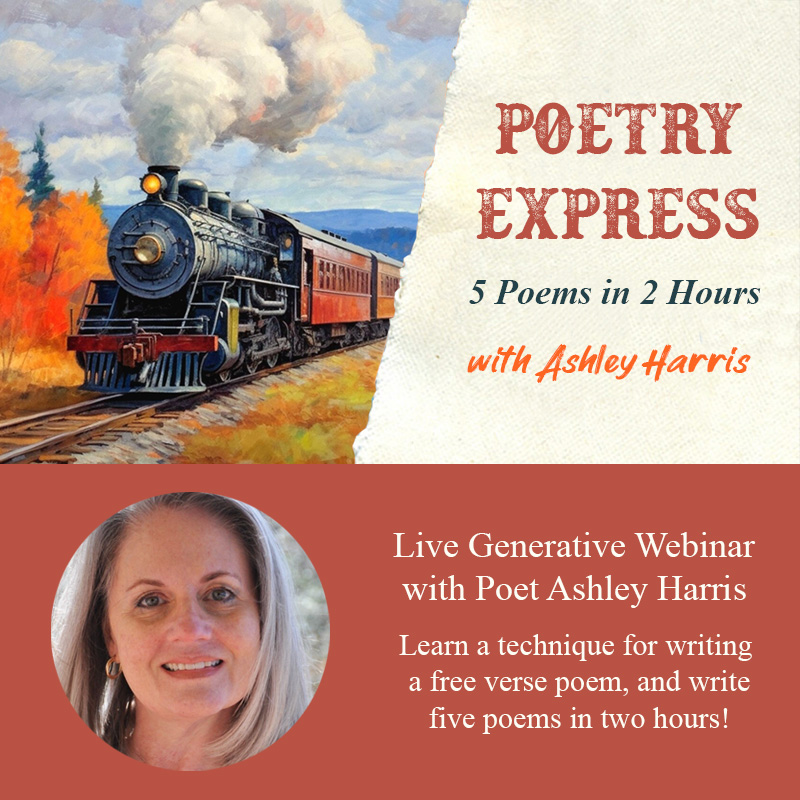
- "Time to Grow … A Writing Portfolio!" by Ashley Harris
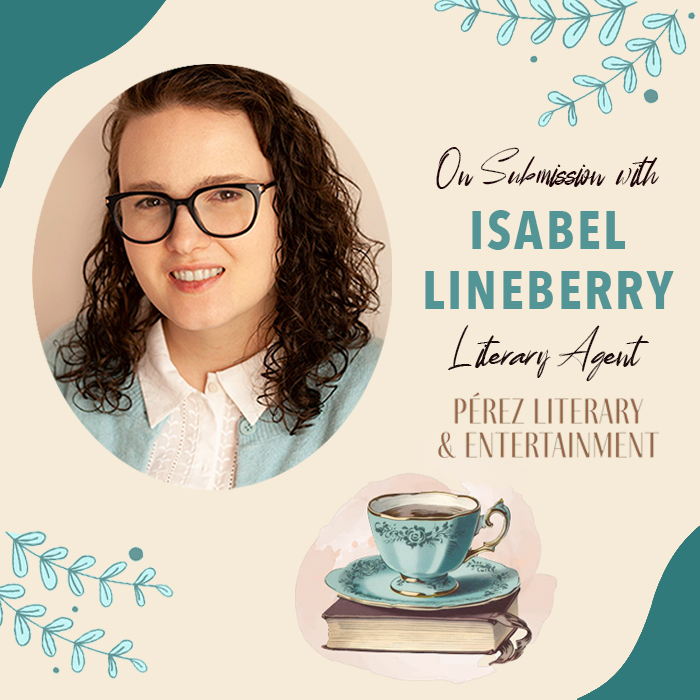
- "On Submission with Pérez Literary & Entertainment: Literary Agent Isabel Lineberry" interview by Kelly Sgroi
- Calls for Pitches
- May Deadlines: Poetry, Fiction, Playwriting, Nonfiction, Books, Multigenre, Just for Fun
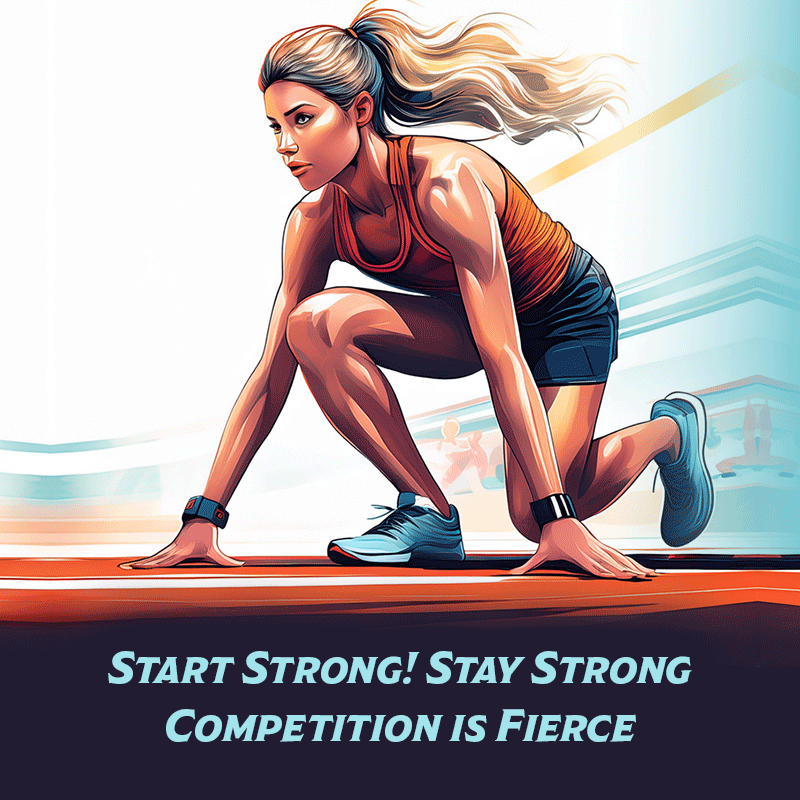
- Craft Corner: "Start Strong! Stay Strong—Competition is Fierce" by Donna Judith Essner
- Recent WOW! Features and Posts from The Muffin
| | |
Writers!
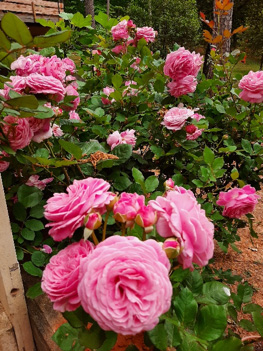
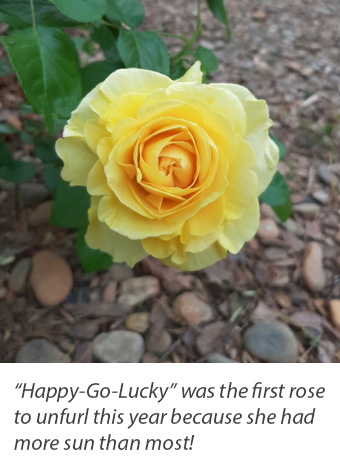
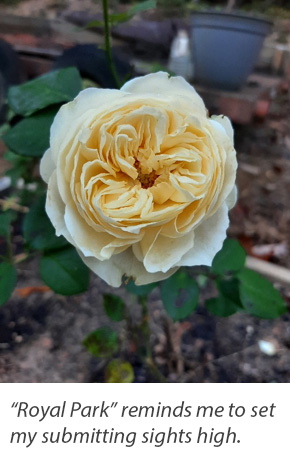
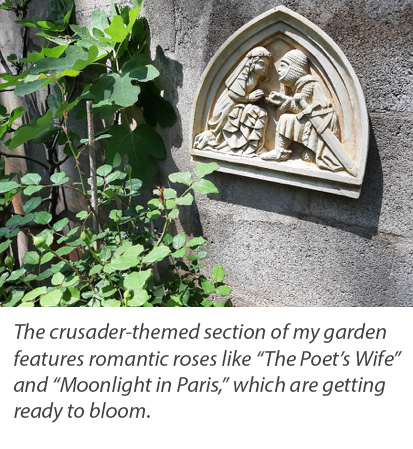
Don’t you just love spring? Once the pollen disappears, it feels so good to be outside, especially with the warm temperatures and low humidity. I’ve pruned and fed my long-dormant roses, and now they’re treating me to their first blooms.
As I plunged my fingers into the dirt this year, I mused about the similarities between growing roses and creating a writing portfolio. (In fact, I was so inspired, I plopped down on a bench and jotted down some notes for this article!)
Having a portfolio is the best anecdote to that pesky imposter syndrome because it reinforces my confidence and helps soothe those rejection blues. It also provides a welcome jolt of accountability, a reminder to keep the submission train going. If you’re interested in building (or boosting) an online file of your writing credentials, read on for a step-by-step “field” guide to a victory garden of writing successes.
| | |
Claim Your Place in the Sun. Most roses only thrive in places with at least six hours of sunlight, and the same goes for creating an online portfolio. If you haven’t yet, consider starting a blog and staking your own place in the sun. Here you can write short posts about your projects and offer advice from your journey. You may easily add an “About Me” page, which helps readers learn even more about you and your writing goals. And when you do have a link to share, yay, create a new page called “My Portfolio,” where you can post your links and watch them grow! Hint: Remember, everything counts, from letters to the editor, book reviews, and interviews, for example. And if you’ve written a blog post you’re particularly proud of, link this too. Extra hint: Submit a guest post to The Muffin, WOW’s own blog just for subscribers. (By the way, if I were counting, I’d say we’re already up to at least five ideas for your victory garden, and we’re just getting started!)
Be Patient. As the old saying grows, roses sleep in their first year, creep in the second, and leap in the third. The same thing holds true for writing. Submitting your work for publication is the obvious first step, and since you’re a WOW subscriber, you’re well on your way. But since most publications take at least several weeks to reply, do simultaneously submit and increase your chances but be patient. While waiting for a reply, channel your energy into another piece (or two or three!). We’re building a garden, remember?
| | On Submission with... Literary Agent Isabel Lineberry | | |
On Submission with Pérez Literary & Entertainment:
Literary Agent Isabel Lineberry
| | |
Have you ever read a novel that inspired you to sit down and write? Twilight did that for me. My apprenticeship in writing was a YA manuscript, and I’m so glad because YA and NA stories are special. They explore first times and uncertainty, moments of learning and finding of self, often mixed with confusion and conflict raging from within and all around, just like my life as a mother. We can lose and rediscover our identity many times in life, but the first time is often the one we cherish. This is probably the reason YA and NA stories are my comfort reads, and I’m grateful to all the writers and advocates who continue to birth these inspiring stories.
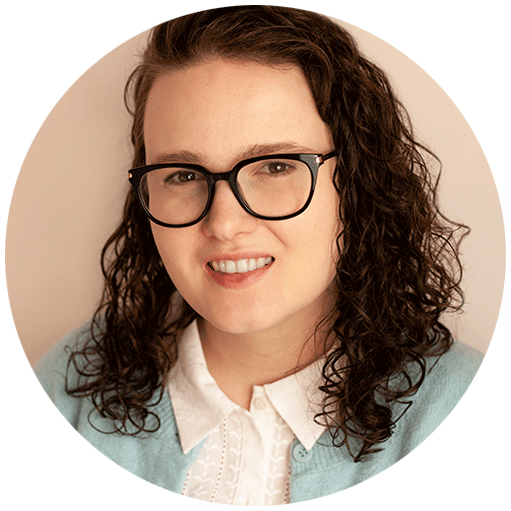
So without further ado, let me introduce Isabel Lineberry, a junior agent and rights assistant at Pérez Literary & Entertainment, a full-service agency dedicated to storytelling in all of its forms.
Born to two bibliophiles, Isabel could not have grown up to be anything else. She was born and raised in the southwest United States but always knew she wanted to move to the UK. In high school, she set her sights on a job in the publishing industry and hasn’t blinked since.
Isabel graduated in 2021 from Barrett, the Honors College at Arizona State University, with dual degrees in English literature and business entrepreneurship. Just a few months later, she was in Scotland pursuing an MLitt in fantasy at the University of Glasgow. She wrote her thesis on Tamora Pierce and is a fan of Ray Bradbury, Octavia Butler, and Samantha Shannon.
When not working, Isabel can usually be found reading or wandering a bookstore. Some of her favorite books include The Hunger Games, Pride and Prejudice, and The Mysterious Benedict Society.
| | |
WOW: Hi Isabel, thanks for taking the time for this Q&A. I’m excited to interview you. What does a junior agent do, and why should writers be excited to query junior agents?
Isabel: I think the role differs a little based on the agency, but it means the agent is early in their career and looking to grow their list—we are all excited, passionate, and ready to make our mark. I know I am anyway. It is so thrilling to be establishing yourself in this industry; so any clients we take on are this great honor, and we are going to do everything we can to make them successful. At PLE, I am taking over projects and looking for clients based on my own interests—specifically in YA and NA—but I am also a main point of contact for our audio and foreign deals.
WOW: I think it’s interesting you work in audio and foreign rights, and you liaise with scouts. What does all that entail?
Isabel: So many emails, you have no idea! But essentially, I am an information source—I keep people updated with what is happening with English language print rights to hopefully garner interest in foreign and/or audio rights. I work with our subagents all over the world to get our clients out in their markets. Scouts are an incredible wealth of knowledge, as they are essentially professional gossips—always knowing what trends are big, who is looking for what, etc.
WOW: OMG, managing your inbox must be such a challenge! I noticed you’re a Twilight fan, as am I. Firstly, team Edward or Team Jacob, and secondly, what do you think makes YA and NA stories special?
Isabel: Well, as a girl from Phoenix, who frequently goes by Bella, I am kind of Team Bella? There’s a massive part of me that just wants her to ditch both of them and live her life. But if I had to choose—Edward. Mostly because Jacob was never a real option! She never seriously considered him, and in the moments where she almost did, it was just because she couldn’t have Edward. YA and NA stories are all about coming of age and discovering who you are, and I am so glad NA is focusing on that second coming of age all of us go through after university or in our 20s. Although I am excited for YA to go younger again—currently everyone wants YA characters to be 17-18—but I have such a soft spot for first love and first kiss stories. Both your teens and your twenties are defined by so much hope and potential but also terror and uncertainty. It offers a great setting for a story!
WOW: Twilight holds such a special place in my heart. It inspired me to write my first manuscript because I also wished Bella was more independent. Team Edward all the way! PLE are advocates for the stories that need to be told and champions for the people who tell them. Do you only work with English authors?
Isabel: We are an international agency at our core, and our authors are all over the world: US, Canada, UK, Netherlands, Belgium. We want broad perspectives and unique voices, wherever they come from. I will say we usually deal with manuscripts written in English, just because of where we are based, but we value international voices and want to bring more into our list!
WOW: Fantastic! PLE is currently open to submissions. What is your current manuscript wish list, and what kinds of submissions get your attention?
Isabel: Right now, I am mostly looking in the YA and NA space, specifically for fantasy and romance (and anything that overlaps!). Fantasy is my background, so I can be extremely picky with my worldbuilding, but I am looking for a book that has something to say about the world around us. In romance, I just want to be swept off my feet. Submissions that play with tropes in a new way are what really grab me because the stay within the familiar (which makes it a great pitch to editors!) while still bringing something fresh and new to the table.
| | |
“I am mostly looking in the YA and NA space, specifically for fantasy and romance (and anything that overlaps!). Fantasy is my background, so I can be extremely picky with my worldbuilding, but I am looking for a book that has something to say about the world around us. In romance, I just want to be swept off my feet.”
| | |
WOW: Romantasy is huge right now. I’m sure you’re flooded with queries! What are some things authors should avoid when querying?
Isabel: Jumping right into the synopsis and not including the pitch at the top. Give me a sense of what I am looking at, so I have a bit of direction for reading the rest of the synopsis. Tell me the genre, the comp titles, the x meets y pitch, etc. upfront, please!!
WOW: That’s a great tip. Comparative titles are always difficult to choose, and there are many ways to go about it. Do you prefer writers stick to current books, or are you okay with manuscripts being compared to movies? What are some dos and don’ts of comp titles?
Isabel: I’d say make sure one comp title is a current book and one that isn’t too massive—never comp to Harry Potter, Lord of the Rings, Sarah J Maas, etc. But I love a movie or TV or even video game comp—as long as it’s in the broader cultural conversation.
WOW: It’s great to know screen titles or even video games can be used as comps. That opens up the sources! Let’s talk about rejected manuscripts. Do you ever have to reject a manuscript you love, and in what circumstances could this happen?
Isabel: I have definitely rejected things I love. I just have to think about the market and salability first and foremost. I am not in a place in my career where I can go, “Hey this probably won’t sell, but I am willing to risk the man hours because I love it.” There have been times when I know the genre isn’t right, or it is too similar to something else on the market or whatever the reason.
WOW: Thanks for sharing this important reality writers need to understand. PLE is committed to empowering their clients and helping them formulate the best strategies to achieve their storytelling goals—how does this happen, especially if a manuscript is proving difficult to sell?
Isabel: We don’t take on projects that we don’t believe in. If we champion a project, it is because we genuinely love it and believe it should hold a place on bookshelves. But that doesn’t mean it is guaranteed to sell. As much as that pains me. Publishing is a business, first and foremost. We are constantly re-evaluating our submission strategies, and we pitch for years if a book isn’t selling—again, because we genuinely believe in it. But sometimes it won’t sell, so we move forward with the next project and work with our authors to develop it.
WOW: It must be heartbreaking to accept a manuscript isn’t going to sell, but I’m sure your authors take comfort in you championing them and wanting to help them develop the next project. What can a PLE author expect after they get a yes from you?
Isabel: Edits!! I think a lot of first-time authors aren’t prepared for the long timeline that publishing takes. We are going to work with you on the manuscript, maybe even for over a year, before we send it out (it is usually quicker I promise!). We want to make sure that the manuscript is as perfect as possible. We are very editorial. But it comes from experience and knowledge—experience working with other books and an understanding of what editors need to see to be able to consider it as a viable option. If a book needs it, we have done multiple rounds of structured edits. We want our manuscripts to sail right through acquisitions, so we do everything we can to make it as pretty as possible.
| | |
“I think a lot of first-time authors aren’t prepared for the long timeline that publishing takes. We are going to work with you on the manuscript, maybe even for over a year, before we send it out (it is usually quicker I promise!). We want to make sure that the manuscript is as perfect as possible. We are very editorial.”
| | |
WOW: Music to my ears. Who doesn’t love an editorial agent?! How important is an author platform when you’re considering signing on an author?
Isabel: It is certainly a bonus! It shows a distinct audience that can be counted upon for sales. But it varies by genre—and it’s rapidly changing—and every editor has their own opinions on social media followings and their pros/cons. We don’t currently have many clients with notable platforms, but as a Gen Z agent with a high screen time, it is definitely something I would love to try my hand at!
WOW: Okay, last question! I read you received your MLitt in Fantasy at the University of Glasgow and wrote your thesis on Tamora Pierce. For readers who haven’t read her books before, where do you recommend they start and why?
Isabel: Oh, don’t get me started! Tamora Pierce is one of the mothers of feminist fantasy, and she deserves to be in the conversation with Ursula Le Guin and other genre greats. Pierce has been writing in the same swords-and-sorcery fantasy world since the 80s, and it is my safe haven. The characters are vibrant and diverse, the relationships are complex and real, and Tamora Pierce writes a quest in the way it would really go—hard times, smelly knights, and then the moments of high energy and swords clanging. Plus, so many animal companions! Start with Alanna’s story, The Lioness Quartet. But my favorite is Kel in the Protector of the Small Quartet, so read that next.
WOW: I love the sound of these! Thank you for the recs, and thank you so much for taking the time to answer my questions. It’s been wonderful to learn more about you and PLE.
| | My thanks to Isabel Lineberry of Pérez Literary & Entertainment. It’s been a pleasure to chat and share what it’s like to be a junior agent. I’m more motivated than ever to finish my next manuscript and get back in the query trenches. If you’re interested in querying Isabel, upload your query letter and the first ten pages of your novel or the first ten pages of your nonfiction sample chapter through Query Tracker. Stay in touch via socials and visit www.perezliterary.com. | | |
Kelly Sgroi is based in Melbourne, Australia. While preparing her next manuscript for submission, Kelly regularly interviews authors, runs @WriteTillChristmas, and contributes to WOW! Women on Writing. To find out more about Kelly visit www.kellysgroi.com.
| | |
2025 Hillary Gravendyk Poetry Book Prize (US & Inland Empire)
Deadline: April 30
Open to US writers, one contest, two prizes, each award is granted publication and $1,000. All entrants will be considered for the National Prize, and entrants who currently reside or work in Inland Southern California, the “Inland Empire,” will also be considered for the Regional Prize. The Hillary Gravendyk Prize is an open poetry book competition for all writers regardless of the number of previously published poetry collections. The manuscript page limit is 48 - 100 pages, and the press invites all styles and forms of poetry. Fee: $20
https://inlandiaaliteraryjourney.submittable.com/submit/319294/2025-hillary-gravendyk-poetry-book-prize
Ralph Angel Poetry Prize
Deadline: May 1
Open internationally, Foundlings Press will accept submissions for the Ralph Angel Poetry Prize. This year’s guest judge is Gillian Conoley. The winning poet will receive a $250 award and a limited-edition broadside publication of the winning poem. Submit only one poem as a PDF attachment. No fee.
https://www.foundlingspress.com/news/category/Contests
$5,000 Poet of the Year Prize
Deadline: May 1
Only Poems wants to publish poets who make a home in their hearts with their voices and never leave. That’s why this poetry award is not for the single best poem but rather for the poet whose body of work they feel is or will be full of one award-winning poem after another. Grand Prize: $3,000. $500 four finalists. Submit between 5-10 pages. Fee: $18
https://onlypoems.submittable.com/submit/317445/5000-poet-of-the-year-prize
The Poet’s Billow Pangea Prize
Deadline: May 1
The Pangaea Prize is awarded for the best series of poems ranging between two and seven poems in a group. There are no restrictions to length or style. The winning poet receives $100 and will be featured in an interview on The Poet’s Billow website. The winning poems will be published and displayed in the Poet’s Billow Literary Art Gallery. Fee: $10
https://thepoetsbillow.submittable.com/submit/323513/pangaea-prize
2026 Cave Canem Prize for Black Poets
Deadline: May 8
The Cave Canem Prize is awarded annually to the best debut collection of poems by a Black poet. Winner receives $10,000, a publication by University of Georgia Press in Fall 2026, 15 copies of the book, and a feature reading. Submit a manuscript 60 - 75 pages in length, inclusive of title page and table of contents. A poem may be multiple pages, but no more than one poem per page is permitted. No fee.
https://cavecanem.submittable.com/submit
Fighting Words Poetry Contest (K-12)
Deadline: May 11
Current K-12 students anywhere in the world may enter. How can poetry be an effective response to current events and the issues impacting our communities? How can journalism and poetry help us make connections between global issues and our local and personal contexts? Students are invited to explore these questions and make their voices heard in their entries. Students may write in any language, and are welcome to submit multilingual poems. Judges will have reading fluency in English and Spanish. Prizes: 1st place $300; 2nd $200; 3rd $100; Finalists $75. No fee.
https://pulitzercenter.org/builder/lesson/fighting-words-poetry-response-current-events-contest-and-workshop
James Laughlin Award (Poetry Books Under US Contract)
Deadline: May 15
The James Laughlin Award is given to honor a second full-length print book of original poetry, in English, by a living poet, forthcoming in the next calendar year. The winning poet receives a prize of $5,000, an all-expenses-paid weeklong residency at The Betsy Hotel in Miami Beach, Florida, and distribution of the winning book to approximately one thousand Academy of American Poets members. To be eligible for the award in 2025, a book must be under contract with a U.S. publisher and scheduled to be published between January 1, 2026, and December 31, 2026. Authors must have published one book of poetry in a standard edition (48 pages or more). No fee.
https://poets.org/academy-american-poets/prizes/james-laughlin-award
The SUSPECT Poetry Contest – Theme: Fable
Deadline: May 15
Open internationally, SUSPECT calls for poems that use the word “fable” or its variants in an imaginative fashion. They want fables and anti-fables, fable-adjacent poems, and fabulous conceptions and language. Awards: USD $300, $200, and $100 will go to the top three winners. The winning poems will be published in SUSPECT; non-winning poems will be considered for publication as well. The judge is poet Mandy Moe Pwint Tu. No fee.
https://singaporeunbound.org/opp/suspect-poetry-contest-11
2025 Loraine Williams Poetry Prize
Deadline: May 15
Brandon Som will serve as the final judge. Each year one winner gets $1,500 and publication. They also publish three finalists, each of whom receives $200. All submitted poems will be considered for publication in The Georgia Review. Only one entry per submitter. An entry may include one, two, or three poems, but no more than a total of ten standard pages in 12-point or larger type. Work previously published in any form will not be considered. Fee: $25
https://thegeorgiareview.submittable.com/submit/321907/2025-loraine-williams-poetry-prize
Stanley Kunitz Memorial Prize for Poets Under 40
Deadline: May 15
The Stanley Kunitz Memorial Prize honors the late Stanley Kunitz’s dedication to mentoring poets. Poets must be under 40 years of age. The winning poem will appear on the feature page of the September/October issue of The American Poetry Review, and the poet will receive a prize of $1,000. Entry fee covers up to three poems, totaling no more than three pages. Fee: $15
https://americanpoetryreview.submittable.com/submit/11755/stanley-kunitz-memorial-prize
Crab Creek Review Poetry Prize
Deadline: May 15
Crab Creek Review is a perfect-bound print literary journal dedicated to publishing the best poetry, fiction, and creative non-fiction. A $500 prize will be awarded for the winning poem. All entries considered for publication. Winner and finalists will appear in Crab Creek Review. Only original, previously unpublished work will be considered. Please submit no more than up to four (4) poems in a submission. Fee: $16
https://crabcreekreview.submittable.com/submit/319821/2025-crab-creek-review-poetry-prize
Beautiful Pause Prize - Poetry Chapbooks/Collections
Deadline: May 15
Press Pause is looking for original, honest, beautiful collections of poems from humans. The Beautiful Pause Prize awards $1,000 and print publication of a full-length manuscript to a writer of exceptional talent and heart. One runner-up will receive $500 and publication of an excerpt in one of our biannual print volumes. Please submit complete manuscripts, 30 poems minimum. Fee: $25
https://presspausepress.submittable.com/submit/300280/the-beautiful-pause-prize-poetry-chapbooks-collections
Fourteen Poems Anthologies
Deadline: May 16
Fourteen Poems wants to represent all that’s thrilling about the new wave of LGBTQ+ poets. If you’re a poet, even if you’ve never been published before, we want to read your work. Email up to five poems in a single pdf or Word document, with a small paragraph about yourself. Pay: £30 for each poem published. No fee.
https://www.fourteenpoems.com/submit
Poet Lore
Deadline: May 30
Poet Lore publishes a range of established and award winning poets such as Erika Meitner, Jose Hernandez Diaz, Sharon Olds, Kim Addonizio, Terrance Hayes, Linda Pastan, Mary Oliver & Carl Philips, who share the space with emerging poets. Send them your experimental pieces, your long sequences, your poems that create new ways of meaning and surprise readers. Submit up to 5 poems (maximum 10 pages). Pay: $50 per published poem, and one copy of their issue, plus a copy of the following printed issue. No fee.
https://www.poetlore.com/submit/
RockPaperPoem Poetry Prize
Deadline: May 31
Open to anyone 18 years of age and older writing in English, from anywhere in the world. Grand Prize: $300; Two Runners-Up: $150 each. Submit 1-3 of your best, previously unpublished poems. Fee: $10
https://rockpaperpoem.com/2025-RockPaperPoem-Poetry-Prize.html
Princeton Series of Contemporary Poets
Deadline: May 31
Edited by the acclaimed poet Rowan Ricardo Phillips, the series publishes work of today’s emerging and established poets. Please send a complete manuscript and optional CV. Pay: royalties. No fee.
https://press.princeton.edu/series/princeton-series-of-contemporary-poets
The River Heron Poetry Prize
Deadline: May 31
The River Heron Poetry Prize awards the winning poet $500 and 2 runners-up $100 each, a Zoom reading, plus publication. Two finalists will also be announced and awarded a Zoom reading and publication. Submit up to 3 poems, 5 pages maximum. Fee: $15
https://www.riverheronreview.com/the-rhr-poetry-contest
Peggy Willis Lyles Haiku Awards
Deadline: June 1
Open internationally, this poetry contest is run by The Heron’s Nest, a quarterly online journal of haiku. Prizes: 1st $200, 2nd $100, 3rd $50. Submit up to 2 haiku. No fee.
https://theheronsnest.com/awards/awards_2025.html#pwl
| | |
EastOver Prize for Debut Story Collection
Deadline: May 1
The EastOver Prize for a debut story collection will be awarded to a writer who has not published another full-length book. The winner of this contest will be awarded $2,000 and be published by EastOver Press. Manuscripts should contain a collection of short stories, which can include flash fiction, and may include one novella. Total page count should be no fewer than 125 and no more than 250 pages. Manuel Muñoz will serve as judge for the competition. No fee.
https://eastoverpresscutleafjournal.submittable.com/submit
ABA Journal Ross Writing Contest for Legal Short Fiction (US)
Deadline: May 1
Entries must be original works of fiction of no more than 5,000 words that illuminate the role of the law and/or lawyers in modern society. The winner will receive a prize of $5,000. Entrants must be U.S. citizens or legal permanent residents and 21 years or older. No fee.
https://www.abajournal.com/contests/ross_essay/
The Folly Short Story Prize
Deadline: May 1
What happens when a literary journal has a torrid love affair with a Victorian gossip rag? Folly Journal happens - documenting their cultural moment in all its messy, magnificent glory. Touted by media as the rebel child of the lit scene, and finalist for the 2024 CLMP Best Literary Debut awards, Folly is found worldwide from parliamentary desks, independent bookstores and the rooms of luxury boutique hotels. Submit a story between 800 - 2500 words. Prize: $1,000 NZD cash prize, publication in Folly Issue 003, two copies of the issue, and a comped membership to the Wellington Writers Studio. Open internationally. Fee: $10 NZD
https://follyjournal.submittable.com/submit/248412/folly-short-story-prize-2025
Far Horizons Award for Short Fiction
Deadline: May 1
Malahat Review’s biennial Far Horizons Award for Short Fiction welcomes submissions from Canadian and international emerging short-story writers anywhere in the world. Eligible writers have yet to publish their fiction in book form. One winner will receive a prize of CAD $1,250 and be published in the magazine's fall 2025 issue #232. The guest judge is Sara Power. Submit a story no more than 3,500 words. Fee: CAD $25 (Canada), CAD $35 (elsewhere)
https://www.malahatreview.ca/contests/far_horizons_fiction/info.html
Adi Magazine
Deadline: May 4
Adi Magazine is a feminist literary journal of global politics committed to rehumanizing policy. They are currently seeking short fiction up to 5,000 words. Adi tends toward creative, experimental approaches to political writing, measuring the effects of policy through the intimate lives and experiences of people with a particular focus on those on the margins and in the Global South. They’ve previously published fiction on ghosts in a post-fossil fuel world; intervention through the eyes of a fugitive lion; healthcare bureaucracy and restrictions on reproductive rights; the reimagination of the myth of the faceless woman; and a family’s decision on citizenship while facing an American apocalypse. Pay: short fiction up to 5,000 words: $500; flash fiction under 1,000 words: $200. No fee.
https://adimagazine.com/submissions/
Fractured Lit: Gods & Monsters Challenge
Deadline: May 4
Fractured Lit is challenging writers to create new stories of up to 1,000 words. The winner of this prize receives $500 and publication. All entries will be considered for publication at their regular rate of $75/$50, depending on length. For this challenge, they want stories based on the theme of Gods & Monsters. Fee: $20
https://fracturedlit.submittable.com/submit/325837/fractured-lit-gods-monsters-challenge-500-judges-fractured-editors
Eggplant Emoji Volume 5
Deadline: May 5
Eggplant Emoji Volume 5 will be a print and eBook collection of hilarious short stories that are character-driven and culturally striking. They want scenes with dialogue, and stories with a beginning, middle, and an end. Submissions should be 1,000 – 8,000 word prose, with a comedic tempo of at least one witty line or funny moment per page, but ideally more than one. The intended audience will be 17+ and they encourage adult themes. Pay: $25 and an author copy. No fee.
https://eggplantemojilit.com/submit/
Planet Scumm
Deadline: May 7
Planet Scumm accepts submissions from writers across the world. They are looking for sci-fi, speculative fiction, and more. Stories, or collections of flash fiction, should be no more than 5,000 words in length. Pay: $0.08 per word, and a contributor’s copy. No fee.
https://www.planetscumm.space/submit
Stephen Dixon Fiction Prize
Deadline: May 10
Made possible by a generous gift from Dixon and Frydman’s daughters, Antonia and Sophia Frydman, the Stephen Dixon Fiction Prize and the Anne Frydman Translation Prize honor the memory of two literary luminaries with deep roots in the Johns Hopkins University community. Entries should include a single work of fiction, up to 8,000 words. The winner of each prize is awarded $1,500. Fee: $10. The reading fee is waived for current subscribers.
https://thehopkinsreview.submittable.com/submit/218800/stephen-dixon-fiction-prize
Archive of the Odd Issue #7
Deadline: May 15
Archive of the Odd is a biannual magazine of found fiction—stories told in the style of found footage, also known epistolary, neo-epistolary, found file, or found document fiction. Essentially, stories told in the form of other documents. Word count: 500-8,000 words. Pay: 1.5 cent/word USD + a share of royalties; artwork pays $30 per page plus a share of the royalties. No fee.
https://archiveoftheodd.com/submissions/
Luna Station Quarterly
Deadline: May 15
Luna Station Quarterly publishes speculative fiction written by women-identified authors. They are looking for stories about hope, fantasy, sci-fi, space opera, new fairy tales, and more. Word count: 500 - 7,000 words. Pay: $10 per piece. No fee.
https://www.lunastationquarterly.com/submissions/
Molly Keane Creative Writing Award 2025 (Ireland)
Deadline: May 19
This is an open competition for people resident on the island of Ireland for a short story. The winner will be awarded €250 cash plus a course under the auspices of the Molly Keane Writers Retreat, Ardmore to the value of €300 in 2026. The limit for each piece is 2000 words. No fee.
https://waterford.submit.com/show/257
RTÉ Short Story Competition (Ireland)
Deadline: May 23
Open only to Irish citizens and residents of Ireland. A competition for radio short stories, free to enter, top prize €5000, wordcount 1800-2000 words (excluding title) for broadcast on RTÉ Radio 1, Ireland; this year's judges are Jan Carson, Neil Hegarty and Tristan Rosenstock. No fee.
https://rteshortstorycompetition.submittable.com/submit
Changing Light Prize for a Novel-in-Verse
Deadline: May 30
Recommended length: 90-160 pages. $500 prize plus 20 copies, standard royalty contract. Publication in trade paper, e-book, and Kindle. Send Word attachment including contact information, brief bio, and letter to jwt@uwa.edu. (Please list Novel-in-Verse on your subject line.) No fee.
https://livingstonpress.uwa.edu/ChangingLightAward.htm
The Black Orchid Novella Award
Deadline: May 31
An important part of Rex Stout’s Nero Wolfe’s opus are novellas. To celebrate this format, the Wolfe Pack and Alfred Hitchcock's Mystery Magazine have partnered to sponsor the Black Orchid Novella Award. Prize: $1,000 from Alfred Hitchcock's Mystery Magazine, and publication in the magazine. Each entry must be an original unpublished work of fiction between 15,000 and 20,000 words that conforms to the literary tradition of the Nero Wolfe series. No fee.
https://www.nerowolfe.org/htm/literary_awards/black_orchid_award/Black_Orchid_award_intro.htm
The Center for Fiction: Susan Kamil Emerging Writer Fellowship (NYC)
Deadline: May 31
The program offers a $5,000 grant, editorial mentorship, the opportunity to meet with editors and agents, access to their Writers Studio, and other opportunities to early-career New York City-based practitioners who are at a critical moment in their development as fiction writers. Submit a fiction writing sample, not to exceed 7,500 words. No fee.
https://centerforfiction.org/grants-awards/nyc-emerging-writers-fellowship/
Jerry Jazz Musician Short Fiction Contest
Deadline: May 31
The contest is open to entrants from anywhere in the world. A prize of $150 will be awarded for the winning story. Stories will not exceed 3,000 words but stories of up to 4,000 words are considered. Submit your story as a Microsoft Word attachment to jerryjazzmusician@gmail.com, and be sure to include your name, address and phone number with your submission, as well as a brief 50 – 100 word story synopsis. Please include “Short Fiction Contest Submission” in the subject heading of the email. No fee.
https://www.jerryjazzmusician.com/short-fiction-contest-details/
Read Magazine Spring Short Story Contest
Deadline: May 31
READ is not a publication for genre fiction such as romance, mystery, or sci-fi that tightly adheres to genre tropes. They will consider genre fiction that is fresh, pushes boundaries, and can be appreciated by many readers. Submit a story up to 3,500 words. Prizes: $50, $25, $10. No fee.
https://readmagazine.submittable.com/submit/324552/spring-short-story-contest-50-prize
Harlequin 2025 Romance Includes You Mentorship (US and Canada)
Deadline: May 31 (Opens May 1)
Open to US and Canada writers. They’re looking for romance novels by debut writers in underrepresented communities that could be published in one of Harlequin’s series romance lines. They will offer the writer of the top submission a publishing contract with an advance for their debut novel, a one-year mentorship with a Harlequin editor to complete their story for publication, and a writing grant to support their early writing career. The mentorship has a total value of $5,000 US. Your submission should include a full story synopsis (please include the ending) and the first 5,000 words of your romance story in a Word document. No fee.
https://www.writeforharlequin.com/harlequins-romance-includes-you-mentorship-opens-for-submissions-may-1/
Wallstrait: A Journal of Hard-to-Define Fiction
Deadline: June 1
Wallstrait is all about publishing quality, hard-to-define fiction and treating writers right. No limitations on genre. Just send them your best fiction, 500-3,000 words. Pay: $25 per story. No fee.
https://www.wallstrait.com/submissions
The PEN/Phyllis Naylor Grant for Children’s and Young Adult Novelists
Deadline: June 1
This grant is offered annually to an author of children’s or young adult fiction for a novel-in-progress. The award was developed to help writers whose work is of high literary caliber and assist a writer at a crucial moment in their career to complete their novel. The author of the winning manuscript, selected blindly by judges unaware of nominees’ names, will receive an award of $5,000. Writers must have published one or more novels for children or young adults by a US trade publisher that have been warmly received by literary critics, but have not generated significant sales. The submission application includes a 50-75-page manuscript sample. No fee.
https://pen.org/literary-grants/pen-phyllis-naylor-grant/
| | |
Neukom Literary Arts Award for Playwriting
Deadline: May 1
The Award is for full-length plays and other full-length works for the theater addressing the question “What does it mean to be a human in a computerized world?” The award comes with a $5,000 honorarium as well as a weeklong workshop and public reading produced by Northern Stage in early 2026. No fee.
https://sites.dartmouth.edu/neukominstitutelitawards/ni-lit-award-for-playwriting/
| | |
True Magazine: Craft Essays, Interviews, and Book Reviews
Deadline: May 1
True Magazine is seeking submissions of craft essays, interviews, and book reviews related to nonfiction in its many forms, including writing, video documentary, photography, and podcasts. Topics ranging from technique, to experimentation, to research, to language, to ethics, to any writing complications are encouraged. Submit either a pitch or completed pieces. They aren’t particular about word count. No fee.
https://proximity.submittable.com/submit/260751/craft-essays-interviews-and-book-reviews-for-true
Waterston Desert Writing Prize
Deadline: May 1
The Waterston Desert Writing Prize was established in 2014 and inspired by author and poet Ellen Waterston’s love of the High Desert, a region that has been her muse for more than 40 years. The Prize provides financial and other support to writers whose work reflects a similar connection to the desert, recognizing the vital role deserts play worldwide in the ecosystem and the human narrative. The winner with a $3,000 cash award and a reading and reception at the High Desert Museum in Bend, Oregon on September 25, 2025. To apply, submit a writing sample of no more than 10 double-spaced pages, your bio, and a proposal title and description. No fee.
https://thewaterstondesertwritingprize.submittable.com/submit/316784/waterston-desert-writing-prize-2025-submission-guidelines
16th Casa África Essay Prizes
Deadline: May 2
Casa África announces for the 16th consecutive year its Essay Prize on African themes with which it aims to recognize, encourage and disseminate original and unpublished essays that contribute to a better knowledge of the African continent. The winning work will be published in their Essay Prize Collection and a prize of 2,000 euros will also be awarded. Submit an essay between 15,000 and 20,000 words. No fee.
https://www.casafrica.es/en/event/16th-casa-africa-essay-prizes-call-entries
Chicago Story Press: Essays/Creative Nonfiction About Becoming
Deadline: May 15
Chicago Story Press Literary Journal is seeking essays and personal stories about transformation, self-discovery, and change. Who were you before—and who are you now? Life shapes us slowly and suddenly, through small shifts and seismic events. They want to hear about the moments that moved you, those times that stretched you, and the choices that created the person you are today. Submissions should be between 1,000 – 3,000 words and should not be published elsewhere. Fee: $5
https://chicagostorypress.submittable.com/submit/315118/essays-creative-nonfiction-stories-about-becoming
Trio House Press Creative Nonfiction Book Award
Deadline: May 15
Trio House Press is pleased to offer the Aurora Polaris Award for a book of creative nonfiction of up to 80,000 words, open to writers at any stage of their career in any form of creative nonfiction. Award: $1,000, publication, and 20 books. Fee: $25
https://www.triohousepress.org/submissions
Conger Beasley Award for Nonfiction
Deadline: May 19
New Letters is accepting submissions for the Conger Beasley Award for Nonfiction. All entries will be considered for publication in New Letters. Essay entries may not exceed 8,000 words. First prize winner receives $2,500. Fee: $24
https://www.newletters.org/conger-beasley-award-for-nonfiction/
Mo Siewcharran Prize – Theme: Reclaiming History (UK)
Deadline: May 30
Hachette UK’s The Future Bookshelf is running the Mo Siewcharran Prize for its sixth year to help discover unpublished non-fiction writers from Black, Asian, mixed heritage and minority ethnic backgrounds. For 2025, the prize will be hosted by Trapeze, an imprint of Orion Books, and they are looking for non-fiction writing under the theme Reclaiming History. Submit a non-fiction proposal of no more than 10,000 words that explores history and the past in a compelling and unique way. The winner receives £2,500, plus a mentoring session with a Trapeze editor, a meeting with a literary agent, and more. The runner up will receive £1,500, and a meeting with a Trapeze editor. The second runner up will receive £750. No fee.
https://www.thefuturebookshelf.co.uk/landing-page/the-mo-siewcharran-prize-2025/
The Irene Adler Prize: A $1,000 Scholarship for Women Writers
Deadline: May 30
The Irene Adler Prize awards a $1,000 scholarship to a woman pursuing a degree in journalism, creative writing, or literature at a recognized post-secondary institution. The annual essay competition is open to entrants worldwide, and up to two $250 honorable mentions will be also awarded. Submit a 500-word essay on five essay prompts (follow the link below for 2025 guidelines). No fee.
https://www.lucasaykroyd.com/scholarships
C New Critics Award (Canada)
Deadline: May 30
The C New Critics Award is designed to help identify, develop, and promote the work of emerging art critics, and to encourage creative discourse on current art practices. Writers are invited to submit an 800-1,000 word review of a recent exhibition, performance, publication, or moving image work. The winner will receive $750, editorial support to prepare their article for publication in a future issue of C Magazine, and a two-year subscription. All participants will receive a one-year subscription. No fee.
https://cmagazine.com/events/call-for-c-new-critics-award
A Voice for Animals Contest (Students 14-18)
Deadline: May 31
Prizes up to a total of $5,900 will be awarded to high school students whose entries best promote the humane treatment of animals. Essays must be no less than 1400 words and no more than 1500 words excluding citations, page headers and footers, and written in English. No fee.
https://www.hennet.org/contest.php
Open Secrets: Personal Essays on Climate Change and Climate Issues
Deadline: May 31
Open Secrets Magazine is currently accepting submissions of unpublished first person 1,000-2,000 word personal essays based on the author’s life experience relating to climate change and/or climate issues. They have launched a new vertical called Climate in response to the 2025 Los Angeles wildfires and other recent climate-related events, and will run at least one personal essay per month in 2025. Submit your full essay. Pay: $50 per essay. No fee.
https://opensecretsmagazine.com/p/paying-call-personal-essays-about-climate-change
Room Creative Nonfiction Contest
Deadline: June 1
Room's contests are open to women (cisgender and transgender), transgender men, Two-Spirit and nonbinary people. Prizes: 1st $1,000; 2nd $250; 3rd $100. All will have the potential to be published in Room. Submit a creative nonfiction up to 3,500 words. Fee: Canada $39 CAD; US $49 CAD; Outside of North America $59 CAD; the submission fee includes a one-year subscription to Room.
https://room.submittable.com/submit/35799/contest-entry-creative-non-fiction
2024 James A. Winn Nonfiction Prize
Deadline: June 1
The James A. Winn Prize will be awarded annually by the Michigan Quarterly Review to one nonfiction piece submitted for consideration. Please submit one unpublished piece of nonfiction of 1,500-7,000 words. The 2025 Judge will be Elizabeth Goodenough. The winning story will be published in the Winter issue of the following year. The prize will be in the amount of $1,500 and publication. All submissions will be considered for publication in MQR. Fee: $20
https://mqr.submittable.com/submit/292759/2025-james-a-winn-nonfiction-prize
| | |
The Pattis Family Foundation Creative Arts Book Award
Deadline: May 1
This award recognizes outstanding works of fiction or nonfiction. The books considered for this award will inspire, illuminate, or exemplify the creative process in fields such as creative writing, dance, film and new media, music, theatre, and visual arts. The winning author receives a $25,000 cash prize, and will conduct a multi-day residency at Interlochen Arts Academy and join the lineup of the National Writers Series in Traverse City, Michigan. Two runner-up awards of $2,500 may also be presented. Eligible books must have a copyright date of 2023 or 2024. No fee.
https://www.interlochen.org/pattis
The Rabbi Sacks Book Prize
Deadline: May 1
The Rabbi Sacks Book Prize is awarded to an author of a recently published or about to be published work of Jewish ideas deeply sourced in Jewish texts, with broad appeal within and beyond the Jewish community. The author of the winning work will receive a $10,000 prize, and two finalists will receive $2500 each. The manuscript must hold a 2025 copyright. No fee.
https://www.yu.edu/sacks-center/sacksbookprize
Governor General’s Literary Awards (Canada)
Deadline: May 15
The awards are given annually to one English-language and one French-language book in each of the following 7 categories: fiction, nonfiction, poetry, drama, young people’s literature text, young people’s literature illustrated books, and translation. Prizes: $25,000 prize to the eligible creator(s) of each winning book; $3,000 grant to the publishing house of each winning title for the promotion of the winning book; $1,000 prize to each of the non-winning finalists. No fee.
https://canadacouncil.ca/funding/prizes/governor-generals-literary-awards/guidelines-governor-generals-literary-awards
bpNichol Chapbook Award (Canada)
Deadline: May 31
The bpNichol Chapbook Award recognizes excellence in Canadian poetry in English published in chapbook form within Canada. The prize is awarded to a poetry chapbook judged to be the best submitted. The author receives $4,000 and the publisher receives $500. Awarded continuously since 1986, the bpNichol Chapbook Award is currently administered by the Meet the Presses collective. Interested authors or publishers should submit three copies of eligible chapbooks. No fee.
https://meetthepresses.wordpress.com
Indie Author Project Annual Contest (US and Canada)
Deadline: May 31
For US and Canada authors, this contest is a powerful way to elevate your careers and writing goals, powered by the library community. Along with the accolade of the award and its perks, being recognized by librarians creates credibility and visibility for indie authors, setting them apart in a growing marketplace of digital content and indie-published books. $2,500 to the 1st place winner and $500 each to two runner-ups in each genre; Honors at the 2026 Indie Author Day Reception at ALA Annual; Opportunities to promote your book(s) at public libraries; Inclusion in a full-page print spread in Library Journal; Opportunities to earn royalties through the IAP Select collection (ePUB format required for eligibility). Submit your indie published book geared toward an adult or YA audience in the genres of mystery/thriller, romance, sci-fi, fantasy, historical fiction, general/contemporary, memoir, and young adult for consideration. No fee.
https://indieauthorproject.librariesshare.com/iap/
| | |
CINTAS Fellowship in Creative Writing (Cuban citizenship or lineage)
Deadline: May 1
Creative writers of Cuban citizenship or direct lineage (having a Cuban parent or grandparent). Award: $25,000 US. Candidates may submit proposals in the field of creative writing. Prepare two narrative statements: The Writer Statement describes your personal history, your development as a writer, and your plans for the future. Plus, submit two letters of recommendation and work samples. No fee.
https://www.cintasfoundation.org/fellowships#writing
Questions Writing Prize (Australian Writers 18-30)
Deadline: May 1
Open to Australians (18 to 30 years), the writing can be fiction or nonfiction on any topic as long as the piece remains between 1,500 and 2,000 words. Award: $3,000. Send all submissions electronically in a Word document to: helen@futureleaders.com.au. No fee.
https://www.questions.futureleaders.com.au/writing-prize/index.php
Folly: Flash fiction and flash nonfiction 'Overheard' in [your city/town] 2025
Deadline: May 1
Sometimes the best content comes from simply paying attention at the right wrong moment. OVERHEARD is their free submission category for: That thing someone said while waiting for their oat milk latte; The conversation you couldn't help overhearing in the toilet queue; The comment your co-worker said that made you snort into your coffee; The thing your lover did while in the throes of passion. They welcome your half-baked stories, paragraph length accounts of what you overheard and snippets of conversation. No writing experience is required. Wordcount is anywhere from 10 words to 500 words, but make sure you include which city/ town you heard this in (or made this up yourself). No fee.
https://follyjournal.submittable.com/submit/323741/flash-fiction-and-flash-nonfiction-overheard-in-your-city-town-2025-free-ope
Kelp Journal
Deadline: May 1
Kelp Journal is a premier digital and print literary magazine. They are always searching for new and established voices from around the world. Located on California's West Coast, they are especially interested in stories pertaining to oceanic and conservationist themes. Submit previously unpublished fiction and creative nonfiction (under 6,000 words), including genre fiction. For poetry, submit three to five poems. No fee.
https://kelpjournal.submittable.com/submit
Moon City Poetry & Short Fiction Collection Award
Deadline: May 1
Moon City Press is committed to publishing work from often-excluded and marginalized voices, including writers of color, gender-non-conforming and LGBTQ writers, and writers living with disabilities. The Moon City Poetry Award is for an original collection of poems written in English by a single or collaborative author. Manuscripts should be at least 48 pages long. The Moon City Short Fiction Award is for an original collection of short fiction, written originally in English by a single or collaborative author. Manuscripts should fall between 30,000 and 65,000 words. For both contests, first prize is $1000, publication by Moon City Press (including international distribution through the University of Arkansas Press and the Chicago Distribution Center), and a standard royalty contract. Ten additional finalists will be named and considered for publication. Fee: $27. No fee for marginalized voices, including writers of color, gender-non-conforming and LGBTQ writers, and writers living with disabilities. They are offering 25 free submissions to each contest (50 free submissions total) for anyone fitting these descriptions.
https://mooncitypress.submittable.com/submit
Tom Howard/John H. Reid Fiction & Essay Contest
Deadline: May 1
For this contest, a story is any short work of fiction, and an essay is any short work of nonfiction. Final judge: Mina Manchester, assisted by Sarah Halper. Story: First Prize, $3,500; Essay: First Prize, $3,500. The top two winners will also receive two-year gift certificates from Duotrope (a $100 value); 10 Honorable Mentions will receive $500 each (any category). Length limit: 6,000 words maximum. No restriction on age of author. Fee: $25
https://winningwriters.com/our-contests/tom-howard-john-h-reid-fiction-essay-contest
F(r)iction Spring 2025 Contests
Deadline: May 2
Short stories: 1,001 – 7,500 words. Poetry: up the three pages per poem. Creative Nonfiction: up to 6,500 words. Flash fiction: up to 1,000 words per piece. They accept work, written in English, from anywhere in the world—regardless of genre, style, or origin—and welcome speculative writing and experimental literature. Writers over the age of thirteen are welcome to submit. Prizes range from $300 to $1,000, depending on the genre. Fee: $15 (Short Story/CNF); $10 (Flash Fiction/Poetry)
https://frictioncontests.submittable.com/submit
The Suburban Review – Theme: Games
Deadline: May 4
The controllers are charged, the dice have been cast, the cards are fanned. The Suburban Review is eager to read about strategy and deceit, high-rollin’ or defeats. They are looking for non-fiction that shows how the rules are made to be broken, comics that dive into pixelated scapes, and poems that crack open the ribs of fresh game meat. Game on! Pay: Fiction: $450 (2,000-2,500 words); $375 (1,000-2,000 words); $300 (500-1,000 words). Creative Nonfiction: $400 (1,250-2,000 words). Poetry: $550 (suite of three poems); $375 (one poem over 30 lines); $300 (one poem under 30 lines). They also pay for comics and artwork. No fee.
https://thesuburbanreview.com/submit/
Writer's Digest Annual Writing Competition
Deadline: May 5 (Early Bird Deadline)
One Grand Prize winner will receive: $5,000 in cash, an interview with the author in Writer’s Digest, one on one attention from four editors or agents, a paid trip to the Writer’s Digest Annual Conference, including a coveted Pitch Slam slot. First prize in each category will also win $1,000. Cash prizes available for 2nd-10th place finalists in each category as well. Memoirs/Personal Essay, Magazine Feature Article and Children’s/Young Adult Fiction: 2,000 words maximum. Mainstream/Literary Short Story and Genre Short Story: 4,000 words maximum. Rhyming Poem and Non-rhyming Poem: 32 lines maximum. Fee: $20 for poetry; $35 for other genres
https://www.writersdigest.com/writers-digest-competitions/annual-writing-competition
Bacopa Literary Review Contest
Deadline: May 5
Bacopa Literary Review is an annual international print journal published by the Writers Alliance of Gainesville (WAG). Submit fiction and nonfiction up to 3,500 words. Submit up from one to three formal poems, or one to two free verse poems. $200 Award and $100 Honorable Mention in each of five categories. Fee: $3
https://writersallianceofgainesville.submittable.com/submit
Exposition Review's Flash 405 Contest – Theme: Quitting
Deadline: May 5
Flash 405 is Exposition Review’s multi-genre flash competition, awarding prizes and online publication to the winners. The guest judge is Francesca Spiegel, and the theme is “Quitting.” She would love to read your true story, your truth veiled in fiction, your drama, your word art. Submit fiction and nonfiction up to 405 words. Submit one poem up to five lines. Stage & Screen: up to 4 pages. Prizes: 1st prize: Online publication + 40% of all entry fees. 2nd prize: Online publication + 20% of all entry fees. Honorable Mention: Online publication. Fee: $5
https://expositionreview.submittable.com/submit/48926/flash-405
Martin House Creative Residency Program (US)
Deadline: May 9
The residency is a competitive program that is open to applicants who seek the resources to support ongoing projects or the creation of new work. Creative makers who are selected to participate will generally spend 2-4 weeks onsite either consecutively or incrementally within the specified residency term. Residents will receive a stipend of $5,000. Travel expenses of up to $1,000 will also be provided to residents who are from outside the Buffalo-Niagara region. Residency proposal must relate directly to the Martin House. No fee.
https://martinhouse.org/events/residency/
2025 Northern Territory Literary Awards (Australia)
Deadline: May 12
The annual Northern Territory Literary Awards celebrate the long tradition of writing and storytelling in the Northern Territory. They have 7 categories: Brown's Mart Theatre Award: $1,000 prize for a theatre script with a performance time of more than 30 minutes. Charles Darwin University Creative Non-Fiction Award: $500 prize for a factually-accurate work written with attention to literary style and technique up to 3,000 words. Charles Darwin University Essay Award: $1,000 prize for a referenced academic essay on a topic relating to the Northern Territory with a word limit of 3,000 words. Flash Fiction Award: $600 prize for a blog post, fan fiction, short story, fictional diary entry or fictional letter up to 500 words, limited to three entries per person. Kath Manzie Youth Award: $800 prize for an original work of short fiction or a single poem by a person aged 12 to 18 years on first of January for year of entry. Up to three poetry entries per person with a 300-line limit or a short story up to 3,000 words. NT Writers’ Centre Poetry Award: $1,000 prize for a single poem up to 300 lines, limited to three entries per person. Zip Print Short Story Award: $1,000 prize for an original work of short fiction up to 3,000 words. No fee.
https://ntl.submittable.com/submit
2025 RBC PEN Canada New Voices Award (Canada)
Deadline: May 12
The annual award supports and celebrates emerging talent in Canadian literature. Unpublished writers are encouraged to submit short stories, creative nonfiction, journalism, and poetry. The shortlisted submissions will be judged by a distinguished jury of Canadian writers. The winning entry will receive a $3,000 CAD cash prize and mentorship with a Canadian author. Prose: between 2,000-4,000 words. Poetry: no more than 2,500 words combined, whether individual poems, a sequence, or one long poem. No fee.
https://pencanada.ca/news/submissions-open-for-the-2025-rbc-pen-canada-new-voices-award/
The Georgia Review
Deadline: May 14
The Georgia Review is open for general print submissions. Fiction: submit one story, no more than 9,000 words. Poetry: submit 6–10 pages of poetry or one long poem. Essays: submit one essay up to 9,000 words. Pay: $50 per printed page for prose and $4 per line for poetry, up to $800. Book reviews pay a flat rate of $150. All contributors receive two copies of the issue their work appears. Fee: $3
https://www.thegeorgiareview.com/submit/
Reader Beware
Deadline: May 15
They want to see pulp horror of all kinds – think Friday the Thirteenth, Psycho Goreman, and Glorious. Think Junji Ito, Grady Hendrix, and Eric LaRocca. Don't be afraid to get explicit with it, just don't send anything too mean-spirited. Stories: up to 5,000 words and pays $0.01 per word. Poetry: up to three pages of poetry, and pays $25 plus $0.05 per line. Comics: up to five pages and pays $10 per page. No fee.
https://readerbewaremag.wixsite.com/readerbewaremag/submissions
Tableware Magazine
Deadline: May 15
They accept original, unpublished art, poetry, fiction, essays, photography, reviews. Most anything you can print on paper. Submit up to 15 pages of writing (poetry single-spaced; fiction, etc. double-spaced), and up to 5 pieces of art. Send your packet to tablewaremag@gmail.com. Pay: $50 flat rate plus a complimentary copy. No fee.
https://bigtablepress.com/tableware-magazine/
The Stinging Fly – Theme: Climate Crisis
Deadline: May 15 (Opens May 1)
They publish new, previously unpublished work by Irish and international writers. Each issue of The Stinging Fly includes a mix of poetry, fiction, and non-fiction, alongside their Featured Poets and Comhchealg sections, occasional author interviews and novel extracts. From May 1-15, they are only open to fiction and poetry relating to the climate crisis. Poetry: submit up to three poems in a single file. Fiction: work should always be just as long (or as short) as it needs to be. Pay: Fiction: €45 per magazine page, but with a minimum/maximum payment of €325/€1200. Flash Fiction: 1 – 2 pages): €150. Poetry: €45 per magazine page, but with a minimum payment of €70 per poem. No fee.
https://stingingfly.org/submissions/
Ploughshares' Emerging Writer’s Contest
Deadline: May 15
In the spirit of the journal’s founding mission, the Ploughshares Emerging Writer’s Contest recognizes work by an emerging writer in each of three genres: fiction, nonfiction, and poetry. They consider authors “emerging” if they haven’t published or self-published a book in any genre. One winner in each genre per year will receive $2,000 and publication in the literary journal. The winners will also receive a conversation with our partnering literary agency, Aevitas Creative Management, regarding their work and writing careers. They accept fiction and nonfiction up to 6,000 words and 3-5 pages of poetry. The 2025 contest judges are R. O. Kwon in fiction, Joshua Bennett in poetry, and Elisa Gabbertin nonfiction. Fee: $30 (for non-subscribers); No fee for members.
https://pshares.org/submit/emerging-writers-contest/
Pangyrus Literary Magazine
Deadline: May 15
Pangyrus is a literary magazine that is dedicated to art, ideas, and making culture thrive. Submit your poetry, fiction, and nonfiction. For nonfiction: they favor two kinds of submissions: short, focused essays between 600 and 1500 words, and longer, more reported features of up to 7,500 words. Please send only one selection at a time. For fiction, submissions should be one short story at a maximum of 7,500 words or three micro or flash fiction pieces. For poetry, please send a maximum of 3 poems contained within a single document. Pay: $30 for each accepted piece, payment upon publication via PayPal. Fee: $3
https://pangyrus.submittable.com/submit
The Raven Review
Deadline: May 15
The Raven Review is a quarterly literary magazine that publishes extraordinary poetry and short fiction centered around the deep, dark, and emotional. When it comes to poetry, they love to feel things, so make them laugh, cry, and think. Submit only one poem. They’re looking for exceptional short fiction that is thought-provoking, engaging, and of a high literary standard. Submit no more than 2,500 words. Fee: $3
https://theravenreview.submittable.com/submit
Mānoa Journal: Poetry and Fiction Contests
Deadline: May 15
MĀNOA is a Pacific journal of international writing. Launched in 1989, MĀNOA brings the literature of the Pacific, Asia and the Americas to English-speaking readers twice a year. Submit one story (1500 - 5000 words), double-spaced, paginated, and include the title at the top. For poetry, submit 1-5 poems. There are no restrictions on form, style, or content. The winner receives $500 and publication, and the Runner Up Fiction receives $250 and publication. The First Prize Poetry Winner receives $500 and publication, and the Runner Up Poetry receives $250 and publication. Winning entries will be published in the Summer 2026 issue, which comes out in June. Fee: $15
https://manoajournal.submittable.com/submit
Leeway Transformation Award (Philadelphia)
Deadline: May 15
The Transformation Award (LTA) provides unrestricted annual awards of $15,000 to women, trans, and gender nonconforming artists and cultural producers living in Greater Philadelphia who create art for social change and have done so for the past five years or more, demonstrating a long-term commitment to social change work. Apply for consideration. No fee.
https://www.leeway.org/lta
Native Art Fellowships (Wyoming)
Deadline: May 15
Native Art Fellowships are unrestricted $5,000 awards of merit, based on the artist’s portfolio, honoring the work of contemporary Native American artists at any stage of their career who live in Wyoming. Submit one manuscript up to 25 pages. No fee.
https://wyomingartscouncil.submittable.com/submit
Lambda Literary Awards LGBTQ+ Lit
Deadline: May 16
Lambda Literary hosts a number of special prizes recognizing the outstanding contributions made by individuals to LGBTQ+ literature, culture, and community: The Karla Jay Prize for Emerging Writers in Gender and Sexuality Studies, The Denneny Award for Editorial Excellence, The Pat Holt Prize for Critical Arts Writing, The Randall Kenan Prize for Black LGBTQ Fiction, Lambda Literary’s Jeanne Córdova Prize for Lesbian/Queer Nonfiction, The Judith A. Markowitz Award for Exceptional New LGBTQ Writers, Jim Duggins, PhD Outstanding Mid-Career Novelist Prize, and The J. Michael Samuel Prize for Emerging Writers Over 50 offer cash prizes ranging from $1,000 - $5,000 to eligible writers. No fee.
https://lambdaliterary.org/awards/special-awards/
Creative Future Writers Awards – Theme: Wild (UK)
Deadline: May 18
Open to writers over 18 living in the UK from underrepresented backgrounds who have not yet published a book. The theme for 2025 is ‘Wild.’ The theme is a creative prompt, not a requirement. You can submit ONE piece of writing, up to and not exceeding the word limits (not including the title, section/stanza breaks, or epigraphs): Poetry: 50 lines. Fiction and Creative Nonfiction: 2,000 words. Prizes: £25 - £75 cash prizes in nine or more categories, manuscript assessment by literary agents and editors, courses, memberships, and more. No fee.
https://www.creativefuture.org.uk/for-writers/creative-future-writers-award/how-to-enter/
M.F.K. Fisher Last House Writing Contest – Theme: Water
Deadline: May 19
Audubon Canyon Ranch is excited to announce that the Last House Writing Contest is accepting submissions on the theme of WATER. A $500 prize will be awarded to the grand prize essay. Writers of all ages are invited to submit original, unpublished essays or short stories that explore the theme of this essential element. Maximum word count of 750 words. No fee.
https://egret.org/sixth-annual-last-house-writing-contest/
The New Letters Literary Awards
Deadline: May 19
New Letters' literary awards are now accepting entries for their fiction, nonfiction, and poetry contests. Essay and fiction entries may not exceed 8,000 words. The max page count for poetry entries of up to six poems is 30 pages. $2,500 in prizes. Fee: $24
https://www.newletters.org/general-submissions/
The Queen’s Commonwealth Essay Competition 2025 (Commonwealth Territories)
Deadline: May 23
The competition is open to nationals or residents of all Commonwealth countries and territories, as well as residents of Hong Kong, Ireland, and Zimbabwe. The theme for this year’s competition is “Our Commonwealth Journey.” Journeys are a fundamental aspect of our lives, helping us to explore, to learn, and to grow. Throughout history, nations, communities, and individuals have undertaken their own journeys, navigating the tides of an ever-changing world. Senior Category (14-18): Retell a famous folklore from your own or another Commonwealth country in a surprising way up to 1500 words. Junior Category (under 14): Write an account of a sea voyage from one Commonwealth country to a small island Commonwealth nation. What do you see, who do you meet? Up to 750 words. Top prize: two winners from each age category will be awarded with a trip to London for a week of education and cultural events, culminating in a special Awards Ceremony at a Royal Palace. No fee.
https://www.royalcwsociety.org/essay-competition/qcec2025
The Maine Review
Deadline: May 23
The Maine Review seeks outstanding contemporary fiction, nonfiction, and poetry, including works in translation and hybrid forms. Submit one piece of 3,000 words or fewer (though they will consider longer works of exceptional merit) or three flash pieces no more than 1,000 words each. Submit a maximum three poems, no more than five pages total. Fiction and Nonfiction writers receive a $25 honorarium per published flash (1,000 words or fewer) and a $50 honorarium for work 1,001 words or more. Poets receive a $25 honorarium per published poem. Fee: $3
https://mainereview.submittable.com/submit
The Restless Books Prize for New Immigrant Writing
Deadline: May 31
The Restless Books Prize for New Immigrant Writing was created in 2015 to honor outstanding debut literary works by first-generation immigrants. The winner receives $10,000, a writing residency from Millay Arts, and publication by Restless Books. They will accept unpublished book-length submissions in both fiction and nonfiction. Fee: $20. Fee waivers available.
https://restlessbooks.org/prize-for-new-immigrant-writing-guidelines-and-eligibility
The Baltimore Review
Deadline: May 31
Submit your poetry, fiction, or nonfiction to The Baltimore Review. Payment for non-contest submissions is $50 via Amazon gift certificate or $50 through PayPal, if preferred, as well as a copy of the annual print compilation in which the author's work appears. Poetry: submit up to three poems. Fiction and Creative Nonfiction: one piece no more than 5,000 words. No fee.
https://baltimorereview.org/submit
Bridport Prizes
Deadline: May 31
They are committed to discovering new writers in poetry, short story, flash fiction, the novel and memoir. For poetry, keep to 42 lines. For fiction, limit word count to 5,000 words. For flash fiction, limit it to 250 words. For first novels and memoirs, submit up to 5,000 to 8,0000 for first round. Novel awards only available to writers living in Britain and Ireland, or British and Irish writers living overseas. Cash prizes for top three winners in each category. For the Poetry and Fiction Contests: £5,000, £1,000, and £500. For Flash Fiction: £1,000, £500, and £250. Novel and Memoir: £1,500, £750, and £150. Fee: £11 (Flash Fiction); £12 (Poetry); £14 (Short Story); £24 (Novel).
https://bridportprize.org.uk
The CutBank Chapbook Contest
Deadline: May 31
The CutBank Chapbook Contest honors a book of original poetry, fiction or creative nonfiction by a single author; translations are not eligible for this award. Manuscripts should be 25-40 typed pages in length of poetry (a cohesive poetry manuscript), fiction (either a short fiction collection or novella), or creative nonfiction (one long essay or a collection of short essays). The winning author receives a $1,000 honorarium plus 25 copies of the published book. Two runners-up will be chosen for publication as well and also receive a cash prize ($250 each) along with 25 copies of their published book. Fee: $20
https://www.cutbankonline.org/genre-contests/
The Black River Chapbook Competition
Deadline: May 31
Submit hybrid/multi-genre or prose (which includes fiction, creative non-fiction, lyric essay, and prose hybrid manuscripts). Manuscripts should be 16-36 pages in length (double-spaced for fiction and creative non-fiction). The winner will receive book publication, a $500 cash award, and ten copies of the book. Prizes are awarded on publication. Fee: $20
https://www.blacklawrence.com/submissions-and-contests/the-black-river-chapbook-competition/
The Bombay Literary Magazine
Deadline: May 31 (Opens May 1)
The Bombay Literary Magazine's mission is to promote writers through their fine work. They publish three times a year. Send them just one submission. They accept fiction, poetry, graphic fiction, essays, translated fiction or translated poetry. Pay: INR 5,000 (five-thousand Indian rupees) per published contribution. No fee.
https://bombaylitmag.com/submit/
Heartlines Spec
Deadline: May 31
They’re looking for short fiction and poetry focused on long-term relationships: platonic, romantic, or familial. They don’t want the blaze of new love or the obsession of a new friend. They want pieces that show that comfort that develops when people know each other for years. Stories: 500 – 3,500 words. Poetry: up to 5 pieces. Pay: $0.08 CAD per word for short fiction (500-3,500 words) and $60 CAD flat per poem. No fee.
https://www.heartlines-spec.com/submission-guidelines/
The Older Writers Grant – Writers 50+
Deadline: May 31 (Opens May 1)
The Older Writers Grant, for a writer who is 50 years of age or older at the time of grant application, is intended to assist such writers who are just starting to work at a professional level. The writing application sample could be of poetry, fiction, drama, or creative non-fiction, of speculative literature. Writers are asked to include a 500-word cover letter and autobiographical statement as well as a writing sample (up to 10 pages of poetry, 10 pages of drama, or 5,000 words of fiction or creative nonfiction—if sending a segment of a novel, novella, or novelette, include a one-page synopsis as well) is part of the application. Grant: $1,000. No fee.
https://speculativeliterature.org/grants/slf-older-writers-grant/
Eliza Moore Fellowship for Residency at Oak Spring
Deadline: May 31
The Eliza Moore Fellowship for Artistic Excellence is awarded annually to one outstanding, early-career artist who is developing new works that address plants, gardens, or landscapes in the broad sense. This award is open to visual artists, literary artists, dancers, and musicians. The award includes a $10,000 individual grant and requires a 2 - 5 week stay at Oak Spring. Eligible applicants must be early-career artists not enrolled in an undergraduate degree program in 2026. For creative nonfiction, fiction, essayists, or other writers: 7 - 10 pages total that demonstrate your current interests. No fee.
https://www.osgf.org/fellowships/eliza-moore-artistic-excellence
IHRAM Press: Invisible Chains
Deadline: June 1
A poignant reflection on contemporary slavery and forced migration, this issue delves into exploitative labor practices, human trafficking, and the loss of human rights. It examines the economic and personal challenges faced by migrants, including discrimination, culture shock, and the lingering mental health effects. Submit poetry, short stories and essays (up to 2,500 words). Pay: $50 per piece. No fee.
https://humanrightsartmovement.org/ihraf-publishes
| | |
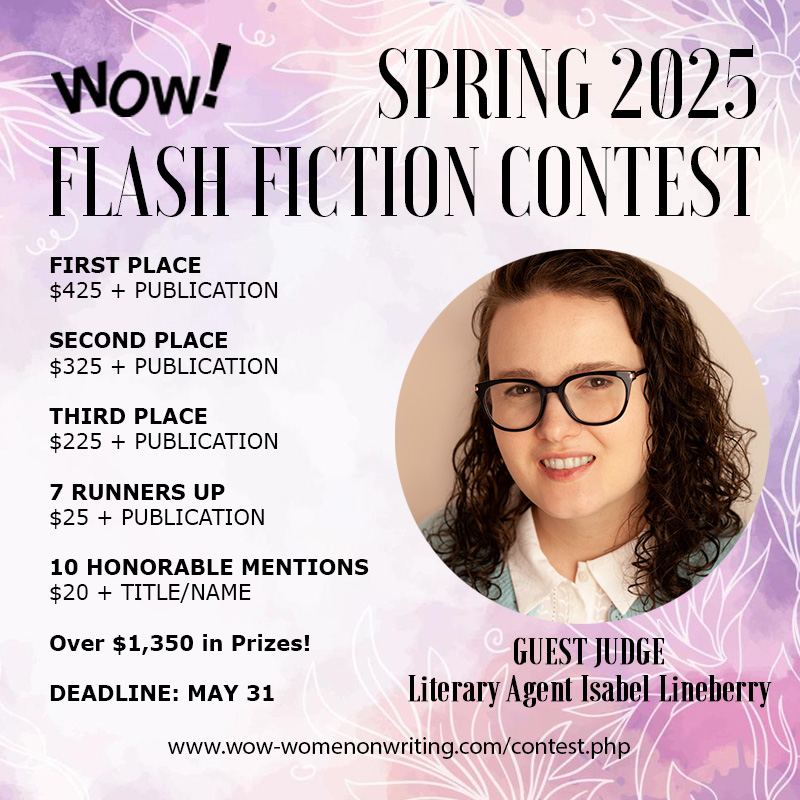
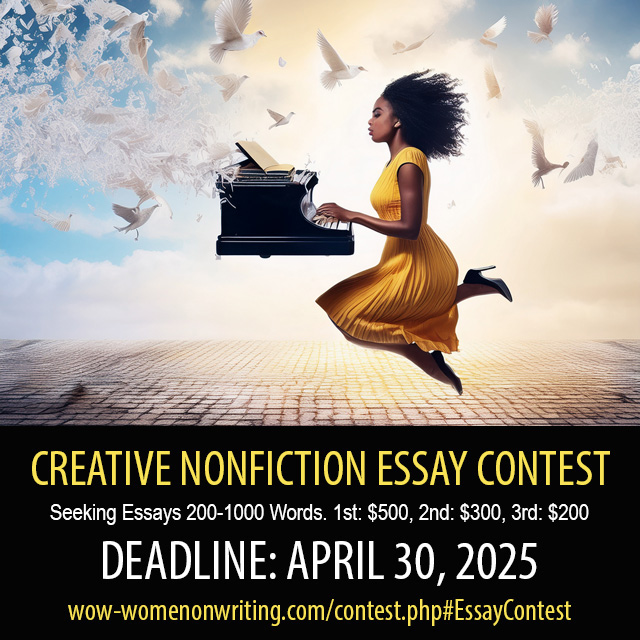
WOW! Women on Writing Quarterly Flash Fiction and Creative Nonfiction Contests
Deadlines: April 30 (nonfiction) and May 31 (fiction). Our favorite writing community offers quarterly contests judged blindly with multiple cash prizes and more for 20 winners, up to $1,350 (fiction) and $1,175 plus a gift certificate to CreateWriteNow (nonfiction), an affordable critique option, and a 300-entry limit on each contest. Previously published work is accepted! What’s not to love? This season's guest judge is Literary Agent Isabel Lineberry. Fee: $10 (Flash Fiction) and $12 (Nonfiction).
https://www.wow-womenonwriting.com/contest.php
| | |
National Pet Week is May 4-11! Celebrate by submitting your pet-related stories and poems to Chicken Soup for the Soul's Pets anthology by May 30th! They are excited to be collecting true stories for a new book that will include pets of all kinds. Of course they want stories about your dogs and cats, but they are expanding to include stories about all kinds of pets. From backyard to barnyard; from couch to coop; from aquatic to aerial; from indoor to outdoor; from fins to fur to feathers - they want to hear about all your pets. Stories should be 1200 words or less. Pay: $250 and ten copies of the book. No fee.
https://www.chickensoup.com/story-submissions/submit-your-story/
| | |
By Donna Judith Essner
Beginnings are always hard. No matter if it’s a novel, short story, or essay. As a writer, the mission is to beguile, coax, hook, and yes, seduce—manipulate, if you will—agents, editors, publishers, and readers to open our books, turn the pages, and never stop until “The End.”
Easy, right? Not really.
If all it took were stringing words together that make sense, the world of writers would multiply exponentially. But like F. Scott Fitzgerald once said, “I don’t want just words. If that’s all you have for me, you’d better go.”
So, if a writer really doesn’t want to let go of the goal to be published, no matter if fiction or nonfiction, effective writing—the craft of writing—must be learned and practiced. Voice, tone, figurative language, sound elements, dialogue, sentence structure, POV, mood, tone, emotion, and style must be mastered and used creatively—not only to write a good story but also to reach the goal of publication.
Think as a reader. Better yet, don an agent, editor, or publisher’s hat. Imagine you have hundreds of thousands of manuscripts stacked in front of you to read, and your goal is to find a manuscript you can sell. That is a key difference between a writer’s creative mission and an agent’s pursuit to sell a manuscript.
| | Competition Is Fierce, So Start Strong! | | |
Another important thing to always remember and never forget: Competition is Fierce! Every writer, hoping to get the coveted, “Sign on the dotted line, please!”, must put their very best writing foot forward from the beginning all the way to the end to rise above the din. Otherwise, forget it. In essence, the opening pages of a story are the first—and possibly only—chance to open that door to publication.
It goes without saying that first impressions matter. So...start strong! In those first pages, readers will fall in love with your protagonist and story. Or they won’t. They’ll be intrigued with what’s happening. Or they won’t. They’ll turn the page. Or they won’t. And if they don’t, your manuscript may be kicked to the curb or tossed into the trash. Harsh realization, to be sure. But it is imperative that every writer understand this.
So how does a writer start strong? Create intrigue. Ground your reader in the story. Impose questions in a reader’s mind.
| | |
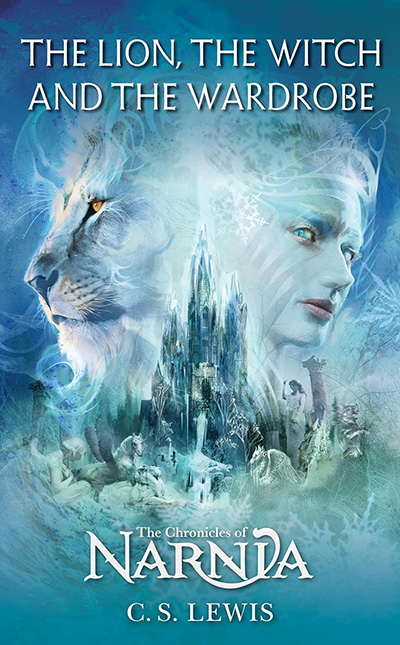
Consider the opening lines of C.S. Lewis’s The Chronicles of Narnia: The Lion, the Witch, and the Wardrobe. Although the antagonist, Jada, the White Witch, is not yet introduced, Lewis intrigues and hooks the reader in only sixty-one words and even creates questions in the reader’s mind they probably want answered. Questions the writer answers continually throughout the story.
Once there were four children whose names were Peter, Susan, Edmund and Lucy. This story is about something that happened to them when they were sent away from London during the war because of the air-raids. They were sent to the house of an old Professor who lived in the heart of the country, ten miles from the nearest post office.
| |
In short order, the reader starts to learn who the protagonists are (the children), what happened to them (they were sent away), where the story takes place (in the heart of the country) as well as when (during the war), why (because of the air raids), how they were sent away (by train), and to whom (an old Professor). Interestingly, by way of omission, Lewis creates intrigue in the peril of the children. (This story is about something that happened to them). What better way to lure a reader to turn the page? What better way to have them turn the page over and over again to find who or what they will encounter that turns the characters’ lives topsy-turvy?
Next: Enter the antagonist. Granted, some antagonists are not introduced immediately. Even so, grounding the reader in a story, along with enough intrigue so they want to find out who or what is preventing the protagonist(s) from meeting their goal, is paramount in hooking the reader.
Such is the case of The Lion, the Witch, and the Wardrobe. Jada, The White Witch, who froze Narnia in the Hundred Years' Winter isn’t introduced until near the end of chapter three. This is still plenty early in the story, of course. Here, too, Lewis capitalizes on other literary techniques to enhance the plot, like mood, tone, and description: Edmund “did not much like being alone in this strange, cold, quiet place.”
Like Edmund, the reader is put on edge. Fearful. Other questions arise as well. Why does Edmund not like being there? Why is it strange? Instinctively, too, the reader knows this description is foreshadowing things to come. As such, tension amps up, and the reader wants to know what will happen next.
Next, Lewis manipulates the scene with the dialogue between Edmund and the “Queen of Narnia” and puts the reader in medias res—in the middle of the action. This, in turn, creates intrigue and tension, raises the stakes for Edmund and his siblings, and thus, enhances the desires and objectives of Edmund and eventually his sisters and brother. Dialogue can move the plot along and reveal details about a character (e.g., snarky, off-putting, quiet, angry). The dialogue between characters also can reveal the mood of the scene or the story overall. Many times, what is spoken out loud by a character is in direct contrast to what they meant and indicates an undercurrent between them. As an expert in his craft, Lewis uses intrigue throughout the first few chapters in his description and dialogue as well as the characters’ lives to keep readers turning the pages.
| | Ground Your Reader in the Story with Point of View (POV) | | |
The Lion, the Witch and the Wardrobe is told in third-person omniscient POV. The narrator knows everything about all the characters—their thoughts, feelings, and so on. In comparison, F. Scott Fitzgerald, in his novel, The Great Gatsby, chose first-person narrator Nick Carraway to immerse the reader in the story. The story is more intimate told from his POV, thus simultaneously creating empathy for him. Also, if Gatsby had been the one to tell the story, we would miss much from Nick’s perspective.
By the same token, from the opening of the novel, Nick wants the reader to believe he is reliable in his view of Gatsby and the other characters—as well as himself. For example, the story begins as Nick says:
In my younger and more vulnerable years, my father gave me some advice that I’ve been turning over in my mind ever since. “Whenever you feel like criticizing any one,” he told me, “just remember that all the people in this world haven’t had the advantages you’ve had.”
So readers may question, having lived an advantageous life (as compared to possibly Gatsby’s early life), do we trust Nick’s viewpoint? Even so, as Nick begins the story, he pulls the reader into his world and lays the foundation for his view of Gatsby and his life—plus how it has affected Nick. Readers become grounded in Nick’s reality and beliefs.
Further on, as he talks of going to the East “to learn the bond business,” he states he will become a “well-rounded man, [which] isn’t just an epigram—life is much more successfully looked at from a single window, after all.”
Like Lewis in the above example, Fitzgerald also creates intrigue while he draws us in with Nick’s storytelling and personality. One thing does become clear—the story is as much about Nick Carraway as Jay Gatsby—and readers will continue to race to the end to find out more.
| | Present Questions to the Reader | | |
One last tip for strong beginnings is leaving your dear reader with questions they must have answered by the end of the book. These questions keep them reading. For example, in The Lion, the Witch, and the Wardrobe, the author creates intrigue about what will happen to the kids. In The Great Gatsby, first-person narrator Nick Carraway pulls the reader in and grounds them in his world of wealth.
Another example of a strong beginning, where the author presents questions for the reader, is Sylvia Plath’s The Bell Jar. The story is told in first-person POV, from the protagonist, Esther Greenwood, who struggles with depression and finding her place in a 1950’s man’s world.
It was a queer, sultry summer, the summer they electrocuted the Rosenburgs, and I didn’t know what I was doing in New York.
Another excerpt:
I was supposed to be having the time of my life.
In the very first sentence, Plath uses descriptions of the weather and time of year (queer, sultry summer), where Esther was (New York), what took place (an execution), and who was killed (the Rosenbergs) to create questions that need to be answered. Esther wonders about her own reason for being in New York, which, in turn, intrigues the reader to find the answers about New York and why the summer was queer. Manipulation at its finest!
| | |
Always, always, always...read and remember at least the first stanza of Rudyard Kipling’s poem, “I Keep Six Honest Serving Men.”
I keep six honest serving-men
(They taught me all I knew);
Their names are What and Why and When
And How and Where and Who.
These questions are basic to every story. They create interest, curiosity, concern, and nosiness in readers. (Read the poem here). For that reason, without serving these fellows to your reader in the beginning, you will lose them. Guaranteed.
All in all, when drafting beginnings, like relationships, they are often messy, complicated, confusing, and tangled with unknowns. Even so, this is a necessary part of writing every story. Then many, many drafts later, the writer can buckle down and “craft” the rest of the story.
Start strong! Stay strong! And be the Fierce Competition others want to emulate.
| | |
Donna Judith Essner lives and writes in sunny Florida’s sandy-beach panhandle. She has held positions as a university press associate editor, a small press acquisitions editor of several award-winning non-fiction and fiction works, and currently is a freelance editor. Her days are spent penning and editing her own manuscripts (two historical YA, and has just begun her first mystery novel), and freelance editing manuscripts. Her work has been published in New Pages, Big Muddy: A Journal of the Mississippi River Valley, Faulkner and Chopin, and WOW! Women on Writing. She is a member of SCBWI, Women’s Fiction Writer’s Assn, Emerald Coast Writers, Sisters in Crime (SinC), and Mystery Writers of America (MWA).
| | |
The Lessons I Learned in 2025 About Freelancing
By Nicole Pyles
2025 has been some kind of year for freelancing. January was one of the largest payments I've ever received throughout my years of freelancing. It was also the most uncertain. I lost a major source of writing income and had to pivot quickly and drastically.
I'll save you the details, as I've finally learned to accept and move on, but it taught me important lessons. Ones I accidentally forgot.
READ MORE
| | |
Turn Your Passion Into a Book
By Renee Roberson
Years ago, I read a fun book by author Christina Katz called Get Known Before the Book Deal: Use Your Personal Strengths to Grow an Author Platform. She shared practical tips on simple ways to slowly create a brand and online presence while creating content about something you really love.
Phase 1 of her blueprint included “Platform Development and Building.” Although I have been writing for years, I spent the first part of my career writing parenting and lifestyle articles, as well as working in magazine publishing. Those markets were oversaturated so I never focused much on building a platform besides establishing an online presence with my writing blog.
My ideas about platform building changed when I started my podcast, Missing in the Carolinas, almost five years ago.
READ MORE
| | |
A New Twist on Predictable Ideas
By Jodi Webb
Several months ago I entered a themed short story contest that included a list of tips to improve your chances of winning. One tip was to not write about the first thing to pop into your head because if it popped into your head, chances were it popped into the heads of dozens of other writers. So I discarded my first two idea nuggets and finally settled on the third. It was about something I never write about - sports rivalries. Actually had to consult my sports expert (husband) for two football teams that were rivals. But the story must have worked because I did get mentioned as a runner up.
I've spent much of my time as a freelance writer, trying to craft my ideas into queries that perfectly match what the editor is asking for in their guidelines or call outs. After that contest I wondered if the advice would carry over to the nonfiction world.
READ MORE
| | |
Friday Speak Out! Writers Block? Try Using a Writing Prop
By Laura Yeager
Writer’s block is a common problem. It can last an hour, a day, a year or two or, God forbid, even longer. People try many things to get over it – brainstorming, writing to music, using writing prompts – to name a few. Whole books have been written on the subject. Now, here’s an idea – if writer’s block happens to you, the issue might be solved through the use of a writing prop.
I had never purchased a writing prop until recently. What I mean by “writing prop” is an object that I use to generate ideas for an article I want to write. Take, for example, a miniature Zen Garden retailing at $24.99. I invested money in this because I believed I’d get a story out of it, and I knew I’d probably be able to market the piece and make a profit from it.
With the Zen Garden, I began experimenting to see how using it daily would make me feel. Zen Gardens are meditation/relaxation devices. And guess what? The tray of white sand and little rakes actually promote calmness. I ended up writing about Zen Gardens and their benefits for cancer patients for Curetoday.com, a cancer website. The article was published on April 4, 2025.
READ MORE
| | |
Friday Speak Out! Write From Your Heart; The Best Writing Advice I Received From My Father
By Jeanine DeHoney
I proclaimed I wanted to be a writer at a very young age. As I sat on the sofa in my family’s Living room, my imagination had free reign as I wrote stories about cute little kittens and fairies with the exception of Fridays and Saturdays.
Then, as the weekend loomed in front of me, my father who was a saxophone player and jazz aficionado, who loved listening to music teeming at the seams with the barebones of improvisation, syncopation, and a melodious rhythm, would take a jazz album from his collection out of its sleeve and play it on our stereo console.
I would drop everything to sit beside him, and then mirror how he attended to this music; the bobbing of his head, tapping of his feet, taking mental notes of any listening instructions he gave me.
The main one he imparted to me was, “Always listen with your heart and not just your ears.”
READ MORE
| | | | |