|
|
February 25, 2022 / Volume 10, Issue 8
|
|
IN THIS ISSUE:
104(g) RFP, New Student Worker, WRRC to AWBA, NVIS Seminar, Drought
|
|
USGS National Competitive Grant
Program Opportunity
|
|
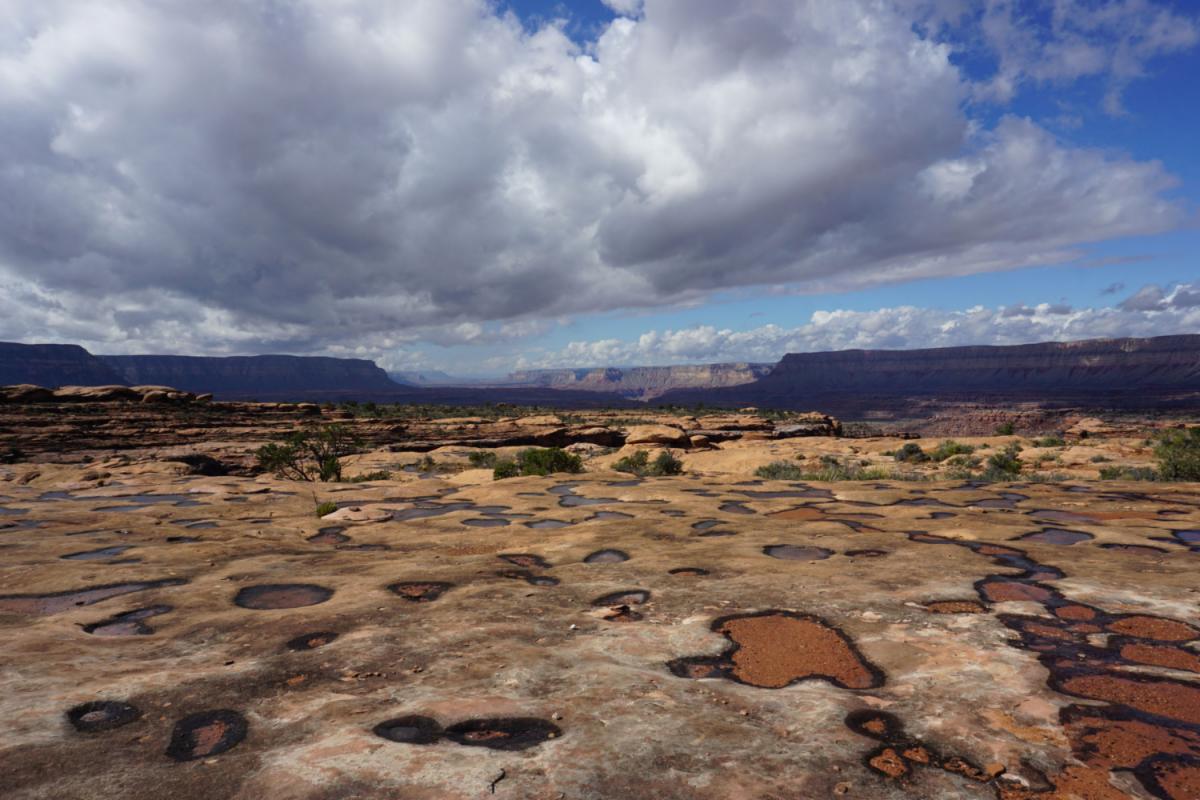
The WRRC is accepting proposals for the FY 2022 Water Resources Research National Competitive Grants Program (104g). Publication of the Request for Proposals by USGS is expected soon and will be announced in future Weekly Wave publications. These grants support research on water problems and issues of a regional or interstate nature. Any investigator at an institution of higher learning in the US is eligible to apply for a grant through a Water Research Institute or Center established under the Water Resources Research Act of 1984. The WRRC is the designated Water Resources Research Institute for Arizona. Proposals may be for projects of one to three years in duration and may request up to $250,000 in federal funds. A 1:1 non-federal match is required. Proposals that include a USGS collaborator as a co-PI are encouraged. Submitting preproposals to the WRRC is the first step in the 104g grant application process. Proposals should be submitted by email to Program Manager Michael Seronde (seronde@arizona.edu) no later than 5:00 pm MST, Friday, April 8, 2022. Funds have not yet been appropriated for this program for FY 2022 and the Government's obligation under this program is contingent upon the availability of funds.
Image: Grand Canyon, Lauren Hixson, WRRC Photo Contest
|
|
Native Voices in STEM Spring 2022 Seminar Series: Wastewater-Based Epidemiology in Tribal Communities
Date: March 14, 2022
Time: 3:00-4:00 pm Arizona Time
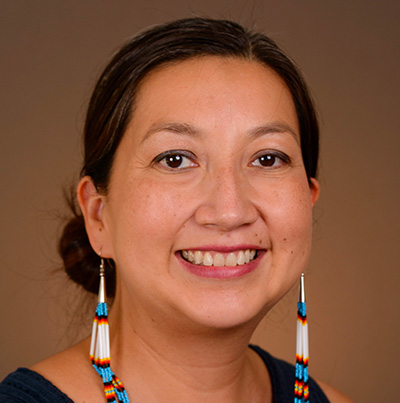
Speaker: Otakuye Conroy-Ben, Assistant Professor in the School of Sustainable Engineering and the Built Environment at Arizona State University
Dr. Otakuye Conroy-Ben is an Assistant Professor in the School of Sustainable Engineering and the Built Environment at Arizona State University. Conroy-Ben received a BS in Chemistry from the University of Notre Dame and an MA in Analytical Chemistry and PhD in Environmental Engineering from the University of Arizona. Her research focuses on the biological effects of polluted water. Her research interests include environmental endocrine disruption, metal and antibiotic resistance in bacteria, and wastewater epidemiology.
|
|
Upcoming Events
Mar 29: WRRC Brown Bag Webinar: Upper Basin Conservation; Jennifer Gimbel, Interim Director and Senior Water Policy Scholar, Colorado Water Center; Jim Lochhead, CEO/Manager, Denver Water; Steve Wolff, General Manager, Southwestern Water Conservation District
Apr 19: WRRC Brown Bag Webinar: Carlos de la Parra, Research Professor of Urban and Environmental Studies, El Colegio de la Frontera Norte
Apr 27: WRRC Brown Bag Webinar: Sharon Nappier, National Program Leader for Water Reuse, US Environmental Protection Agency - Office of Water
|
|
New Student Worker Joins WRRC
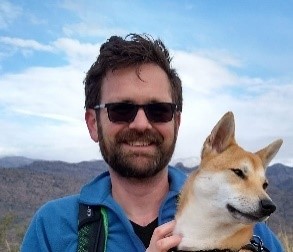
The WRRC is pleased to welcome Garland Speight to our team as a new student worker. Garland is pursuing a master’s degree in Water, Society and Policy through the UArizona School of Natural Resources and the Environment. He is a UArizona alumnus and received an undergraduate degree in Mechanical Engineering. Following Garland's graduation, he worked as a nuclear engineer on spent nuclear fuel disposal and steam plant equipment development. More recently, he has worked to develop water processing technologies for the International Space Station as an aerospace engineer. Garland is a native of Arizona and loves spending time with his dog, hiking, camping, reading, and baking. He is excited to bring his passion to learn more about water issues and arid lands to the WRRC and will assist with planning the 2022 WRRC conference, writing Weekly Wave articles, and providing general assistance to the Water RAPIDS program.
|
|
Former WRRC Graduate Research Associate
Joins AWBA
Rebecca Bernat recently joined the Arizona Water Banking Authority (AWBA) as a new technical administrator and water resources specialist associate. Bernat assists AWBA Director Virginia O’Connell in compiling, analyzing, and interpreting water use data and hydrologic modeling results to develop AWBA planning projections; developing annual operating plans in collaboration with other governmental organizations and public and private entities; presenting analyses and results to AWBA Commission members, other agencies, and public forums; and ensuring compliance with statutory and permitting requirements. Bernat recently received her PhD in Environmental Science (with a minor in Water, Society and Policy) from the University of Arizona's Department of Environmental Science. She studied under the supervision of WRRC Director Sharon B. Megdal. Her dissertation research focused on three aspects of managed aquifer recharge: the Central Arizona Groundwater Replenishment District, the reuse of effluent, and market-based transactions of long-term storage credits. Bernat worked for two year-long stints at the WRRC. From 2015-2016, she worked as a graduate research assistant conducting research on managed aquifer recharge and writing, editing, and publishing stories for the Weekly Wave, and from 2020-2021, she worked as a graduate research associate conducting research on water federalism while also contributing stories for the Weekly Wave.
|
|
NVIS Seminar Series Continues with
Dr. Cherie DeVore
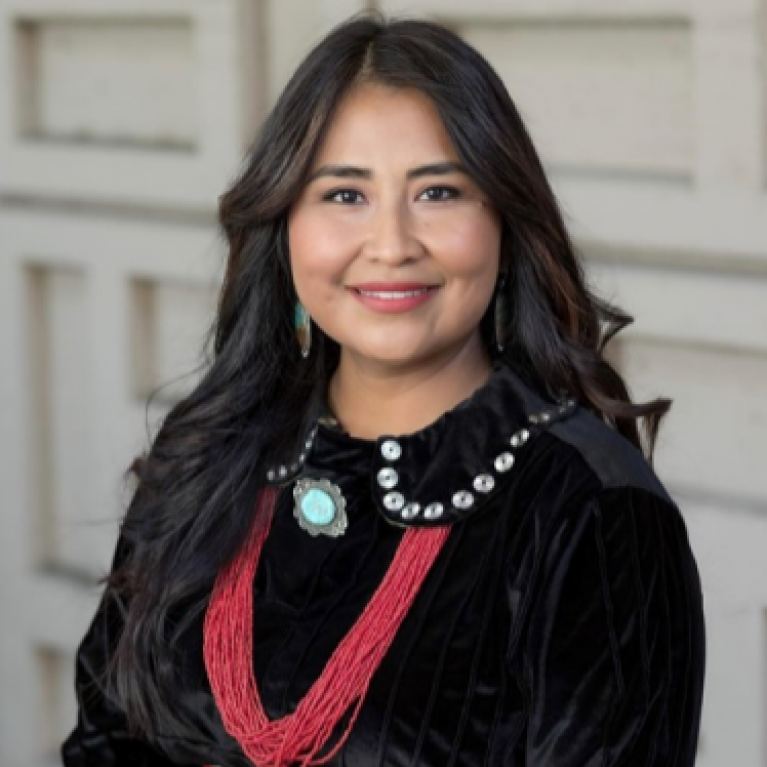
The Spring 2022 Native Voices in STEM (NVIS) seminar series, sponsored by Indige-FEWSS and co-sponsored by the WRRC, continued on February 14 with a presentation by Dr. Cherie DeVore titled, "Mining and Wildfires Alter Metal Mobilization: Restorative & Mechanistic Insights." DeVore is Diné and a post-doctoral research fellow in Earth Systems at Stanford University. She began the presentation by discussing how her family and background as an Indigenous woman have informed her approach as an investigator. She contextualized this experience within the River Continuum model. In this model, fundamental science, Indigenous knowledge, and Diné philosophy form the headwaters of the scientific river. These ideas combine with research, experiments, and practical application in the middle reaches, culminating in social and environmental justice in the lower reaches. DeVore illustrated this approach through her work characterizing arsenic mobility in the Cheyenne River Sioux Tribe region downstream from mine sites and wildfire-generated toxins. She ended her presentation by reiterating that scientific progress demands “multiple ways of knowing” and said that asking questions that spoke to restoration was the power in her own pathway as an investigator. She encouraged Native students and all others to consider their headwaters, examine their tools, and identify the stories they want to tell.
|
|
Study Finds Current Drought Conditions to be Worst in 1200 Years
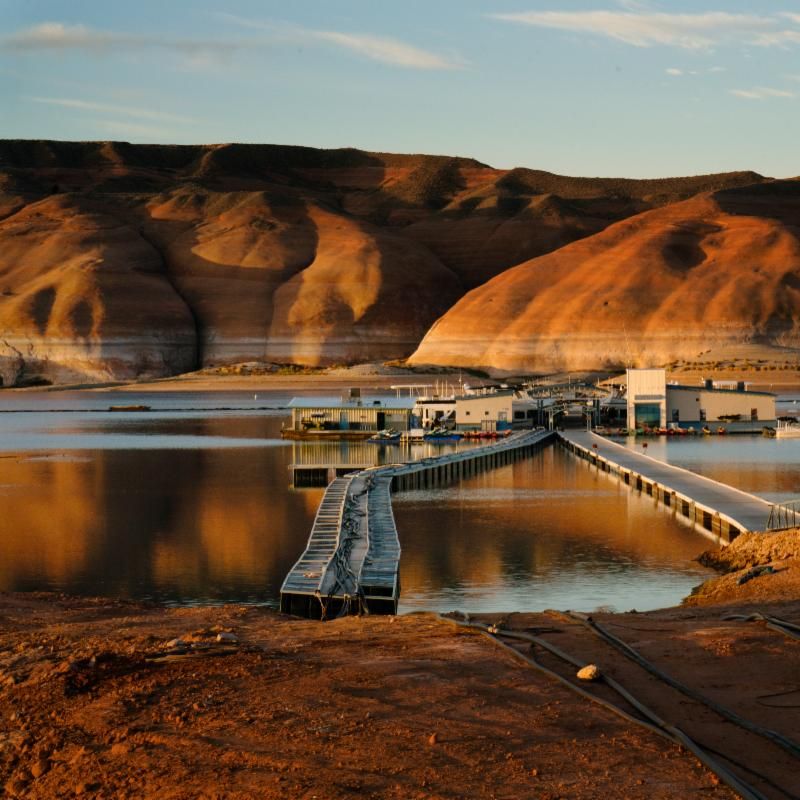
Anyone living in the Southwest is well-aware that the region has been facing extended drought. The period since 2000 has been deemed a megadrought, and experts predict conditions will continue to worsen due to climate change. The region has experienced cycles of drought for centuries, but a new study published in Nature Climate Change has found that the Western US and Northern Mexico are experiencing the worst drought conditions in 1200 years. The study was led by UCLA Hydroclimatologist and Associate Professor of Geography Park Williams. Williams spoke with NPR about the study, noting that “it really is time for us to get real about how much water there is to use.” The study attributes some of the severity of the drought to climate change. Speaking with the New York Times, Williams explained that in the absence of climate change, the current drought “would have been only about 60 percent” of the severity seen today. In a KJZZ interview about the study and what it says about the future of Arizona, WRRC Director Sharon B. Megdal noted that in AZ, “we know that we have to plan appropriately for our future, and water is a big component of that.” She emphasized that while there is uncertainty over which solutions will be used to address the problem, AZ has no shortage of potential solutions.
Image: Lake Powell, Claire Harbage/NPR
|
|
March 1 Deadline for Research Proposals
Faculty and research personnel at any of Arizona's three public universities are invited to submit research proposals to the WRRC for grants of up to $10,000. Proposals should feature student work and explore new ideas to address water problems in AZ and the Southwest and expand understanding of water and related phenomena. Proposals are due by 5:00 pm MST on Tuesday, March 1, 2022.
|
|
Please visit WRRC's website for a complete listing of water jobs & opportunities.
|
|
Do you have a story idea, water job announcement, or event to share?
|
|
|
|
|
|
|