|
By Paul Sousa, Director of Regulatory & Environmental Affairs
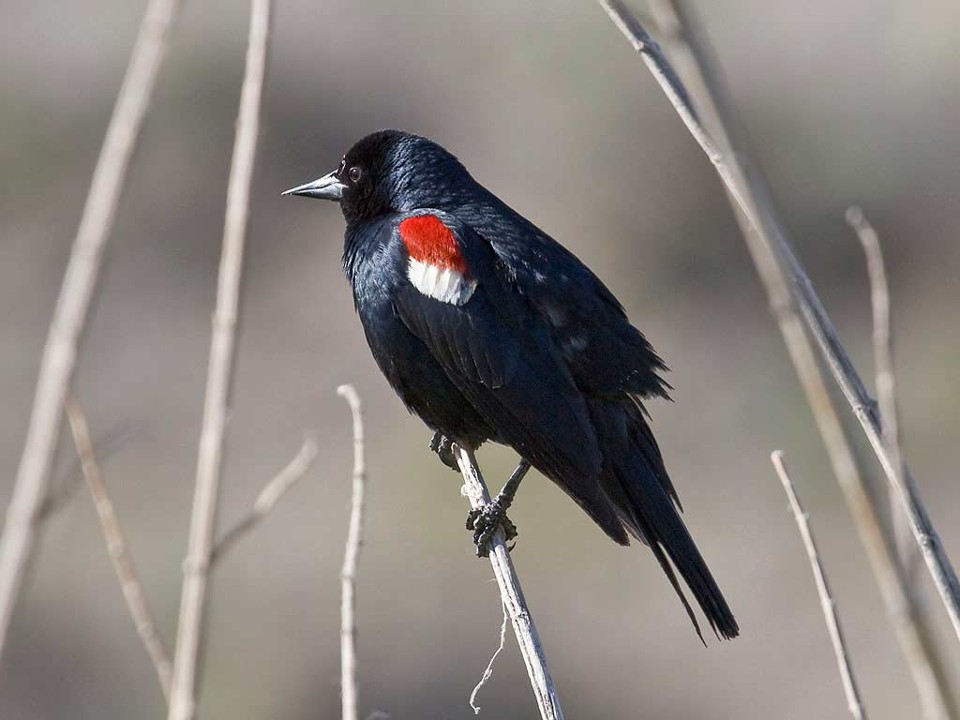
Tricolored Blackbird nesting season is here, and I have already received reports of birds beginning to nest in the southern San Joaquin Valley. This species has experienced a population recovery over the last decade as dairy producers have worked to protect them. With that recovery, more birds are now looking for nesting sites. Wetlands, their natural habitat, have largely been removed from the landscape, and in the current San Joaquin Valley environment, dairy winter forage fields appear to provide suitable nesting habitat.
Most Tricolored Blackbirds now nest in winter forage fields near dairies, with a particular affinity for triticale. They are commonly found on dairies from Merced to Kern counties between March and June. Once adults begin nest building, it usually takes about 45 days for the young to fledge and for it to be safe to enter the field. However, some colonies see additional birds join later and begin nesting, which resets that 45-day clock. Depending on when the birds started nesting and when harvest was planned, delays can range from two weeks to more than six weeks.
Western United Dairies is working in partnership with Audubon California, Dairy Cares, California Farm Bureau, the Natural Resources Conservation Service (NRCS), and the California Dairy Research Foundation to make funding available through a USDA-NRCS Regional Conservation Partnership Program (RCPP) grant. This program helps compensate farmers who must delay harvest when Tricolored Blackbirds are nesting in their fields. Compensation this year is $945 per acre for delayed harvest.
California Department of Fish and Wildlife (CDFW) contracted biologists and Audubon California staff are currently surveying for nesting colonies. When a colony is found, I am notified so I can conduct outreach to the dairy. I remind dairies that these birds are protected and should not be harmed, and I direct them to their local NRCS office to sign up for the funding program. Over the last couple of years, birds have been nesting in new locations, which means new landowners are sometimes contacted and informed of the situation. If you receive a phone call from me this spring, this could be the reason.
The California Fish and Game Commission listed the Tricolored Blackbird as a threatened species under the California Endangered Species Act (CESA) in 2018 in response to a petition from the Center for Biological Diversity. Western United Dairies has been engaged on this issue for many years, and I was there to comment in opposition to the listing as the only dairy producer trade association to do so. Farmers had already been voluntarily protecting Tricolors for years, and with partnerships and funding available to delay harvest, I believed listing the species was not necessary. However, the Commission listed the species anyway, and here we are.
If you have any questions on this issue, please reach out to me at paul@wudairies.com.
|