|
Falling for Trees
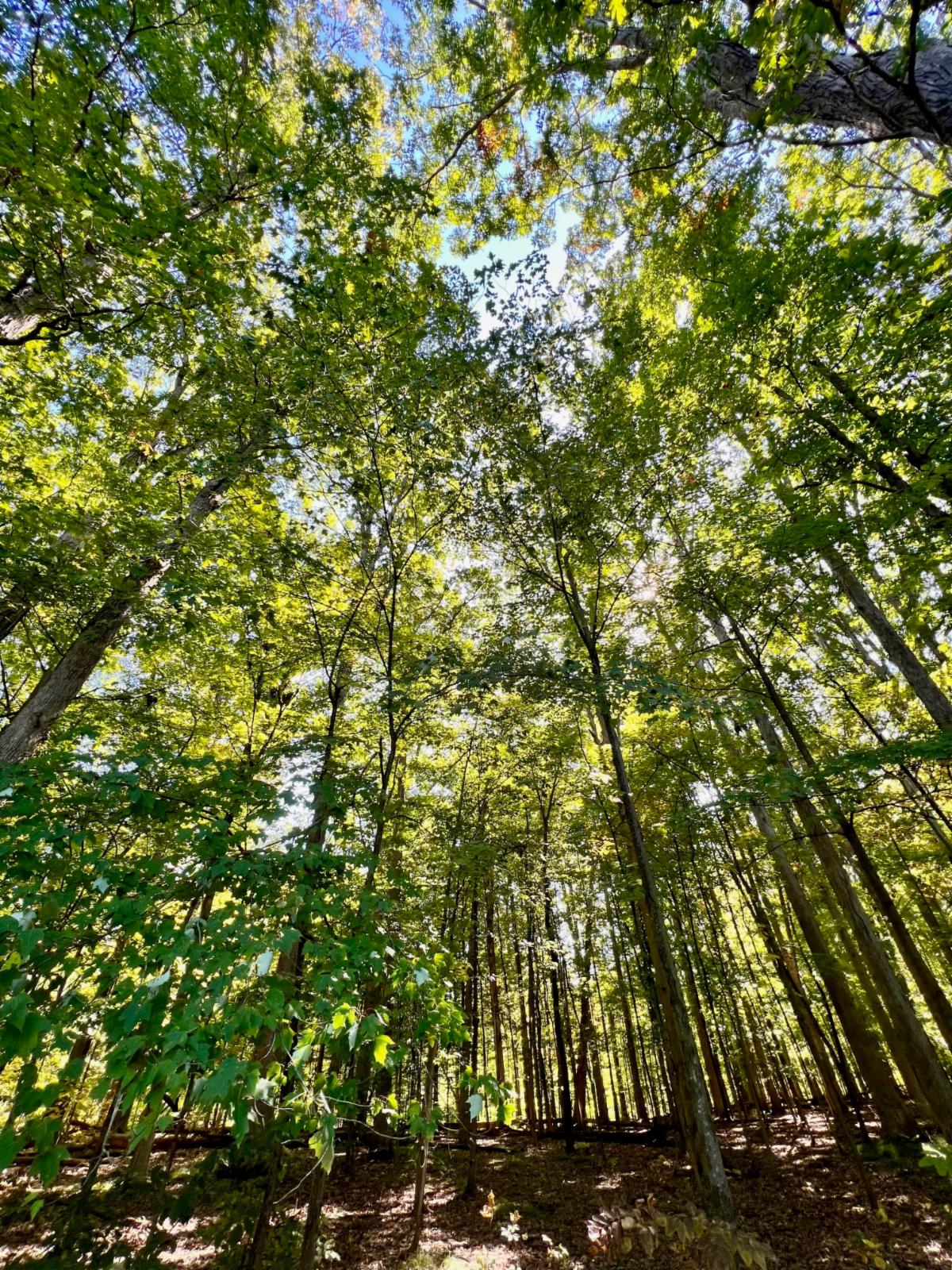
Fall is a season of beauty, with leaves transforming into rich hues of red, orange, and gold, painting landscapes in warm tones. As they drift gently to the ground, they create a crisp, satisfying crunch underfoot. Each step echoes nature’s farewell to summer and welcomes the cooler temperatures of the changing seasons. Walking through these fallen leaves, with their rustling and crackling sounds, adds an earthy tune to the season’s serene charm.
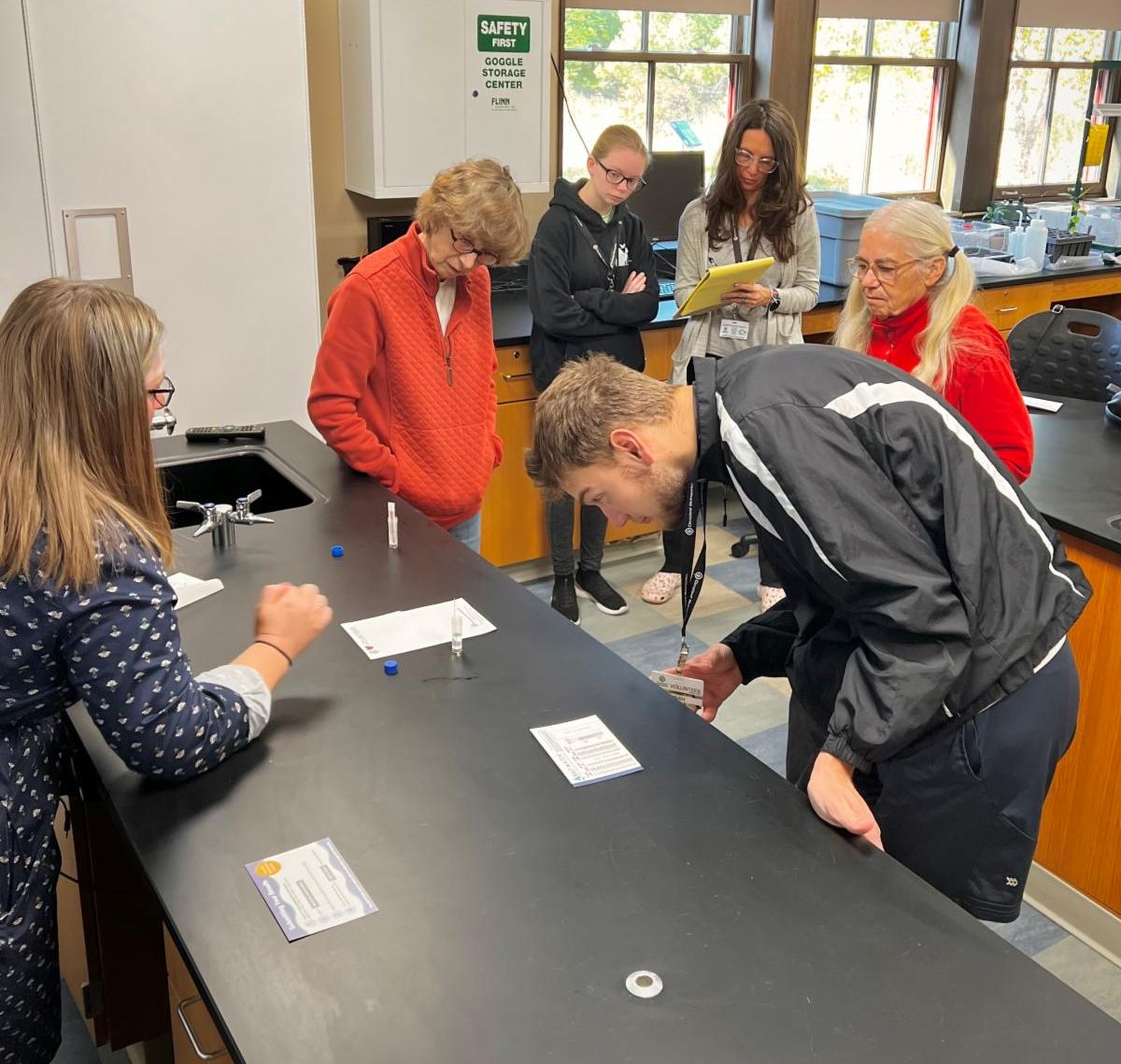
Last week the Watershed Volunteer Program (WVP) participated in two events centered on trees and their vital role in our watersheds. The first event, held on Monday, October 21st, was a joint lecture with Big Creek Connects, where Bob Gardin and Roy Larick, PhD presented “A Look at Big Creek and its Past and Future Forest Ecology”. Dr. Larick discussed the historical distribution of forest species in Cuyahoga County, how these have shifted over time, and which species to prioritize moving forward, such as Oaks.
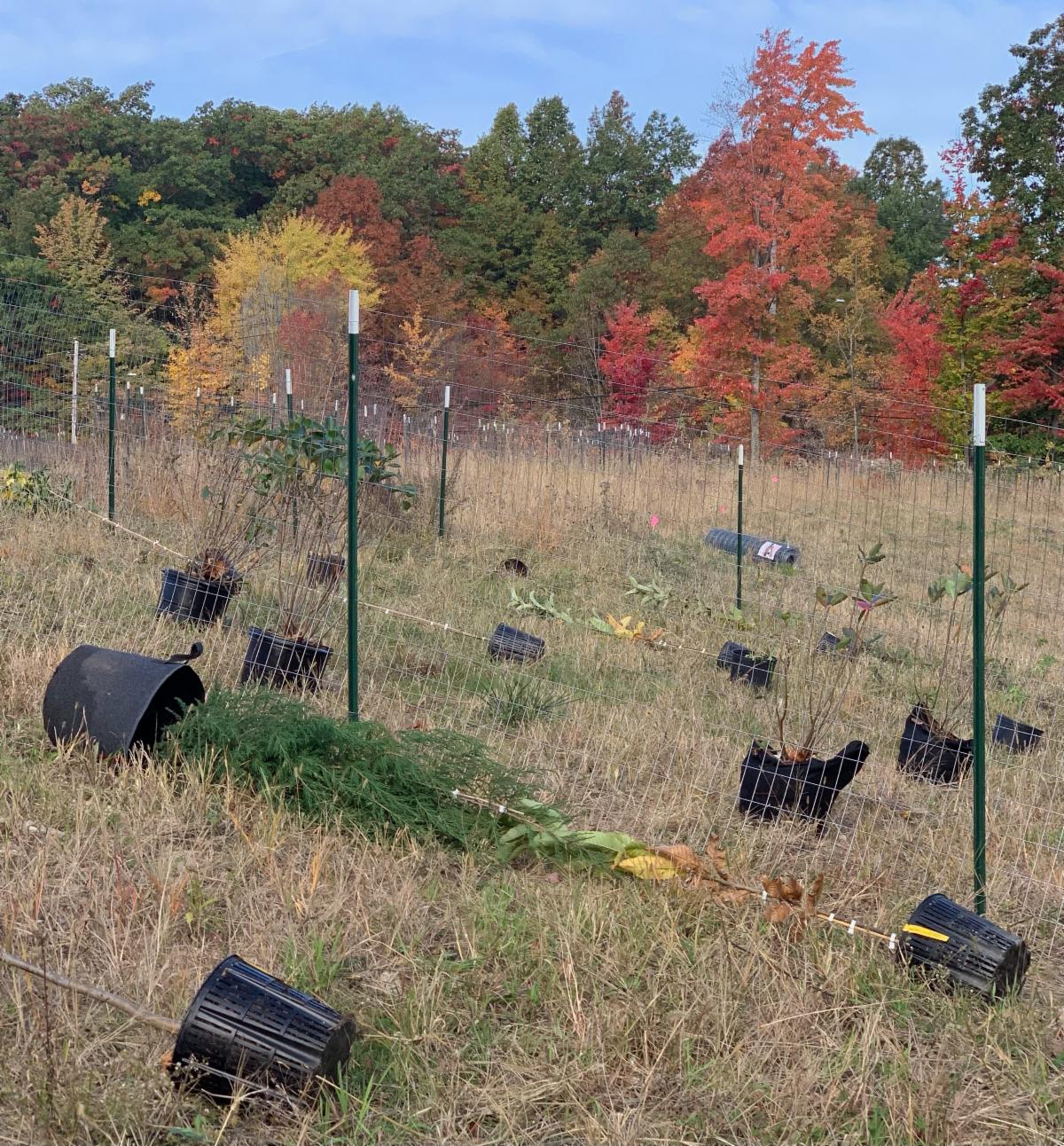
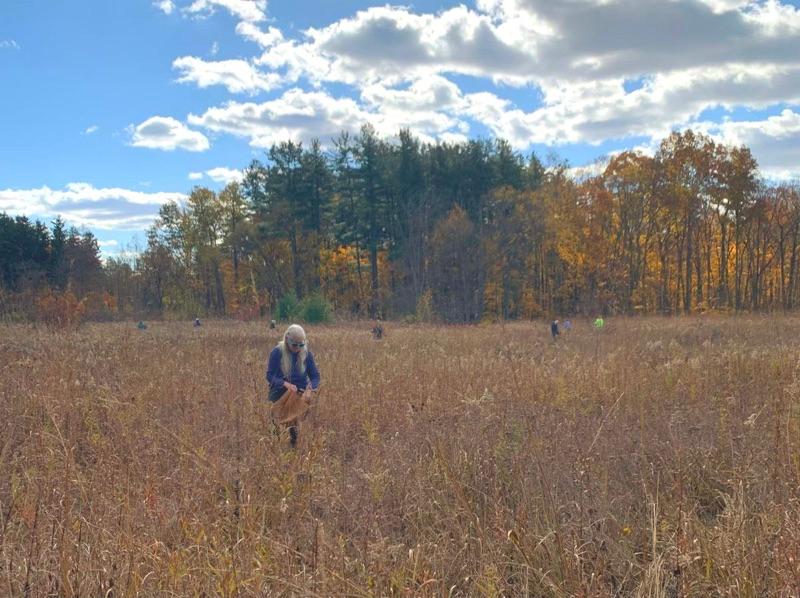
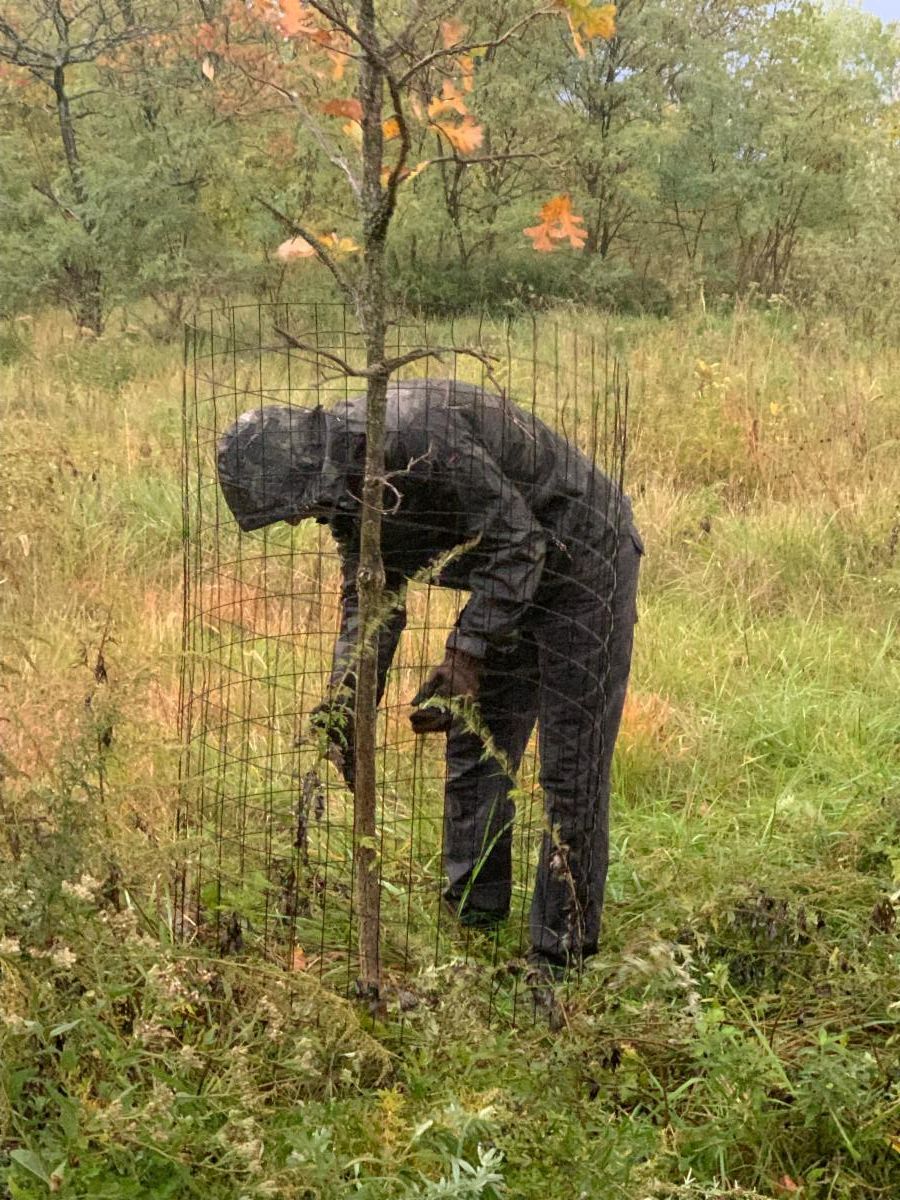
The second event took place on October 23rd. WVP volunteers joined Natural Area Manager Valerie Carter-Stone and her team to plant 70 trees—including Chestnut, Tulip, Catalpa, Red Cedar, Sweet Gum—at the former Camp Corde as part of a restoration effort.
With recent WVP events focused on trees and this being the prime season for beautiful fall foliage, I thought it would be interesting to hear from members of the Cleveland Metroparks who attended these events about their favorite trees and why they mean so much to them.
Elizabeth Hiser
Stream Restoration Ecologist
My favorite tree is the American sycamore (Platanus occidentalis). Often found along streams aka as my most loved habitat, they are beautiful and persistent in their growth even when damaged or mostly uplifted by erosion or storms. I love their bark which has been compared to winter camo and I love their seed balls. On a Bedford hike with volunteer naturalist Fred Losi I learned that the middle of the seed ball had been used by pioneers to make buttons. I think back fondly to that hike every time I find and spread sycamore seeds in the spring to get to that sturdy middle "pioneer button".
Ellery Schneider
AmeriCorps NOWCorps, Natural Resources Technician
My favorite tree is the eastern hemlock (Tsuga canadensis). Their stoic beauty is uniquely striking to me. Hemlocks thrive in a very unique habitat characterized by moist, shady ravines that I find to be a soothing space to exist. The evergreen hemlock brings me particular delight on a grey winter's day, most especially if it's draped in a fresh snow.
Jake Kudrna
Center Manager, Watershed Stewardship Center
It's hard to pick a favorite tree! I'll go with yellow birch (Betula alleghaniensis).
I'm a big fan of most trees, but when considering which species I would miss the most if we were to lose it, yellow birch comes to mind. The golden fall color, wintergreen fragrance, and the way their roots contort and anchor to rock outcroppings - they all bring back such fond memories. Whether it's camping with my friends out in PA, or hiking along the streams in South Chagrin, any time I find myself in a forest peppered with yellow birch, I know I'm in a good spot.
Anthony Casey
AmeriCorps NOWCorps, Natural Resources Technician
My favorite tree is the American sycamore (Platanus occidentalis). The contrasting bark on these trees is aesthetically pleasing to me, and, like the American sycamore, I too am often found alongside rivers and streams! My favorite bit of history about these trees are the records of early porters, soldiers, and explorers encountering giant, hollow sycamores on their journeys into Appalachia and the Western Reserve. According to a journal entry from the Ohio Historical Society, these primeval sycamores were large enough that 29 men could dine side by side and shelter from the elements. Nowadays, sycamores still offer prime dwelling opportunities, but for smaller suitors such as wood ducks and barred owls.
Sara Corrigan
Watershed Volunteer Program Coordinator
My favorite tree isn’t a single species but a single tree. When I was growing up, we had a twin, silver maple (Acer saccharinum) in our backyard. It was the kind of tree with a swing and large sweeping branches that were just right for climbing. The leaves had a lovely shimmery quality and soft sound in the wind. Each season, it reflected the best of winter, spring, summer or fall. For those of you who are familiar with silver maples, you know that this isn't a rare or particularly valuable tree. Yet, for a kid, it had a magical quality and sat with such a presence that it seemed like it might have always been there.
As we immerse ourselves in the beauty of fall, these reflections on favorite trees and hands-on efforts in our watersheds remind us of the enduring roles that trees play. Each small act, from learning to planting, strengthens our connection to the natural world and helps preserve it for future generations. Let this season inspire us all to continue protecting and cherishing the trees that define our watersheds and enrich our shared environment.
Best,
Michele Mumaw, PhD
Watershed Volunteer Program Assistant
|