|
March, 2026
Become Their Voice
| | |
March is a season of renewal. Longer days. More light. A sense that things can grow again. But for many families, the struggles happening inside their homes are not visible in the sunlight.
As parents, we know how easy it is to miss the quiet warning signs. The late-night scrolling. The irritability that looks like “attitude.” The exhaustion that gets blamed on school. The “I’m fine” that often isn’t.
We also know that silence does not protect our children. Conversation does.
At Become Their Voice, we believe prevention starts at the kitchen table. It starts with asking better questions. It starts with understanding how the developing brain works. It starts with recognizing how stress, hormones, alcohol, and emotional pain are often connected.
Iowa is not immune. Our teens are navigating anxiety, substance exposure, and pressures many of us never experienced at their age.
The data is clear. The need is real.
But so is hope.
When families are informed, they are empowered. When conversations happen early, outcomes change. When one adult steps in, a life can shift.
This month, we are focusing on what many families are thinking about — but not always talking about.
- The uncomfortable conversations.
- The hidden struggles.
- The early warning signs.
- And the power of prevention.
We are honored to stand with you in this work.
-- Kathy & Deric
| | Still think your child/teen needs a smart phone? | |
March is a natural reset.
Longer days. More sunlight. A shift in energy. But while the season changes quickly, the brain doesn’t always follow at the same pace.
Mental health and substance use patterns often worsen during winter months. Reduced sunlight affects serotonin and dopamine. Isolation increases. Sleep patterns shift. Alcohol use often rises. For teens especially, stress builds quietly.
Spring gives us an opportunity to reset — intentionally.
A brain reset does not require something dramatic. It requires consistency:
• Better sleep routines
• Reducing alcohol and substance use
• Increasing daylight exposure
• Movement every day
• Honest conversations about stress
The teenage brain is still developing until the mid-20s. Repeated alcohol or substance use during this window can rewire stress response pathways, making anxiety and depression worse long-term.
Parents often focus on behavior. We need to focus on brain health.
Spring is a good time to ask:
How is your sleep?
What feels heavy right now?
What are you using to cope?
Small daily changes protect long-term mental health.
Reset doesn’t mean perfect. It means intentional.
| | |
*** Photos are from the Alexander Neville Foundation
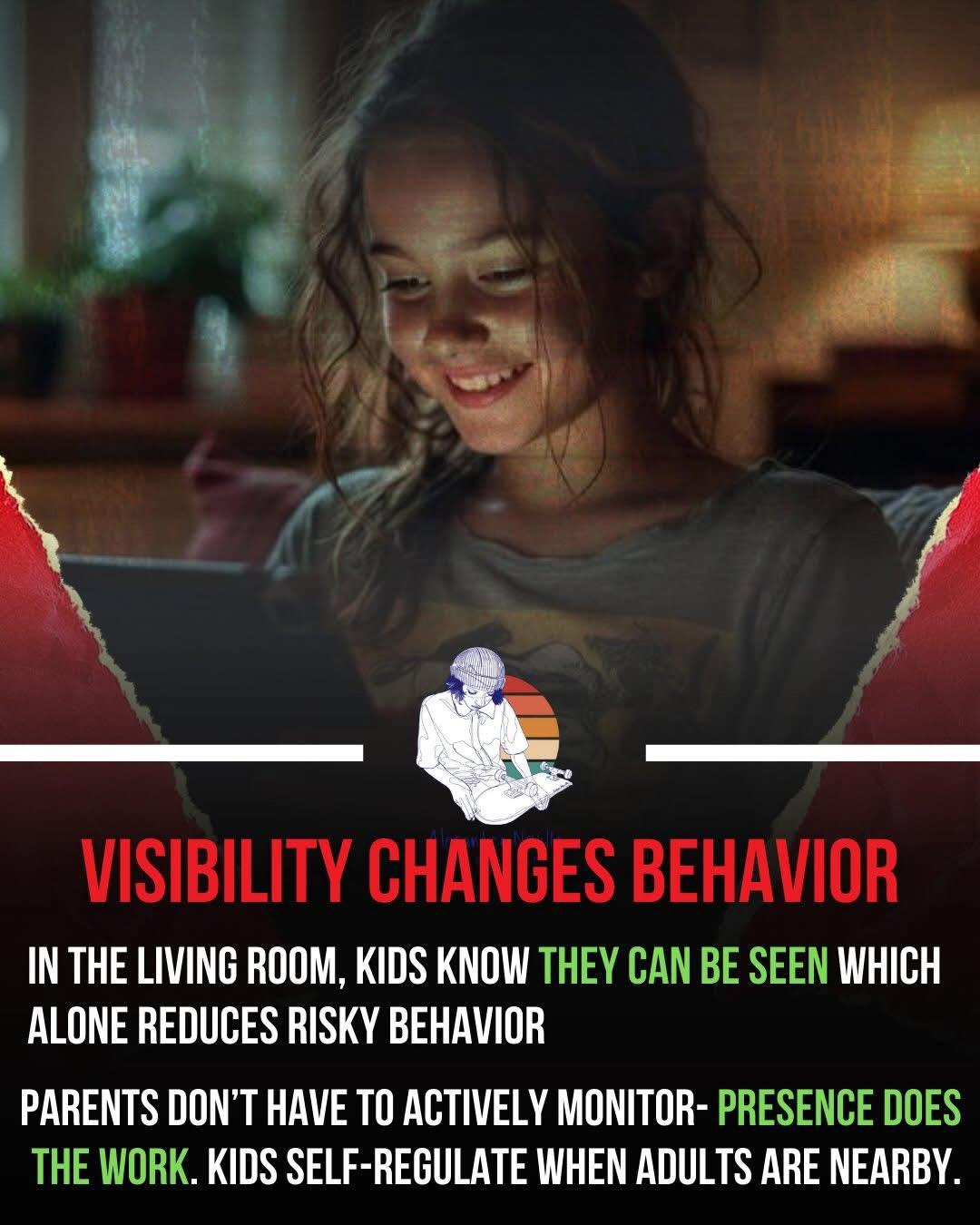
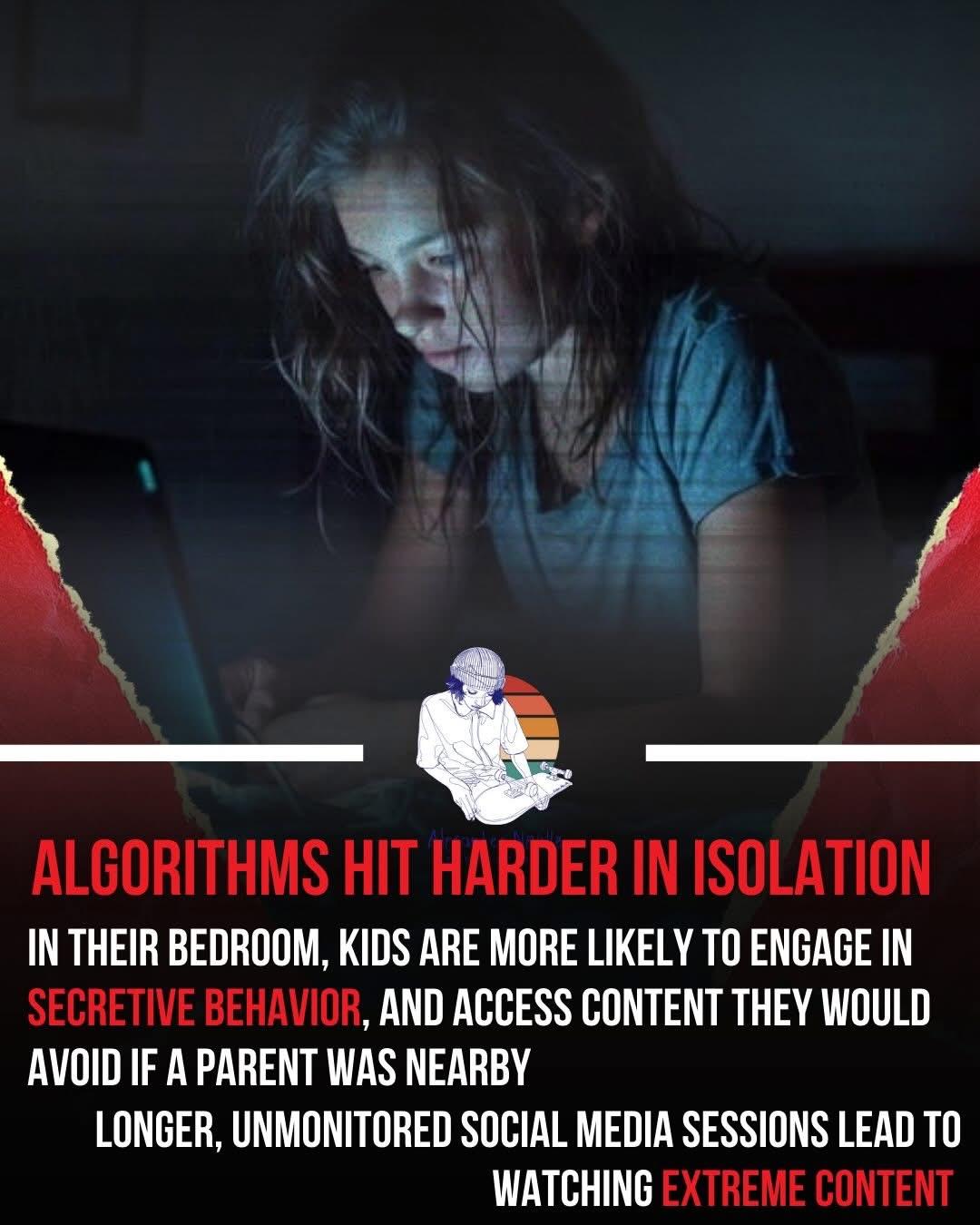
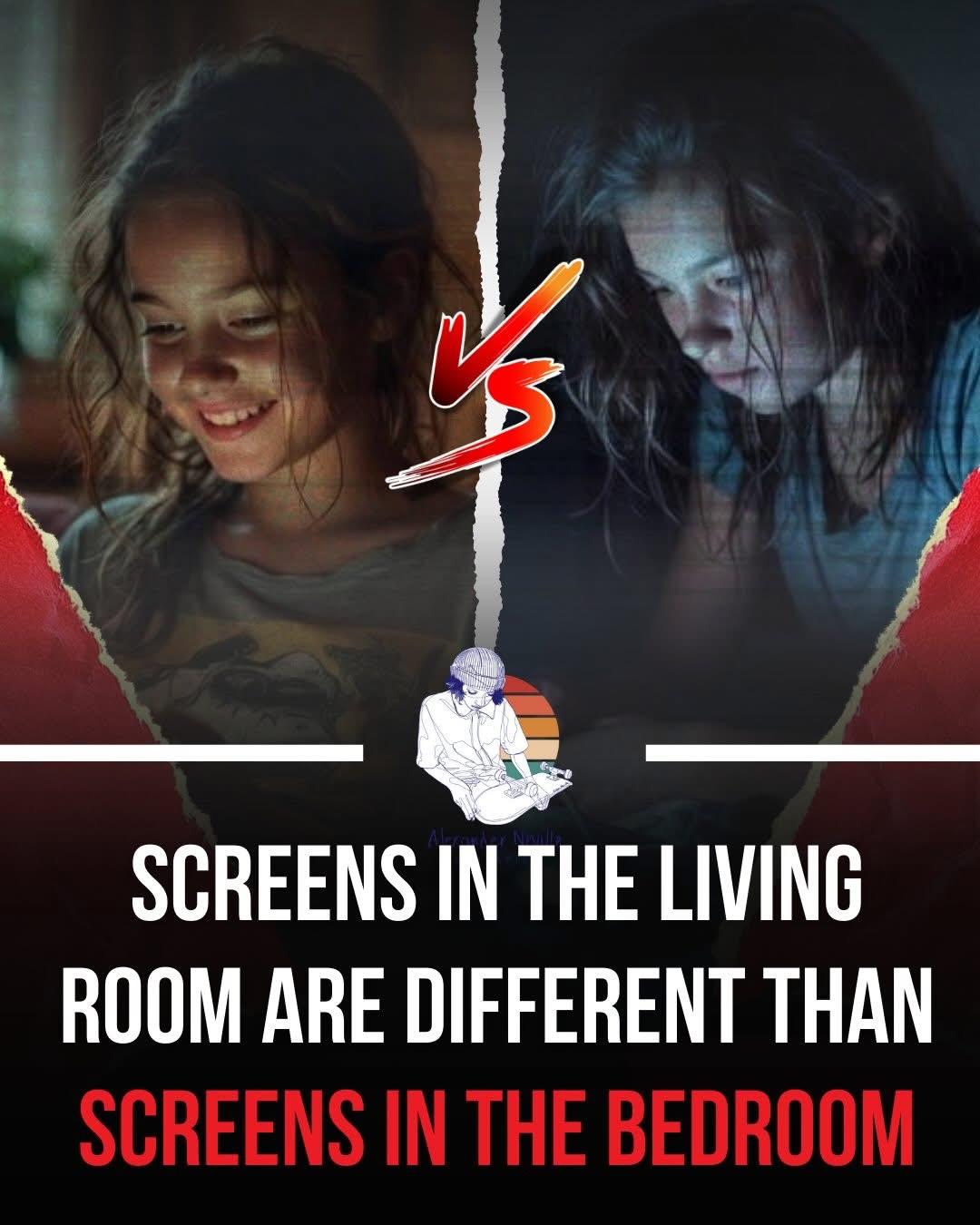
When phones, tablets, and other smart devices are kept in bedrooms, children face significantly greater risks than when those same devices are used in shared areas like a family room.
Devices in bedrooms are linked to higher rates of:
• Sleep loss from late-night scrolling
• Increased anxiety and depressive symptoms
• Exposure to inappropriate or explicit content
• Cyberbullying and sextortion
• Online grooming and predatory contact
• Drug solicitation through apps such as Snapchat, Instagram, and Telegram
• Social media dependency fueled by powerful algorithms
In shared spaces, the dynamic shifts. Children are more likely to self-regulate. Conversations happen naturally. Concerning content is noticed sooner. Sleep patterns improve. Emotional well-being improves.
| | |
Most teens don’t announce they’re struggling.
They withdraw.
They get irritable.
They sleep more — or less.
They say, “I’m fine.”
Anxiety in teens often shows up as anger.
Depression often looks like exhaustion.
Substance use often starts as “just trying to relax.”
Today’s teens face pressures many adults never experienced:
• Constant social comparison
• Online bullying
• Academic performance stress
• Fear of missing out
• Exposure to substances at younger ages
In Iowa and across the country, we continue to see concerning trends in youth anxiety, alcohol use, and suicidal ideation.
The most dangerous words are:
“It’s probably just a phase.”
Instead of asking, “What’s wrong with you?” try asking:
- What’s been hard lately?
- When do you feel most stressed?
- What do you wish adults understood?
Teens don’t need perfect parents.
They need safe adults.
| |
Hormonal fluctuations significantly impact mood — especially in adolescent girls.
Estrogen and progesterone influence serotonin and dopamine — the very chemicals that regulate mood, anxiety, and impulse control.
During certain phases of the menstrual cycle:
• Anxiety may increase
• Emotional sensitivity rises
• Sleep can be disrupted
• Cravings increase
When alcohol is introduced into this equation, vulnerability increases.
Research shows females may experience faster progression from first use to dependence. Hormonal shifts can amplify both cravings and emotional reactivity.
This is not weakness. It is biology.
Parents and educators should normalize conversations about:
Understanding the connection between hormones and mental health can prevent shame — and prevent substance misuse.
| | |
The conversations we avoid are often the ones that matter most.
Talking about alcohol.
Talking about drugs.
Talking about suicide.
Talking about mental health.
Avoiding the topic does not protect our kids.
Preparation does.
Research shows that teens whose parents talk openly about substance use are less likely to engage in high-risk behaviors.
The key is tone.
Not interrogation.
Not lectures.
Not fear tactics.
Honesty.
You can say:
“I love you too much not to talk about this.”
“If you ever find yourself in trouble, call me.”
“Nothing you tell me will make me stop loving you.”
Uncomfortable conversations create safety.
Silence creates risk.
| | |
Your Life Iowa is a great resource if you need information about
any of the topics below.
There are options for teens and adults
including treatment and treatment facilities.
- About addiction
- Alcohol
- Drugs
- Gambling
- Suicide
- Mental health
- Maternal health
- Vaping
- Brain injury
- Community trauma
- Stigma
- Prevention
- Recovery
| | |
EVENTS IN IOWA
Events in March
Make It OK to Talk About Substance Use Disorder and Mental Health
- When: March 10, 2026 (virtual)
- Where: Online (via Make It OK / Healthiest State Initiative)
- Focus: One-hour session focused on reducing stigma and increasing understanding of substance use disorders and mental health — learn supportive language, how to start conversations, and where to find help.
Make It OK to Talk About Mental Illness Presentation
- When: March 4, 2026 (virtual)
- Where: Online (via Iowa Healthiest State Initiative / Zoom)
- Focus: 60-minute session on reducing stigma around mental illness — what stigma is, how to communicate supportively, and how to encourage help-seeking.
Make It OK to Talk About Mental Illness Presentation
- When: March 26, 2026 (virtual)
- Where: Online (via Iowa Healthiest State Initiative / Zoom)
- Focus: Another opportunity to engage with mental health stigma reduction training — resources, supportive language, and strategies for starting conversations.
QPR Suicide Prevention Training for Agricultural Communities
- When: March 17, 2026 (virtual)
- Where: Online
- Focus: QPR “Question, Persuade & Refer” suicide prevention training tailored to agricultural communities — learn to recognize crisis signs and take supportive action.
Upcoming Events in April
Mental Health First Aid Training
- When: April 1–2, 2026
- Where: Western Iowa Tech Community College — Cherokee, IA
- Focus: Learn how to identify, understand, and respond to signs of mental illness and substance use disorders with community-oriented tools and support.
Suicide Prevention Training (North Central Behavioral Health & Rosecrance)
- When: April 2, 2026 • 9:30 AM–11:30 AM
- Where: (Virtual, registration likely required)
- Focus: Suicide prevention training designed to equip participants with tools to recognize crisis signs and support individuals in need.
“Stay Independent: Planning Ahead for Future Care” (Behavioral Health Context)
- When: April 14, 2026 • 1:00 PM
- Where: Tama, IA
- Focus: While not strictly mental health only, this session from Iowa Extension includes planning and well-being concepts often relevant to those coping with life transitions, stress, and caregiving burdens.
“Powerful Tools for Caregivers — Adults” (Mental Health Support Focus)
- When: April 16, 2026 • 12:00 PM
- Where: Iowa City, IA
- Focus: A caregiver education series that supports stress management, self-care and resilience — an important adjunct to family mental health support.
Governor’s Conference on Behavioral Health (Pre-Conference)
- When: April 21–23, 2026
- Where: Virtual statewide event
- Focus: Iowa’s Annual Governor’s Conference on Behavioral Health offers continuing education, learning sessions, and policy discussions around mental health and substance use prevention and treatment statewide (including pre-conference ethics training on April 21).
Weekly — NAMI Carroll County Support Groups
- When: April 7 & April 14, 2026 • 5:30–7:00 PM
- Where: NAMI Carroll County — 1240 Heries Ave, Carroll, IA
- Focus: Peer-led Connection and Family Support groups for people living with mental health challenges and their families.
If your organization has an upcoming event and would like us to add it to our newsletter, please contact us.
| | |
Why Donate?
Make a lasting impact.
Your donation directly supports initiatives that raise awareness about the connection between mental health and substance abuse, helping to prevent tragedies and support those in need as well as their families.
Support a meaningful cause.
Funds go towards education, advocacy, and outreach programs that provide resources to individuals and families affected by mental health and addictive challenges. This includes grants, scholarships, and funding to bridge the gap for recovery programs. Click on the link below for full details.
Tax-Deductible contribution.
As a 501(c)(3) non profit, donations to the the Sebastian Kidd Foundation are tax-deductible, allowing you to support a vital cause while receiving potential tax benefits.
| | If you know someone that would enjoy our newsletter, please forward it on. They can use the link below to subscribe. | | If you would like to read our previous newsletters, use the link below. | | | |
Sebastian Kidd Foundation
Become Their Voice is funded by the Sebastian Kidd Foundation, a registered 501(c)(3) non profit organization. 92-0524029
| | | | | |