Budget Update
Dear Residents,
Happy New Year!
 
After a 24-hour budget marathon meeting, Council approved some important initiatives for 2022.
 
These investments will address Regina’s infrastructure deficit, improve public transit, confront serious social challenges in our community, and put us on the right track to achieve our 2050 sustainability goals.
 
But there’s a lot more work that needs to be done!
 
Please reach out to me by phone (306-570-1402) or email (astevens@regina.ca) to share your ideas.

(You are receiving this because you have signed up for Ward 3
e-newsletters. Unsubscribe info can be found at the bottom of this email.)
What is the City doing to reduce methane emissions and divert waste from the landfill?
Yard Waste Depot
In 2019, the City opened a permanent Yard Waste Depot to collect yard waste throughout the growing season (April – November).
 
In 2020, more than 4,240 tonnes of yard waste were diverted from the landfill through the Yard Waste Depot. Material collected is used to create compost and has helped to reduce greenhouse gas emissions by about 5,196 tonnes.
 
By further increasing waste diversion at the landfill, we’re contributing to our goal of becoming an environmentally sustainable community.
 
Landfill Gas-to-Energy Facility
The City’s Landfill Gas to Energy Facility captures methane gas produced at the Landfill and turns it into electricity. The City has been selling that electricity to SaskPower since January of 2017.
 
In 2021, the City upgraded the landfill gas collection system to capture more methane gas and reduce greenhouse gas emissions.
 
An additional 20 gas wells and a renewed flare building is estimated to further reduce GHG emissions by up to 37,720 tonnes which would reduce the total emissions from the Landfill by up to 49%.
How do I find out if I have a lead service connection and what is the City doing to help address this serious public health issue?
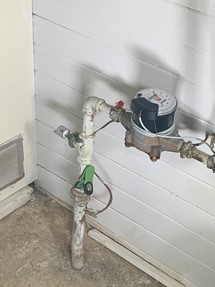
  • Information about the Lead Service Connection Management Program is mailed to households with City-owned lead service connections, annually. Residents can also search addresses with known City-owned lead service connections on Regina.ca/leadservice. Residents have access to home water testing through the City’s program.
 
  • The City’s Lead Service Connection Management Program (LSCMP) provides residents with support to effectively reduce the potential for lead in tap water. More information about the filter program, testing options and a map highlighting where lead service connections exist in the city can be found at Regina.ca/leadservice.
 
  • In May 2021, City Council voted to fast-track replacing all City-owned lead service connections within the next 15 years, instead of 30 years. This includes replacing all City-owned lead service connections and the mandatory replacement of any connected privately-owned lead service connections by a target year of 2036.
 
  • The LSCMP focuses on protecting public health by reducing lead at the tap, accelerating the replacement of lead service connections in the city by 15 years and providing support to residents through construction coordination and payment options for replacements.
 
  • The City is offering interest free five-year and 10-year payment plans to property owners to support private side replacements. Replacing only the City-owned portion of LSCs does not solve the issue of lead in drinking water if lead plumbing materials also exist on the private side. Disturbing the service connection without completing a full LSC replacement has been shown to increase lead concentrations in the tap water supplied to residents immediately after replacement and has not been shown to significantly reduce lead levels over time.
What investments is the City making into public transit?
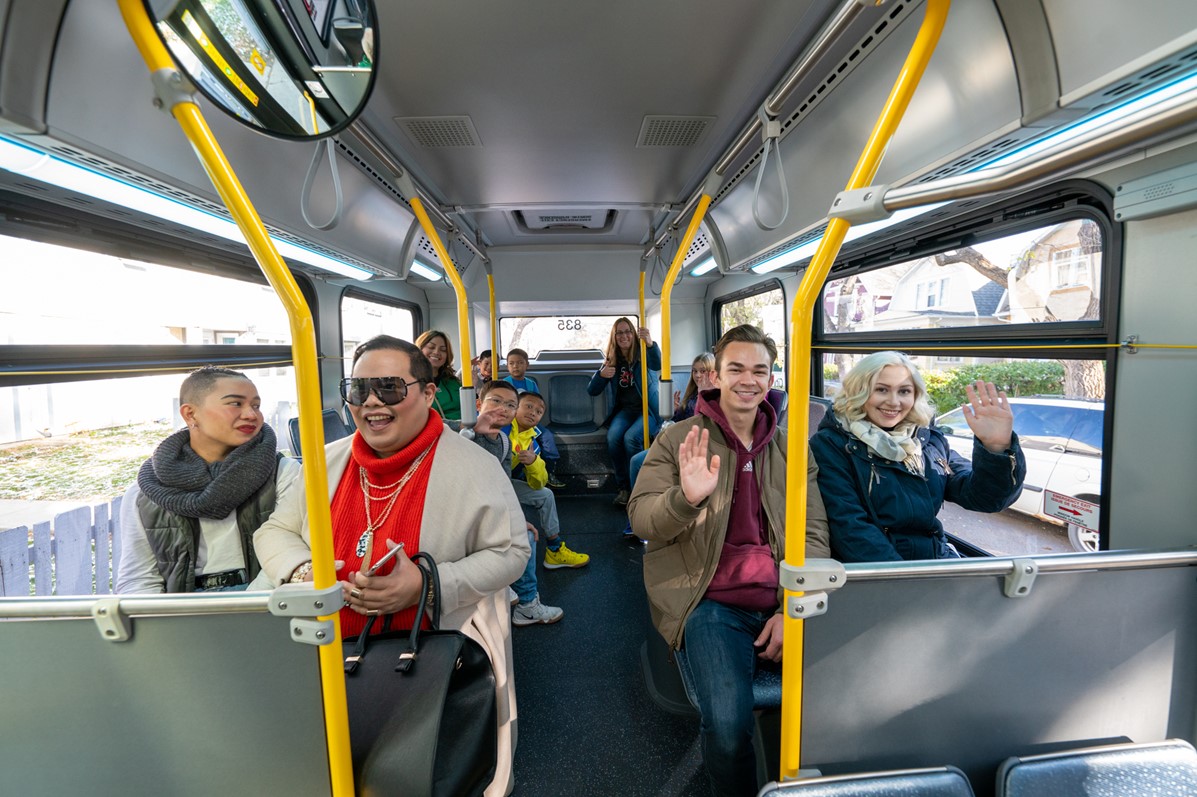
In 2022, the City is investing $28 million in Regina Transit which includes three new hybrid buses, implementation of new bus service to the growing Aurora neighbourhood, as well as $365,000 to fund additional paratransit bus services. In addition, another $280,000 is to be directed toward new paratransit buses to ensure users have enhanced access to leisure and recreation activities in our community.
 
As we look to the future, the Regina Transit Master Plan will be presented to City Council early in 2022. This plan will provide a strategic guide on how short and long-term decisions should be made over the next 25 years. Those decisions and required investments will be reviewed as plan progresses.
 
Visit Regina.ca/transitplan for more information.
Many roads and sidewalks in Regina need repairs. How much is the City investing into fixing our infrastructure?
Infrastructure investment continues to be a priority for residents and in 2022, the City will spend more than $50 million to improve and enhance our road network including $18 million on high-traffic roads through the Street Infrastructure Renewal Program and $12 million on residential roads through the Residential Road Renewal Program.
 
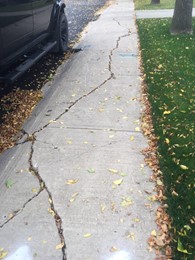
Sidewalk safety will continue to be addressed with a $1.2 million investment in 2022, with additional funds scheduled for 2023.
 
The 2022 construction program is currently being prepared and will be shared on Regina.ca/construction once finalized.
What is the City's strategy to improve community safety and well-being and how much are we spending in 2022?
Like many cities, Regina experiences serious social challenges such as poverty, food insecurity, homelessness and other issues related to inequality.
 
That’s why the City of Regina is investing $1.4 million into initiatives that will enhance community safety and well-being for Regina residents.
 

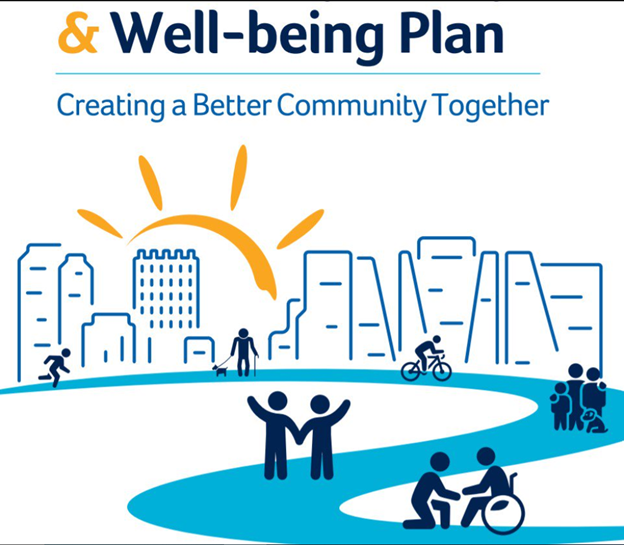
This includes $875,000 for implementation of the Community Safety & Well-being Plan recently approved by Council.
 
This plan provides overarching direction to the City and other agencies to guide and support a collaborative approach to enhance community well-being, health and safety, and social inclusion in Regina over the next five years.
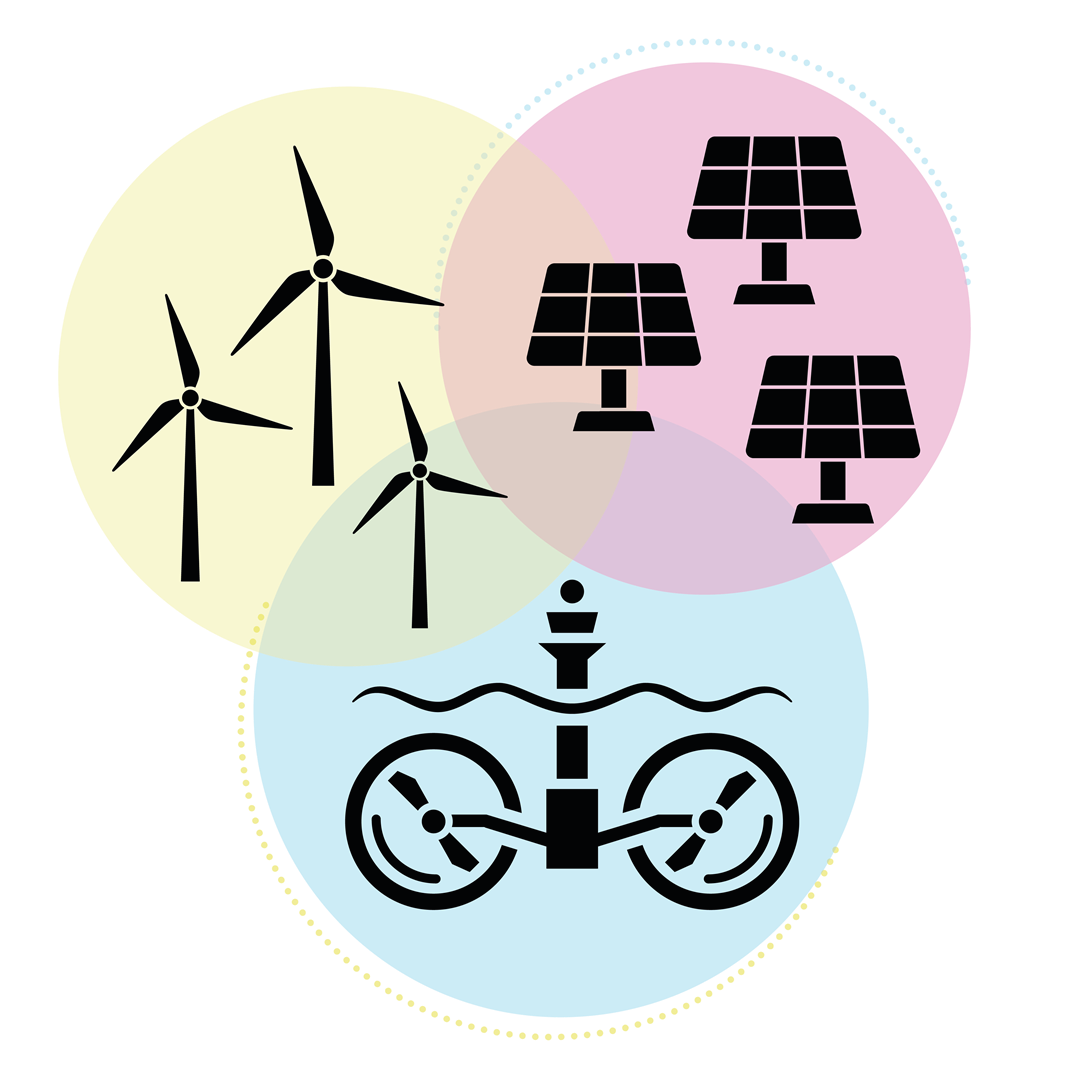
What's in the 2022 budget when it comes to environmental sustainability?
The City is investing $6.3 million in initiatives to support the target of being renewable by 2050, including $5.5 million to develop a household food and yard waste program.
 
Regina’s Energy & Sustainability Framework is almost complete. It will map out the actions the community should take over the next 28 years to shift to renewable energy sources and reach net-zero greenhouse gas emissions.
Overdoses are sky-rocketing in Regina. How much are we spending to address this serious problem?
An important initiative supported in the 2022 Budget is the Harm Reduction Program. It will get $500,000 funded through the Community Investments Grant Program.
 
The goal of this initiative is to increase access to support services and reduce harm associated with drug use in Regina.
 
Harm reduction is an approach taken in many cities that focuses on the prevention of harm in people who continue to use drugs, rather than on the prevention of drug use itself.
 
Visit Regina.ca/budget for more on the 2022 Budget.
 
Visit Budget Highlights for details on other strategic projects and City initiatives.
Your Ward 3 Councillor
Andrew Stevens

Mailing Address:
c/o Andrew Stevens
City of Regina
PO Box 1790
2476 Victoria Avenue
Regina, Saskatchewan S4P 3C8
Follow Me on Social Media