|
|
HUMANS IN SPACE
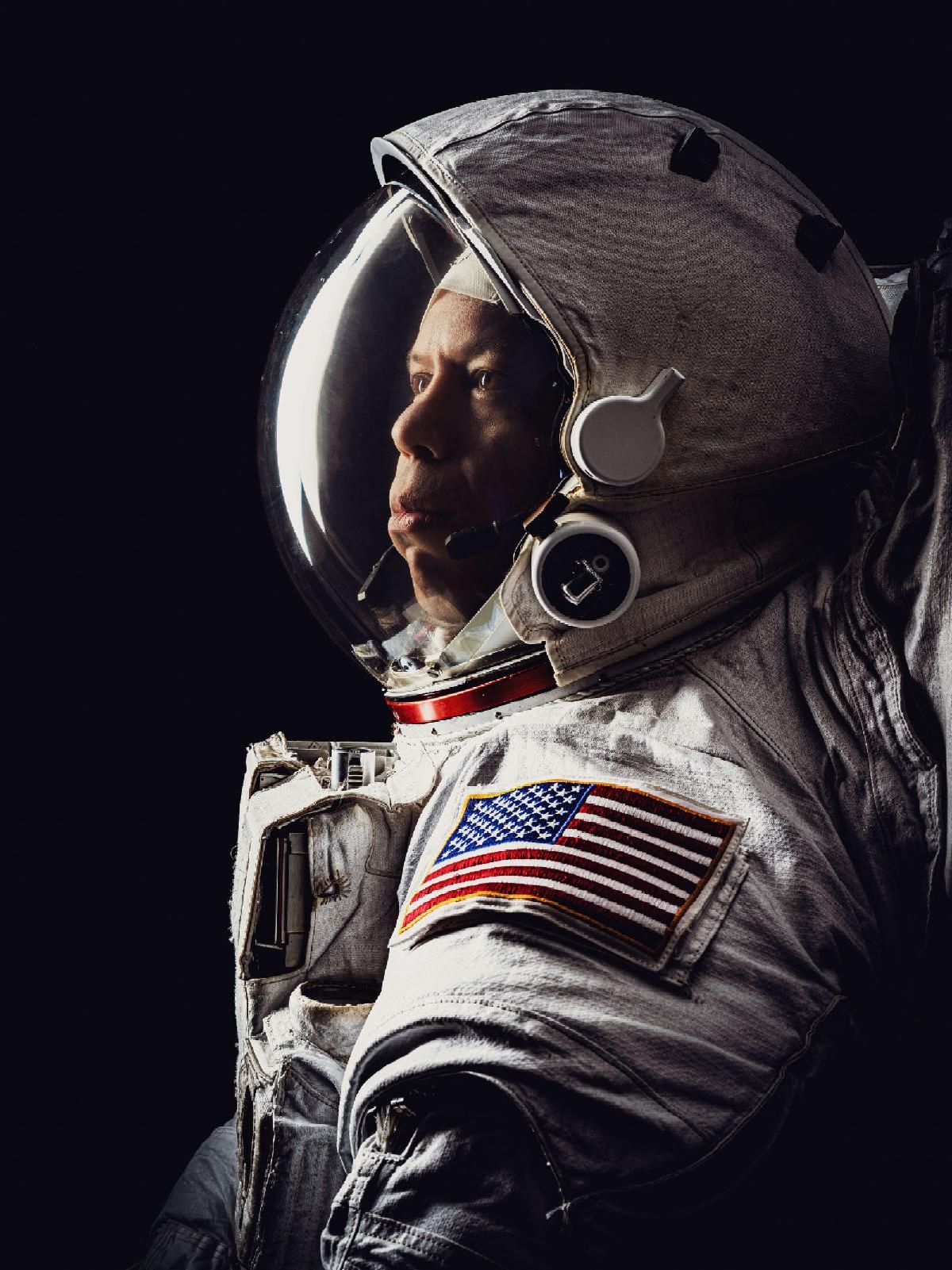
NASA Astronaut Chris Williams Return to Earth
| | |
NASA astronaut Chris Williams and Roscosmos cosmonauts Sergey Kud‑Sverchkov and Sergei Mikaev are concluding their 241‑day mission aboard the International Space Station. The crew will undock from the station on Sunday, July 26, heading for a parachute-assisted landing on the steppe of Kazakhstan, southeast of Dzhezkazgan.
During his eight months aboard the station, Williams supported research aimed at developing new cancer treatments, advanced the production of materials to improve computers and electronics, conducted two spacewalks, and more. His work contributed to improving life on Earth and advancing future missions to the Moon and Mars.
Live coverage begins at 9:40 a.m. on Saturday, July 25.
WAYS TO WATCH
| | | |
PODCASTS
It Takes a Village
Research aboard the International Space Station depends on more than the astronauts performing it. On the ground, teams at space agencies around the world coordinate schedules, troubleshoot issues in real time, and ensure the crew has what they need to keep experiments moving forward. In the latest episode of NASA’s Small Steps, Giant Leaps podcast, hear how teams at the Payload Operations Integration Center at NASA’s Marshall Space Flight Center in Huntsville, Alabama, manage this effort 24 hours a day, seven days a week.
LISTEN
| | |
EARTH
Hitting the Skies
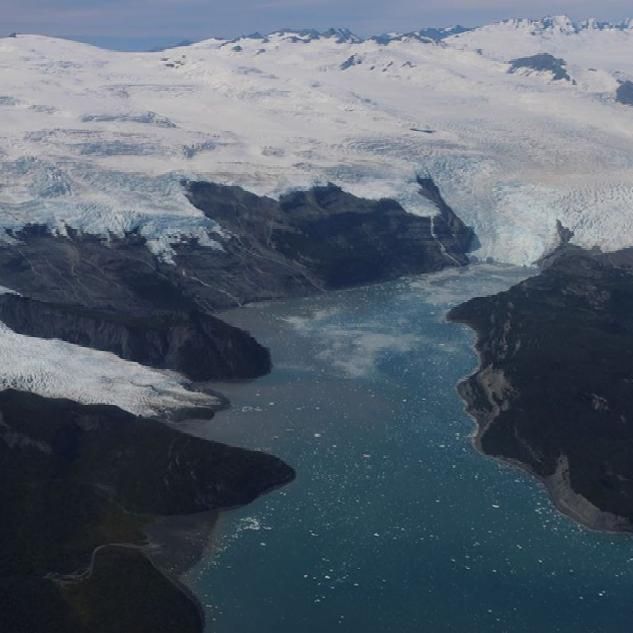
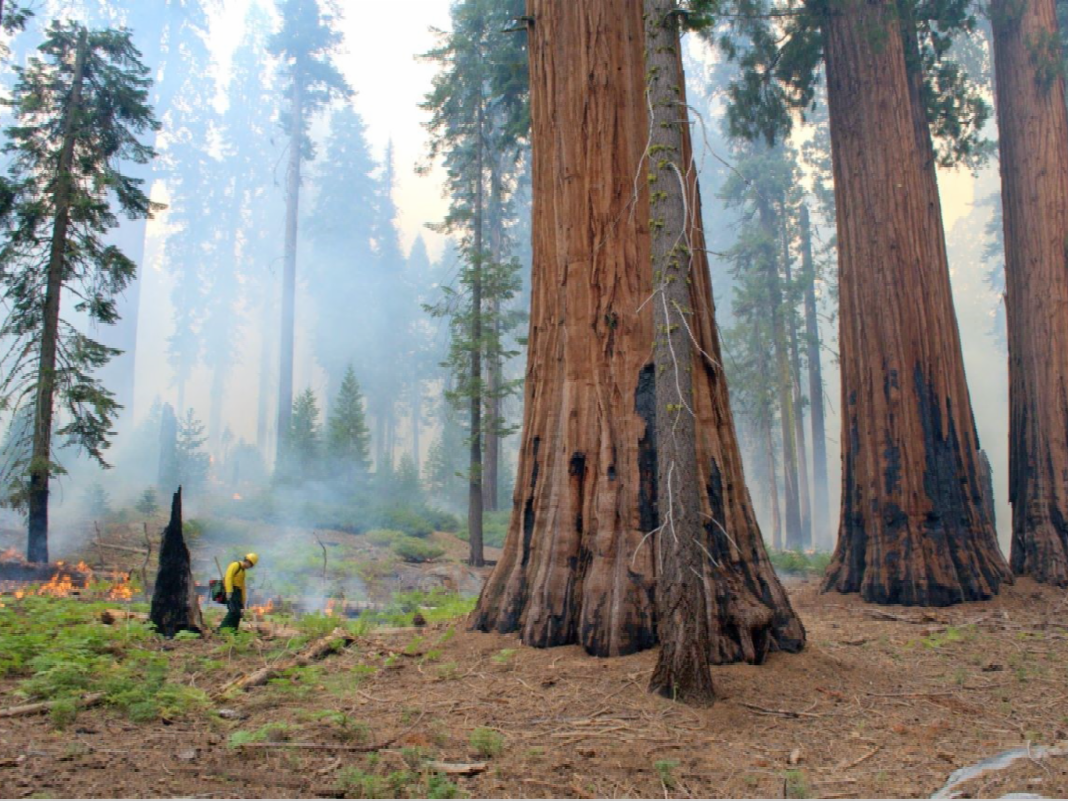
From the Arctic fringes to farm country, NASA’s newest class of suborbital Earth Venture missions is preparing to deliver science that benefits communities across the United States and beyond. Six new projects will use sensors mounted on aircraft to investigate a wide range of topics. Data gathered from planes, helicopters, drones, and balloons will help fill gaps in computer models used by weather forecasters, city planners, and others.
EARTH VENTURES
| |
| |
EARTH
A ‘Hummingbird’ in Antarctica
An early NISAR (NASA–ISRO Synthetic Aperture Radar) satellite image released Tuesday shows a fractured, barren Antarctic surface in vivid detail. Derived from L-band measurements taken in August 2025, the “hummingbird” image highlights the mission’s signature strength: highly detailed visuals that are both informative and striking.
LEARN MORE
| |
THE SOLAR SYSTEM
Beneath Io’s Surface
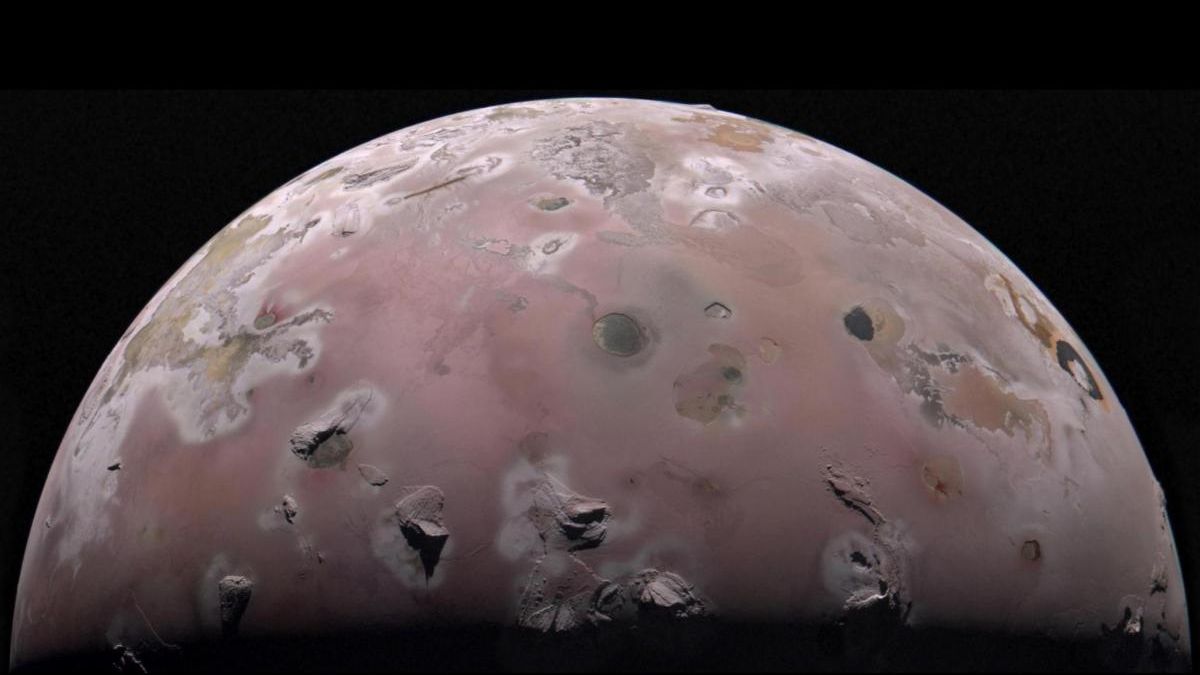
NASA’s Juno mission has provided the first measurements of the temperature below the surface of Jupiter’s moon Io, revealing significant heating within the shallow subsurface of the most volcanically active world in the solar system.
LEARN MORE
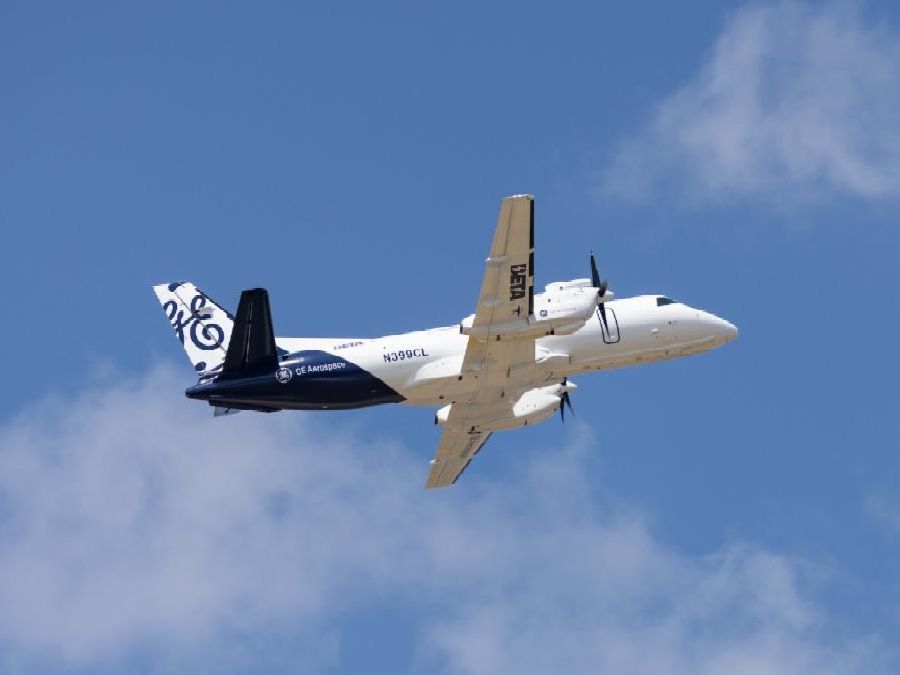
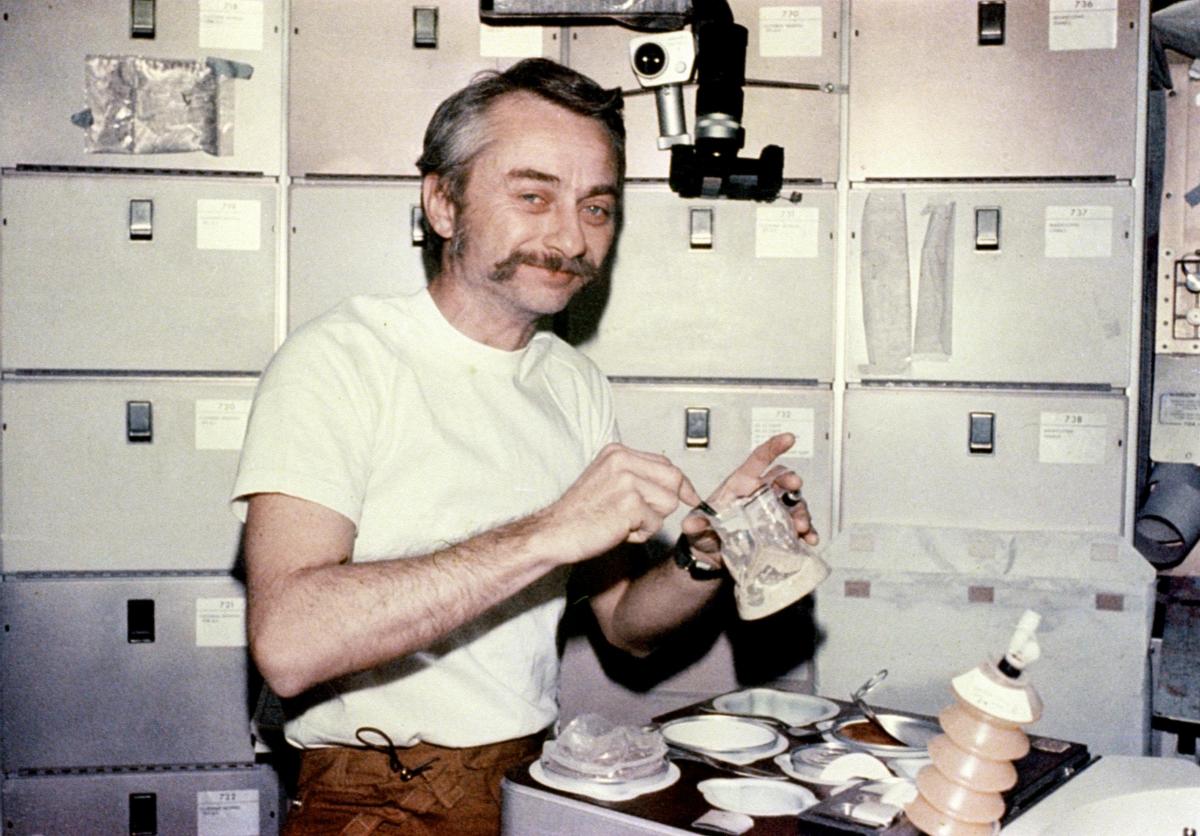
| | | | An aircraft powered by a megawatt‑class hybrid‑electric engine developed with NASA and built by GE Aerospace has successfully demonstrated technology that could inform new generations of fuel‑saving aircraft systems. Mounted on a Saab 340B, the engine made its public debut at Farnborough International Air Show in the United Kingdom, becoming the first hybrid‑electric aircraft to fly above 30,000 feet. | | In 1973 and early 1974, astronauts living and working aboard Skylab had a culinary advantage over the Apollo astronauts that flew before them. Skylab carried more than 70 different menu items — including a selection of foods never before served on any mission. | |
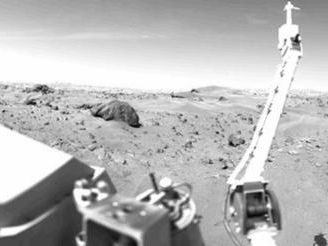
| Which of these was not one of the new foods aboard Skylab? | | | | Find out the answer in next week's NASA newsletter! 🤓 | | | | Last week, we asked you about the large boulder that lies 26 feet away from the Viking 1 lander on the surface of Mars. The answer? Big Joe. The Viking team was confident that if the spacecraft had landed on top of this rock, it would have been destroyed. | | |
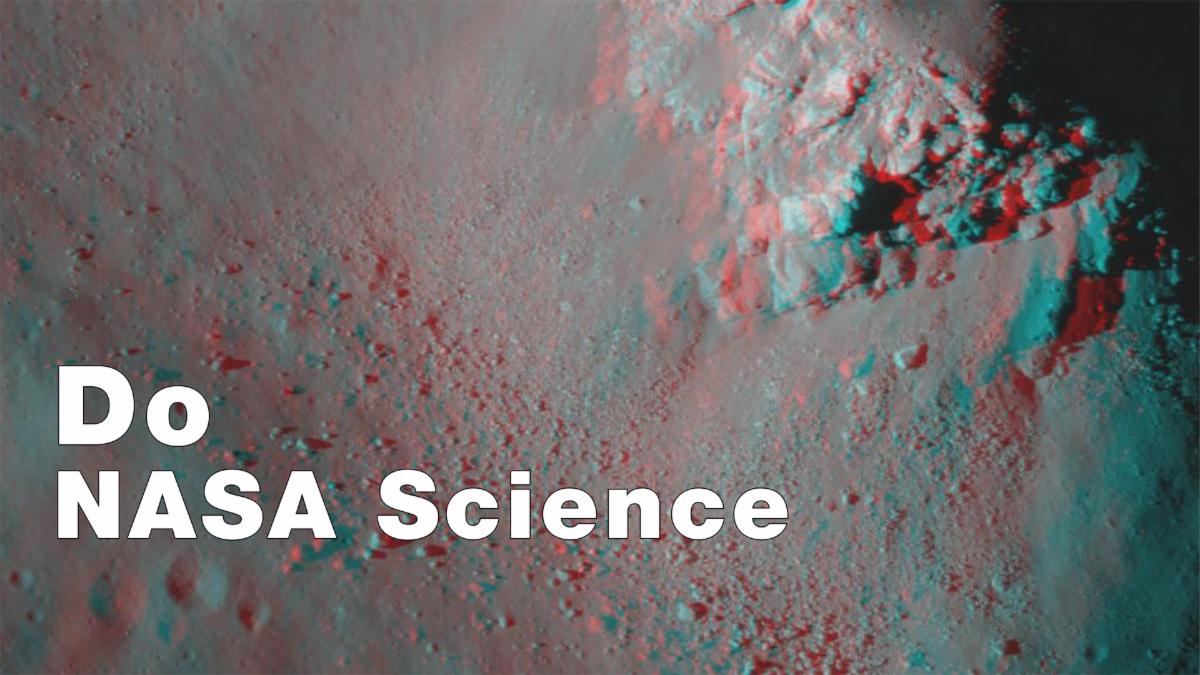
In the citizen‑science project Lunar Melt, volunteers will look at images of the Moon’s surface from NASA’s Lunar Reconnaissance Orbiter and mark the sizes and locations of impact craters and boulders around them. These marks will help reveal the rock fragments in melted rock flows, the directions and timing of the flows, and potentially help scientists understand the Moon’s interior.
Through NASA's citizen science projects, volunteers help with cutting-edge research in Earth science, planetary science, astrophysics, biological and physical sciences, and heliophysics. With just your phone or computer, you can help NASA expand our understanding of the universe — including life here on Earth. Projects are available in 18+ languages beyond English and open to anyone, regardless of country of origin or citizenship status, and need no special gear, just curiosity and a willingness to learn.
JOIN THE PROJECT
| | |
National Aeronautics and Space Administration
NASA explores the unknown in air and space, innovates for the benefit of humanity, and inspires the world through discovery.
Visit nasa.gov
| | | | | |