July 2025

WATERSHED DIGEST
monthly newsletter
 

Update from the Hudson River Watershed Alliance

Thank you for supporting and celebrating with us at the WaveMaker Awards Benefit!

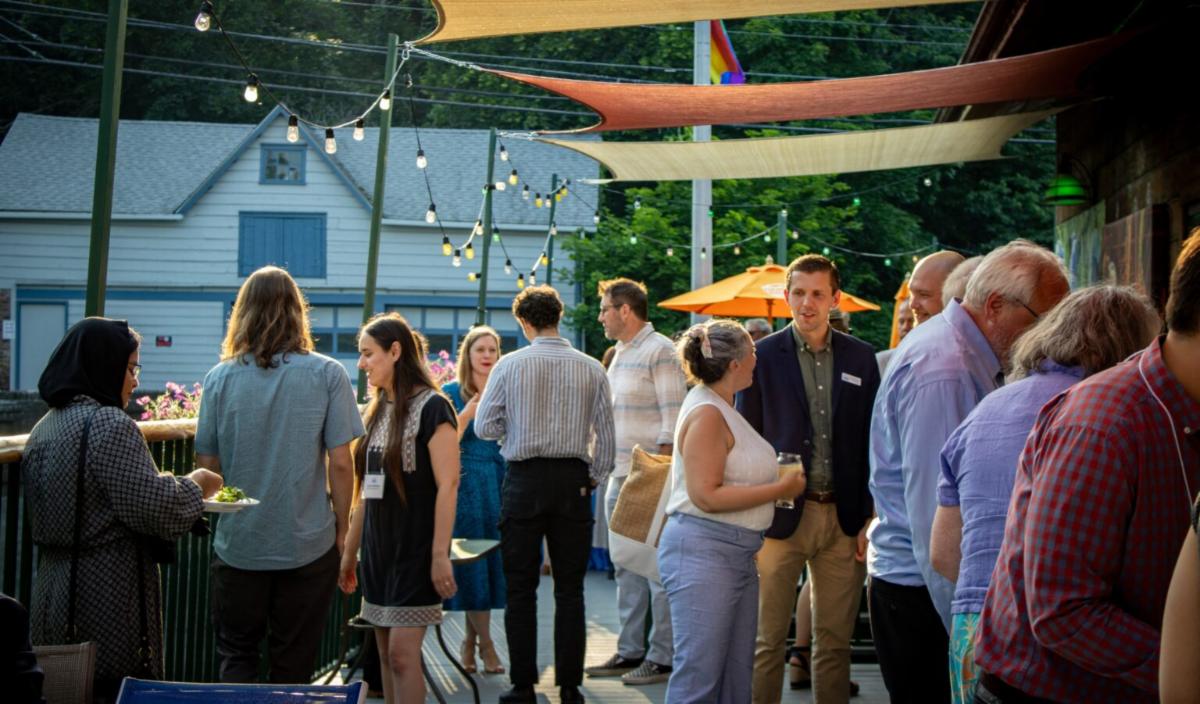
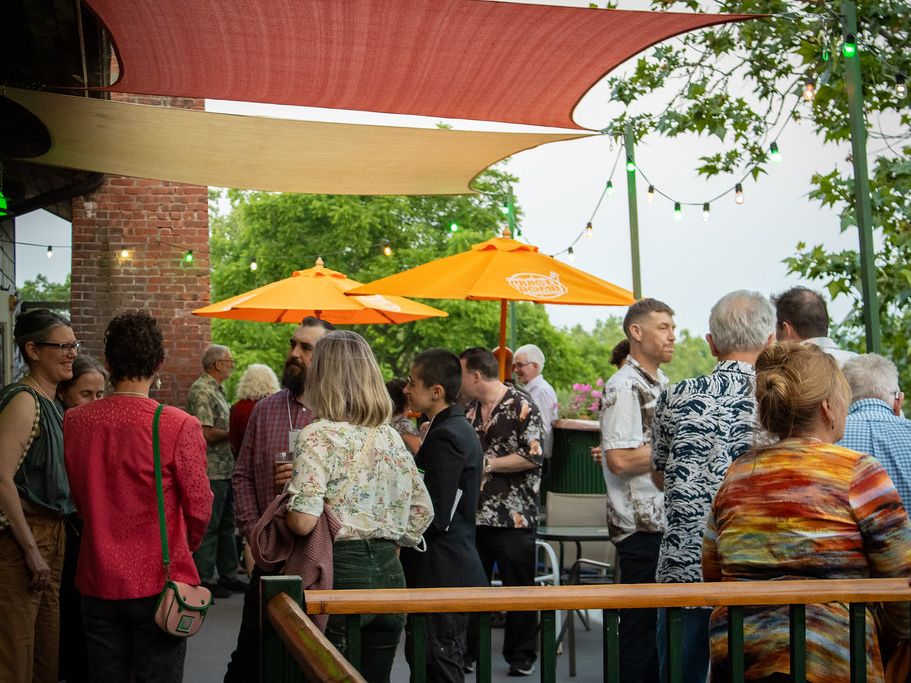
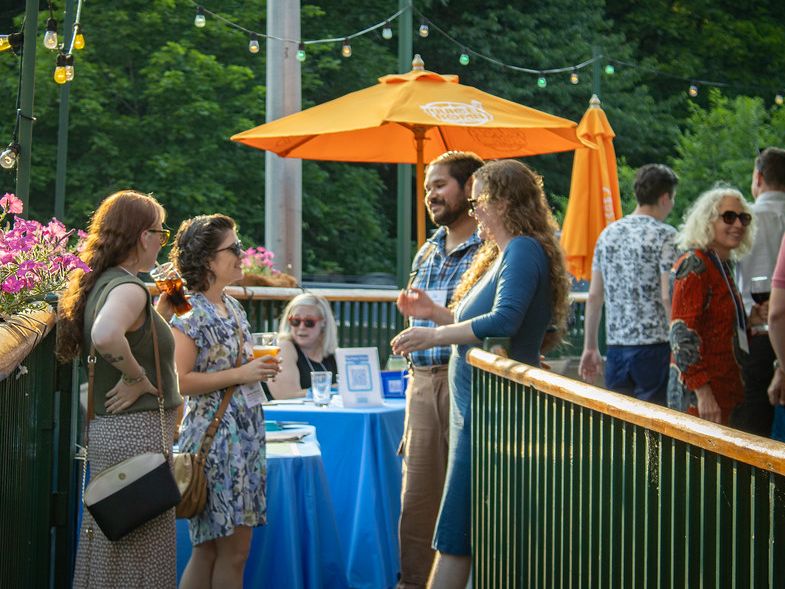
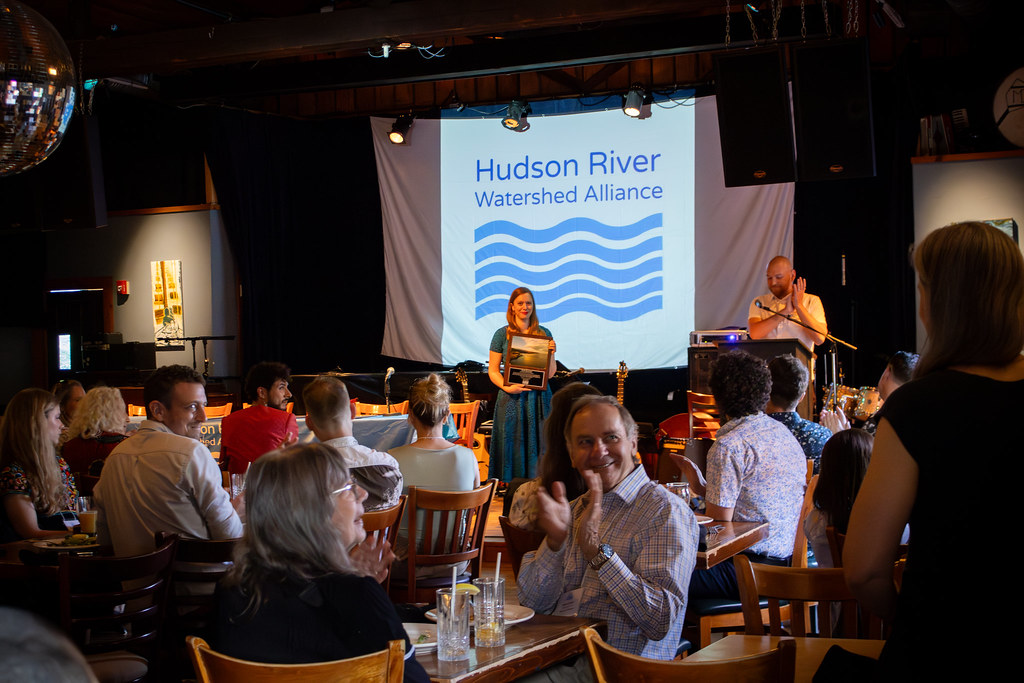
On June 11, we gathered together for a beautiful evening at Live at The Falcon in Marlboro. A huge thank you to everyone who joined us!


We're so grateful for our watershed community, the inspiration and hope shared by the WaveMaker awardees, live music from the Broken Heartstrings Trio, and the opportunity to celebrate with good food and great conversations. 


Check out more photos from the event in the Hudson River Watershed Alliance's Flikr album. All photos by Ava Battinelli.


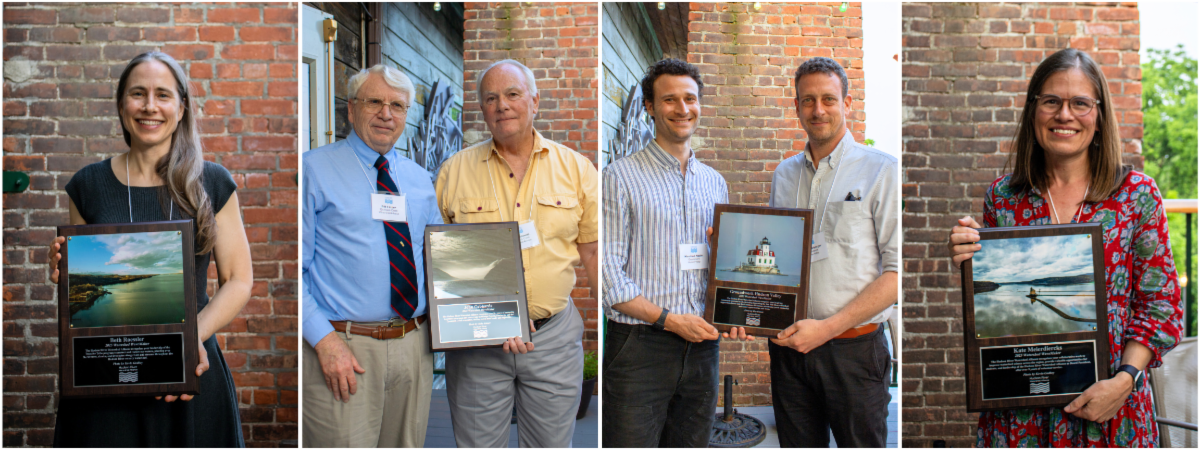
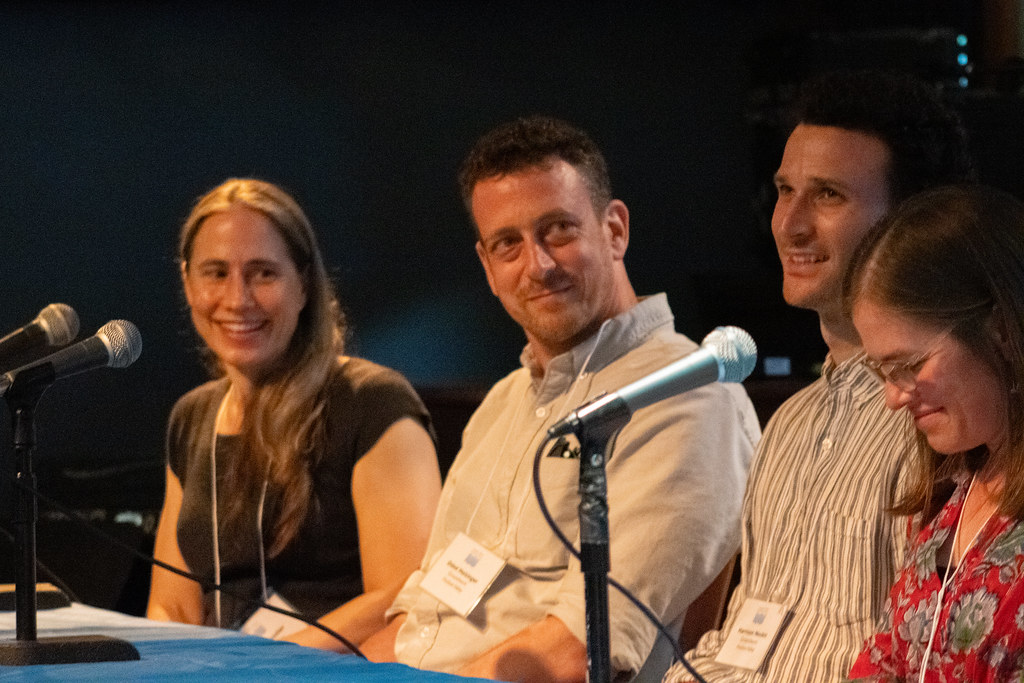
Congratulations to this year's Watershed WaveMaker awardees: Beth Roessler, John Gebhards, Groundwork Hudson Valley, and Kate Meierdiercks. 

Want to learn more about each awardee's impact? A recording of each award presentation and the panel discussion with the awardees is available as a video playlist on the Hudson River Watershed Alliance's YouTube channel.

2025 Watershed WaveMakers, from left to right: Beth Roessler, Bill Fetter and Jack Caldwell (accepting on behalf of John Gebhards), Groundwork Hudson Valley, and Kate Meierdiercks.

If you couldn't attend the WaveMaker Awards Benefit, you can still support the Hudson River Watershed Alliance's work to unite and empower communities to protect our shared waters by making a secure donation on our website: https://hudsonwatershed.org/donate/

Thank you to Our Sponsors!


Watershed Sponsors

River Sponsors

Anne & Fred Osborn III / The EASTER Foundation

Gordon & Svenson LLP


Creek Sponsors

CDPHP

Crawford & Associates Engineering & Land Surveying P.C.

Delaware Engineering, DPC

Nelson, Pope & Voorhis, LLC

Quassaick Creek Watershed Alliance

Restaino Design Landscape Architecture, PC

Riverkeeper

SLR Consulting

Strong Outcomes, LLC Mary McNamara


Brook Sponsors

Adams Fairacre Farms

Common Ground Consulting, LLC

Hudson River Valley Greenway

Outdoor Promise

Planning4Places, LLC Scenic Hudson

Stewart’s Shops

Timely Signs

Wallkill River Watershed Alliance

Water Action Compliance Assistance and Planning

Russell Urban-Mead

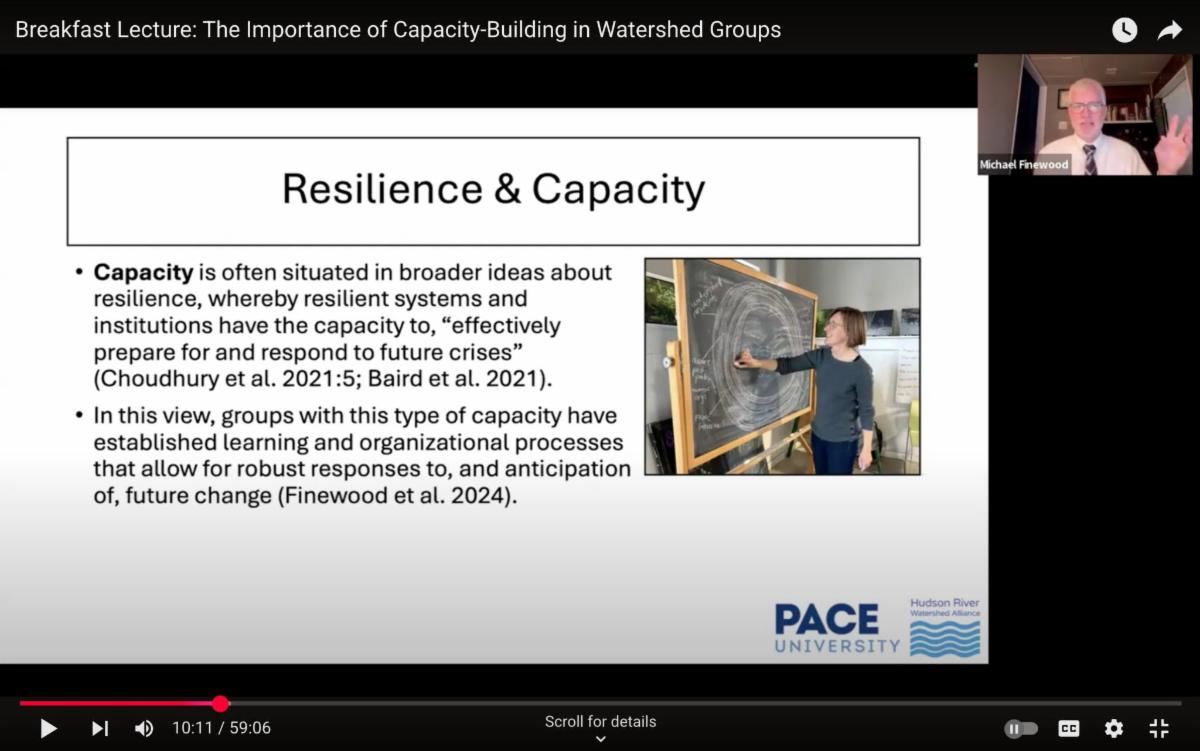
Recording Available: The Importance of Capacity-Building in Watershed Groups: Lessons from the Hudson River Watershed

Last month, Dr. Michael Finewood, Chair and Associate Professor of the Department of Environmental Studies and Science at Pace University, presented about the importance of capacity-building in watershed groups at our monthly breakfast webinar. If you missed the webinar, a recording is available on the Hudson River Watershed Alliance's YouTube channel here.


Dr. Finewood shared research findings on the importance of capacity-building in watershed groups. While watershed groups are generally in need of technical resources, participation, and funding, this research suggests that capacity (such as internal structure, strategic planning, and leadership) is most important for successful and sustainable groups. Therefore, support for capacity is more likely to help sustain groups and their long-term beneficial impact.


Learn more about this research in the new journal article: “The Importance of Capacity-Building in Watershed Groups: Lessons from the Hudson River Watershed, USA.”


Dr. Finewood also shared how the Hudson River Watershed Alliance and partners are developing programs to directly support local watershed groups, like the Pocantico River Watershed Alliance, in meeting these needs.

This program is supported by funding from the Hudson River Estuary Program, NYS Department of Environmental Conservation, with support from the New York State Environmental Protection Fund, in cooperation with NEIWPCC.

Welcome to our New Board Members

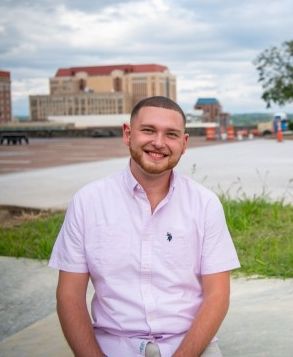
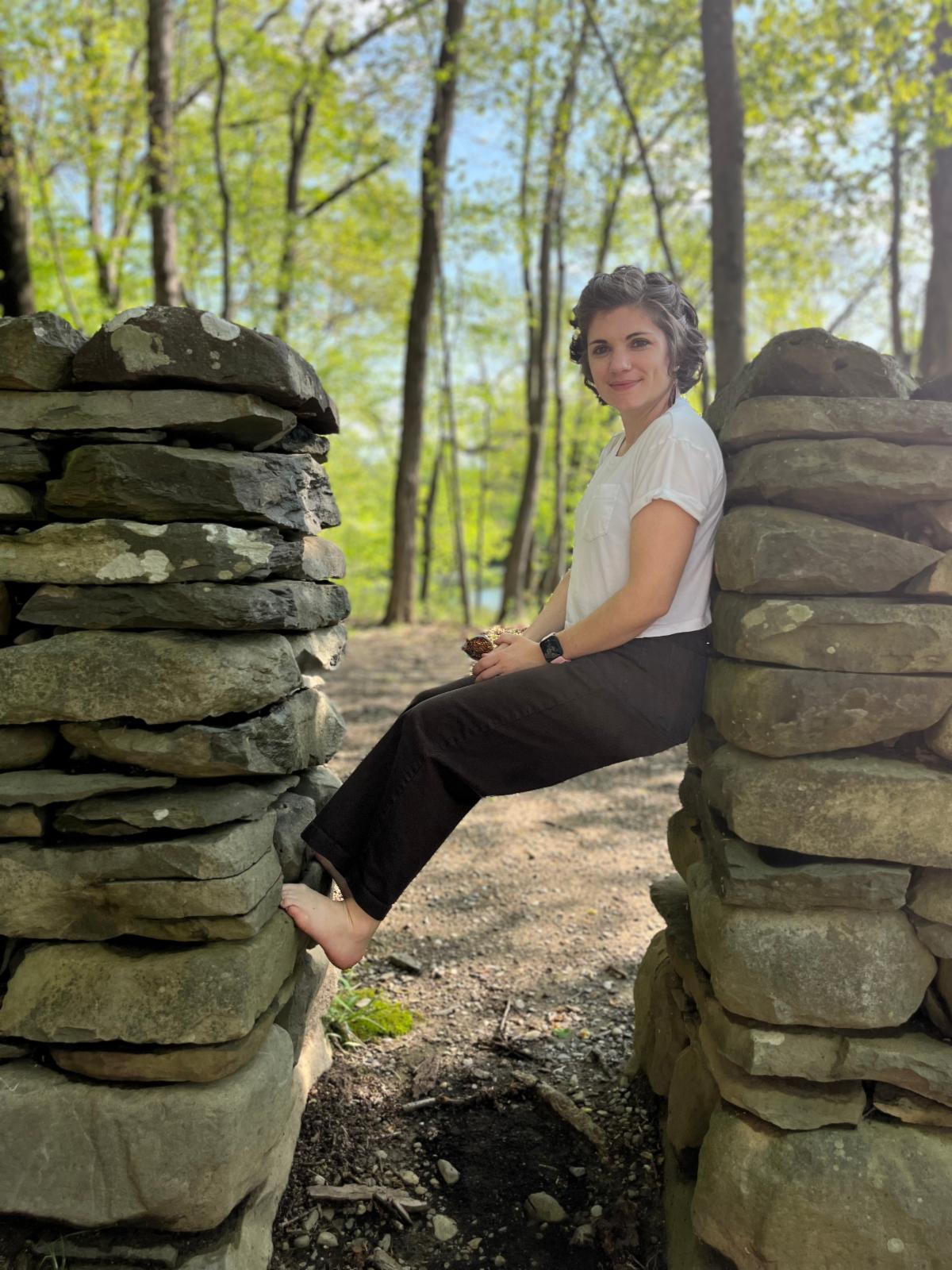
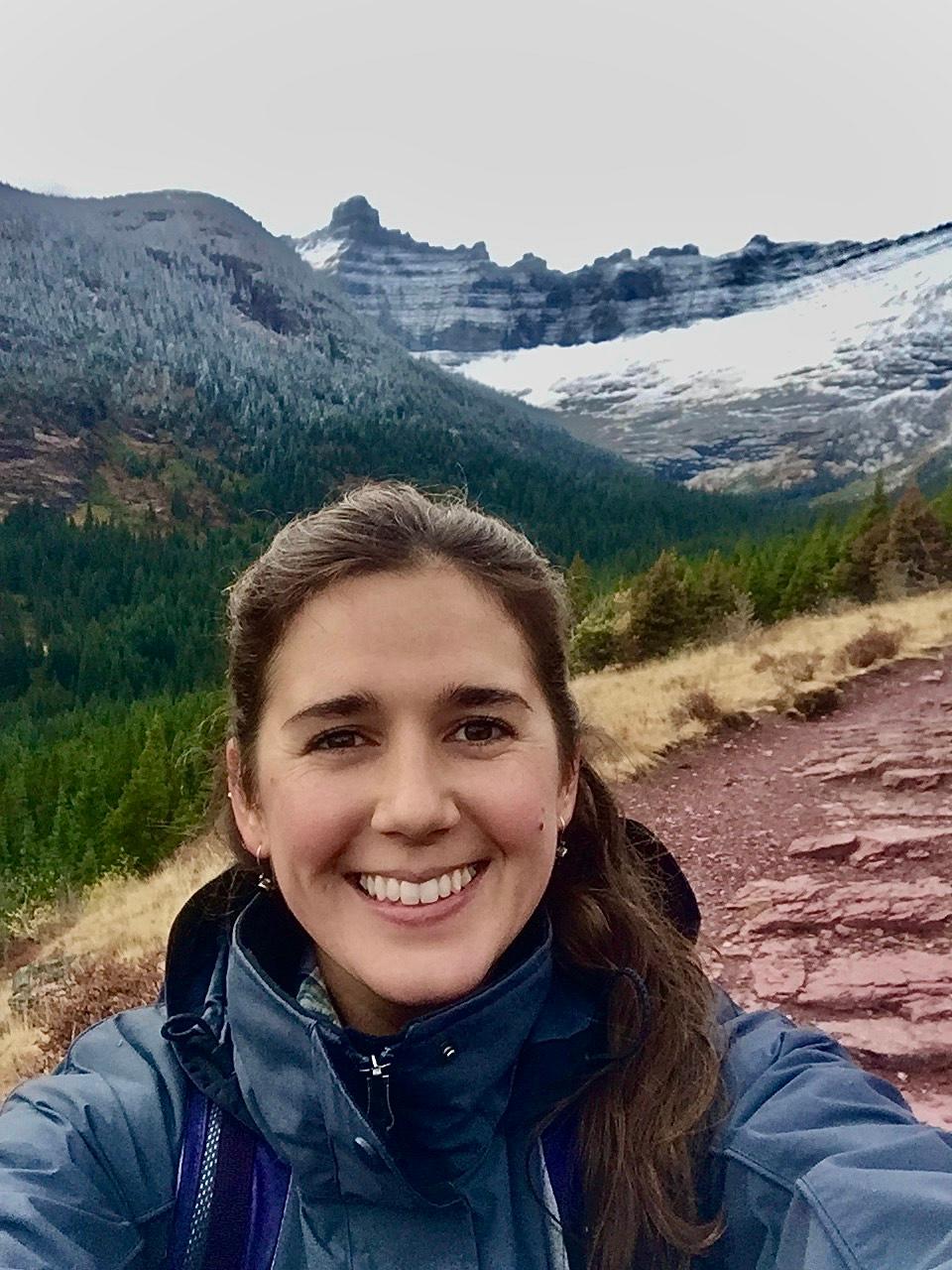
This year, the Hudson River Watershed Alliance has added four new board members to serve on our Board of Directors. The Alliance thanks them for their service, their passion, and their leadership!

Cody Arana

Hudson River Valley Greenway


Cody is a lifelong native of the Hudson Valley with a passion for improving the public’s access to the Hudson River, open space, and historic and cultural assets throughout the Hudson Valley. He received a B.A. in Political Science and a Master of Regional Planning from the University at Albany, SUNY. At the Hudson River Valley Greenway, Cody manages the Hudson River Greenway Water Trail; the operations of the 36-mile Albany-Hudson Electric Trail; the Hudson River Valley Ramble, and a regional trail use program. He serves on the Town of Guilderland and Village of Altamont’s combined Conservation Advisory Council, providing an environmental perspective on land use proposals, plans, and more. An avid fisherman, Cody also serves on Guilderland and Altamont’s Conservation Easement Review Board.


Adriana Beltrani, AICP

Nelson, Pope & Voorhis, LLC


Adriana is a lifelong resident of the Hudson Valley and passionate student of the land. She received her undergraduate degree in Environmental Policy and Planning from the SUNY College of Environmental Science and Forestry, and a Master’s degree in City and Regional Planning from Pratt Institute. In between, she worked as a dairy farmer/educator, and served in the US Peace Corps working with farmers to develop value- added products for the local ecotourism market. Today, Adriana is a Senior Environmental Planner with Nelson, Pope, Voorhis, LLC. She supports local leaders, boards, committees, and landowners through the land use and development decision-making process, with the goal of demystifying policy and environmental best practices and empowering communities to achieve their goals. Adriana, her husband, and daughter steward a little acre in western Columbia County and enjoy exploring nature, art, and sacred spaces


Danielle Bissett

Environmental Policy Innovation Center


Danielle is a Certified Ecological Restoration Practitioner with over a decade of experience leading ecological restoration projects. She holds a Master of Science in Environmental Policy from Bard College’s Center for Environmental Policy and a dual Bachelor of Arts in Environmental Studies and Anthropology from Adelphi University.

She currently serves as the Restoration Permitting Policy Lead at the Environmental Policy Innovation Center, where she works to improve permitting processes that advance and accelerate ecological restoration efforts. Previously, Danielle was the Director of Restoration at the Billion Oyster Project, and she also worked with NYC Parks’ Natural Resources Group, collaborating with agencies, nonprofits, and community groups to implement the Bronx River Intermunicipal Watershed Plan—addressing stormwater runoff, restoring native species, enhancing fish passage, and improving habitat connectivity. Lately, Danielle has been exploring the Greenport Conservation Area. The Hudson River and Catskill Mountain views are incredible, and it’s very peaceful to wander through the open meadows and quiet forests.


Sarah Beth Cadieux, Ph.D.

Rensselaer Polytechnic Institute


Sarah is a biogeochemist who focuses on freshwater ecosystems. She received her B.A. in Geology from Mount Holyoke College, and Ph.D. in Geosciences from Indiana University. Sarah has been involved in water quality work for over 20 years, beginning as an intern at the Charles River Watershed Alliance in 2004. She is a Senior Lecturer in Earth and Environmental Sciences and the Associate Director of the Environmental Science Program at RPI. She is currently working on identifying sources of microplastics to the Hudson River and conducting baseline water quality analysis of the Poesten Kill and Wynants Kill with students. These projects prioritize community science and are in partnership with NATURE lab in Troy. As part of this work, she is actively collaborating with local artists to include SciArt into her research and has had work included in exhibits at the Arts Center of the Capital Region in Troy, NY and the Lore Degenstein Gallery at Susquehanna University. Sarah lives in Troy with her wife and son.


Cody Arana


Adriana Beltrani


Danielle Bissett


Sarah Beth Cadieux

Hudson Valley Flood Resilience Network: Risk and Crisis Communication for Flood Readiness Training


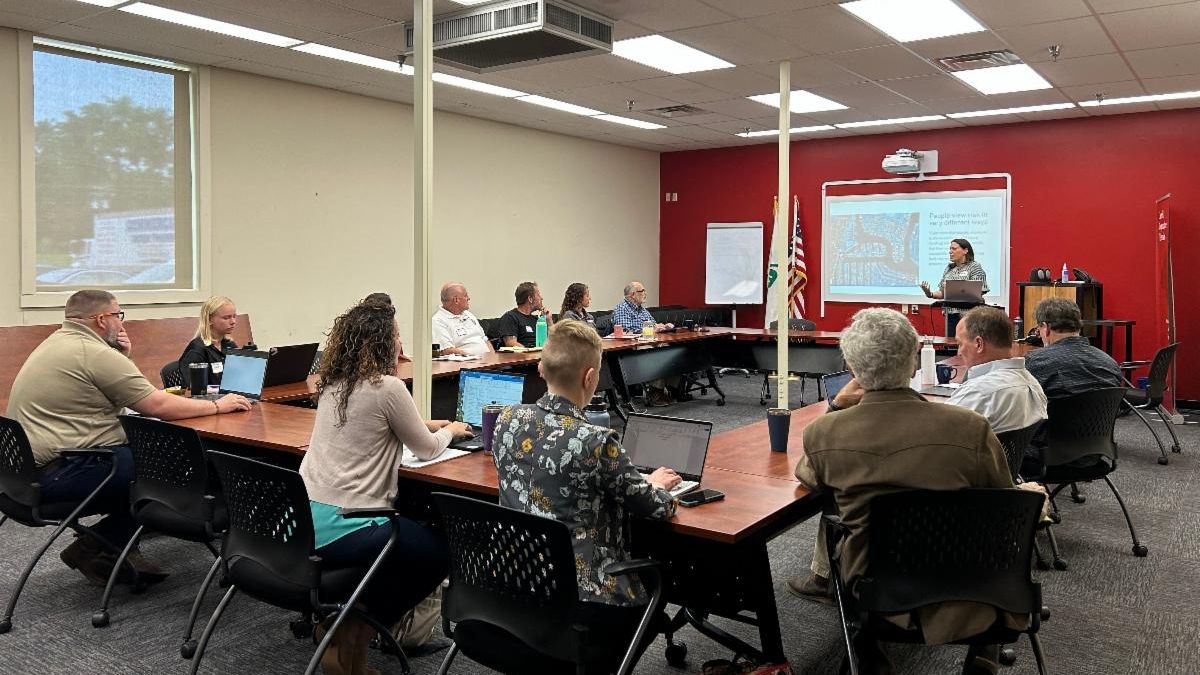
Participants in the Risk and Crisis Communication for Flood Readiness Training in Kingston on June 16.

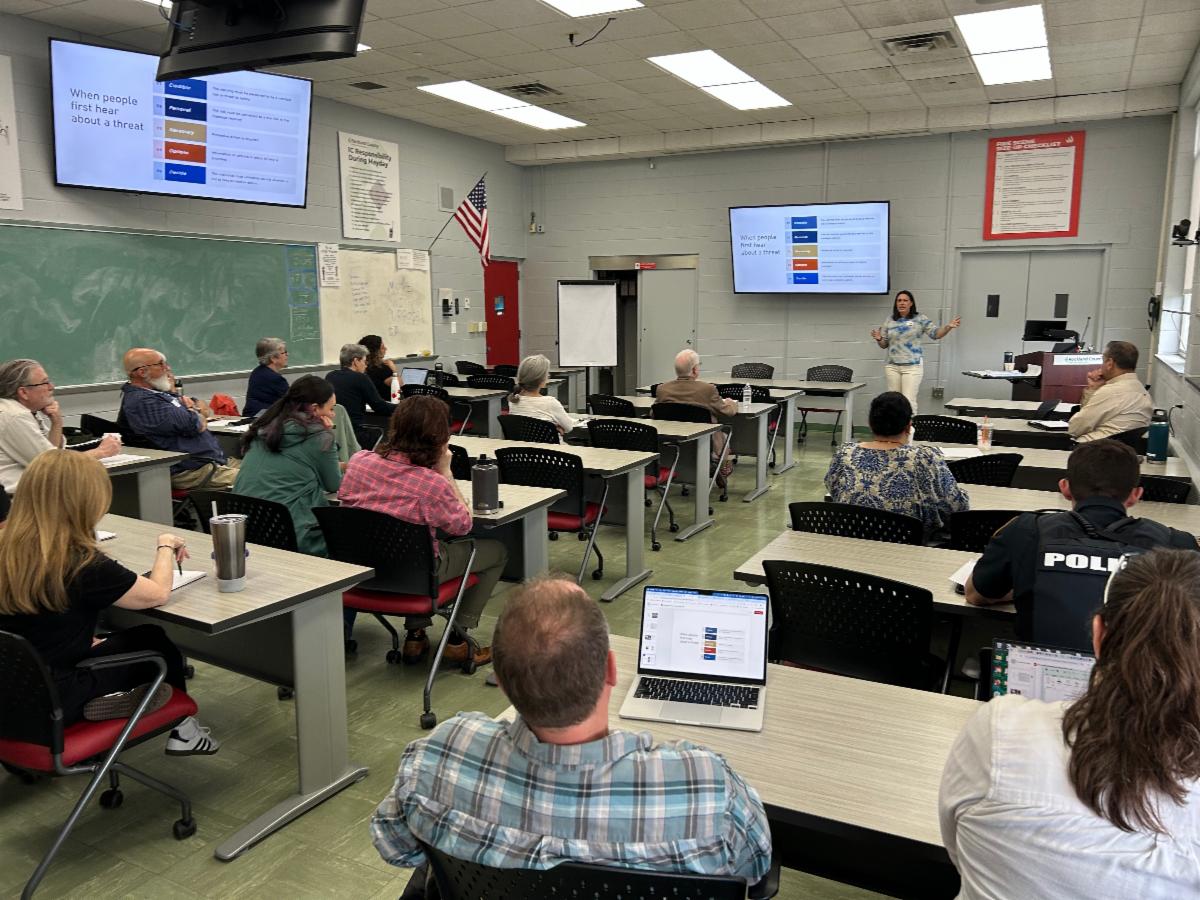
On June 16 and 17, the Hudson Valley Flood Resilience Network hosted two one-day trainings on Risk and Crisis Communications for Flood Readiness in Kingston (in partnership with Ulster County Department of Emergency Services) and Pomona (in partnership with Rockland County Office of Fire and Emergency Services). The training covered techniques in risk and crisis communication, strategies for communicating in a crisis, knowing your audience, message design, establishing partnerships, and controlling misinformation.


The training was led by Dr. Danielle Eiseman of Cornell University, a risk communication researcher, and included a mix of presentations, activities, and tabletop exercises to practice the skills learned. Dr. Eiseman specifically designed the training for representatives of municipalities that are tasked with making complex decisions around communication in the days leading up to, during, and after a major flood event or natural disaster.


100% of participants agreed that attending the training was a good use of their time, with one attendee noting: "I wish more of my colleagues were here. This was SO good! I... want everyone to take this course."


The Hudson Valley Flood Resilience Network connects local governments committed to taking actionable steps to manage current and future flood risks. The Flood Resilience Network is co-facilitated by New York Sea Grant and the Hudson River Watershed Alliance.


Hudson Valley Flood Resilience Network programs and trainings are open to Members and Partners. Members are representatives from municipal and county governments in the Hudson River estuary watershed. This includes elected and appointed officials, staff, and volunteers. Partners are staff from agencies, regional organizations, or private-sector consulting firms working in the Hudson River estuary watershed that support Members’ flood resilience goals.


To join the Network and gain access to upcoming programs, visit https://www.hvfloodresiliencenetwork.org/join and complete the Member or Partner form based on your role. The Network is free to join. 

Participants in the Risk and Crisis Communication for Flood Readiness Training in Pomona on June 17.

This program was a partnership between New York Sea Grant, Cornell Health Impacts Core, Ulster County Department of Emergency Services and Rockland County Office of Fire and Emergency Services, and sponsored by the NYS DEC Hudson River Estuary Program and the NYS Water Resources Institute at Cornell University, and funded by the NYS Environmental Protection Fund.

Opportunities

GRANTS & TECHNICAL ASSISTANCE:


DEC: Climate Smart Communities Grant Program

Deadline: July 31

More information

The Climate Smart Communities (CSC) Grant program provides grants to cities, towns, villages, and counties of the State of New York for eligible climate change mitigation, adaptation, and planning and assessment projects. Funds are available for two broad project categories: implementation and certification.


DEC: Water Quality Improvement Projects (WQIP)

Deadline: July 31

More information

The WQIP program is a competitive, statewide reimbursement grant program that funds projects that directly improve water quality or habitat, promote flood risk reduction, restoration, and enhanced flood and climate resiliency, or protect a drinking water source.


DEC: WQIP Land Acquisition for Source Water Protection grants

Deadline: July 31

More information

New York State offers funding assistance for protecting public water supply sources. WQIP Land Acquisition Projects for Source Water Protection provides funding to municipalities, land trusts and soil and water conservation districts to purchase land and/or conservation easements to protect their public drinking water.


DEC: Non-Agricultural Nonpoint Source Planning and MS4 Mapping Grant (NPG)

Deadline: July 31

More information

The NPG funds planning reports for nonpoint source water quality improvement projects and mapping of Municipal Separate Storm Sewer Systems (MS4s). The program aims to prepare nonpoint source projects for construction and application for implementation funding, and to encourage and support cooperation among regulated MS4s to complete mapping of their stormwater system. 


DOS: Local Waterfront Revitalization Program (LWRP)

Deadline: July 31

More information

The LWRP funds projects that can minimize nutrients and pollutants from getting into source waters and protect critical areas vital to sustaining water quality. LWRP funds municipalities to advance the preparation or implementation of these projects.


DEC: Canal Way Grant Program

Deadline: July 31

More information

The Canal Way Grant Program funds canal-related capital projects across the NYS Canal System. Eligible applicants include counties, municipalities, units of local government, 501(c)(3) non-profit organizations, and federally recognized Native American tribes across the New York State Canal System. 


DEC: Local Stewardship Planning

Deadline: August 7

More information

Funding is available for planning projects to help local organizations and communities create climate vulnerability assessments and adaptation plans, plan for Hudson River access site improvements to address swimming, boating, climate resiliency, and accessibility, plan for conservation of natural resources through inventories, plans, and policy development, and watershed-based stewardship, studies, planning, restoration, and management.


DEC: River Education

Deadline: August 7

More information

Funding is available for projects to enhance education about the estuary along the tidal waters of the Hudson and make learning opportunities more accessible for a wide range of people. Eligible projects include locally-based facilities for learning about the Hudson River, Hudson River resources and education programs, educator professional development and curriculum development, and intensive environmental science research programs for young adults. 


DEC: Environmental Justice Community Impact Grants

Deadline: August 13

More information

Community-based organizations can apply to receive funding for projects that address environmental and public health concerns of residents in impacted neighborhoods. Eligible applicants are Tribal Organizations and not-for-profit (NFP) community-based organizations having 501(c)(3) status, or a community-based organization may partner with a NFP that will serve as their fiscal sponsor.


EFC: Green Resiliency Grant (GRG)

Deadline: August 15

More information

GRG grants fund transformative projects that enhance the resilience of stormwater infrastructure across New York State. Eligible projects must utilize green infrastructure (GI) stormwater management practices (SMPs) and/or nature-based solutions to manage combined and/or sanitary sewer overflows and/or mitigate risks associated with extreme weather events.


EFC: State Water Grants: Water Infrastructure Improvement (WIIA) & Intermunicipal Water Infrastructure Grants (IMG)

Deadline: September 12

More information

The NYS EFC Environmental Facilities Corporation (EFC) is offering grants for clean and drinking water projects to selected municipalities with infrastructure projects that protect public health and/or water quality.


DEC: Community Forest Conservation Grant

Deadline: September 17

More information

This grant program funds municipal land acquisition for community forests. Community forests are publicly owned or publicly accessible open space properties that are vital for wildlife habitat, flood mitigation, recreational opportunities, public health, air quality, water quality, and to meet the obligations outlined in New York's Climate Leadership and Community Protection Act.


Hudson River Valley Greenway: Greenway Communities Grant Program

Deadline: October 31

More information

Greenway Communities are eligible to receive funding to develop plans or projects consistent with the five Greenway criteria: natural and cultural resource protection, economic development, public access, regional planning, and heritage and environmental education. This grant program provides grant funding to help communities develop and implement a vision for their future that balances Greenway criteria of economic development considerations with resource protection and promotion objectives.


DAM: Source Water Buffer Program

Deadline: Rolling

More information

The Source Water Buffer Program is administered by the New York State Soil and Water Conservation Committee, in coordination with the Department. The goal of the program is to protect public drinking water and to enhance water quality protection. It funds the purchase of conservation easements and projects that establish riparian buffers on farmland that borders critical water sources.


DEC/DOH: Septic System Replacement Fund

Deadline: Rolling; county dependent

More information

This program provides funds to counties to help homeowners replace cesspools and septic systems that are adversely impacting designated water bodies. Eligible projects include replacement of a cesspool with a septic system, installation, replacement, or upgrade of a septic system, or installation of enhanced treatment technologies.


EDA: FY 2023 Disaster Supplemental Grant Program

Deadline: Rolling

More information

Through this Disaster Supplemental Program, EDA will award investments in regions experiencing severe economic distress or other economic harm resulting from Hurricanes Ian and Fiona, and of wildfires, flooding, and other natural disasters occurring in calendar years 2021 and 2022.


EDA: FY 2025 Disaster Supplemental Grant Program

Deadline: Rolling

More information

This grant program supports economic recovery activities in areas that received major disaster declarations because of hurricanes, wildfires, severe storms and flooding, tornadoes, and other natural disasters occurring in calendar years 2023 and 2024. It aims to support communities recovering from major disasters and set them on a path to exceed pre-disaster conditions and transform their local economies in new and vibrant ways.


EPA: Environmental Justice Thriving Communities Grantmaking Program 

Deadline: Rolling

More information

The EPA’s Environmental Justice Thriving Communities Grantmaking Program aims to make it easier for small, community-based organizations and other eligible subrecipients to access federal environmental justice funding for projects that identify, document, address, and respond to conditions related to environmental and/or climate injustice.


EPA: Water Infrastructure Finance and Innovation Act (WIFIA) Program

Deadline: Rolling

More information

EPA announced $6.5B in New Funding Available for Water Infrastructure Projects and released notices of funding availability for the agency’s Water Infrastructure Finance and Innovation Act (WIFIA) Program and the State Infrastructure Financing Authority WIFIA (SWIFIA) Program. Letters of interest will be accepted on a rolling basis until all funds are expended.


NYS EFC: Emergency Financial Assistance

Deadline: Rolling

More information

Emergency financial assistance is available to municipalities for wastewater and drinking water system issues that pose hazards to public health, public welfare or the environment. Eligible facilities include publicly-owned treatment works, publicly-owned sewer system, and municipally-owned public water systems.


Peter and Carmen Lucia Buck Foundation’s Land Capital Grants Program

Deadline: Rolling

More information

The Peter and Carmen Lucia Buck Foundation and Land Trust Alliance share a collective goal of increasing the pace and scale of land conservation and will work together to offer a land capital grants program that will provide PCLB grants to allow land trusts to complete projects in PCLB’s geographic focus area. The program is intended to prioritize lands that exhibit biodiversity, connectivity, climate resilience, water quality and human benefits.


USDA: Emergency Community Water Assistance Grants

Deadline: Rolling

More information

This program helps eligible communities prepare, or recover from, an emergency that threatens the availability of safe, reliable drinking water. Rurally located public bodies, Nonprofit organizations, and Federally recognized tribes are eligible. Funding may be used for construction of waterline extensions, new wells, reservoirs, transmission lines, treatments, repair breaks or leaks, and address related maintenance necessary to replenish the water supply.


USDA: Water & Waste Disposal Pre Development Planning Grants

Deadline: Rolling

More information

This program helps eligible low-income communities plan and develop applications for proposed USDA Rural Development water or waste disposal projects. Most state and local governments, nonprofit organizations, and Federally-recognized Tribes are eligible. The area must have a median household income below the poverty line or less than 80 percent of the statewide non-metropolitan median household income.


USDA: Water & Waste Disposal Loan & Grant Program

Deadline: Rolling

More information

Long-term, low-interest loans are available for clean and reliable drinking water systems, sanitary sewage disposal, sanitary solid waste disposal, and storm water drainage to households and businesses in eligible rural areas. Funding may be used to finance the acquisition, construction, or improvement of drinking water sourcing, treatment, storage, and distribution, sewer collection, transmission, treatment, and disposal, solid waste collection, disposal and closure, and stormwater collection, transmission and disposal. Funding may also be available for related activities such as legal and engineering fees, land acquisition, permits and equipment, start-up operations and maintenance, and other costs determined to be necessary for completion of the project.

JOB POSTINGS


Cornell Cooperative Extension: Albany County Climate Resiliency Educator (Voorheesville, NY)

More information


Cornell Cooperative Extension: AWSMP Education Program Manager (Shokan, NY)

More information


DEP: Chief, Green Infrastructure Operations and Maintenance (Brooklyn, NY)

More information


Hudson River Valley Greenway: Communications and Outreach Manager (Albany, NY)

More information


Hudson River Valley Greenway: Finance Manager Manager (Albany, NY)

More information


Nelson Pope Voorhis: Senior Planner (Suffern or Kingston, NY)

More information


Palisades Park Conservancy: Communications & Outreach Coordinator (New York, NY - hybrid)

More information


Riverkeeper: Habitat Restoration Project Manager (Ossining, NY - hybrid)

More information


Rockland County Government: Sustainability Coordinator (Rockland County, NY)

More information


Village of Nyack Water Department: Assistant Operator, Water Treatment (Village of Nyack, NY)

More information


The Hudson River Watershed Alliance unites and empowers communities to protect our shared waters.

 
Facebook  Instagram  Youtube  LinkedIn