October 2022 | Issue No. 30

Education Spotlight Trash for Treat!


This month is a great month for our Stormwater Education program! We had a booth set up at the Tulsa State Fair. For 11 days our team educated Tulsans on the different ways people can contribute to pollution in the environment. We provided surveys for people to sign and be entered in a drawing to win a free rain barrel. We also gave out fishing poles to kids and invited them to the fishing derby at Hunter Park.


At the end of the month, there will a Trash for Treat event at Zink Park. This event is open to all ages and will feature our enviroscape – a 3D model that helps visually demonstrate what happens when different pollutants get into our waterway. At this event, kids can come out and pick up trash in exchange for candy.


Come out on October 29 from 10 a.m. – 2 p.m. at Zink Park to participate in this event with us! For more information, contact stormwaterquality@cityoftulsa.org

Properly Disposing of Used Cooking Oil


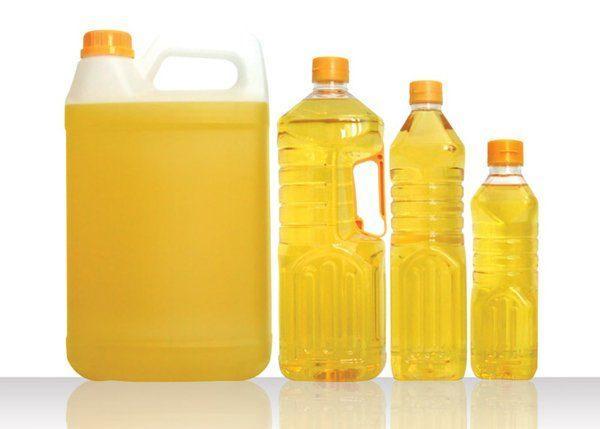
Cooking oil is used almost daily when cooking a meal. Have you ever wondered what to do with used cooking oil when you are done, or what happens if you pour it down the drain?


Water and oil do not mix. If you pour oil down the drain, it can stick to the pipes and cause blockages. These blockages will make it more difficult for water to move down the drain and can back up your plumbing. If you are wondering where you can take your cooking oil, look no further than the City of Tulsa’s Household Pollution Collection Facility!


The Household Pollution Collection Facility is located on the west side of Tulsa, 4502 S. Galveston Ave., and is open Wednesdays and Saturdays from 8 a.m. – 4:30 p.m. You don’t need an appointing to bring your unwanted household cleaners, herbicides, pesticides, cooking oil, car chemicals, etc. This is a wonderful place where you can properly dispose of cooking oil and the cooking oil that is brought to the facility is used as fuel later.


For more information on what you can bring and what you need to visit the facility, please contact us at (918) 591-4325.

Tackling Litter


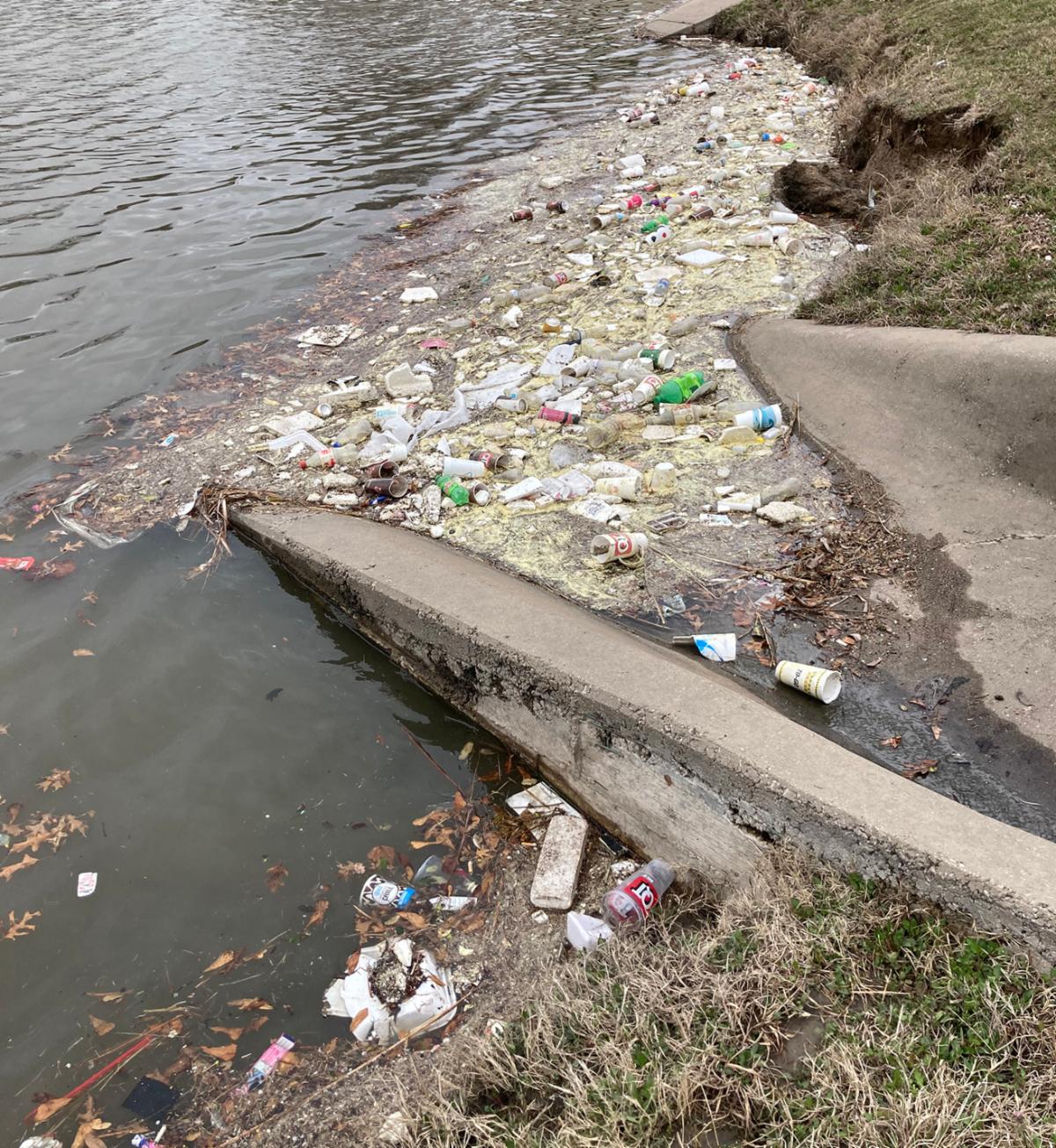
Did you know the City of Tulsa’s Stormwater Management Division has an employee who has recently begun investigations of littering in Tulsa? Littering is especially detrimental to stormwater systems as it can clog drains, cause flooding, and cause harm to wildlife in the waterways.


Our litter investigator has started out dedicating part of their time to conduct litter inspections in various hot spots across Tulsa, particularly focusing on watersheds and areas adjacent to Stormwater Management ponds to prevent litter or floatables from getting into waterways. You can forward any locations with frequent littering to 311 and this inspector will investigate, and as warranted, issue fines for non-compliance with City ordinances.


Together, we can all do our part to make Tulsa a cleaner city by picking up a few pieces of litter when out at the park or on a walk. Thank you for your assistance in keeping Oklahoma beautiful.

Species Spotlight:

   Percina Caprode


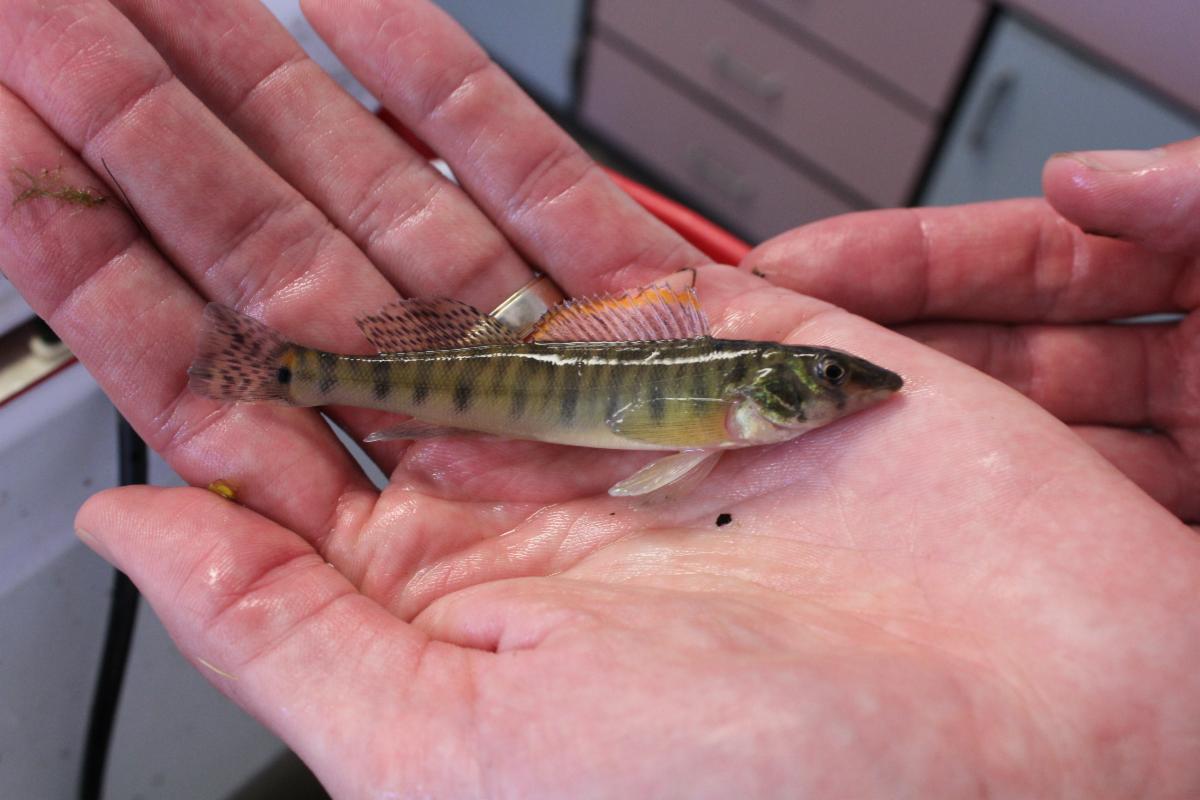
The logperch darter, Percina caprode, is common fish you can find here in Tulsa. It is typically found in the eastern United States and in Canada. Logperches have vertical stripes on their sides on top of a yellowish/tan body. The belly of the fish is an off-white color and it has a black spot on its tail fin. The logperch eats a variety of foods such as worms, midges (a type of flying insect), and crawfish.


Darter fish are typically found in benthic habitats, meaning deep ripples and at the shallow parts of streams and creeks. Because they are not as mobile as other fish, they breath by buccal pumping, which is when a fish draws water in with its mouth and pumps it over its gills.


This species is moderately intolerant to pollution, so sightings of the logperch within the city of Tulsa are very exciting!

Visit the City of Tulsa online
Connect with us
Facebook  Twitter  Instagram  Youtube