November 2024 | Issue No. 37

Protecting Tulsa's Waterways:

Understanding Stormwater Quality Investigations


The quality of our stormwater is essential for maintaining the health of Tulsa’s environment. The City’s Stormwater Quality division is committed to addressing citizen concerns regarding potential pollutant discharges. If you notice any signs of pollution entering Tulsa’s Municipal Storm Sewer System, your input is valuable – please report it!


How to Report a Concern

You can initiate complaints through various channels, including reports from other city departments and government agencies such as the Oklahoma Department of Environmental Quality (ODEQ) and the Environmental Protection Agency (EPA). However, the most direct way to contact the city is through Tulsa’s Customer Care Center, known as 311.

You can reach Tulsa 311 24/7:

-         Online at Tulsa311.com

-         Download the Tulsa311 app.

-         Call 311 (Monday-Friday, 8 a.m. – 5 p.m., outside of Tulsa, call (918) 596-2100)

-         Email Tulsa311@cityoftulsa.org

Once a report is received, it is classified as a “Stormwater Quality Investigation,” and one of our dedicated inspectors will assess the situation firsthand.


Enforcement and Education

Tulsa’s Pollution Ordinance, adopted in November 1995, is vital in maintaining stormwater quality. Any non-stormwater discharge into the city’s storm sewer system violates this ordinance. Enforcement measures can include administrative orders, fines, and recovery of costs associated with violations; however, the primary goal is to educate responsible parties about the importance of preserving stormwater quality.


In the last fiscal year, our team conducted 256 investigations into stormwater quality concerns, working diligently to safeguard Tulsa’s water resources.


Join Us in Keeping Tulsa Clean

If you suspect pollutants are being discharged into our stormwater system, please don’t hesitate to report it. Together, we can work toward a cleaner, healthier Tulsa. For any pollution concerns, remember to reach out to Tulsa 311 or email us at stormwaterquality@cityoftulsa.org.


Your actions can make a significant difference! 

Species Spotlight:

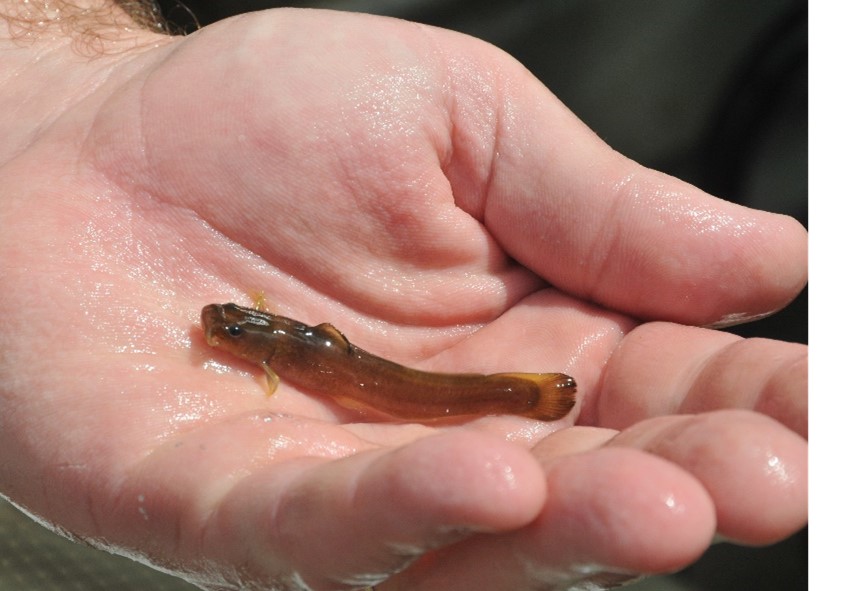
Madtoms: Tiny Guardians of Our Creeks


Did you know that madtoms are the smallest members of the catfish family, Ictaluridae? These fascinating little fish are native to North America and play a vital role in our freshwater ecosystems. Madtoms are nocturnal hunters, primarily found in the rocky bottoms of streams and lakes, where they prey on invertebrates such as stoneflies, caddisflies, and crayfish. 


What sets madtoms apart are their long barbels, often referred to as “whiskers,” which they use to navigate their environment while searching for food. Additionally, their specialized pectoral and dorsal fins contain venom glands that assist them in capturing prey, making them unique among their aquatic peers.


Madtoms thrive in clear, rocky riffles found in small to medium-sized streams. These habitats provide them with shelter and enhance the oxygen levels necessary for their survival. However, our madtom friends face challenges when sedimentation occurs, burying their essential riffle habitats and disrupting their food sources. 


To help protect these remarkable little fish and their habitats, it’s crucial that we all keep our creeks clean. Staying mindful of pollution and runoff can make a significant difference in maintaining the health of madtom populations and the overall ecosystems. 


Join us in conserving Tulsa's beautiful waterways. Together, we can ensure that these tiny guardians continue to thrive in our local creeks! 

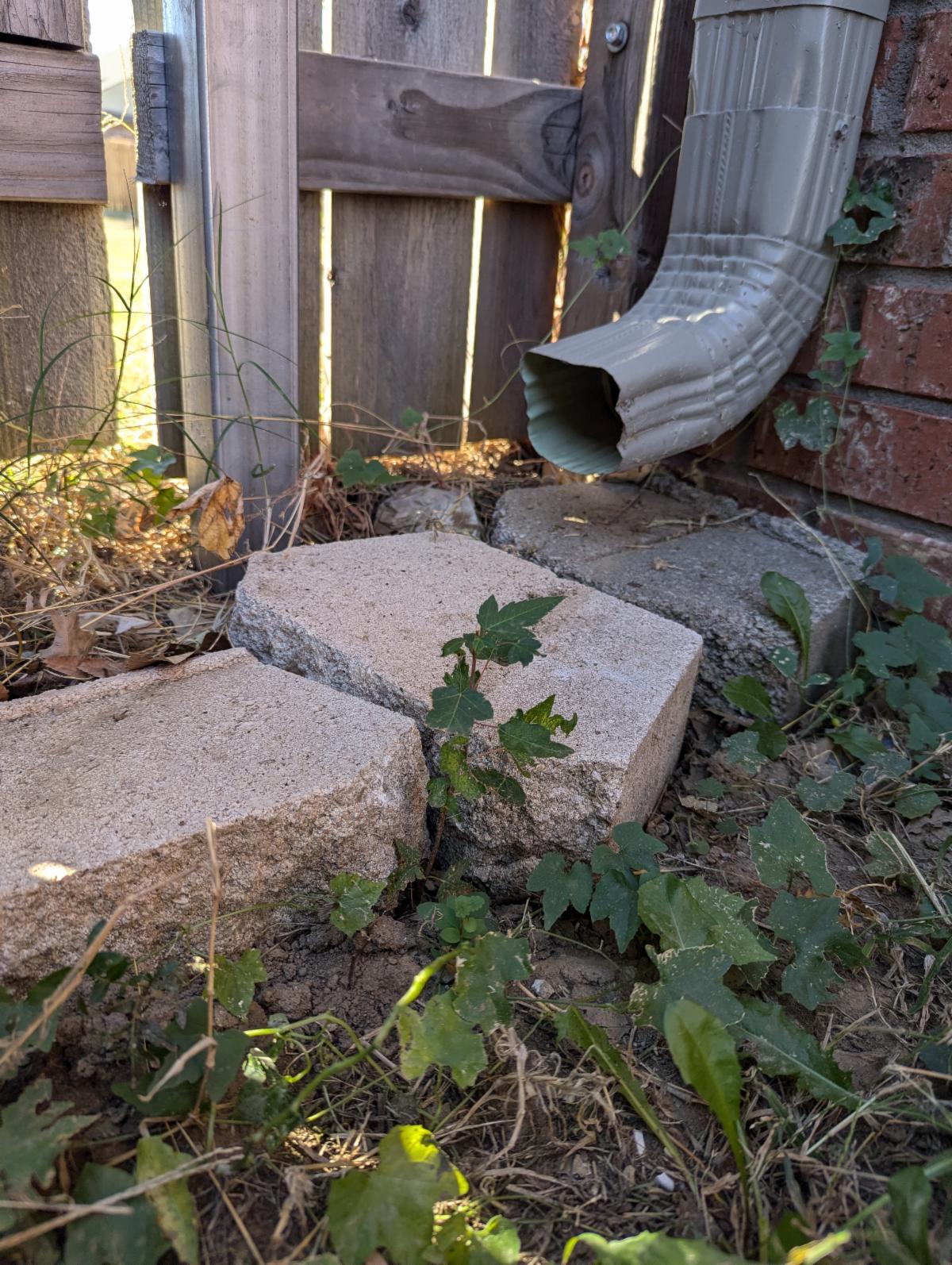
Redirecting Your Downspouts


In Tulsa, we receive about 41 inches of rain each year, leading to significant stormwater runoff. With 99% of our city covered by impervious surfaces, managing this runoff is crucial to prevent pollution in our local streams and creeks. 


One effective way is by redirecting your downspouts. Here are a few simple practices:

  1. Splash Pads: Install a splash pad to disperse water and reduce erosion.
  2. Gravel Trenches: Create trenches to allow rainwater to absorb into the ground. 
  3. Rain Gardens: Design a garden that captures excess rainwater and supports local wildlife. 
  4. Rain Barrels: Collect rainwater for future garden use, minimizing runoff. 


By making these small changes, you’ll help preserve the health of our waterways. Every effort counts! 


For more tips or to share your experiences, reach out to us!

Tulsa State Fair 2024: A Thriving Success!


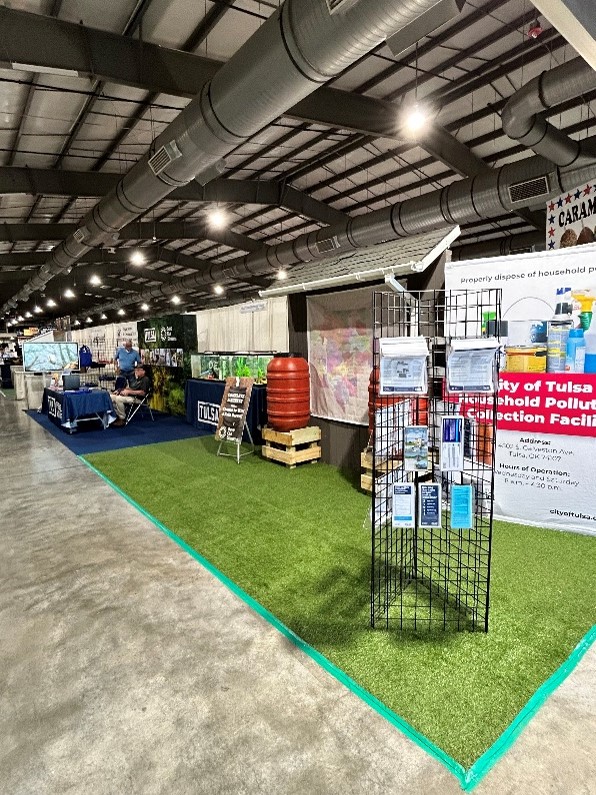
The 2024 Tulsa State Fair, held from September 26 to October 6, attracted 1.1 million visitors - up 2.7% from last year! This year’s event showcased not only the vibrant spirit of Tulsa but also the importance of community engagement in environmental initiatives. 


We distributed 1,896 educational brochures, a 27.7% increase from 2023, and gave away 18,596 fun items like sunglasses and litter bags, showcasing a 26.7% rise in giveaways. 


Our team was thrilled to engage with Tulsans and fairgoers about stormwater quality, and we appreciate everyone who visited our booth. We look forward to continuing our efforts to keep Tulsa waterways clean and safe for future generations!    

Visit Tulsa Stormwater Quality online
Connect with us
Facebook  Twitter  Instagram  Youtube