July 16, 2025 | Issue No. 39

Tulsa's Wildflower Meadows: Supporting Water and Wildlife

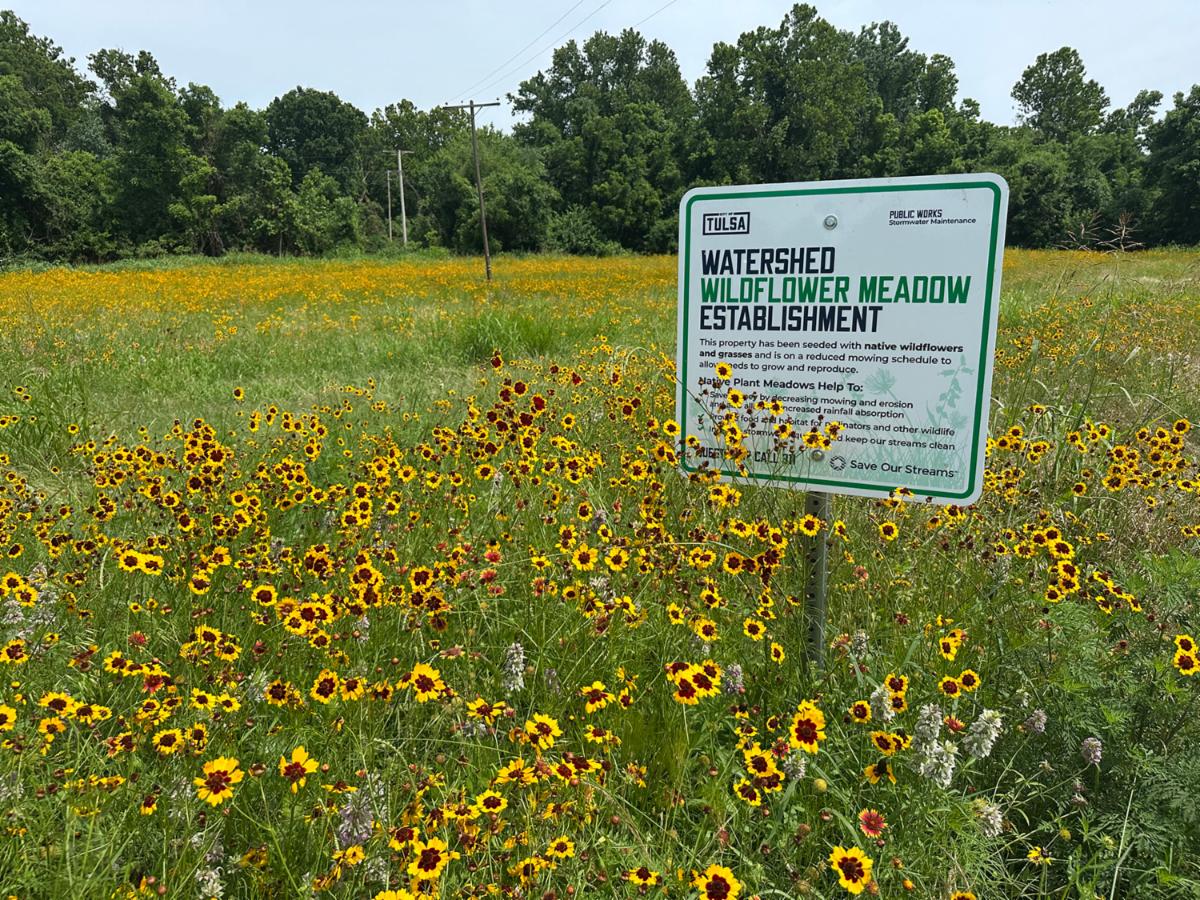
The City of Tulsa is reimagining how we care for some of our stormwater detention areas - by turning them into vibrant wildflower meadows! 


In February 2025, the Stormwater Maintenance Division began a pilot program to convert four City-owned properties - covering about 9 acres - into blooming landscapes filled with more than 30 species of native Oklahoma wildflowers and grasses. These properties have historically been mowed open spaces for flood control, but now they’re also helping improve water quality, cut mowing costs, and create much-needed habitat for pollinators like bees and butterflies.


Why here? These specific sites were chosen because they’re in areas where water quality improvements are most needed. Deep-rooted native plants not only help soak up and filter pollutants from stormwater runoff, but mowing them less often also reduces erosion.


Pilot Wildflower Meadow Locations:


  • Coal Creek – 3025 N Erie Ave
  • Woodland Hills South – 7400 S 89th E Ave
  • Tupelo Creek – 12192 E 21st Ct
  • Nickel Creek – 9100 S 33rd W Ave


This spring and summer, these meadows began to bloom with color! Visitors may spot species like Plains Coreopsis, Partridge Pea, Longheaded Coneflower, Lemon Bee Balm, and Oklahoma’s State Wildflower—the Indian Blanket.


These meadows will be mowed just twice a year: once in late summer after seeds have set, and again in winter. As we learn from this pilot, the City hopes to expand this program to more sites in the future.


Want to learn more or get involved? Reach out to us at stormwaterquality@cityoftulsa.org.


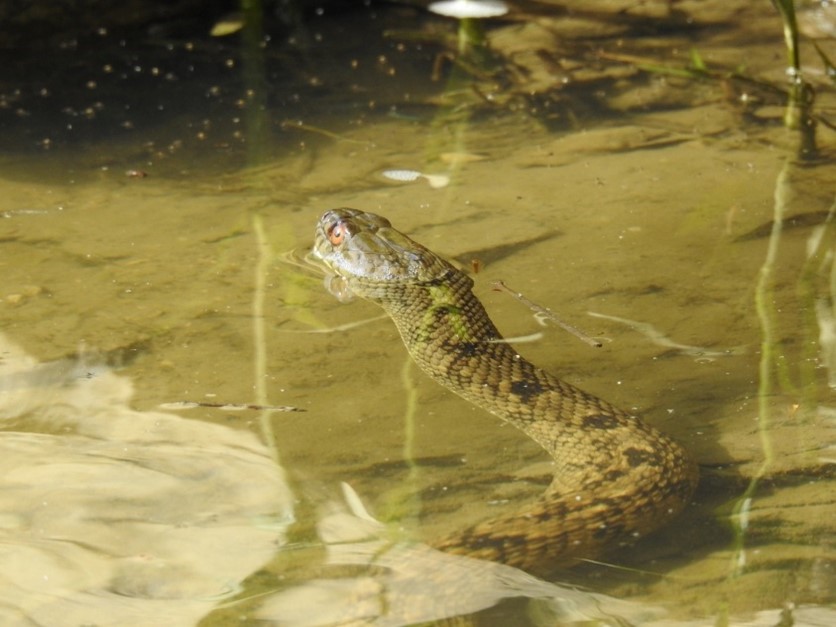
Species Spotlight: Diamond-backed Watersnake (Nerodia rhombifer)


The Diamond-backed Watersnake (Nerodia rhombifer) is one of over forty snake species found in Oklahoma. Although the Diamond-backed Watersnake may resemble other aquatic snakes, this snake can be distinguished by its pale color with a dark brown and black diamond pattern.


This snake can be found basking on limbs and rocks that overhang water. Diamond-backed Water snakes are harmless to humans, but are effective predators of fish, frogs, and turtles. Their preferred food source is catfish, which have been found in abundance in several Tulsa creeks. These snakes are live bearers and can produce over 60 young in a season. The Diamond-backed water snake is exclusively carnivorous, so fish and insects must be abundant to sustain their populations in creeks. For this to occur, a sufficient habitat and adequate water quality must be present. Diamond-backed water snakes can indicate stream conditions capable of supporting diverse and abundant fish communities. 

Grass Clippings and Their Impact on Water Quality


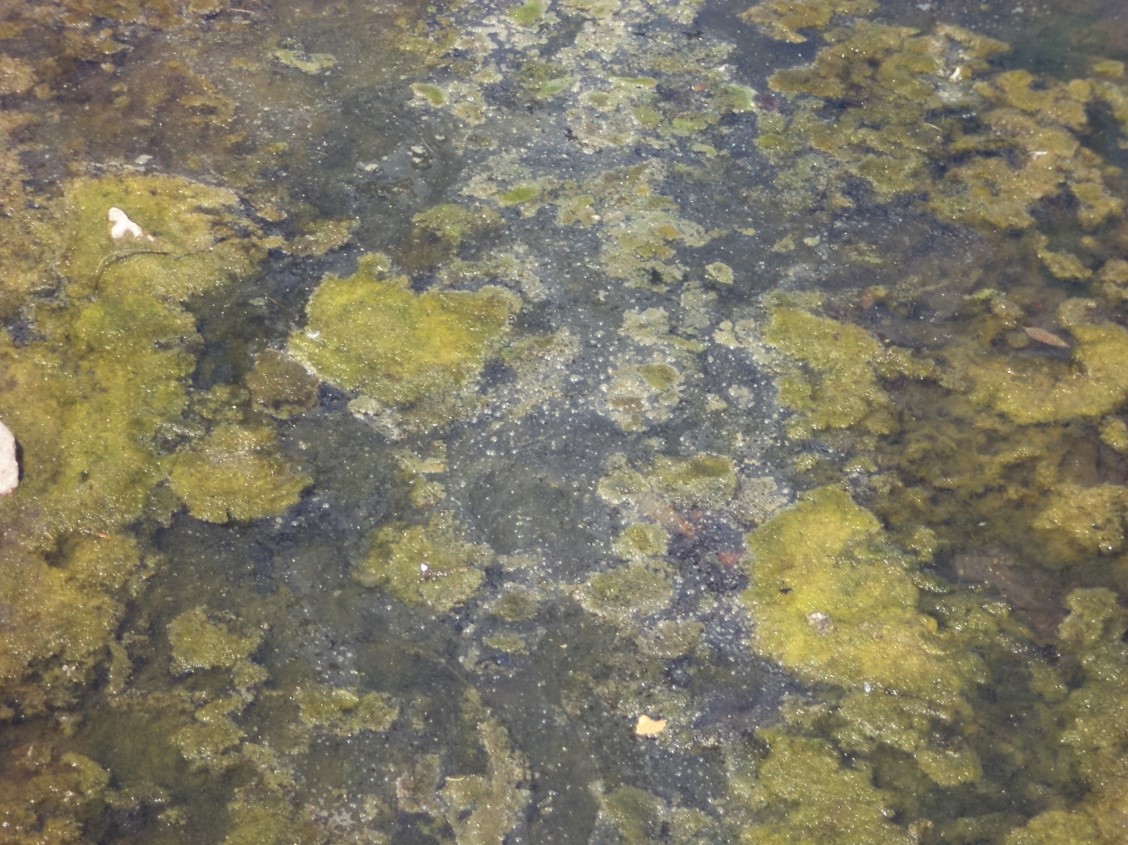
Many residents may not realize that yard waste, such as grass clippings and leaves, can negatively affect local waterways. When too much natural debris enters streams and ponds, it can lead to eutrophication - a buildup of nutrients that causes algae growth. This growth reduces oxygen in the water and can harm aquatic life.


Green waste can also clog storm drains and contribute to flooding. To help protect water quality and prevent infrastructure issues, consider the following tips when mowing:

  • Plant native grasses, these require less mowing and less fertilizers
  • Compost your excess yard waste when possible
  • Bag leftover clippings in clear plastic bags and set them out by your gray trash cart
  • Drop off grass clippings at the City's mulch site at 2100 N. 145th E. Ave.
  • Leave some clippings on your lawn to decompose naturally and enrich your soil.


(Pictured: Algae in a local stream)

Proper Disposal of Pool and Hot Tub Water


As hot weather settles in, more people will be utilizing their swimming pools. Did you know it’s a violation of the City of Tulsa’s Pollution Ordinance to dispose of swimming pool and hot tub water into the storm sewer system unless the water is free of pollutants such as salt and chlorine? If pool water is drained into the street, it goes directly into nearby creeks and has a detrimental effect on aquatic life.


To avoid harming the environment, there are a couple of options that allow the safe disposal of pool and hot tub water.

  1. Drain your pool to the sanitary sewer system. Locate the sanitary sewer overflow, which is typically outside of a kitchen or bathroom in the yard. The water will go to a wastewater treatment plant and be treated before it is discharged into the river.
  2. Stop using chlorine, other chemicals, and the heater at least 72 hours prior to draining the water into a vegetated area on your property. Ensure the flow is low, allowing the water to seep and filter into the ground instead of running into the storm drains.


As an overall rule, chlorine concentrations should be no more than .1mg/L and have a pH of around 7 for either disposal method.


For more information, visit the City of Tulsa’s website at cityoftulsa.org/sos for a detailed list of instructions on pool maintenance and other ways you can help Save Our Streams.

Connect with us
Facebook  Twitter  Instagram  Youtube