|
Aquatic Caterpillars: Unlikely Indicators of Stream Health
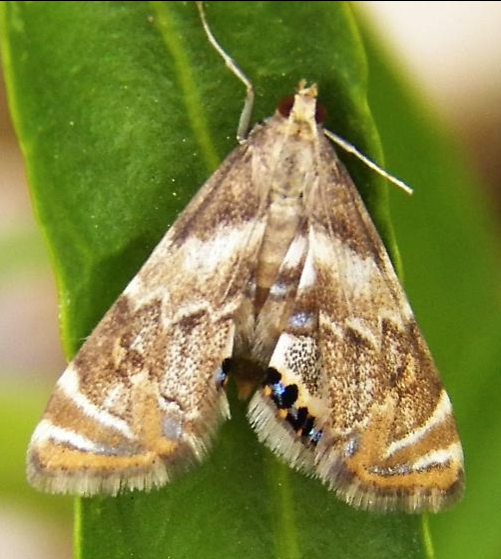
Butterflies and moths belong to Lepidoptera, one of the largest orders of winged insects. While most butterfly and moth larvae live on land, a small fraction spend their larval stage entirely underwater, living among aquatic plants or the rocky substrate of streams and rivers.
Aquatic caterpillars are typically found in clean, well-oxygenated, flowing water, where they breathe through gills or by trapping air. These specialized, herbivorous insects feed on plant foliage, algae and diatoms found on rock surfaces. When ready to pupate, the larvae construct a cocoon using silk and leaves within the water.
Macroinvertebrates are widely used to assess the health of freshwater streams because they reflect long-term environmental conditions, unlike chemical sampling, which captures only a single point in time. Aquatic caterpillars are often overlooked in favor of more commonly studied insects such as mayflies, stoneflies and caddisflies. However, they serve as sensitive biological indicators, and their presence in a stream is a strong signal of good water quality.
|