|
A recent article in Youth Today written by YSA's Vice President of Education, Scott Ganske, asks a question essential to expanding real opportunities for youth voice, leadership, and decision-making.
In recent years, there has been growing attention to questions of youth trust, often framed around how institutions can rebuild relationships with young people. That shift is important. It also raises a deeper question about how trust flows in the other direction. We often ask:
How can we get young people to trust us?
It is a reasonable place to start. But it is also incomplete, because it allows us to avoid a more difficult question:
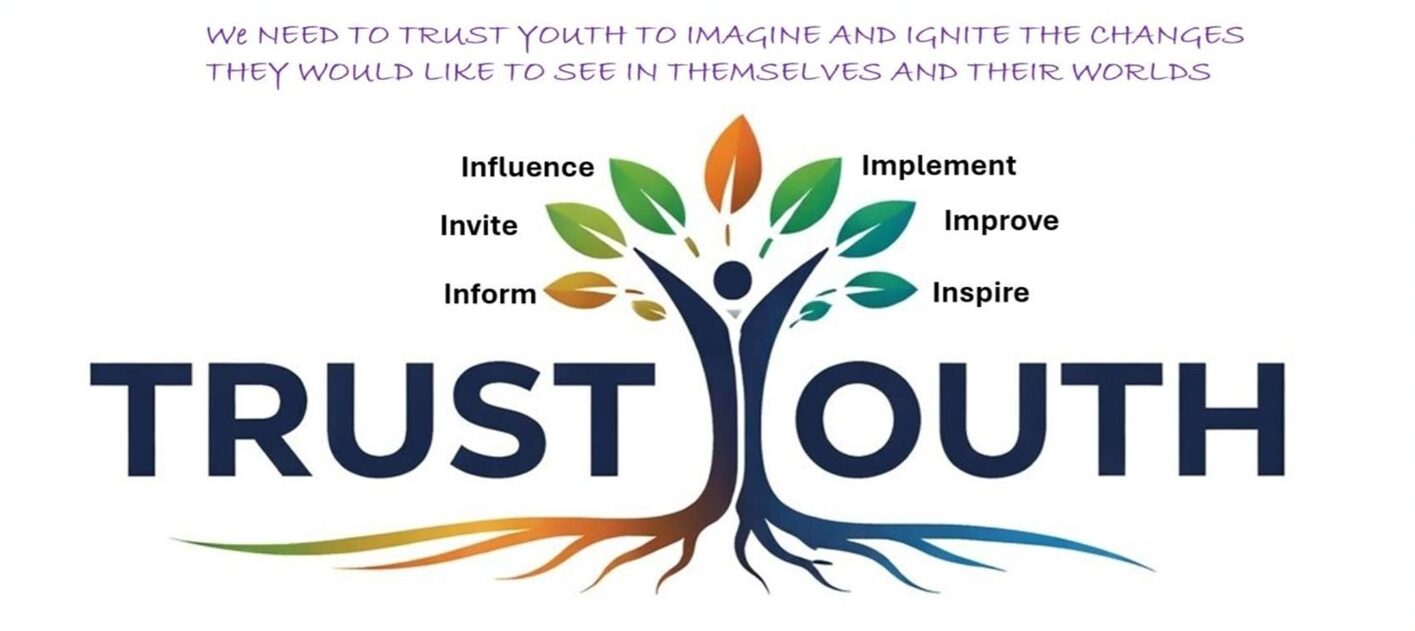
To what extent do we trust young people?
Across education, philanthropy and youth development, there has been real progress in elevating youth voice. Students are asked for feedback, included in advisory groups and invited to share their perspectives on issues that affect them. But in many settings, decision-making has not shifted at the same pace.
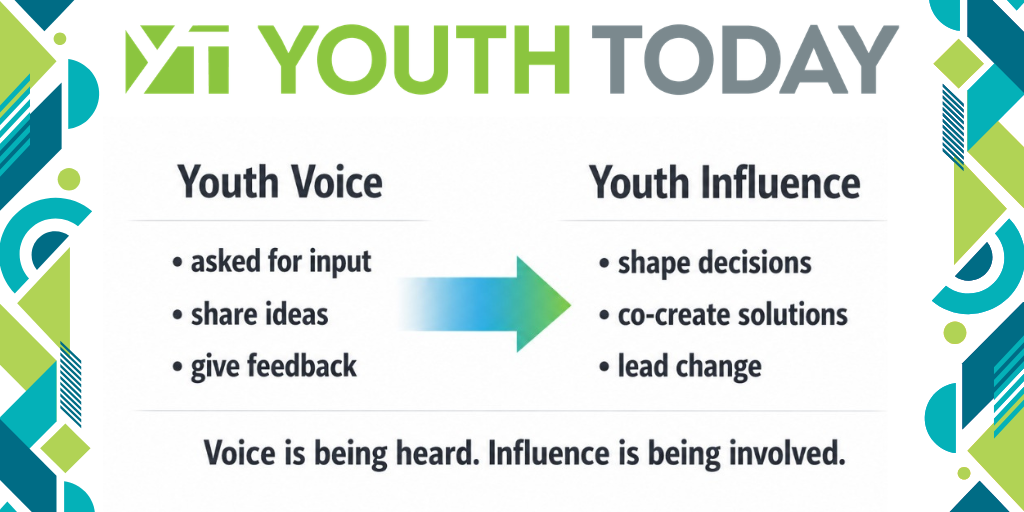
Young people are asked to contribute but are not consistently trusted to shape outcomes. They are included in conversations but less often in the choices that follow. Participation has expanded. Influence has not.
...
The Alliance for Youth Thriving has helped reframe how the field understands learning and development, emphasizing the importance of connected ecosystems across people, places, possibilities and systems. That framing highlights the importance of relationships and access. It also brings something else into focus: Ecosystems are shaped by how decisions are made, and trust plays a central role in those decisions.
Trust determines whether young people are positioned as participants or contributors.
It influences who has access to meaningful opportunities and whose perspectives carry weight. It shapes whether systems are experienced as responsive or predetermined. If we take that seriously, then trust is not a secondary value. It is part of the operating system.
In early work with schools and youth networks, even simple efforts to surface how trust is experienced have revealed consistent patterns. Adults often point to the presence of opportunities. Young people focus on whether those opportunities lead to change. That gap is not a failure. It is a starting point.
The question is what we do with it.
|