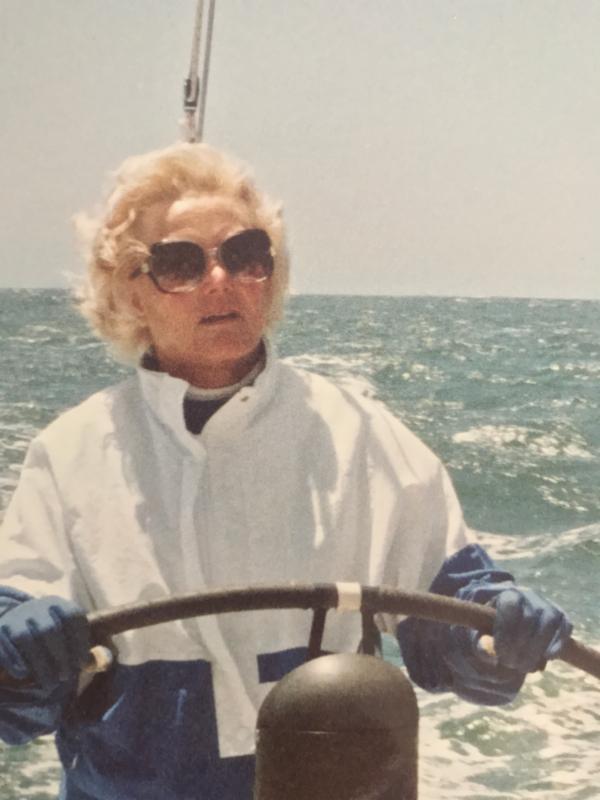
Barbara was awok
en by her husband's hand on her shoulder, gently bringing her to consciousness. The sound of rushing water was everywhere. That was normal on a sailboat racing to Hawaii. Her boat. Her 15 man crew. Her ultimate responsibility. She was awoken while it was still dark which was unusual. She was informed that seawater coming aboard. The hard upwind slog from Long Beach over the past few days must have opened up a fitting. Her beloved fast new boat was filling with water far from land.
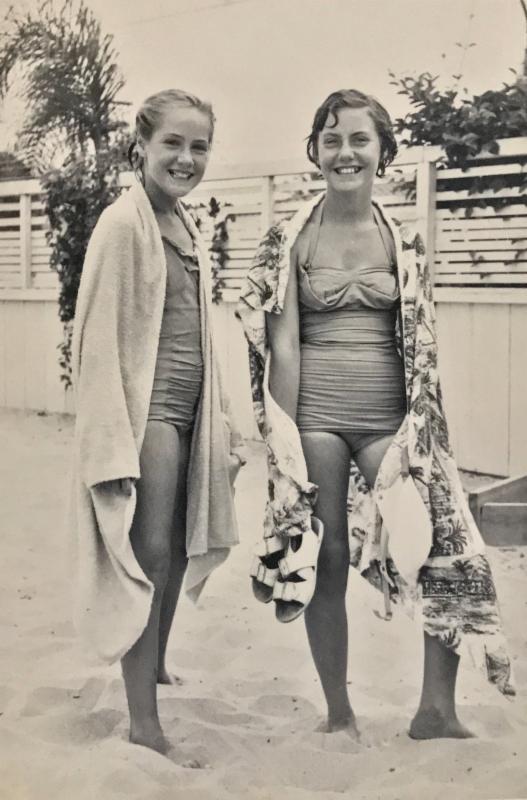
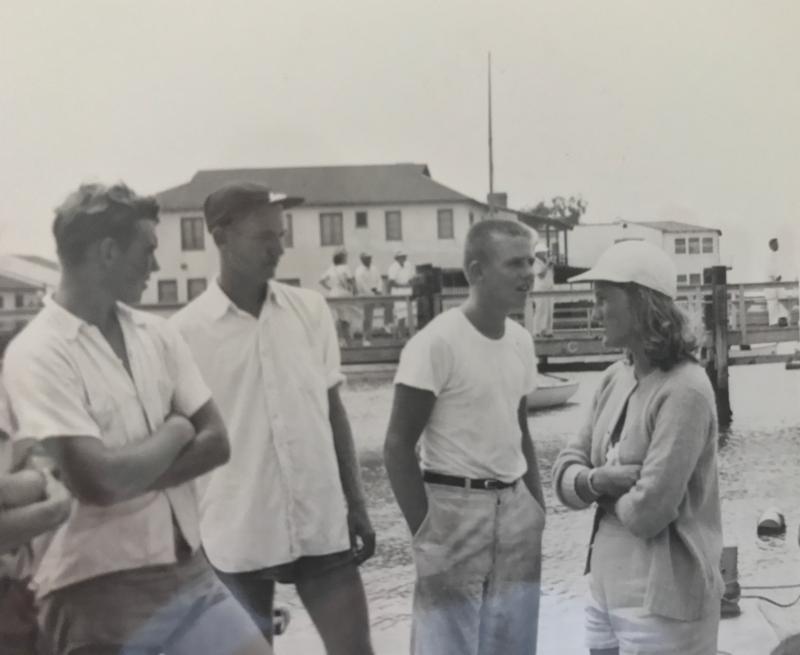
Water in a boat was nothing new to Barbara. The wood boats of her childhood always leaked. Every Spring she helped her father, Stuart Cundiff, caulk her Snowbird 035. Sail 035 indicated her father had lent it to the Olympic Committee in '32. 12 year old Barbara sailed in Newport Harbor every chance she had in the peaceful summer before Pearl Harbor.
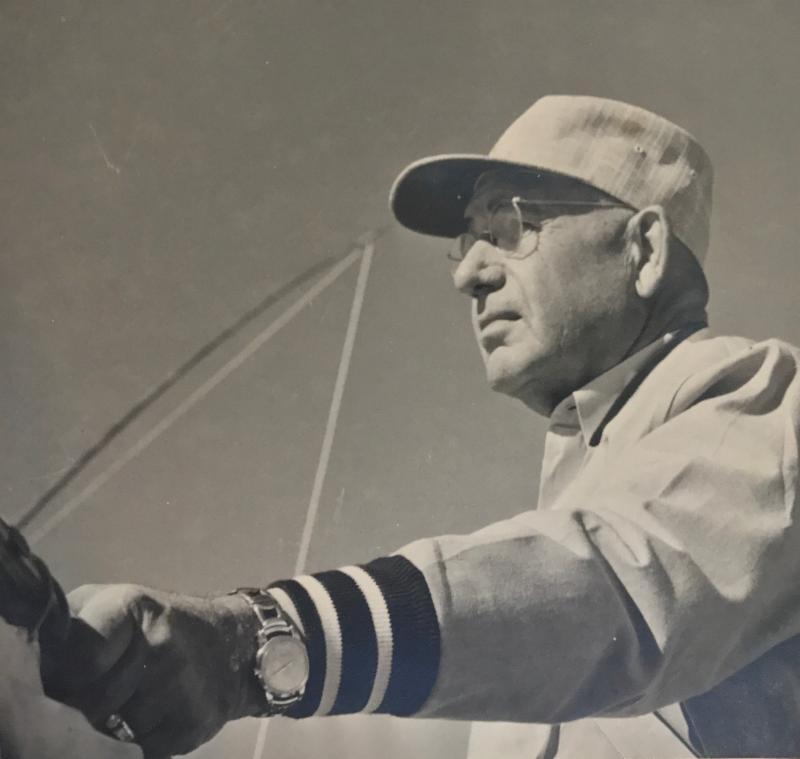
Stuart's troopship zig-zaged over the Atlantic on it's way to France to avoid being sunk by a submarine. The officer in the 316th Engineering Regiment returned across those same waters in 1919 to California. His Engineering exploits earned him a position as the Newport Harbor Water Commissioner where he met his future wife, Delphin.
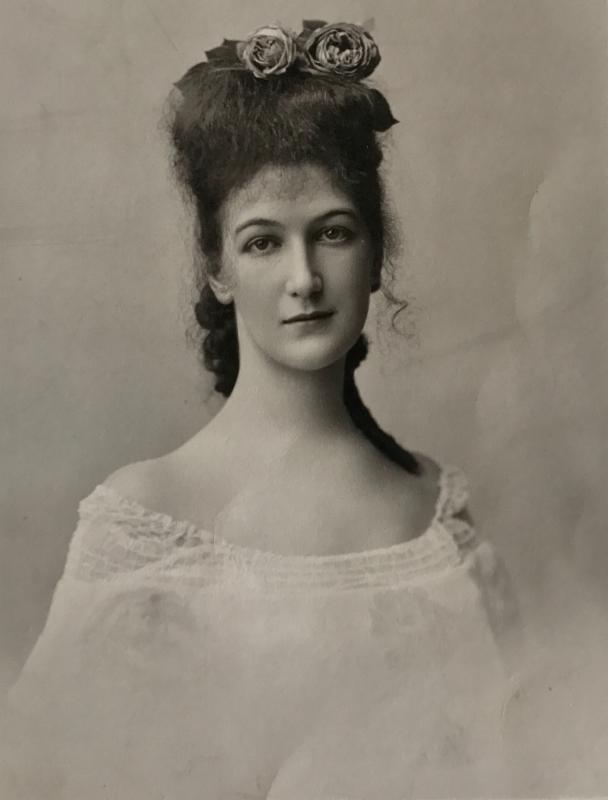
Barbara's mother, Delphin Jean McClure, also knew the dangers of the sea all too well. At 15, she and her mother, Mary, witnessed the horrifying drowning of her father, Clareden Parker McClure, in the surf off Venice Beach. The newly widowed Mary took her only daughter, Delphin on the long train ride to Boston where Delphin entered into the highest ranks of Boston Society during the last flowering of the Gilded Age in 1910.
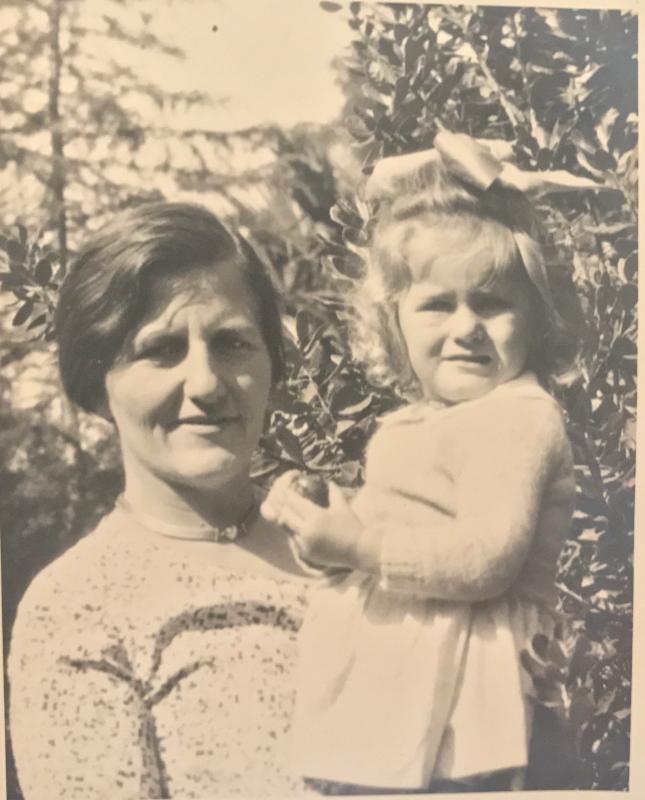
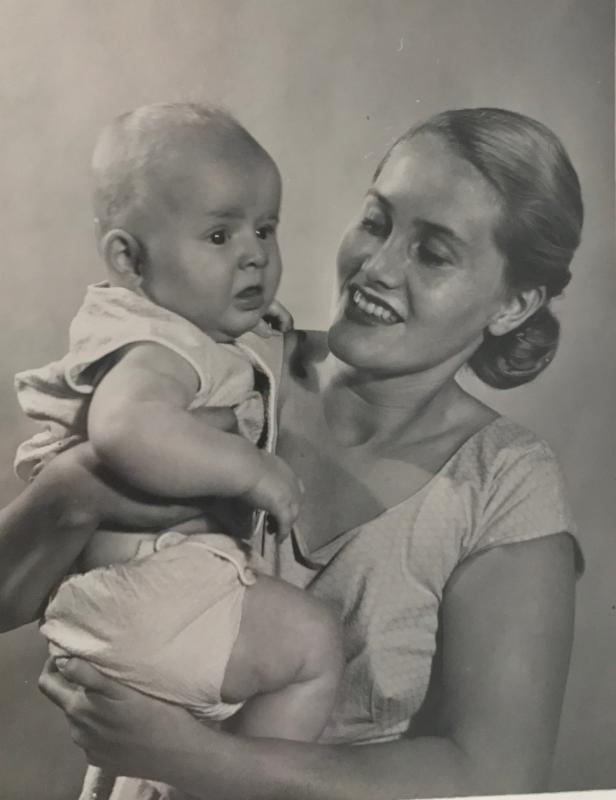
Delphin was made of strong Minnesota iron range stock. Despite the Drowning on Venice Beach 20 years before, Delphin enjoyed Summer life with Stuart. She was overjoyed when Barbara came into their life.
The McClures knew water well. Ore from the McClure mines were shipped from Duluth to Cleveland every summer. The long low ore ships were everywhere on Lake Superior and Michigan.
Lake Michigan, Barbara knew the waters; racing to Mackinaw Island with John by her side. John, who came to her rescue when she lost Bill.
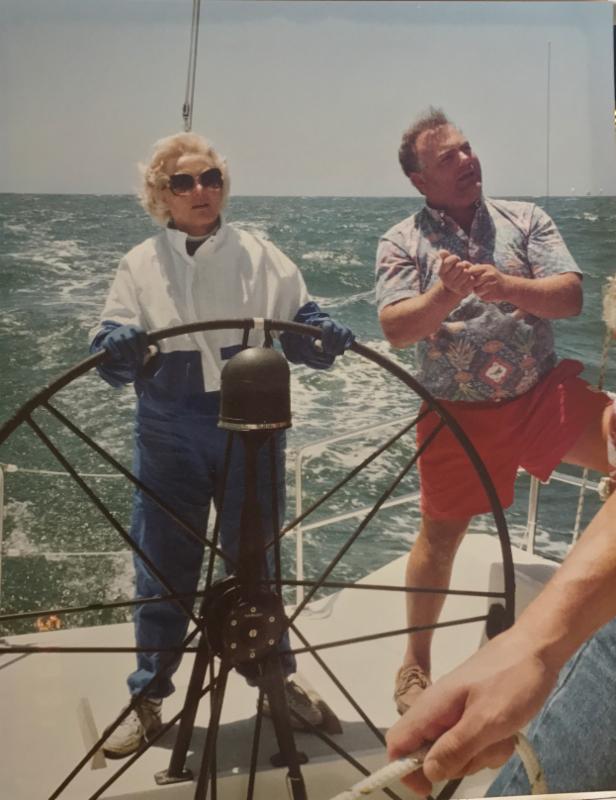
John was with her now. He had just changed the headsail with the crew. The winds were swinging aft as the sun rose. John and Barbara had thousands upon thousands of miles together. The afterguard, 4 experienced sailors, quickly presented the technical aspects of the situation. Water was entering the boat through the new style rudder bearing. The pumps were easily pumping the water out. The sea state and winds ahead were getting better. They had left the cold California waters behind them. Every hour they sailed east the water warmed and the wind shifted aft. In 10 days they would be in Honolulu, welcomed in grand Transpac style.
The afterguard was divided on the seriousness of the leak. Although a racing sailboat was a much more egalitarian vessel than a battleship, Barbara's will was supreme here. The decision to continue or abandon the race was hers and hers alone.
Her parental grandfather, James Newton Cundiff, came to California on horseback from his native Missouri. Newton started out dry land farming in the parched chaparral around Riverside. Irrigation came later with water from the mountains.
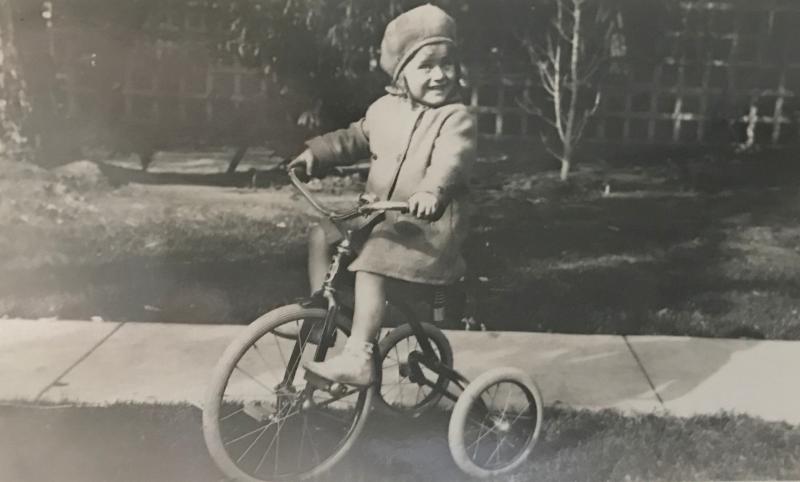
As a 4 year old Barbara rode her tricycle under those same snow capped mountains, adults around her constantly talked about snowpack, rainfall, irrigation channels, and water captains. Those with water rights prospered.
Stuart built dams and powerhouses throughout the backsides of the Sierras. Little Barbara learned the names and head height of every reservoir from King's Canyon to Bishop from her father. When she was away at Stanford, he experimented with cloud seeding. His scientific paper on the subject remains an ultimate authority. Stuart knew how to harness millions of tons of water.
Barbara didn't need to harness a million tons of water today, she just needed to keep the 15 souls on board afloat until they reached Hawaii. Doc Hartley reported 4 cases of incapacitating seasickness, not bad considering the sea state. Barbara could see 2 of the 4 already gamely trying to assist on foredeck. Doc said the other 2 would soon be on their feet.
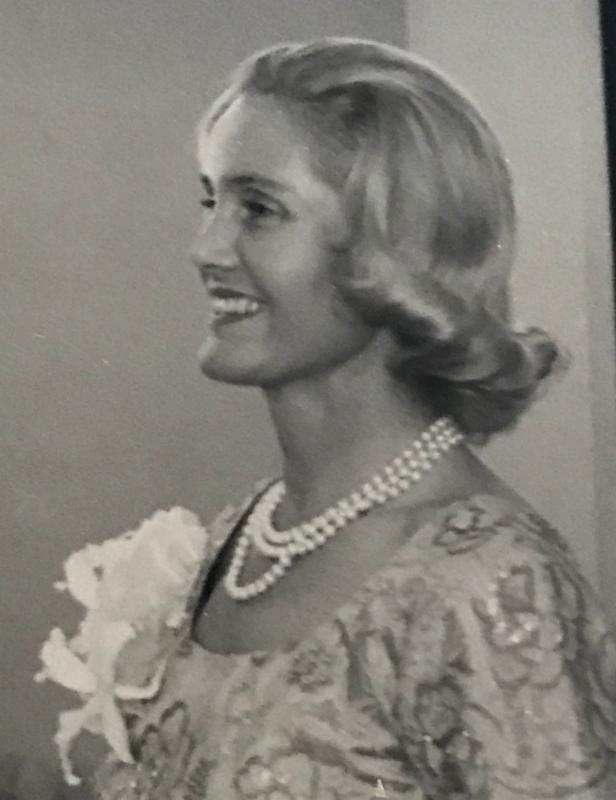
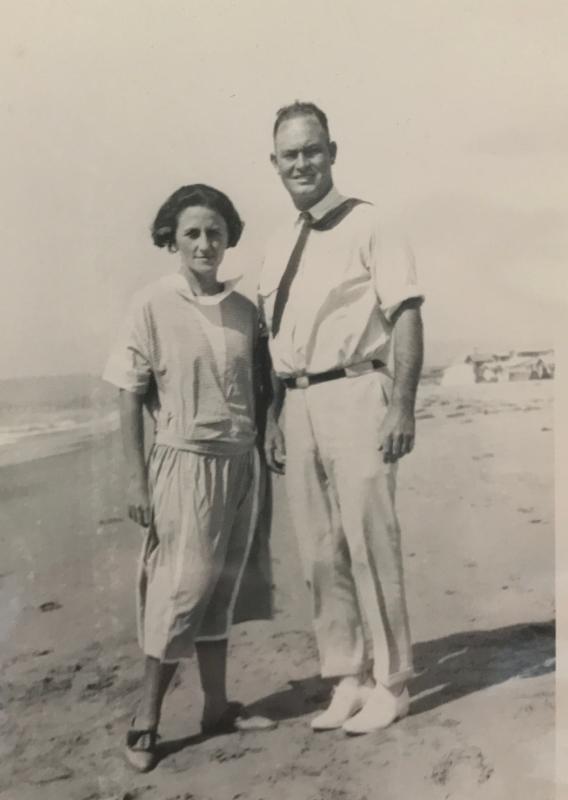
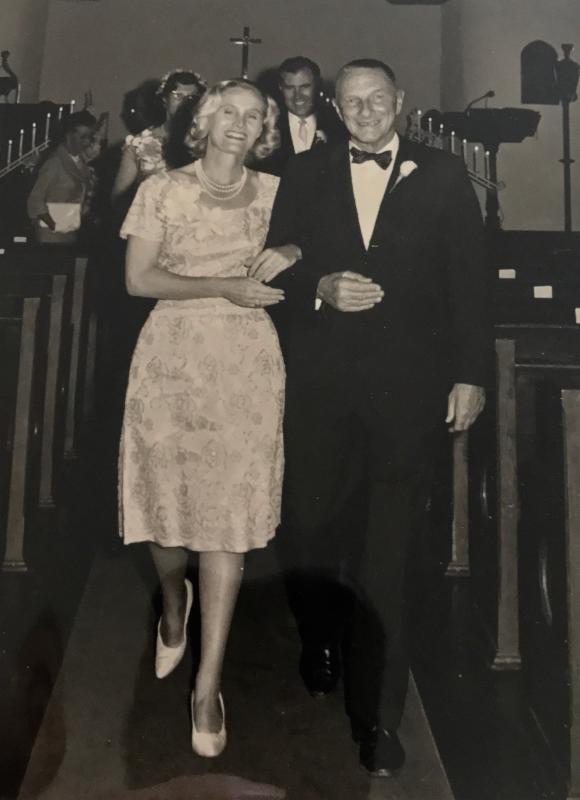
Bill Colville could dance. When Bill and Barbara married in 1965. It was a joyous celebration for everyone. The Cundiff and Colville families had known each other forever. Bill and Barbara knew each other since she was a little girl playing at the club's beach. They had 26 blissful years together.
Bill came out West after grandfather Eli Hendricks made 23 year old Bill administrator of his far-flung estate. Eli was a young Pennsylvania coach rider when he discovered an improved kerosene formula. Eli went on to patent lubricating oils such as "Hendrix Lubricator" (US35753A) and "Plumboleum" (US90100X) which formed the foundation of what eventually became Valvoline.
|
|
|
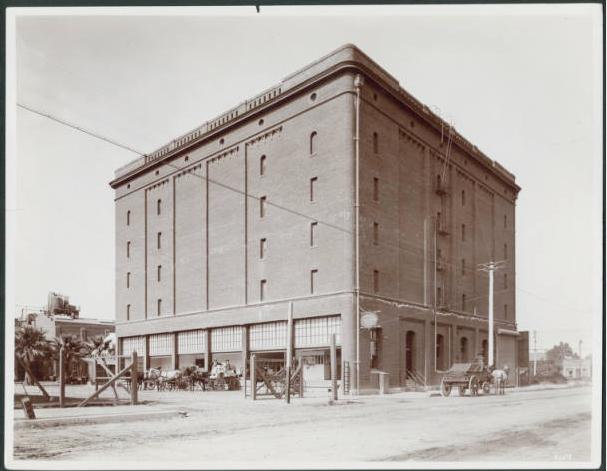
Los Angeles Ice and Storage Company 1902 (building still used for ice today)
|
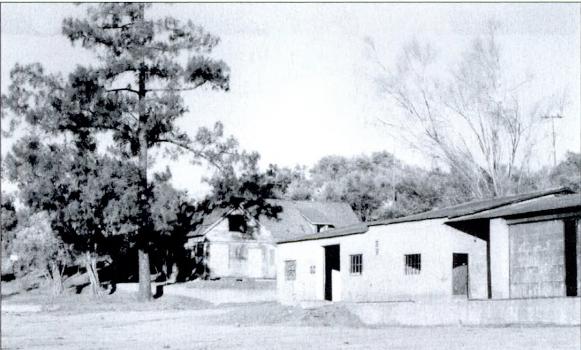
Bill was a reluctant Californian. He only came to Los Angeles to restructure a substantial mortgage made by Eli to the Los Angeles Ice and Storage Company. The Loan was made by Eli to build the largest icehouse in the West. While Bill was restructuring the ice house note, he discovered water being stolen on the 23,000 acre Hendrick Ranch in Riverside.
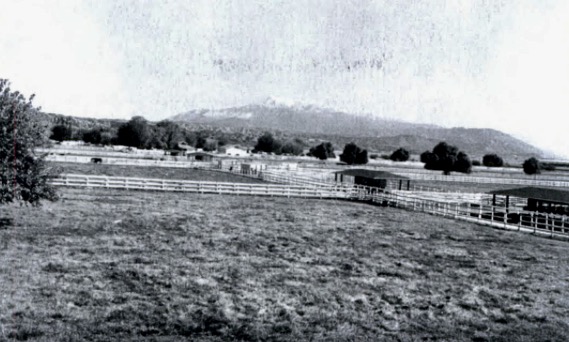
Hendrick Ranch Bunkhouse circa 1940
Gentleman Bill was quickly introduced to a full fledged western water war. Armed ranch hands patrolled vast citrus groves protecting irrigation channels. Fortunately, no one was shot by the time the case was settled by the Ninth Circuit (#5239) in San Francisco in Bill's favor.
Barbara was also familiar with protecting water rights. As heiress to the North Fork Water Company, she fought to return her 32,500 ft/acre rights to Bear Valley water. In 5 decades of litigation, Barbara always prevailed and helped the budding high desert blossom.
Barbara knew the law from her days at Hastings where she was 1 of 6 young women accepted into the law school.
Prevailing over adversity was familiar to Barbara. She listened to the afterguard reports as they returned to the cockpit. Every system, every fitting, every piece of hardware, every line had been thoroughly gone over and found to be sound. The situation was stable as they raced along the wind dark sea towards Hawaii.
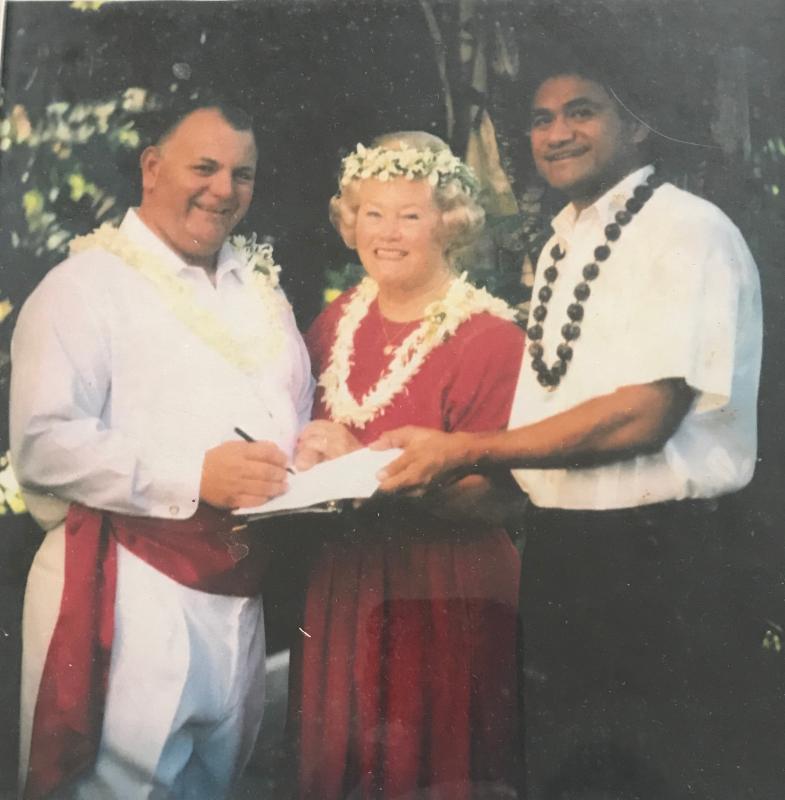
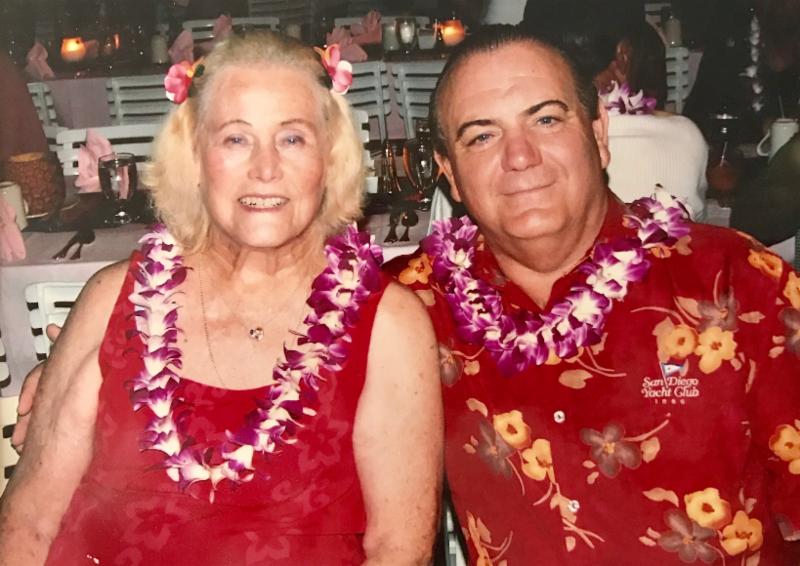
Barbara loved Hawaii. After Bill passed on, John gave her a most wondrous gift when he whisked her off to marry in Honolulu.
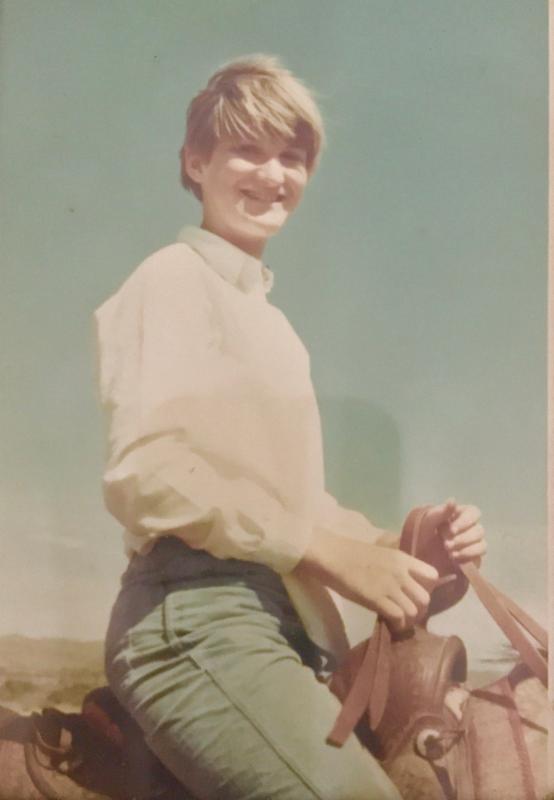
Hawaii was now 10 days away, halfway to Japan. Barbara visited Japan when her youngest, Maryann, was on the world tour of tennis. Maryann enjoyed the outdoors, she was an accomplished rider who loved the landscape around Riverside. Maryann came into her own in in college when she became an All Time Letter winner at USC.
Great athleticism ran in the family, Barbara earned her membership into the Collegian Hall of Fame when she won the Inaugural Bogart trophy for Stanford. Humphrey Bogart and his young wife, Lauren Bacall, presented the trophy to Barbara. They knew each other well. The Bogarts and Cundiffs both summered at Newport Harbor.
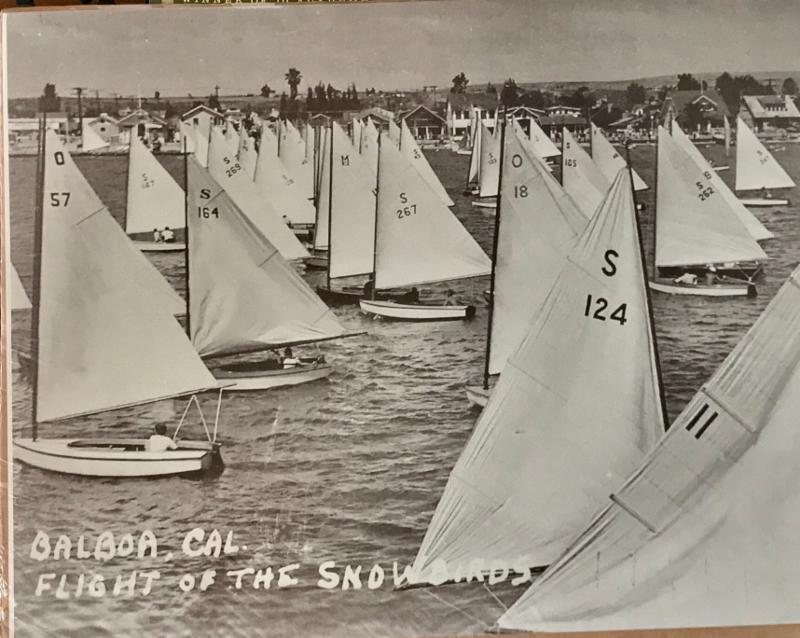
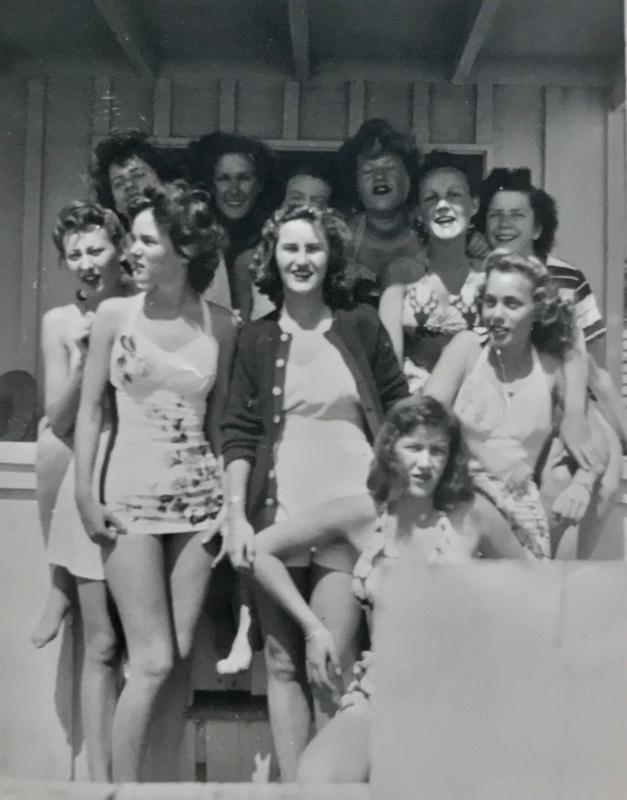
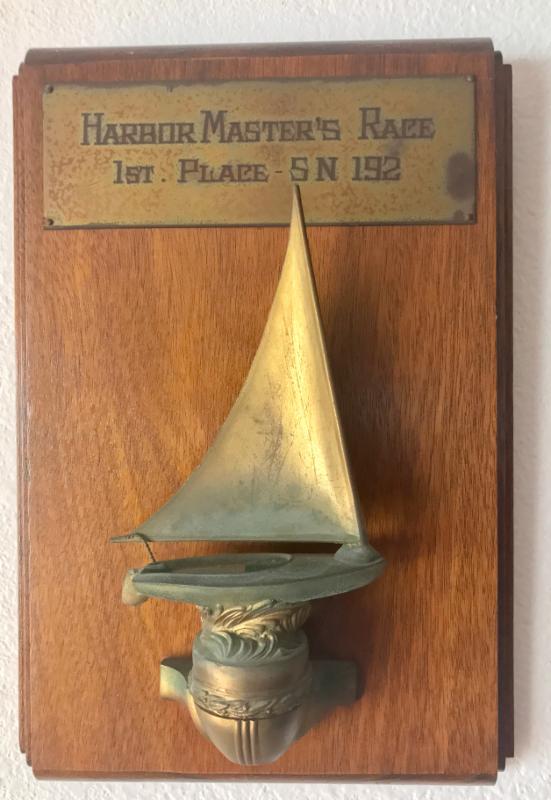
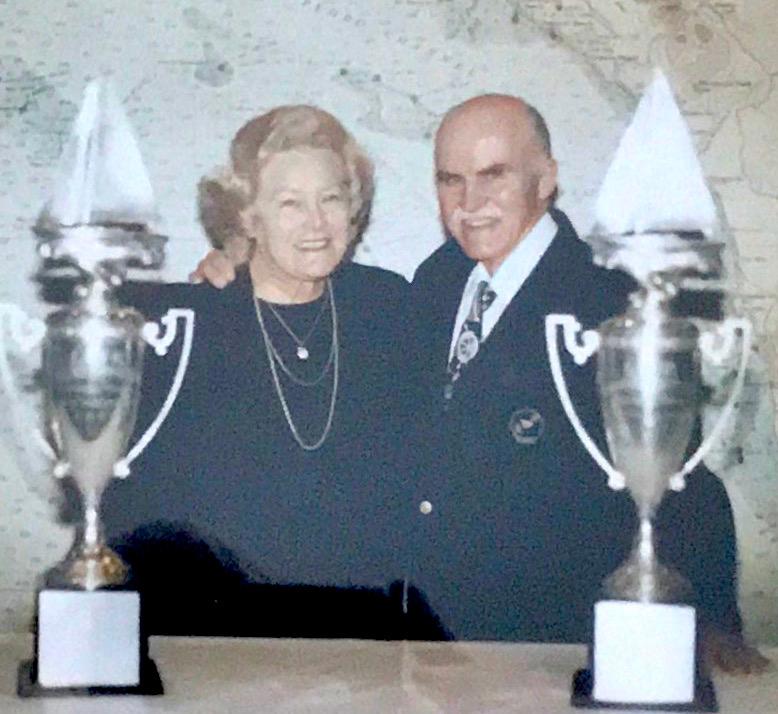
Those were magical Summers. The Cundiff beach house was filled with laughter. Barbara sailed in the Flight of the Snowbirds. She proudly displayed her 1st place Harbormaster Trophy above all others.
This morning, they were racing for a far bigger trophy- Transpac. 2 years ago, as they sailed through Moloka'i Channel, the crew's thousand yard stares turned into joyous smiles. Barbara and John earned a hard fought second place in that Transpac.
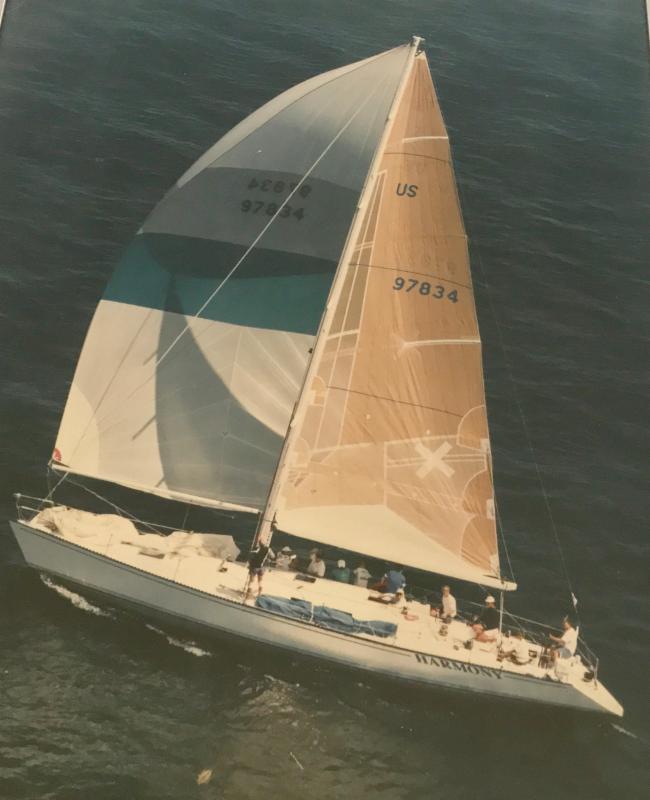
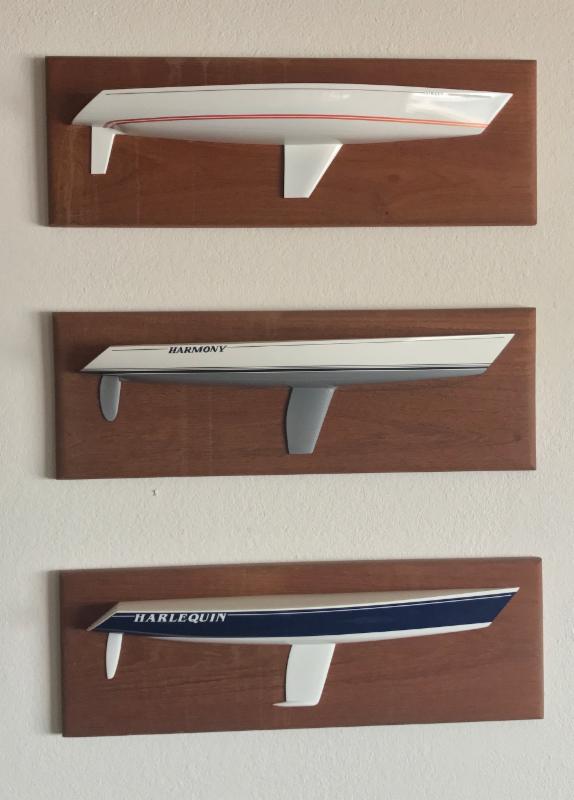
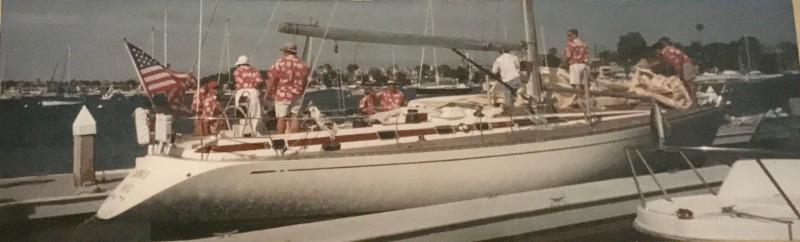
This time, they all wanted a first. Their new boat was the 3rd improved version of the Nelson Marek designed Schock 55.
Barbara and John eventually acquired W.D. Schock Corp. They had prudently launched her six months ago. The sea trials had gone well.
The water leak was a shock. What else might fail? It had been 5 hours since Barbara awoke. The afterguard had examined every inch of the boat. They reported everything shipshape and bristol. 10 days. A small controlled leak. Pumps working. Bucket brigade as emergency back-up. The afterguard was divided. The decision was Barbara's, and Barbara's alone.
Before every race, Barbara would gather the crew together and review the plan. She highlighted her motto, "we sail to finish". Barbara always finished what she started, she didn't ever quit. No one in her family every quit. "We sail to finish".
Now Barbara was faced with a decision. The 8 AM daily radio check-in was only half an hour away. She weighed her options, continue, or abandon.
She informed the afterguard of her decision.
At 0800 the radio crackled with the reports- "SV Harlequin positioned at XXX, taking on water through rudder, abandoning race, returning home under sail". 3 days later when they arrived at the mainland, they learned that a boat off Maryland with the same Harken rudder bearing had sunk.
Barbara had truly "sailed to finish" and finished well.
|