It's Been a Season for the Books
This garden season feels like the Odyssey. One trial after another. If it isn’t the weather, then it’s pests, or a new plant disease, or watering issues, or rampant death…of plants. The past few months have certainly felt more challenging than previous years.
In our gardens, the saga began with our two newest sites, Benedict Fountain Park and SafeHouse Denver. Both were hit by hail just a week or two after we planted. Most of the plants were shredded beyond recognition. The Denver Greenhouse had some spare vegetable plants as did a few of our supporters. These generous donations allowed a group of volunteers to replant BFP. Residents at SH were thankful for the opportunity to replace most of their garden’s plants. Happy to report both gardens have fully recovered and are beautiful and bountiful.
At our South High School garden the water was turned off unexpectedly. We had just planted the garden with the students when we discovered the water, which was on 12 hours earlier, had been turned off. A repair to the back flow was required. Denver Public Schools had no idea when that would happen. After bringing gallons of water daily from our homes and hand watering for five days over the Memorial Day weekend we determined that wasn’t sustainable. Volunteers helped find new homes for all those plants. A month later the same thing happened at our Cory Elementary School garden. The water was turned off without notice, requiring us to hand water for a month and a half.
Graydon’s, our newest sheet mulch garden in southwest Denver, had a pill bug infestation. The rolly pollies ate all the bean, pepper, and okra plants. We replanted, only to have them wipe out the next two plantings. Lesson learned, if there are large chunks of wood in sheet mulch the chances of pill bug problems are much greater. The good news, those little guys are transforming the wood chips into rich soil so next year will be more productive.
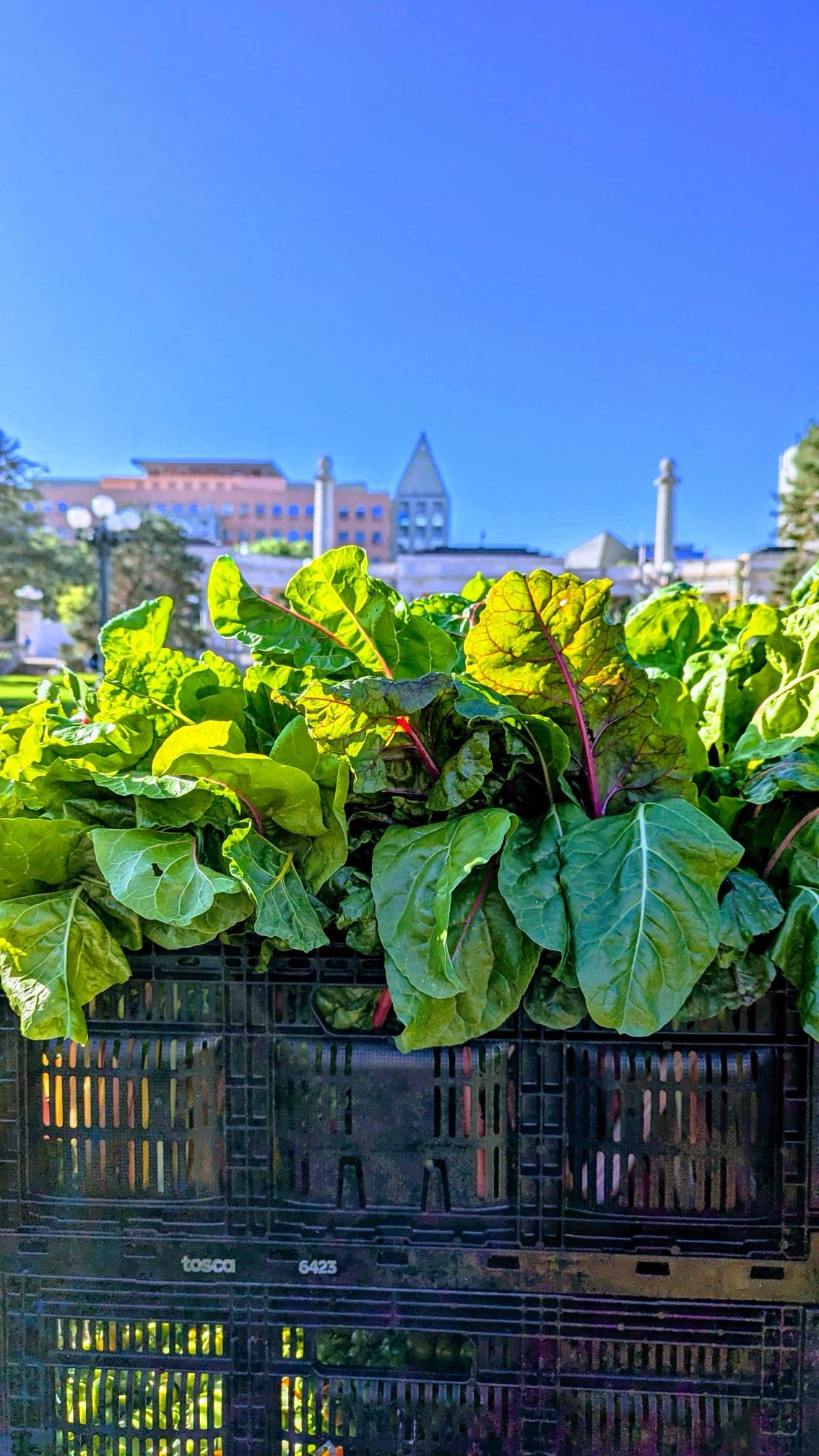
The dry, hot weather took a toll on several plants. Wilted leaves indicated stress caused by the drought. We lost many more tomato plants than we ever have and nearly all of our Swiss chard in the Harvard Gulch garden. And it’s not just our gardens. CSU Extension is receiving many more calls and emails asking about plant diseases and drought damage to gardens.
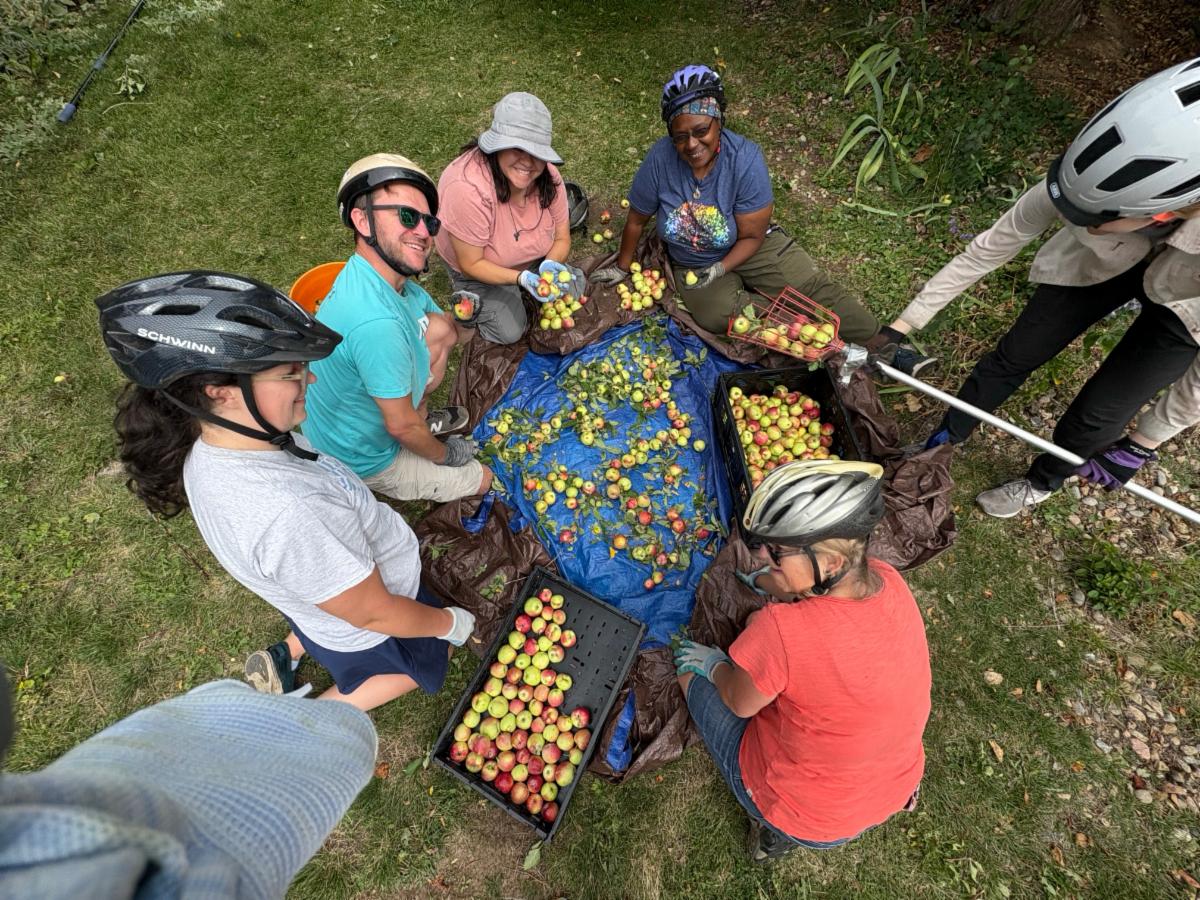
Possibly the biggest disappointment this year is the lack of fruit on the Metro area’s trees. For the past few years, we’ve gleaned an average of over 10,000 pounds of fruit each year. This year we’ll have very little to share with our food relief partners.
In some ways this season has felt like we’ve been adrift for 20 years. The good news, there is always another season. May the next several weeks bring mild weather, few pests, many rain showers, and a bounty in your garden.
|