|
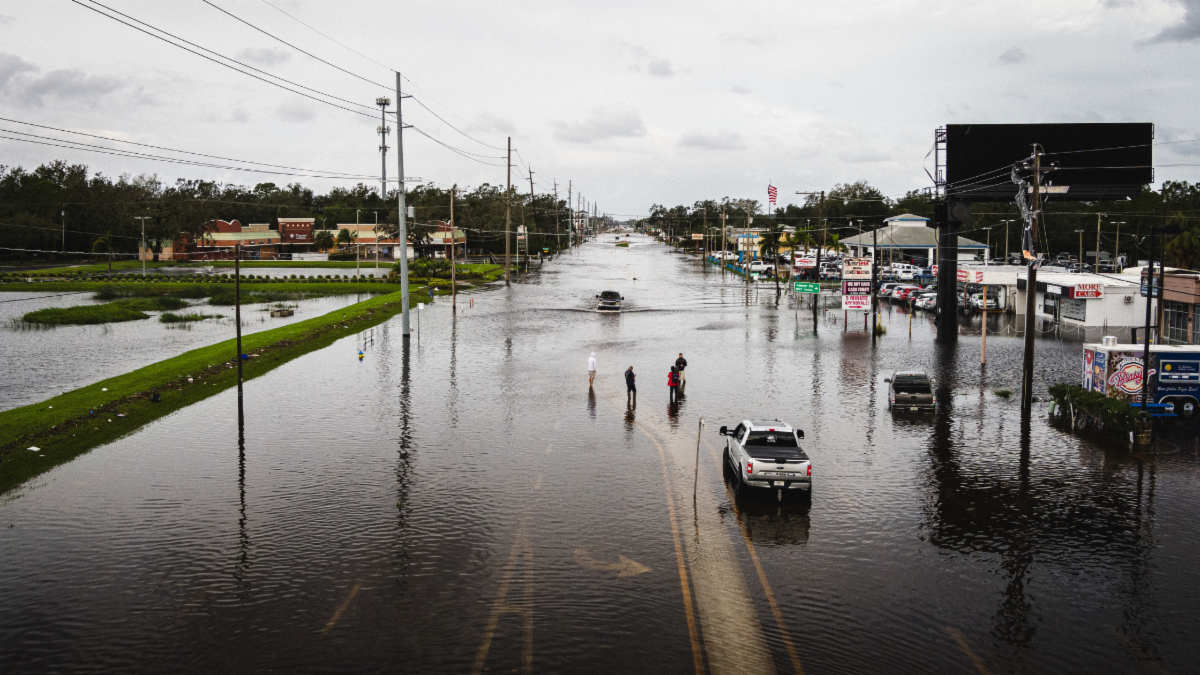
We’ll just say it, it’s been an incredibly hard Fall for Tampa Bay. With our community experiencing the back-to-back challenges of Helene and Milton, each and every Floridian has felt the impact of this hurricane season. So much has been lost, whether you experienced that loss directly or are witnessing its impact on your loved ones and neighbors. While the physical recovery from storms tends to start right away, repair of our mental health and well-being can take longer and is often left out of the conversation.
Facing a single storm brings the dual stresses of vigilance and preparation, but this year’s storms felt different. From sitting in anticipatory stress about yourself, those you care about, your home, and your community to navigating post-storm loss and damage, it has been a lot to handle. However you are feeling: grief, anger, overwhelm, or some combination of these and other emotions, know that it’s completely normal and a valid response to what our community is going through right now.
You’re not alone and you don’t have to do this alone, there is support available. If you or a loved one needs emotional or tangible support after the storms, here is our list of curated resources and tips to support your mental health through disaster:
Seeking help when you need it
If the stress and anxiety are too overwhelming to manage on your own, it’s important to seek additional support. Here are some resources that may be helpful:
- SAMHSA Disaster Distress Helpline: If you’re in distress or need immediate support, call or text 1-800-985-5990 for 24/7 crisis counseling.
-
Mental Health America Crisis Resources: Access here for a comprehensive list of support services.
-
FEMA Recovering From Disaster Guide: A quick-reference pdf with practical tips for personal safety, property recovery, emotional coping, and how to get involved. If you are supporting children, there is a thorough, age-appropriate guide on how to do so.
-
APA Guide to Recovering Emotionally from Disaster: Read here for support in normalizing your feelings and simple practices to help support yourself and move forward.
-
CDC Disaster Coping Portal: Visit here for advice on managing disaster-related stress. This page also has excellent toolkits for children, teens, and first responders.
-
Ready.gov Disaster Recovery Resources: Learn more about steps you can take as you return home and rebuild, and visit here for information on how to recognize and support yourself and your loved ones through disaster-related stress.
- Tampa Bay Thrives has gathered helpful resources to support your mental health post-disaster. We will continue to update this list as more support becomes available. You can view the current resources here.
|