| |
Florida Legislature
Week 2
Healthcare Highlights
Recap of "Capitol Conversations" as we ADVOCATE in 2025
| |
SB 890 - Improving Screening for and Treatment of Blood Clots
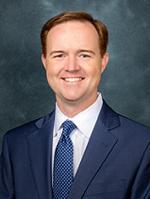
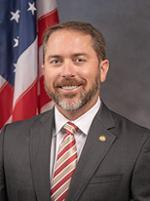
Senator Clay Yarborough, R Jacksonville
Enhances screening and treatment protocols for blood clots and pulmonary embolisms in Florida healthcare facilities and establishes a related registry.
- Amends legislative findings to include chronic critical illnesses and genetic predispositions for blood clots in chronic diseases.
- Creates a Blood Clot and Pulmonary Embolism Registry, mandating state healthcare facilities report specific patient data.
- Specifies confidentiality and use limitations for personal data in the registry, allowing certain disclosures for epidemiological and medical research.
- Allocates funds specifically for the registry's setup, maintenance, and data quality.
- Requires high-risk facilities to perform initial risk assessments for blood clots upon patient admission and mandates ongoing staff training.
- Updates training protocols for nursing home staff to include recognizing symptoms of blood clots and emergency response techniques.
- Revises assisted living facility standards to include identification and response protocols for residents at risk of developing blood clots.
- Adds blood clot risk identification and response to core training requirements for assisted living administrators.
Bill Analysis
| Members voiced concerns about the bill’s definitions, training requirements, and facility protocols – particularly around how certified nursing assistants and assisted living facilities would identify and respond to blood clots – while expressing support if refinements were made. The measure ultimately advanced unanimously, with the sponsor pledging further amendments to address these issues | | FAVORABLE by Senate Health Policy - 2 remaining committee stops | |
SSB 942 - Invalid Restrictive Covenants in Health Care
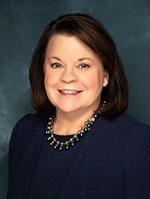
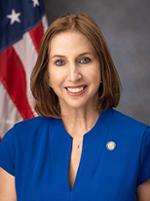
Senator Colleen Burton, R Lakeland
The bill provides exceptions from the prohibition for restrictive covenants related to research, related to physicians whose individual compensation is $250,000 per year or more, or related to physicians who have an ownership interest in a medical business, practice, management services organization, or entity of any kind who sells a specified type of related asset.
The bill specifies that its provisions apply to restrictive covenants entered into on or after July 1, 2025.
Bill Analysis
| In committee, members discussed how the bill’s $250,000 salary threshold would influence restrictive covenants, weighing concerns about the continuity of patient care and young physicians’ ability to establish a practice versus the protection of small, privately owned offices. Questions centered on whether physicians terminated without cause or who cross salary thresholds mid-contract should remain locked into noncompete agreements, with some senators seeking further consideration of discipline-related exceptions. | | FAVORABLE by Health Policy - 2 remaining committee stops | |
SB 294 - Collaborative Pharmacy Practice for Chronic Health Conditions
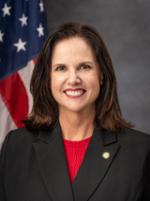
Senator Gayle Harrell, R Stuart
SB 294 amends s. 465.1865, F.S., relating to collaborative pharmacy practice agreements. Under current law, collaborative pharmacy practice describes an arrangement in which a physician authorizes a pharmacist to provide specified patient care services relating to chronic health conditions to one or more of the physician’s patients. The bill provides that the term “chronic health condition” does not include heart failure, coronary heart disease, and cardiac rhythm disorder.
Bill Analysis
| Senator Harrell explained that the bill prevents adding complex cardiac conditions to collaborative pharmacy practice protocols. Support came from medical groups emphasizing physician oversight for such complex conditions, and no opposition was voiced. | | FAVORABLE by Senate Rules -No remaining Committee stops | |
SB 110 - Rural Communities
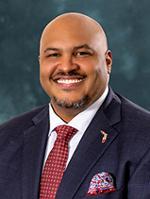
Senator Corey Simon, R Quincy
To further healthcare access in rural communities, the bill:
- Creates the Stroke, Cardiac, and Obstetric Response and Education (SCORE) Grant Program within DOH
- Creates the Rural Access to Primary and Preventative Care Grant Program (RAPP-C) program within the DOH
- Expands the existing Rural Hospital Capital Improvement Grant Program (RHCI)
- Amended to add Board Certified Emergency Physicians working in Florida's rural hospitals to the Medical Student Loan Repayment Program (FRAME)
Bill Analysis
| Known as the Rural Renaissance and priority of Senate President Ben Albritton | | FAVORABLE by Senate Fiscal Policy -No remaining Committee stops | |
SB 668 - Storage and Disposal of Prescription Drugs & Sharps
Senator Danny Burgess, R Zephyrhills
Requires the Department of Health, in collaboration with the Department of Environmental Protection, to study and assess the safe collection and proper disposal of sharps used in home healthcare.
Requires a comprehensive report on the study's findings and recommendations, including evaluations of collection methods, current local practices, and possible statewide implementation costs, to be submitted by July 1, 2026.
Bill Analysis
| | In the discussion, Senator Berman (D) highlighted the increasing use of sharps, such as Ozempic injections, and queried how both individual and commercial disposal would be addressed, while Senator Burgess (R) emphasized the bill’s aim to resolve conflicts between state and federal law to ensure safe, efficient prescription drug and sharps disposal. No opposition was raised. | | FAVORABLE by Senate Fiscal Policy - 2 remaining committee stops | |
HB 1119 - Health Care Patient Protection
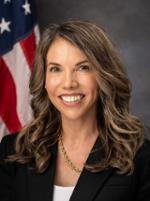
Rep Vanessa Oliver, R Punta Gorda
Improves pediatric readiness in hospital emergency departments (EDs), the bill requires the AHCA, in consultation with the Florida Emergency Medical Services for Children State Partnership Program, to adopt rules that establish minimum standards for pediatric patient care in hospital EDs.
Requires all hospitals with EDs to develop and implement policies and procedures for pediatric patient care, and to designate a pediatric emergency care coordinator.
Requires all hospital EDs to conduct the National Pediatric Readiness Assessment every five years. Each hospital ED must submit the results of the assessment to AHCA, and AHCA must publish the results of the assessment score for each and provide a comparison to the national average score.
Bill Analysis
| During the discussion, members emphasized the importance of ensuring that emergency departments are prepared to treat pediatric patients, raised questions about integrating new protocols into existing hospital systems, and ultimately signaled unanimous support for enhanced pediatric care standards. | FAVORABLE by HC Facilities & Systems - 1 remaining Committee stops | |
HB 883 - Advanced Practice Registered Nurse Autonomous Practice
Rep Jason Shoaf, R Port St Joe
The bill authorizes a psychiatric nurse registered for autonomous practice to engage in the practice of psychiatric mental health services, as defined by the Board of Nursing, without an established physician protocol.
Psychiatric nurses are licensed APRNs who hold a master’s or doctoral degree in psychiatric nursing and a national advanced practice certification as a psychiatric mental health advanced practice nurse.
Bill Analysis
| In the Health Professions & Programs Subcommittee meeting, members examined whether psychiatric APRNs should practice autonomously to address mental health needs, posing questions about scope expansion, patient safety, and oversight. The debate included personal stories and concerns about physician supervision, with the bill ultimately passing. | FAVORABLE by Health Professions & Programs - 1 remaining Committee stops | |
HB 519 - Administration of Controlled Substances by Paramedics
Rep Robin Bartleman, R Weston
- Specifies that certified paramedics can administer controlled substances but only under direct supervision and during emergency services, ailing state law with federal law.
Bill Analysis
FAVORABLE by Health Health Professions & Programs- 1 remaining committee stops
| |
HB 231 - Pub. Rec./Medical Examiners
Rep Kim Kendall, R
- Defines "medical examiner"
- Establishes a public records exemption for the personal identifying and location information of current and former medical examiners, along with their spouses and children
Bill Analysis
FAVORABLE by Criminal Justice -2 remaining committee stops
| |
|
Gov. DeSantis administration missed self-imposed deadline for hospital immigration data
| | | | Report: 'Broke' Florida insurance companies moved money; watchdog organization asks how? | It started with a shocking report revealing Florida insurers were shifting millions to their executives, shareholders and out-of-state operations... all while claiming to be losing money. | | | | |
New hemp regulations geared toward marketing take hold in Florida Wednesday | Hemp industry advocates say clarity on product stipulations have been long overdue. | | | | |
Ben Albritton says Florida is in the fight to help autistic kids as bill clears Senate
| | The bill expands early intervention services, funds summer camps and incentivizes training for providers who work with kids. | | | | HC Bills on Agenda NEXT WEEK | | | |
May 2
END of the 2025 Legislative Session
| | |
Was this email forwarded to you and you want to join our email list?
| | | | | |