| |
This week's LIO is all about UN SDG #7 - Affordable and Clean Energy. In order to reach the goals outlined in the SDGs, ensuring that everyone has access to modern energy sources that are affordable, reliable, and sustainable is a critical step that we need to achieve. Every sector - from education to agriculture to medicine - requires well-established energy systems for support. How we choose to produce and consume our energy can have great impacts on the environment. For decades we have relied on sources such as coal, oil, or gas - that have produced large amounts of greenhouse gases and have impacted the well-being of the environment. We need to step up efforts to switch from using fossil fuels – the biggest cause of climate change – to clean, renewable energy.
As global energy consumption continues to rise, we need to think about how we can build energy systems that are more affordable and sustainable to ensure that everyone can have access to the energy they need without harming our environment. The activities below challenge students to think critically about where our energy comes from and how we can work towards achieving renewable and sustainable forms of energy!
| | |
Through a variety of activities, students learn about different sources of energy and the amount of energy that they consume every day.
Activities
-
Watch Going Green with D-rop: Energy, then draw a picture showing three things you can do for fun that use no electricity at all
-
Ask students to define energy and identify the different types that exist. Using the provided pictures and information, explain how energy is produced by wind, solar, oil, and coal
-
Students can learn the difference between renewable and non-renewable energy using the activity Electricity and the Environment
-
Who has Seen the Wind teaches how energy in the form of wind can can act other objects to cause motion
-
Create a drawing of your family as energy heroes making wise energy choices at home
- Make turn off signs for the light switches in your home
| |
| What did you think of Our Environmental Footprint: Looking at Energy? | | | | |
This resource consists of six lessons to help students to gain a deeper understanding of the basics of energy, energy sources, the connection between climate change and energy, the importance of energy efficiency and renewable energy as critical solutions. Students use the concepts learned to design a low-carbon dream school.
Activities
-
Use this digital poster education kit to teach students how our use of energy relates to climate change. Students are encouraged to look at their own lives and examine where they can make changes to reduce their use of energy
-
Get outside and play You're it and learn more about the various forms of energy
-
Complete the Does it Matter if the Climate Changes activity. Students use the Climate Change Impacts worksheet to work through the list of potential effects climate change may have on plants, wildlife, human health, jobs, settlements, recreation and transportation
-
Complete the activities in Energy and the Environment to help you learn about ways to conserve energy and the environment
-
The second edition of Energy and the Environment focuses more on learning about climate change and energy
-
Go on an Energy Walk to find out sources of renewable energy in your community
-
Assess students’ understanding of thermal energy with the Thermal Energy at Home game
| |
| What did you think of Experience Energy? | | | | |
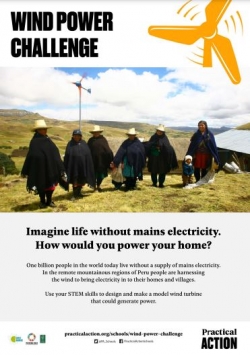
The Wind Power resource is an exciting hands-on STEM challenge for students. The main goal of this lesson is to enable students to look at a problem faced by communities that don't have access to electricity, and to then make their own model of a simple wind turbine as a solution. Students learn how small-scale wind turbines have changed people’s lives, as with a supply of electricity people are able to light their homes, their school and run small businesses.
Activities
| |
| What did you think of Wind Power Challenge? | | | |
| | |
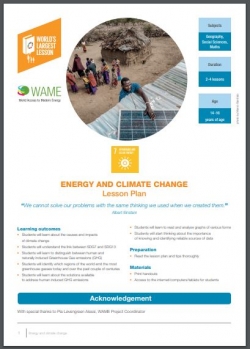
In this resource, students learn about the causes and consequences of climate change, the difference between human and naturally induced greenhouse gases, the relative amounts of greenhouse gases produced in different regions of the world, and the solutions available to address human GHG emissions.
Activities
-
The lesson plan Energy and Climate Change has students explore the connections between climate change and our energy consumption
-
Carbon in My Life introduces students to how carbon dioxide is produced in the various ways we go about our day. Students complete a survey to consider simple actions and if CO2 is produced or involved in any way. They will identify ways in which they could practice energy conservation by lowering their carbon impacts, or carbon footprint
- Discuss what your school or community needs to do to be more energy-efficient and how you can help mitigate or adapt to the impacts of climate change
-
Organize a Lights Out Day at your school. Commit your school to spend one whole day with the lights off or complete the event at home
-
Have students calculate the electricity they use with Measuring Electricity Use
| |
| What did you think of Energy and Climate Change? | | | |
About Learning Inside Out
Above you will find a selection of activities, broken down by various grade levels. These guides will be released weekly and archived on our Learning Inside Out page, so you can always access the full catalogue.
All activities have been modified from resources on our R4R database, simplified and adapted for both outdoor learning in the school yard or at-home as needed. The activity descriptions above should contain all the information and links that you need!
If you'd like to view the full original resource on R4R, including curriculum connections for every province/territory, click the activity title.
We want this guide to work for you, so your feedback is invaluable to us.
Use the feedback button at the bottom of this Guide, or email us at info@LSF-LST.ca. We would also love to see photos of students engaging in the activities, please e-mail us any pictures or videos you have!
| | Let us know how this helped your learning and teaching from home or at school indoors and (hopefully) outdoors and what you'd like to see more of by filling out our brief feedback form! | | | Follow us on social media for continued weekly highlights & other exciting opportunities through the school year! | | Please share widely with any parents and teachers in your life! | | Learning for a Sustainable Future (LSF) is a Canadian charity with over 25 years of experience working within the education system. Our Resources for Rethinking (R4R) database is an award-winning collection of resources that are peer-reviewed by certified teachers and connected to curriculum in all provinces and territories. R4R is recommended on many Ministry of Education websites. | | | | |