|
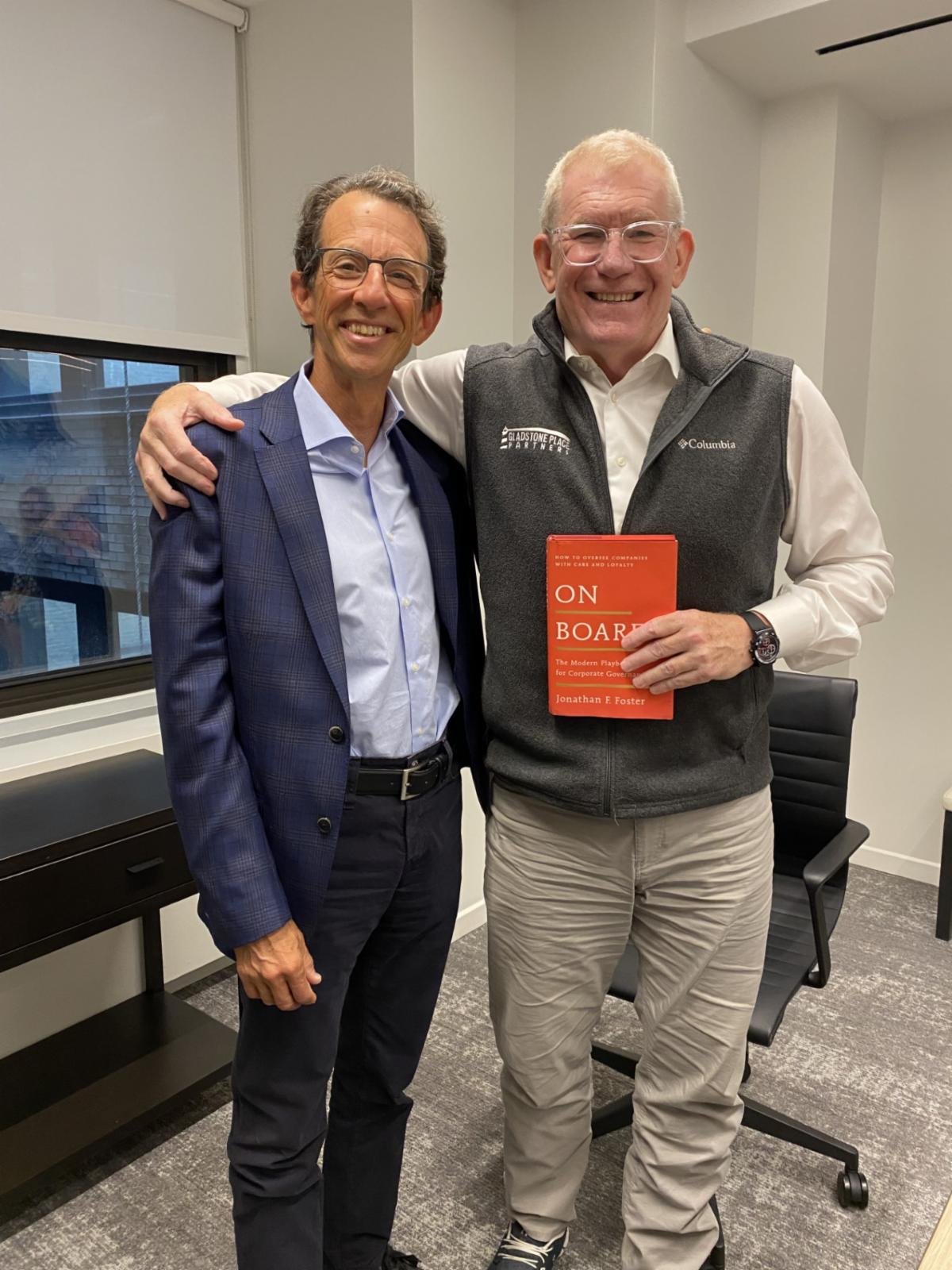
This week, GPP enjoyed a Lunch-and-Learn with longtime friend-of-the-firm Jonathan Foster, whom we met during his long reign at Lazard. Jon runs an M&A and consulting shop, Current Capital Partners, and has become not just an M&A expert but an experienced independent director sitting on 50+ corporate boards (public and private).
He has penned an excellent new book, “On Board: The Modern Playbook for Corporate Governance,” which highlights what good governance really looks like. Our conversation ranged from Jonathan’s personal anecdotes from boardrooms he has sat in to the much-publicized recent Coldplay concert scandal. (Answer: Integrity matters.)
Fresh off recent mentions in DealBook and Puck News spotlighting the book, Jonathan made time to be interviewed by this award-winning newsletter.
Q: What are the characteristics of a great CEO?
Having worked with hundreds of different executives, first as an investment banker and then on various boards, I’ve seen firsthand what sets the best apart. A great CEO has a clear, strategic vision with the ability to execute and deliver on it. Beyond that, it is just as, if not more, important how a CEO leads: with integrity, empathy and thoughtfulness. Things will go wrong, that is true even at the best companies, but great leaders respond with transparency, resilience and collaborate with all their stakeholders. And remember, if the CEO is not performing, everyone is replaceable!
Q: What about for board directors?
The CEO works for the Board, not the other way around. Boards need to oversee but not manage the CEO or day-to-day operations. I think it is important to have a “nose in, fingers out" approach and a good board should listen before it speaks. Directors should be assertive enough to hold their CEOs accountable and make sure they are setting the right tone from the top.
Q: While it is something I’m sure you would like to avoid, when do you decide that it is time to replace a CEO?
You can tell when a CEO is going stale—there’s bad financial performance, the next level is getting restless and the strategy isn’t working. Part of knowing when it is time to make a change is the CEO’s engagement with the company and that is usually pretty easy to spot. I would rather have a B+ CEO who is 100% engaged than an A+ CEO who is only 80% engaged.
Q: What do you think of the recent DEI backlash? And what are your thoughts overall on boardroom diversity?
Diverse groups make better decisions. That’s a fact. However, it is much more important for employees at a company to see diverse people on the management team, including the CEO, rather than see diversity amongst a group of nine directors who show up to the boardroom five times a year to meet with the CEO.
Q: How can communications impact a Board’s reputation?
At their core, public companies are telling stories to their stakeholders. Unfortunately, there aren’t enough communications people in the room, which is a missed opportunity that makes it harder for companies to tell those stories. In fact, on all the boards I have sat on, no PR or comms advisor ever came to present or give an update to the board. Part of being on the board is knowing that if you don’t have enough reps, then you need outside help and the lack of communications advice currently being given to corporate boards is an example of room for growth.
Have a great weekend,
GPP
|