FEBRUARY 16, 2026

GUEST ARTICLE

WE ENERGIES PROPOSAL WOULD HARM RESIDENTIAL & SMALL BUSINESS RATEPAYERS

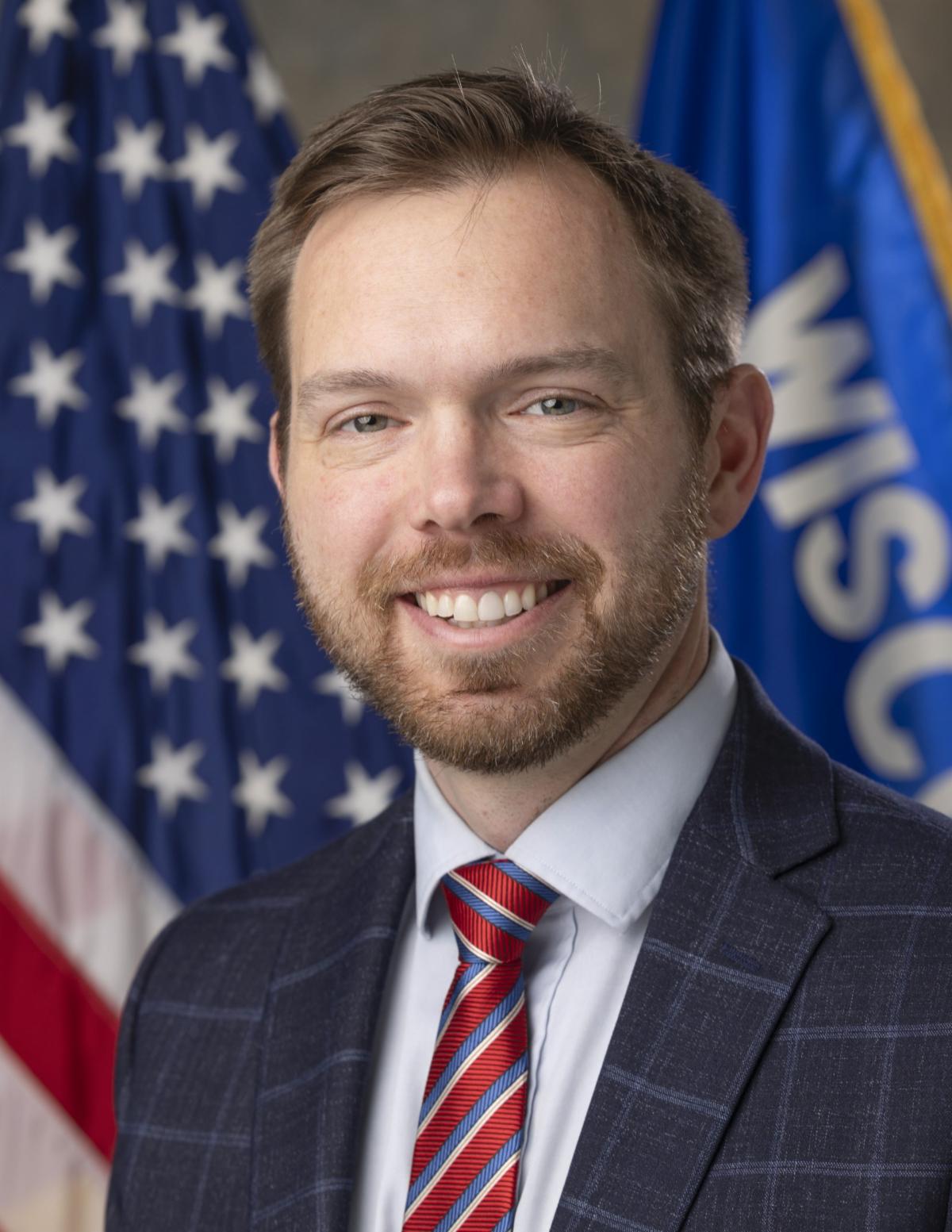
By: Representative Adam Neylon

Last week, I submitted testimony in opposition to We Energies’ proposal creating Very Large Customer and Bespoke Resources tariffs for data centers. 


Wisconsin supports economic development, but it must be pursued responsibly. Regulators have a duty to protect ratepayers from unreasonable costs and financial risk. This proposal fails that standard for three reasons. 


First, the 500-megawatt threshold for “very large customers” is far higher than standards in most states, where special tariffs often apply at 70–100 megawatts or even lower. Setting the bar so high risks excluding large loads that still significantly impact the grid and ratepayers. 


Second, the proposed “capacity only” option shifts costs and risk. Data centers would pay just 75 percent of new plant construction costs, while other customers would cover the remainder and all ongoing fuel costs. Many of these facilities would not be needed but for data center demand. All generation, fuel, and transmission costs should be fully assigned to the customers creating the demand. Wisconsin families and small businesses should not subsidize highly profitable energy users. 


Third, the proposal lacks adequate guardrails. It does not guarantee full cost responsibility, zero cost shifting, or strong exit protections. If a data center downsizes or leaves, stranded costs could fall on other customers. 


I urge the Public Service Commission of Wisconsin to reject or substantially revise this proposal to ensure full protection for Wisconsin ratepayers. 


Editors note: the Public Service Commission and other groups have also come out critical of the WE Energies plan. In official testimony, WE Energies claims that "both the VLC Tariff and Bespoke Resource 3 Tariff hold Wisconsin Electric’s non-participating customers and shareholders harmless.” See the excerpt from last week's Midweek Moment Podcast for more details on why that may not be the case.

NEWS FROM THE CAPITOL AND AROUND WISCONSIN

LAST WEEK'S MIDWEEK MOMENT: OUR EDITORIAL ON THE WE ENERGIES PROPOSAL

In other news, the utilities are continuing to request massive spending on infrastructure to be ready for the data center revolution and how it’s going to get paid for.


They’re promising that these projects won’t increase rates for residential customers and that the data center companies will foot the bill. These are the same companies that asked for a modest 19% increase in residential rates just a few months ago.


I do believe that actions speak louder than words, don’t blame me if I hesitate to take you seriously, because I have to believe that the thing your're most serious about is 6% growth for your shareholders.


Well, the energy company’s plan is to make data centers pay for 75% of the cost of new power plants. This sounds like more government math to me because if estimates are correct and data centers will double the overall power demand, guess who is going to have to pony up the other 25%?


There have been public promises made that none of the cost of the build out for data center demand will shift to the businesses and homeowners and renters!


Between Milwaukee Public Schools and the monopoly power companies, I am seeing a clear trend. If they are too big to fail, and they know that there is no one that can follow through on actual, meaningful consequences for their horrible behavior. Too big to fail means too big to care ... about you or what you think.  


This is just a sample of the weekly blunt takes on Wisconsin issues you can find in the Midweek Moment Podcast. Listen on YouTubeSpotifyiHeart, Amazon Music or click the button further down in the newsletter.

THE COURT SYSTEM CONTINUES TO DECLINE AND COST TAXPAYERS

Recent reporting shows Milwaukee County has a backlog of more than 10,000 pending felony matters, a figure that now exceeds even pandemic-era peaks. Of those, roughly 7,000 cases have been charged but remain unresolved, while nearly 3,000 cases are still awaiting charging decisions. These numbers are not just administrative curiosities, they represent thousands of cases moving slowly through a system funded by Wisconsin taxpayers.


Unfortunately, this isn't only a Milwaukee problem. Wisconsin courts are still struggling with delays, years after the pandemic disruptions. Data from the Wisconsin Law Journal showed the median time to resolve felony cases has stretched to approximately 252 days, roughly two months slower than historical norms. Only about half of criminal cases statewide are resolved within six months, showing that delays have become systemic rather than exceptional.


One of the newest issues is the sheer volume of evidence. The volume of posts per social media platform, messaging apps, texts and photos have exploded. Those reviews may happen for multiple persons per case. Beyond that, there may be hours of body cam footage, dashcam footage, security video from cameras or doorbell cams. These few examples alone could be hours upon hours of review and processing.


Backlogs create a simple but costly chain reaction. Every unresolved case continues to consume public resources: prosecutors, public defenders, judges, clerks, law enforcement personnel, courtroom staff, and administrative support. Cases that once might have moved through the system efficiently now remain active for months longer, increasing personnel costs without delivering additional public value. In cases involving pre-trial detention, delays may also increase jail costs, one of the most expensive line items in county budgets. Even modest increases in average case duration can compound into millions of dollars in additional expenditures when multiplied across thousands of cases.


For taxpayers, longer timelines translate directly into higher operating costs.


Staffing pressures further complicate the situation. Milwaukee’s District Attorney’s Office reportedly operates with staffing levels similar to those of nearly 30 years ago. Public defender shortages, also widely documented, exacerbate delays by forcing adjournments and prolonging proceedings.


The backlog also generates less visible economic effects. Victims wait longer for closure. Defendants face prolonged uncertainty that can affect employment and housing.


Still, from a taxpayer perspective, the situation remains the same. Government inefficiency drives up the price tag.

THE QUIET FISCAL WIN:

WI'S UNEMPLOYMENT TRUST FUND

When we hear about the good fiscal health of Wisconsin, we typically hear about the budget surplus. We hear about how Wisconsin is the only state with a fully funded pension plan (which is the biggest threat and burden to all the fiscally struggling states like CA and IL). One important & underappreciated part of Wisconsin’s economic and fiscal health receives far less attention: the Unemployment Insurance Trust Fund.


The Trust Fund operates as Wisconsin’s unemployment safety reserve. Employers pay state unemployment taxes into the fund, and those dollars finance benefits for workers who lose jobs. During recessions or economic slowdowns, benefit payments increase as layoffs rise. States with insufficient reserves must borrow from the federal government, which typically leads to higher employer taxes later.


Wisconsin’s most recent financial summary tells a very positive story.


As of December 31, 2025, the Trust Fund balance exceeded $2.1 billion, placing Wisconsin on Schedule D — the lowest unemployment tax rate schedule permitted under state law. This strong balance did not trigger higher taxes; rather, it produced meaningful savings for employers across the state.


More than 95 percent of Wisconsin employers paid unemployment tax rates below 4 percent, while more than half paid rates below 2 percent. Overall, employers saved an estimated $50.5 million in payable taxes during 2025. Even more encouraging, tax rates decreased or remained unchanged for nearly 58 percent of employers.


These numbers represent more than administrative bookkeeping. Employer taxes inevitably ripple through the economy. Higher business costs can suppress hiring, constrain wage growth, and place upward pressure on consumer prices. Stable and predictable tax structures help businesses plan, invest, and grow.


Wisconsin’s Trust Fund strength also reduces risk. States forced to borrow during downturns often face sudden tax increases precisely when businesses are least able to absorb them. Maintaining strong reserves helps prevent crisis-driven policymaking and disruptive tax shocks.


Importantly, a large fund balance does not indicate over-taxation. Wisconsin’s system automatically adjusts tax schedules based on fund health. Currently, only the first $14,000 of wages are taxed. Responsible management and steady employment conditions allow rates to remain low while preserving a cushion for future downturns.


This is a quiet but significant fiscal success story. Wisconsin avoided the familiar cycle of depleted reserves, federal borrowing, and subsequent tax hikes. Instead, disciplined fund management produced stability and savings.


For taxpayers, employers, and policymakers alike, the lesson is straightforward: long-term fiscal discipline delivers real economic benefits. Strong reserves today help prevent tax increases tomorrow.

WPT MIDWEEK MOMENT

The WPT Midweek Moment is an editorial podcast where our Government & Member Relations Director shares some of the top stories from the middle of the week.


Listen on YouTubeSpotifyiHeart, Amazon Music or click the button below


....and as always, thanks for listening.

WEEKLY MEMBER POLL

The average weekly poll takes 45 seconds and here's a secret...

We have lawmakers that see the poll results because they are members.


Let them hear from the people ... let them hear what they need to hear about......


  • the WE Energies proposal for tariffs and rates
  • the deteriorating court system
  • whether Wisconsin's finances are glass half full or half empty
By clicking the link, you acknowledge that it is the policy of WPT to publish all comments that are submitted by members each week, which often include broad differences of opinion. WPT does not take responsibility for the individual views and opinions expressed herein. It is the right of WPT to remove responses that that the organization deems inappropriate.

GET CAUGHT UP
NATIONAL NEWS THAT IMPACTS YOU

Alternative Inflation Measure Truflation Shows Inflation Dramatically Lower than Feds Believe - from Crowdfund Insider


Putin thinks he can outsmart US in Ukraine peace talks, intelligence chief says - from News Nation Now


Everyday Economics: The jobs report mirage: Hiring looks fine until revisions hit - from The Center Square


Inflation Slowed to 2.4% in January, Helped by Lower ​Gasoline Prices - from The Wall Street Journal

WEEKLY POLL RESULTS

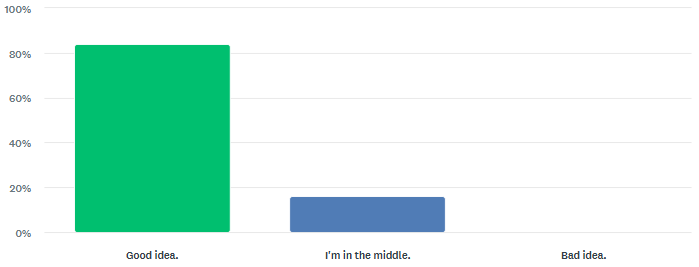
The bills to prohibit lawmakers and political appointees from lobbying or employment with the companies they regulated: good idea or bad idea?

Better yet no person that served politically can ever be lobbest


I believe it's a delay of a year after leaving office - not a prohibition, correct? If so, then good idea.


This would remove the incentive for lawmakers to pass laws that are not in their constituents best interest. My problem is if it would require future lawmakers/appointees to quit their existing job.


Good idea on paper. How are lawmakers going to be held accountable when they are out of office when they are not held accountable while they are in office???


WOW you mean this wasn't already in the books? SHAME!


They should not be able to be employed or lobby for these companies for at least 5 years not 1 year.


Great idea and just common sense


Absolutely yes.

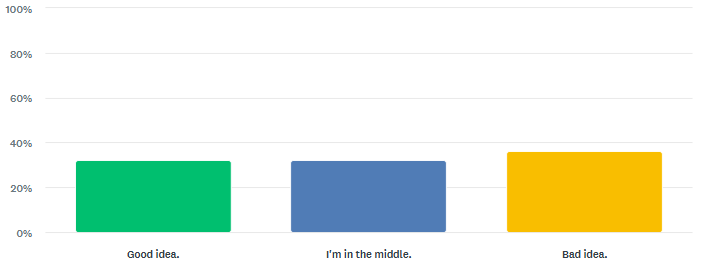
Expanding the property tax exemption for non-profits building homes for low income families: good idea or bad idea?

Sounds like they want to shift over more property tax burden to our already high property taxes. I think there needs to be tighter time limits on this if they go this route.


What about home owners who rent to low income renters, just another loophole being created


If compliance is monitored, and if there are penalties for not following through and actually building the homes and they're actually rented / purchased by low income families, then ok.


When did low income become less the 120% of the area's median income


If compliance is monitored, and if there are penalties for not following through and actually building the homes and they're actually rented / purchased by low income families, then ok.


When did low income become less the 120% of the area's median income


Bad idea. Owning a home is not for everyone. This seems like an opportunity for fraud. I don't think we need anymore fraud.


I think this will bring a glut of unintended consequences. I think this needs to be changed to really benefit the FAMILIES more...


How will they keep this from becoming a hole in the tax exemption


Lets just call it what it is. Redistribution of wealth!


I can see abuse of this.


It's part of the cost of owning a home


Awesome. Some non profits get the benefit and some don't? Let's help out more nonprofits! Way better to do this than the NGOs and MN fraud.

The state is paying local municipalities 44% of the estimated costs for services related to state buildings like fire, police, and waste removal. Is this a fair burden for local property-tax payers? How should these issues be handled? Share your thoughts below.

I think these agencies tend to follow the status quo of every other government entity...since it's not directly their money, they don't care how much of it they waste. I'm not sure local municipalities need to tap the state more. Live within your means. You don't need the newest and best buildings and equipment every 10 years. Are they putting out fires any faster/more efficient?


State has budgets already paid by tax payers ,state is taxpayer funded, looks like another transparency issue


56% is Not a fair burden for local property taxpayers. However - Is the state really only paying 44%? Or are local municipalities jacking up those costs?? - because "what the heck, someone else is paying!" (How quickly it's forgotten that it ALL comes out of taxpayers' pockets.) Perhaps the State only pays that much to encourage local municipalities to keep costs down. In any case, there needs to be accountability of both the State AND the Municipalities.


I wonder how it breaks out by community? What can be done to have state share so local tax burden is lessened?


I think it should depend on they function of the state building and if it adds value to the property tax payer. As a university would add value to the property and a prison would decrease value.


don't really understand this - with all the taxes we pay why aren't these services totally paid for? the state needs to stop funding only Milwaukee and large cities and take care of the rest of the state


This is a terrible situation. The state should be paying 100% of their costs. Why should local taxpayers be covering these costs.


Our township and other local cities, towns, and municipalities have started to do a budgeted amount per household. It scales with inflation at a small rate, and it ensures that our equipment and facilities are able to be paid for.


The municipalities do have financial gains by having the buildings


If there is a large surplus in tax revenue a certain percentage of that should go to helping municipalities, even if it's a small percentage, what municipalities can't cover the public pays for.


Real estate tax payers need relief not more burden!


As you stated, these are accounting disasters. Why is it so difficult for government to hire accountants that know what they're doing? This is what happens when the government does not hire on ability.


Nothing is fair about property tax. More use based tax seems fairer such as sales tax

2026 MEMBER SURVEYS

We are unique. There is no one like us anywhere in the Midwest.


Our agenda comes from you, our full membership, not a few big donors or from a nationwide agenda.


We need to hear from as many of you as possible to be the voice of the people. Thank you.

LEGISLATION

BILLS SIGNED INTO LAW

No bills to report.

VETOED

No bills to report.

CIRCULATED BILLS

LRB-0547 Memo Credit Scores and Reports (Snodgrass, Lee) Access to prospective tenants’ credit scores and consumer credit reports. Deadline: Thursday, February 12, 2026


LRB-0503 Memo Rental Payment Credit (Snodgrass, Lee) Reporting positive rental payment information to credit bureaus. Deadline: Thursday, February 12, 2026 14:00


LRB-3051 Memo Residential Leases (Palmeri, Lori) Certain requirements for residential leases. Deadline: Thursday, February 12, 2026 17:00


LRB-3592 Memo Landlord Regulation (Brown, Brienne) Local regulation of landlords and tenants. Deadline: Friday, February 13, 2026 17:00


LRB-3516 Memo Child Support Orders (James, Jesse) The assignment of child support orders and arrears to the state when a child enters foster care and the role of the Department of Children and Families, county departments of human and social services, and juvenile courts in referring, collecting, and ordering child support. Deadline: Friday, February 13, 2026 17:00


LRB-4605 Memo Landlord Prohibitions (Palmeri, Lori) Prohibiting landlords from charging application fees and credit checks and background checks obtained by landlords. Deadline: Friday, February 13, 2026 17:00


LRB-5091 Memo FIrearms (Fitzgerald, Joan) Permits for firearms dealers, firearms transactions and safety, firearms crimes, making an appropriation, and providing a penalty. Deadline: Friday, February 13, 2026 17:00


LRB-5318 Memo Public Construction Contracts (Wittke, Robert) Retainage on public construction contracts. Deadline: Friday, February 13, 2026 17:00


LRB-5883 Memo Motor Vehicle Accident (Tittl, Paul) The threshold for reporting a motor vehicle accident causing property damage. Deadline: Monday, February 16, 2026 00:00


LRB-0532 Memo Pregnancy Enrollment Period (Stubbs, Shelia) Special enrollment period for pregnancy. Deadline: Monday, February 16, 2026 12:00


LRB-0533 Memo Mental Health Screening Reimbursement (Stubbs, Shelia) Reimbursement of maternal mental health screenings under the Medical Assistance program and coverage of maternal mental health screenings by health insurance policies and plans. Deadline: Monday, February 16, 2026 12:00


LRB-1461 Memo Breastfeeding Equipment Tax Exemption (Stubbs, Shelia) A sales and use tax exemption for breastfeeding equipment. Deadline: Monday, February 16, 2026


LRB-6039 Memo Legislator Residency (Snodgrass, Lee) Legislator district residency requirements and residency standard for qualified electors. Deadline: Monday, February 16, 2026 12:00


LRB-0535 Memo MA Dental Services (Stubbs, Shelia) Dental services for pregnant persons under the Medical Assistance program. Deadline: Monday, February 16, 2026 12:00


LRB-0531 Memo Postpartum Home Visits (Stubbs, Shelia) Postpartum home visits. Deadline: Monday, February 16, 2026 12:00


LRB-0539 Memo Birth Expenses (Stubbs, Shelia) Eliminating recovery by the state for birth expenses paid through the Medical Assistance program. Deadline: Monday, February 16, 2026 12:00


LRB-0534 Memo Doula Service Reimbursement (Stubbs, Shelia) Reimbursement for doula services under the Medical Assistance program, doulas accompanying Medical Assistance recipients in hospitals and birthing centers, and granting rule-making authority. Deadline: Monday, February 16, 2026 12:00


LRB-0337 Memo Arts Teacher Mentorship Grants (Novak, Todd) Grants for fine arts teacher mentorship and making an appropriation. Deadline: Monday, February 16, 2026


LRB-6328 Memo Shoreland Zoning (Miresse, Vinnie) The restrictiveness of shoreland zoning ordinances. Deadline: Monday, February 16, 2026 17:00


LRB-5688 Memo Sharp-Tailed Grouse Hunting (Stroud, Angela) Sharp-tailed grouse hunting permits and making an appropriation. Deadline: Monday, February 16, 2026 17:00


LRB-5111 Memo Vaccine Coverage (Mayadev, Renuka) Health insurance coverage of vaccines if recommended by certain organizations and consideration of recommendations of certain organizations regarding the state immunization program vaccination schedule. Deadline: Monday, February 16, 2026 17:00


LRB-5881 Memo Sexual Contact with Child (Tittl, Paul) Sexual contact or sexual intercourse with a child who is at least 16 years old and providing a penalty. Deadline: Monday, February 16, 2026 17:00


LRB-0750 Memo Boycotts of Israel (Hong, Francesca) Repealing certain contracting and other restrictions on state and local government entities concerning prohibited boycotts of Israel. Deadline: Tuesday, February 17, 2026 00:00


LRB-0575 Memo State Payments for Municipal Services (Hong, Francesca) State payments for municipal services and making an appropriation. 


LRB-6292 Memo Water Infrastructure (Anderson, Clinton) An assistance program for water infrastructure in 3rd class and 4th class cities, villages, and towns; granting rule-making authority; and making an appropriation. Deadline: Tuesday, February 17, 2026


LRB-6196 Memo In Vitro Fertilization (Emerson, Jodi) Ffertility treatment rights, reimbursement of fertility treatments under the Medical Assistance program, and requiring insurance coverage for fertility treatments. Deadline: Tuesday, February 17, 2026 12:00


LRB-6405 Memo Opioid Treatment Programs (Testin, Patrick) Modifying administrative rules relating to regulation of opioid treatment programs and requiring adjustments to the rates for substance use disorder treatment services with medications for opioid use disorder. Deadline: Tuesday, February 17, 2026 15:00


LRB-6063 Memo Mobile Home Communities (Smith, Jeff) Penalties imposed on owners of mobile or manufactured home communities, grants for mobile homes and manufactured homes, and making an appropriation. Deadline: Tuesday, February 17, 2026 15:00


LRB-6380 Memo Officer Identifying Information (Goeben, Joy) Dissemination of personally identifying information of an officer and providing a penalty. Deadline: Tuesday, February 17, 2026 16:00


LRB-6377 Memo Data Center Moratorium (Larson, Chris) A moratorium on data centers. Deadline: Tuesday, February 17, 2026 17:00


LRB-6372 Memo Teen Dating Violence Awareness (Emerson, Jodi) Recognizing February as Teen Dating Violence Awareness and Prevention Month. Deadline: Tuesday, February 17, 2026 17:00


LRB-1301 Memo Stuttering Health Coverage (Anderson, Clinton) Coverage of speech therapies as a treatment for stuttering under health insurance policies and plans and the Medical Assistance program and providing speech therapy to a child in need of protection or services. Deadline: Tuesday, February 17, 2026 17:00


LRB-5529 Memo Business Closings (Drake, Dora) Notice to employees of full-service pharmacies and major grocery stores of permanent business closings and providing a penalty. Deadline: Tuesday, February 17, 2026 17:00


LRB-6340 Memo Homelessness (Taylor, Sequanna) The statewide policy regarding homelessness, an income tax credit for property taxes paid by senior citizens, and making an appropriation. Deadline: Tuesday, February 17, 2026 17:00


LRB-3699 Memo Workforce Housing Loan Program (Rivera Wagner, Amaad ) A revolving loan program to provide gap funding for workforce housing programs and granting bonding authority. Deadline: Tuesday, February 17, 2026 17:00


LRB-0318 Memo Eviction Moratorium (Madison, Darrin) Repealing the prohibition against local governments enacting or enforcing an eviction moratorium on a landlord. Deadline: Wednesday, February 18, 2026 12:00


LRB-4499 Memo Rent Abatement (Madison, Darrin) Rent abatement and retaliatory conduct and granting rule-making authority. Deadline: Wednesday, February 18, 2026 12:00


LRB-0363 Memo Tenant Property Disposition (Clancy, Ryan) Disposition of property left behind by a tenant and granting rule- making authority. Deadline: Wednesday, February 18, 2026 12:00


LRB-0439 Memo Eviction Actions (Clancy, Ryan) Procedures in eviction actions for noncompliance with stipulated judgments of dismissal. Deadline: Wednesday, February 18, 2026 12:00


LRB-0289 Memo Child Care Tax Credit (Bare, Mike) Refundability of the additional child and dependent care tax credit and making an appropriation. Deadline: Wednesday, February 18, 2026 17:00


LRB-0942 Memo Marijuana (Ortiz-Velez, Sylvia) Penalties for possession of marijuana, employer liability for not drug testing employees and prospective employees, and providing a penalty. Deadline: Thursday, February 19, 2026 00:00


LRB-5878 Memo Newborn Infant Safety Device (Bare, Mike) Installation of a newborn infant safety device at an emergency medical services station. Deadline: Friday, February 20, 2026 17:00


LRB-6417 Memo Insurer Claims (Anderson, Clinton) Insurer claims denial practices and auditing, creating the Office of the Public Intervenor, granting rule-making authority, and making an appropriation. Deadline: Friday, February 20, 2026 17:00


LRB-6332 Memo Candidate Eligibility (Bare, Mike) Constitutional eligibility of candidates for federal office. Deadline: Friday, February 20, 2026 17:00


LRB-6205 Memo OWI and Ignition Interlock (Spaude, Ryan) Penalties for certain offenses related to operating a motor vehicle while intoxicated, restrictions related to ignition interlock devices, and providing a penalty. Deadline: Wednesday, February 25, 2026


LRB-5962 Memo OWI and Ignition Interlock (Larson, Chris) Penalties for certain offenses related to operating a motor vehicle while intoxicated, restrictions related to ignition interlock devices, and providing a penalty. Deadline: Wednesday, February 25, 2026


LRB-5061 Memo WI Group Insurance Board (Roys, Kelda) Allowing private individuals and private employers to elect health care coverage through plans offered by the Group Insurance Board, granting rule- making authority, and making an appropriation. Deadline: Thursday, February 26, 2026 00:00


LRB-6409 Memo County Board Vacancies (Wall, Jamie) Filling vacancies on a county board. Deadline: Friday, February 27, 2026 00:00


LRB-5961 Memo County Board Vacancies (Spaude, Ryan) Filling vacancies on a county board. Deadline: Friday, February 27, 2026 00:00

CONNECT WITH WPT
Facebook  Linkedin