|
VOR's Weekly News Update
VOR is a national non-profit organization
run by families of people with I/DD and autism
for families of people with I/DD and autism.
| |
Save the Date!
VOR Annual Members Meeting
July 28, 2026
2:00 - 5:30 pm Eastern / 1:00 - 4:30 Central / Noon - 3:30 Mountain / 11 am - 2:30 pm Pacific
- Board of Directors Open Meeting
- Guest Speakers:
................Rhonda Butler - Louisiana State Assembly
................Nancy Butler - Pinecrest Center (Louisiana ICF) Administrator
................Irene Tanzman - President, Saving Wrentham & Hogan Alliance
- Annual State Reports Forum
You must be a member of VOR to attend
| | We are pleased to announce that: | |
VOR's 2026 Legislative Initiative
Was a Huge Success!
June 8 -11, our dedicated advocates descended on Capitol Hill to bring our families' concerns to members of Congress.
To our surprise, our messages were received, our voices heard, in a way we haven't been heard in years. We felt a turn in the tide, and the ideas of choice and a full continuum of care resonated with congressional staffers as well as leaders of federal agencies.
We would like to thank all of our participants and advisors for their work in making this such a resounding success!
The documents we shared with Congress are available on our website, at:
http://www.vor.net/legislative-voice/legislator-toolkit/2026-initiative
~~~~~~~~~~~~~~~~~~~~~~~~~~~~~~~~~~~~~~~~~~~~~~~~~~~~~~~~~~~~
It is not too late to sponsor our efforts!
Diamond - $ 5,000
Platinum - $ 2,500
Gold - $1,000
Silver - $ 500
Bronze - $ 250
Advocacy Hero - $ 100
Friends & Families - (Other amounts)
Any and all gifts are welcome.
Donors will be acknowledged at the Annual Meeting and in the VOR Voice
| |
Survey: Over 50% Of Medicaid Enrollees Unaware Of 2027 Work Mandates
By Jesse Pines, Forbes, June 6, 2026
A quiet countdown is underway in American healthcare. On January 1, 2027, millions of Medicaid enrollees will be required to document 80 hours per month of work, job training, education, or community service or risk losing their health coverage. Yet according to a new survey from The Health Management Academy, more than half of those enrollees have no idea it's coming.
The survey was conducted in April 2026 among 1,974 adults currently enrolled in Medicaid. It reveals a striking awareness gap ahead of what the Congressional Budget Office projects will be the largest reduction in projected federal Medicaid spending in the program's history — an estimated $911 billion less than what would have been spent under prior law over the next decade.
Yet Katie West, a spokesperson for the House Committee on Energy and Commerce, disputes this framing, citing CBO's own forecasting that federal Medicaid spending is still projected to grow from $708 billion in 2026 to $981 billion by 2036, totaling $8.4 trillion over the decade, and that the law slows growth rather than cuts spending in absolute terms.
The THMA survey findings raise urgent questions not just about policy communications, but about what happens to patients, hospitals and health systems when coverage is disrupted at scale.
More Than Half Haven’t Heard About Medicaid Work Requirements
When survey asked if they knew that completing 80 hours per month of qualifying activity would become a condition of Medicaid eligibility in January 2027, 55% of enrollees were completely unaware. Another 27% said they had heard something but were unsure of the details. Only 17% said they were aware of the requirement.
Continued
Please make sure your loved ones' disability status is correctly noted and that all necessary forms are filed correctly to ensure that their coverage will not lapse. Consult your provider or state DD Services Director if you have questions.
| |
What to Know About Recent Federal Actions Involving State Medicaid Program Integrity
By Jessica Mathers and Elizabeth Hinton, KFF, June 9, 2026
The Trump Administration continues its focus on rooting out fraud, waste, and abuse in federal programs, including Medicaid. In March 2026, President Trump issued an Executive Order establishing the Task Force to Eliminate Fraud, chaired by Vice President J.D. Vance. In May 2026, the Centers for Medicare and Medicaid Services (CMS) announced a six-month nationwide moratoria (or pause) on the enrollment of new Medicare hospice and home health agency providers. The Department of Health and Human Services (HHS) has also taken nationwide and state-specific action in the Medicaid program, including:
CMS state-specific financial action and inquiries:
- In early 2026, CMS used multiple procedures simultaneously to address potential fraud in Minnesota, including deferring (or pausing) $350 million in federal Medicaid funding for past expenditures.
- In May 2026, CMS issued what it reports is the largest deferral in its history, deferring $1.3 billion in federal Medicaid funding for past expenditures in California.
- CMS has also sent letters seeking information about Medicaid program integrity, provider oversight, and fraud prevention to California, Florida, Maine, and New York.
50-state requests/reviews:
- In April 2026, CMS sent a letter asking all state Medicaid programs to “swiftly revalidate” Medicaid providers at high risk of “waste, fraud, abuse, and corruption” and to provide a broader strategy on provider revalidations to CMS within 30 days.
- In May 2026, CMS announced the HHS Office of the Inspector General (HHS-OIG) would be initiating a review of every state’s Medicaid Fraud Control Unit (MFCU) before its next annual recertification. In June 2026, three weeks after the 53 state/territory Medicaid Fraud Control Units (MFCUs) received notice that they would be under review, HHS announced that it is denying the Hawaii MFCU’s annual recertification, which discontinues federal funding for the Fraud Control Unit.
Federal request for information:
- In February 2026, CMS released a Request for Information (RFI) seeking input on how CMS can more effectively combat fraud, waste, and abuse in Medicaid/CHIP, Medicare, and the ACA Marketplaces.
There are no reliable measures of fraud against Medicaid. Measuring fraud is difficult, in part, because it can only be determined with certainty after the fact and if it is identified (through recovery and enforcement actions). Recovery and enforcement data show that in 2025 the 53 state and territory Medicaid Fraud Control Units reported $2 billion in recoveries.
The current use of payment deferrals, given the magnitude of federal funding at stake and the time it takes to resolve administrative disputes, creates uncertainty and could be destabilizing for state budgets.
If states have inadequate funding to maintain existing Medicaid programs, they may face difficult decisions regarding how to limit Medicaid spending or divert spending from other state programs.
Additionally, new program integrity requests come at a time when states are facing historic reductions in federal Medicaid funding and new administrative requirements, including implementing work requirements and more frequent eligibility renewals for Medicaid expansion adults. Against this backdrop, this brief describes recent HHS actions (state-specific and nationwide) related to Medicaid program integrity and outlines some open questions going forward.
Continued
| |
Ed Department Sued Over Special Education Cuts
By Michelle Diament, Disability Scoop, June 12, 2026
Multiple states are suing after the U.S. Department of Education abruptly canceled millions of dollars in grants that were supposed to go toward training special education teachers.
California, Rhode Island and Wisconsin filed suit this week over the lost grants. The states were each in the middle of a five-year funding cycle when the Trump administration yanked the funds after determining that they “reflect the prior administration’s priorities and policy preferences and conflict with those of the current administration.”
The grants were issued as part of the State Personnel Development Grant Program, a long-running effort under the Individuals with Disabilities Education Act to support personnel preparation and professional development for those serving children with disabilities from early intervention through the transition years. Typically, multi-year grants issued under the program are reviewed annually to ensure that performance and financials are in order, but it is rare for awarded funds to be cut off especially without advance notice, the lawsuit filed in the U.S. District Court for the Northern District of California claims.
The grants were among 25 funded under IDEA Part D that the Education Department’s Office of Special Education Program halted last September. They were flagged for mentioning diversity, equity and inclusion “no matter how fleeting,” the states said in their lawsuit. The references were included in the states’ original applications, which were submitted between 2021 and 2024. At that time, the states note that the Education Department required applicants to implement equity programs.
Because the grants were canceled just weeks before the federal funds were expected to arrive, the states said that they did not have extra money to support the efforts and had to shut down their programs.
“The Trump administration discontinued critical grants designed to improve outcomes for students with disabilities by building the capacity of educators, administrators and systems to ensure timely appropriate services and navigate early intervention,” said California Attorney General Rob Bonta who is leading the lawsuit. “This harmful and unlawful action denies vulnerable students the resources they need to learn and succeed.”
The lawsuit, which names the Education Department and Secretary of Education Linda McMahon, alleges that the grant cancellations violated the Administrative Procedures Act because they relied on new priorities that were not made public through the required notice and comment period. In addition, the states say that the federal government wrongly asserted “nearly limitless discretion to discontinue grants based on new priorities,” failed to provide a “reasoned explanation” for the terminations and changed its position and misled states by “requiring their applications to highlight equity initiatives and then penalizing them for the very same initiatives.”
The states are asking the court to reinstate their grants.
Continued
| |
MAHA’s Treatments for Autism: Camel’s Milk, Stem Cell Injections — And Spelling Therapy
By Arthur Allen, KFF Health News, June 8, 2026
Elizabeth Bonker is a silent woman with a loud mission. She wants government agencies to cover the costs of training people with autism in a form of communication called assisted spelling. One problem: Leading professional organizations don’t believe it works.
“All nonspeakers above the age of 5 should be given the opportunity,” typed Bonker, who is 28 and cannot talk. Her mother, Virginia Breen, held a wireless keyboard for her. They sat on a hotel patio before an April 27 meeting with a senior aide to Health and Human Services Secretary Robert F. Kennedy Jr.
“We are misunderstood and underestimated,” Bonker typed, occasionally humming or lightly groaning as she considered where to place a slender forefinger on the keyboard.
Assisted spelling is used to help nonverbal people communicate by pointing to letters on boards or using keyboards with physical help from another person.
Supporters say assisted spelling has improved the lives of thousands of people with autism, such as Bonker, and they have powerful allies. Kennedy appointed Bonker and another autistic “speller,” as they call themselves, to a 20-member autism panel made up largely of parents with children whose autism they attribute to vaccinations.
At the reconfigured panel’s first public session on April 28, three other members said their nonspeaking adult children were learning to communicate through spelling. The panel issued a resolution with language from Bonker stating that “robust” communications programs are essential for autistic people. Bonker has urged the Department of Health and Human Services to support training in assisted spelling for those who want it.
But leading professional groups for autism science, as well as those representing psychologists and speech pathologists, point to research showing that these methods — premised on the idea that people with autism have the normal range of cognitive powers but are imprisoned in malfunctioning bodies — are flawed or fraudulent.
Other, validated methods enable nonspeakers to communicate through digital and analog pictures and letter boards. But assisted spelling isn’t autonomous communication, critics say: Consciously or not, the board holder may be influencing or responsible for the typed or pointed-at words — as with a Ouija board.
For many parents in Kennedy’s Make America Healthy Again community, the spelling controversy is angrily ringing the same bells as the notion that vaccines cause autism — which they refuse to consider debunked. As some people see it: Established medicine damaged them with vaccines and now refuses to accept a helpful treatment.
People with autism are “trapped in bodies that have betrayed them because the medical establishment has betrayed them,” said Louis Conte, who has a child with autism, in a September edition of a Kennedy-allied MAHA publication.
By limiting access to spelling, “you are not just limiting expression, you are erasing identity,” said Katie Sweeney, the mother of an autistic adult who is affiliated with an anti-vaccine medical group, at the autism panel meeting.
Mainstream autism experts and advocates in March convened the Independent Autism Coordinating Committee as a counter to Kennedy’s panel. At the new group’s meeting, one member spoke out against the spelling methods.
“In this underfunded disability environment, I don’t want a single penny diverted to debunked interventions like spelling,” said Amy Lutz, a senior lecturer in history at the University of Pennsylvania and an autism support advocate who described her 27-year-old son as “profoundly autistic.”
It’s not only a waste of time, she said later in an interview, but “people subjected to spelling are not given access to evidence-based education. Every interaction turns someone like my son into a puppet, and I find that very objectionable.”
Continued
|
Autistic children injected with unapproved stem cell treatments supported by RFK Jr
By Ed Pilkinton, The Guardian, June 12, 2026
Desperate US parents pay up to $20,000 a session for a procedure scientists say could be bogus
Autistic children as young as 18 months old are being injected with human stem cells derived from umbilical cords in unapproved, unproven and potentially harmful “treatments” that scientists warn are proliferating across the US under the active encouragement of the US health secretary, Robert F Kennedy Jr.
Clinics in Florida, Texas and other states are selling what they bill as “regenerative medicine” to families with autistic children who have intensive care needs. Parents who have taken their children through the process talked to the Guardian about their hopes and fears for a therapy that appears to be gaining ground in the US.
The procedure, which can involve the child being sedated with ketamine before receiving intravenous doses of millions of stem cells, costs up to $20,000 each treatment. Families are often advised to return for regular top-ups.
Profoundly stressed parents are being wooed to the clinics with promises that a high-dose infusion of umbilical cord stem cells can lead to dramatic improvements in their children’s ability to speak, socialise, or avoid aggressive or self-harming behaviour. Yet there is no scientific evidence that the procedure works – the most comprehensive clinical trial staged so far, a placebo experiment conducted by Duke University, found insignificant benefits for most of the 180 children tested.
The US Food and Drug Administration (FDA) directly cautions parents that if they are being offered stem cell treatments outside an approved clinical trial, “you are likely being deceived and offered a product illegally”.
Though the Duke trial found minimal safety concerns with properly administered stem cell infusions, authorities continue to highlight the potential risks of under-regulated therapies.
The FDA warned in 2021 that it had received reports of complications following applications of umbilical cord stem cells and other related unapproved products leading to “blindness, tumor formation, infections and more”.
In his 16 months as the secretary of the Department of Health and Human Services within the Trump administration, Kennedy has undercut established scientific endeavors. He has fired thousands of federal health officials, dismissed longstanding scientific advisers, defunded $31m in autism-related research and attempted to shrink the recommended list of childhood vaccinations.
At the same time, largely unnoticed, he has given his backing to alternative health providers moving to fill the gap. Kennedy appeared by video link at the first two annual summits held in San Diego by Autism Health, a leading advocate of stem cell infusions for autistic kids.
At the summit last year, he told the audience that “your issue is no longer on the fringe”. At this year’s gathering in April, he promised to “create opportunities that extend across a lifetime” and to work with the stem cell providers “to drive solutions together”.
Those providers included Mike Chan, a Malaysian physician who presented the San Diego summit with a protocol that he practices from his clinic in Bangkok. It involves injecting autistic children in the buttocks with high doses of stem cells extracted from slaughtered sheep and rabbits.
“Man himself is an animal, the most intelligent animal. There are hundreds of drugs from animals,” Chan told the Guardian in an email exchange.
Kennedy described the organiser of the San Diego summit, Tracy Slepcevic, as a “good friend”. In January, the health secretary appointed her to his remodelled Autism Coordinating Committee, which guides federally funded autism research.
Slepcevic is the mother of an autistic son and a proponent of alternative therapies for autism including stem cell infusions. She will be appearing alongside Eric Trump and Del Bigtree, the influential anti-vaxxer who was communications director of Kennedy’s 2024 presidential campaign, on stage at the Christian nationalist ReAwaken America reunion in Tulsa next week.
Slepcevic unveiled at the San Diego summit a new experiment that involves injecting 120 autistic children with umbilical cord stem cells. The effort will begin next month in partnership with a major clinic in Tijuana in Mexico, a country which has historically taken a looser approach to stem cell regulation than the US.
Slepcevic has not responded to a request for comment from the Guardian.
Ed Clay, a former MMA fighter who founded the Cellular Performance Institute (CPI) in Tijuana, told the Guardian that the clinical trial would be free to families and would be fully licensed under the Mexican federal health authority, Cofepris.
He said he had devised the exercise as a clinical trial with expert neurologists and paediatricians serving as investigators in the full-service hospital his company runs in Mexico, with the CPI investing about $2m to conduct it.
Continued
|
Autistic kids are being experimented on’: inside America’s booming market for unproven stem cell infusions
By Ed Pilkinton, The Guardian, June 12, 2026
Landyn Holdren is an eight-year-old autistic child who has high support needs and is nonspeaking. His mother, Christy Holdren, says he can be self-harming, slapping his chest, face or head when distressed.
Later this month, she will spend $15,000 on an unapproved stem cell treatment she hopes might help him.
They went for the first round of the treatment last October at a Florida stem cell clinic that charged Holdren $12,500. The procedure is not approved by the Food and Drug Administration (FDA), and scientists say there is little evidence it works for autism, raising concerns that desperate families are being sold false hope.
Yet as stem cell clinics multiply across America, they are finding an influential ally in the US health secretary, Robert F Kennedy Jr.
Holdren knows there is no “cure” for autism, which is a condition, not a disease. But she said she was determined to do her utmost to help her child.
“He actually looks at us and not through us, and that’s huge for us,” she said of the small but significant changes she believes followed Landyn’s first infusion. “We can cut his hair without him freaking out. That may sound little, but when you have to wrangle an alligator to clip his nails, that’s big things.”
Seven months on, Landyn’s aggressive and self-harming behaviour is worsening again. So, despite the cost that has driven Holdren to take out a loan against her retirement savings, she is preparing to return for a second stem cell dose.
A ‘completely bogus’ treatment
The Holdrens are far from alone.
Across the US, children with autism as young as 18 months old are being given unapproved stem cell treatments at clinics in Florida, Texas and elsewhere, part of a growing market operating beyond the bounds of FDA approval.
The procedure often involves the child being sedated before receiving intravenous doses of millions of stem cells commonly derived from human umbilical cords harvested at birth.
In some cases, the doctors selling the treatments have no scientific expertise in autism or child development. Instead, physicians from unrelated specialties, including plastic surgery and orthopaedics, have entered the booming stem cell sector, billing the procedures as “regenerative medicine” for children, some of whom have severe disabilities.
Up to now, Americans seeking therapies that lack federal approval have tended to look abroad. That has fed the flourishing multibillion-dollar industry of “stem cell tourism” in places such as Mexico and Panama – and as far afield as Abu Dhabi.
Now the practice appears to be gaining strength inside the US, and there are fears that under Kennedy’s leadership, the FDA may be loosening its rigorous regulation.
Continued
|
Study Linking Vaccines to Autism Retracted
By Judy George, MedPage Today, June 12, 2026
A 2010 paper that linked hepatitis B vaccines in infant boys to an increased risk of autism diagnosis was retracted and another study by the same authors is under investigation.
The study, published in the Journal of Toxicology and Environmental Health, Part A, claimed that boys vaccinated as neonates had a three times higher odds of an autism diagnosis compared with boys vaccinated after their first month of life or not at all.
The paper was included in a safety review of hepatitis B birth vaccination alongside work from David Geier and presented to the CDC's Advisory Committee on Immunization Practices at their meeting on December 4, the day before the committee voted to drop the agency's long-standing recommendation that every newborn receive a hepatitis B vaccine at birth.
A 2008 paper in Toxicology and Environmental Chemistry from the same authors -- Carolyn Gallagher, PhD, of Stony Brook University in New York, and Melody Goodman, PhD, currently the dean for the School of Global Public Health at New York University -- is also under investigation, according to Taylor & Francis, the British company that publishes both journals.
"I can confirm that there is also an investigation being led by our Publishing Ethics & Integrity team into concerns about 'Hepatitis B triple series vaccine and developmental disability in U.S children aged 1-9 years.' We will not be able to comment further while this investigation is underway," a Taylor & Francis spokesperson stated in an email to MedPage Today.
The neonate paper was retracted because "concerns were raised regarding the methodology of the study and the reported conclusions," according to a notice from the journal's editor and publisher.
Continued
| |
Maryland - After years of failed treatments, this psych program finally worked. Now her family owes $1 million.
By Aria Bendix, Jason Kane and Kate Snow, NBC News, June 9, 2026
It took seven years for Rachel Levasseur to find a treatment that worked for a complex form of obsessive-compulsive disorder, which creates the persistent belief that she’s a harm to others. In the interim, she attempted suicide numerous times.
Things changed last year when Levasseur’s parents reached out to a therapist at Sheppard Pratt, a psychiatric hospital in Maryland. The hospital’s self-pay, residential treatment program — called The Retreat — connects patients to a personalized care team of psychiatrists and therapists, among other providers.
After a year in the program, Levasseur, 24, noticed she was improving. She had not attempted suicide while being there. Her parents said she went from quiet and closed off to increasingly social. She was finally willing to go out to dinner or to a concert with a friend.
But Levasseur’s insurance provider, CareFirst BlueCross BlueShield, has only paid for a small share of her treatment thus far, and her stay in the program was cut short in March after her parents couldn’t afford the nearly $3,000-per-day cost.
“It’s just confusing how insurance can’t recognize that I am getting better finally,” Levasseur said. “They’re just focused on the money instead of my life.”
Levasseur’s parents, Larry and Kandy Levasseur, said they owe the hospital about $1.3 million, even after taking out a second mortgage on their home and draining Larry’s retirement savings to foot the initial portion of her stay. NBC News was not able to independently verify the family’s balance, which the Levasseurs said was communicated over the phone.
CareFirst declined to comment on Levasseur’s case. Sama Abduljawad, a spokesperson for Sheppard Pratt, also declined to answer questions about The Retreat or Levasseur’s stay there, citing privacy laws. Levasseur had given permission to Sheppard Pratt to discuss her medical information with NBC News.
The Levasseurs said Rachel’s condition is regressing outside of the specialized program. She is currently staying at the hospital’s inpatient unit, which is in-network with her insurance plan, but Larry and Kandy said the hospital won’t readmit her to the Retreat program until the family resolves their outstanding sum.
Her case is complicated from both insurance and medical perspectives.
Since childhood, Levasseur’s OCD has contributed to an extreme fear of germs or illness. She is often convinced that she has a deadly infection that she could pass on to others, which can instigate thoughts of suicide. Her condition is compounded by autism spectrum disorder, which makes her more prone to thinking in black and white and can make it harder to identify irrational thoughts.
Before the program, Larry said, his daughter required constant monitoring at home.
“We basically took shifts where I would watch her through the day,” he said. “I’m a little bit heavier of a sleeper than Kandy, so she would take the night and we would have to check on her every few minutes to make sure she was OK and alive.”
While other treatment programs have targeted certain aspects of Levasseur’s medical issues, the Sheppard Pratt program seemed to be the only one that addressed them collectively, her parents said.
“I truly believe that if Rachel wouldn’t have gone to The Retreat this last year, she would not be alive today,” Kandy said.
Read the full article here
| |
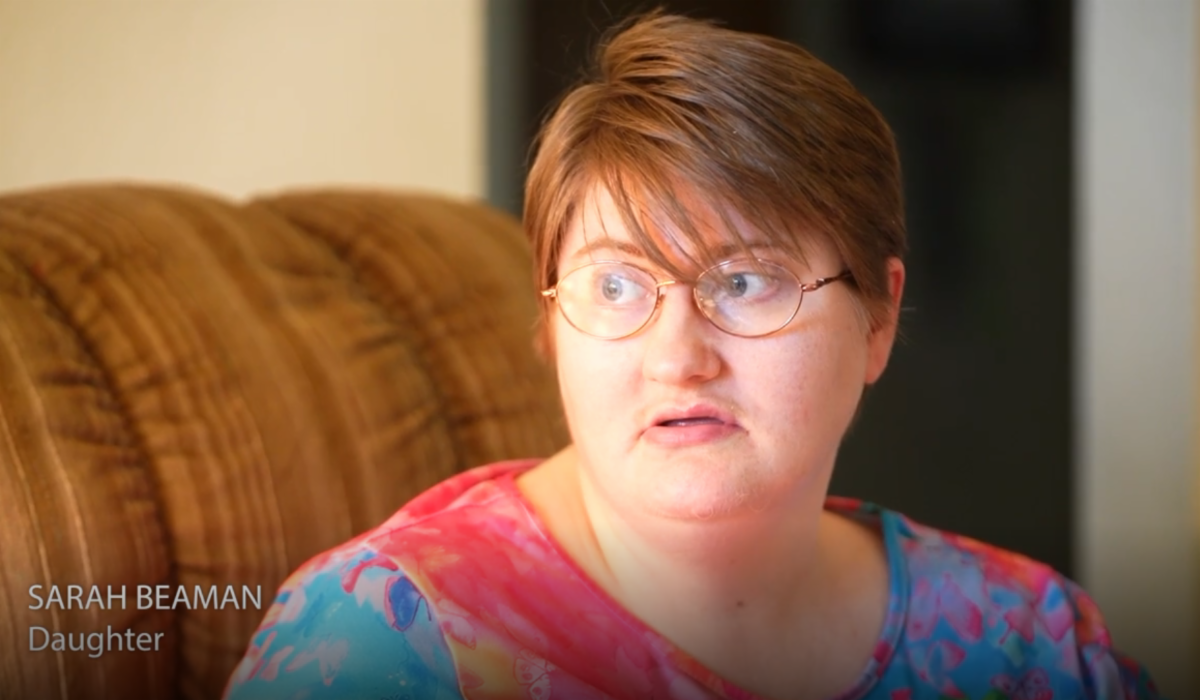
Iowa - Separated from family, Iowa women recounts path from group home to jail
By Cody Scanlan, Des Moines Register, June 5, 2026
| |
Hear from Sarah Beaman as she recounts her time away from her family in group homes and how she would end up in jail.
Watch the video here
| |
Budget plan axes funds for oversight at group homes for Arizonans with developmental disabilities
By Wayne Schutsky, KJZZ, June 10, 2026
Advocates say a bipartisan state budget proposal doesn’t include funding for a program providing independent oversight at group homes for Arizonans with developmental disabilities that was created in the wake of a sex abuse scandal.
The Arizona Legislature created the Compliance, Oversight, Monitoring, and Investigations Team, or COMIT, pilot program in 2022, years after an incapacitated disabled resident at a Hacienda Healthcare facility was impregnated by a nurse who had raped her repeatedly.
And just last year, Arizona lawmakers made the program permanent.
But advocates say those same lawmakers are about to leave COMIT unfunded.
“COMIT is not another service provider; it's not another bureaucracy; it's Arizona's independent set of eyes inside licensed residential settings serving some of our state's most vulnerable citizens,” said Amy Haley, a parent and advocate.
Brandi Coon, another parent and advocate, told lawmakers that a bipartisan budget proposal unveiled this week does not include the money needed to keep COMIT operating.
“Arizona made a commitment after the Hacienda Healthcare tragedy in 2018 that a licensed care setting would not operate without independent oversight,” she said. “COMIT is that commitment kept.”
Both Haley and Coon said the program, operated by nonprofit Disability Rights Arizona, needs $1.2 million.
It’s unclear why Democratic Gov. Katie Hobbs and the Republican lawmakers who control the Legislature left the funding out of the budget deal they’ve negotiated over the past month.
Continued
| |
Kentucky - Parents push for classroom cameras to protect vulnerable students
By Kentucky Center for Investigative Reporting, The Lexington Times, June 9, 2026
Jefferson County Public Schools has no classroom cameras, leaving parents of nonverbal and disabled students scrambling to document potential abuse on their own.
The absence of surveillance became a focal point after Tiphanee Lee, a mother of a 10-year-old boy with severe autism, wove a hidden camera into her son’s hair to record what was happening in his Field Elementary classroom. The footage captured an instructional assistant verbally berating her child with language she describes as abusive and motivated by racism. The assistant, Robert Randsell, was reassigned while the district investigates, though no criminal charges have been filed.
Lee’s case has galvanized support for what she calls “Semaj’s Law” — a proposed policy requiring cameras in all classrooms serving nonverbal and vulnerable students. The National Autism Association and families across Kentucky have backed the initiative, highlighting research showing children with autism face higher risks of abuse and neglect than their peers.
Kentucky has no state law mandating classroom cameras, leaving the decision to individual districts. State Rep. Aaron Thompson filed HB 791 this year, which would require cameras in all self-contained special education classrooms, but the measure did not advance in the legislative session. Similar abuse allegations in Greenup County’s McKell Elementary documented more than 1,100 instances of abuse over 19 school days, prompting the camera proposal.
Some Kentucky districts already use cameras. Marion County Schools has installed cameras in four special education classrooms, while Christian County Schools has them in all special education classrooms and preschool. Bullitt County Public Schools is piloting six cameras next school year, though the district specifies they are for instructional purposes, not student supervision.
Continued
| |
Minnesota - State Cuts Off Thousands Of Medicaid Providers In Race To Keep Federal Funds
By Jessie Van Berkel, The Minnesota Star Tribune via Disability Scoop, June 9, 2026
Minnesota just cut ties — at least temporarily — with nearly two-thirds of the Medicaid service providers the state was reviewing in its quest to protect programs against fraud and keep federal funds flowing after the Trump administration threatened to hold back money.
The decision to disenroll 3,411 businesses and nonprofits from those programs set off an uproar last week among providers, who said the state bungled its process to revalidate organizations and will interrupt clients’ treatment and lives. Only a small number of those were referred for further fraud investigations, and all can appeal.
State workers had spent the past four months sprinting toward a May 31 deadline to check the validity of 5,583 providers enrolled to offer services through state programs designated as susceptible to fraud. Thousands of Minnesotans rely on those programs that include autism therapy, mental health care and a range of services that allow people with disabilities to live more independently.
Federal officials, who have zeroed in on fraud in Minnesota’s social service programs, said they will withhold up to $2 billion a year if the state doesn’t complete a corrective action plan around fraud, waste and abuse. The revalidation push is the largest piece of that plan, and the Minnesota Department of Human Services (DHS) pulled staff from other state agencies to help make it happen.
“The most important goal for us is that Minnesotans deserve to have confidence in the providers that are enrolled in Medicaid,” DHS Deputy Commissioner Shireen Gandhi said, adding they have been feeling “tremendous pressure” from the federal government.
State officials feared if they requested an extension to the end of May deadline the Trump administration would use that as a reason to withhold the $2 billion, she said, which would be a “big, big hit” for Minnesota.
Continued
| |
Illinois - Senator says disability service workers’ raise falls short
By Jim Talamonti, The Center Square, June 8, 2026
An Illinois state senator says wages for direct support professionals who provide services for people with developmental disabilities and serious mental illnesses lag behind where they were when Gov. J.B. Pritzker took office.
Sen. Chapin Rose, R-Mahomet, asked Senate Appropriations Committee Chair Elgie Sims, D-Chicago, if anything was added to the governor’s budget proposal for workers who provide disability services.
“The proposal for the 60 cents an hour increase in wages is included. It gets us on the path towards addressing and dealing with the Guidehouse recommendations,” Sims said during a hearing on May 31.
The Guidehouse issues developmental disability services rate studies for the Illinois Department of Human Services.
Before the General Assembly passed a record-high $55.9 billion budget on June 1 for fiscal year 2027, Rose said another $24 million would return DSP workers to 150% of minimum wage, where they were in 2019.
“Not one time in eight years will our most vulnerable population get back to where he started when he took over as governor. We’ve been below 150% every year of his two terms,” Rose said.
The Illinois Association of Rehabilitation Facilities said the budget reflects a recognition that stability and investment in community-based services remain essential.
Continued
| |
Ohio - Who will care for them?
By Mikali Marciante, Miami Valley Today, June 6, 2026
Some of the most important debates happening in Ohio never make the evening news.
House Bill 795 is one of them.
Until recently, I had never heard of HB 795. Most Ohioans probably haven’t. But after reading the proposed language, speaking with families, and learning more about the concerns being raised, I found myself asking questions I couldn’t ignore.
At first glance, HB 795 appears to be a bill focused on Medicaid oversight, accountability, and fraud prevention. In fact, many Ohioans who look it up may never realize that families and disability advocates are raising concerns about how its provisions could affect paid family caregiving. That disconnect is part,of the reason this debate deserves more public attention.
One provision on page 174 of the substitute version of HB 795 states that Medicaid payment may not be made for personal care services provided by a family member to a waiver participant who is a family member. The bill broadly defines family members to include parents, children, grandparents, siblings, aunts, uncles, cousins, and other relatives.
Under the current Ohio policy, some family members can receive Medicaid-funded payment for providing care to loved ones with developmental disabilities through home- and community-based waiver programs. Families opposing HB 795 argue that the provision would eliminate that option, meaning parents, siblings, and other relatives could continue providing care but would no longer be compensated for doing so.
For some families, that compensation is not a bonus. It is what allows them to reduce their work hours, leave their outside employment, or stay home to provide the intensive care their loved one requires.
Supporters of the proposal argue that stronger oversight and accountability are needed to ensure Medicaid dollars are being used appropriately. Those concerns deserve consideration. Public funds should be protected, and fraud should be addressed wherever it exists.
But any reform must also account for the reality facing Ohio families today.
Across the state — and here in the Miami Valley — families are quietly providing extraordinary care every day. They help children and adults with developmental disabilities remain safely in their homes, participate in their communities, and live with dignity. They assist with personal care, medications, transportation, communication, behavioral support, and countless daily tasks that many of us take for granted.
According to the Ohio Department of Developmental Disabilities, more than 40,000 Ohioans with developmental disabilities receive services through home- and community-based waivers, allowing them to live with family, independently, or in other community settings.
In many cases, these family members are not serving as caregivers because it is convenient. They are doing it because qualified providers are unavailable, staffing shortages persist, and there is simply no one else to fill the gap.
Continued
| |
Boston’s new approach to special education may be leaving out the kids who need it most
By Mariana Simões, The Boston Globe, June 8, 2026
When Julian Whyte gets off the school bus in Mattapan to head home in his wheelchair, he waves goodbye to his friends. The 10-year-old can’t talk much, but he is a social butterfly, posing for selfies and flipping his baseball cap backward for laughs.
Julian wasn’t always happy. For six years at Blackstone Elementary, he was a gloomier child, said his mother, Meshell Whyte. The South End school wasn’t able to teach him alongside other children, so he often learned alone in a separate classroom, which was “crushing him,” Whyte said.
Last year, Julian enrolled at Dorchester’s renowned Henderson School, where he has begun to excel while learning with other students.
“Now my son can write his name for the first time without guidance,” Whyte said.
The Henderson was once hailed as a model of inclusive education, drawing scholars from as far as Germany and Brazil to observe how students with and without disabilities learned side by side. But soon the kindergarten-through-12th-grade school will stop serving as a long-term destination for Boston’s most vulnerable students.
After next year, the city plans to eliminate Henderson’s high school grades amid declining enrollment and a budget crunch. A similar institution in Brighton, the Mary Lyon, is shutting its high school this year.
The closures come as Boston Public Schools is in the final stages of a once-in-a-generation transformation of special education. The plan includes a shift away from high schools like Henderson that specialize in teaching students with disabilities. Instead, city officials envision making all classrooms inclusive environments.
Some parents and educators worry that with Boston schools poised for layoffs, there won’t be enough staff in every classroom to meet the needs of children, like Julian, with more severe disabilities.
Boston Public Schools agreed in 2022 to overhaul special education after the state found that services for students with disabilities were in “systemic disarray.” Another audit determined that too often children with disabilities were being segregated from their classmates and taught in separate classrooms.
Continued
| |
Colorado - State probes metro school for disabled students on improper restraints
By Melanie Asmar, Chalkbeat Colorado via Sentinel, June 8, 2026
Mark Brostrom’s 11-year-old son was struggling in public school when his school district suggested what seemed like a better fit: a new specialized school near the family’s home.
Brostrom remembers thinking that the Austin Centers for Exceptional Students in Westminster could offer the flexibility that his son, who has autism, needed to thrive. A bright boy who scores well on tests, his son also sometimes responded to stress by destroying property or harming himself, his father said.
But Brostrom quickly became disillusioned with The ACES, as the school calls itself.
His son, whom Chalkbeat is not naming to protect his privacy, experienced multiple restraints, including one that the 11-year-old called “the crucifixion,” Brostrom said. The boy described being pinned to the floor on his back with staff members holding his arms and legs, a situation that his father said only made the boy struggle harder.
“It was so obvious that they did not have his safety in mind,” said Brostrom, who pulled his son out of the school after the boy came home with scratches and bruises. “Their intention was to get him to stop behaviors through fear and coercion.”
The ACES is what Colorado calls a facility school, a placement of last resort for students with intense behavioral, mental health, or special education needs whom public schools can’t or won’t serve. As the number of facility schools dwindled, state lawmakers in 2023 created a new, less clinical category called a “specialized day school” — opening the door for providers like The ACES.
Now, less than two years after opening, the school faces state sanctions and a potential loss of funding after complaints about how it physically restrains students, suggesting the state’s changes meant to grow the number of facility schools lacked adequate safeguards.
Colorado education officials put The ACES under a rare corrective action plan, and two of the state’s largest districts say they pulled all or some of their students out of the school this spring. Facility schools are funded directly by the state but districts also pay tuition to send children there.
“They have this way of doing things that is not something we’re going to accept in Colorado,” said Meryl Duguay, an advocate for students with disabilities who sounded the alarm with state education officials after visiting The ACES this spring.
Continued
| | |
Please share this offer with your loved one's
Direct Support Professionals!
VOR ❤️s OUR
DIRECT SUPPORT PROFESSIONALS!
Our loved ones' caregivers are essential to their health, safety, and happiness.
In appreciation of their good work and kind hearts, VOR offers free digital memberships to any DSP who would like to receive our newsletter.
We encourage our members to speak with their loved ones' caregivers to extend this offer of our gratitude.
If you are a Direct Support Professional interested in receiving our newsletter and e-content, please write us at
info@vor.net
with your name, email address, and the name of the facility at which you work. Please include the name of the VOR member who told you of this offer.
| | |
[Please click on blue link to view information about the bill]
VOR SUPPORTS:
H.R.6137 / S.3211 - Rep. Brian Fitzpatrick (R-NJ) and Sen. Maggie Hassan (D-NH) - A bill to require the Office of Management and Budget to consider revising the Standard Occupational Classification system to establish a separate code for direct support professionals
H.R.6766 / S.3492 - Rep. Claudia Tenney (R-NY) and Sen. Richard Blumenthal (D-CT) - Essential Caregivers Act - To amend titles XVIII and XIX of the Social Security Act to require skilled nursing facilities, nursing facilities, intermediate care facilities for the intellectually disabled, and inpatient rehabilitation facilities to permit essential caregivers access during any period in which regular visitation is restricted.
H.R.4796 - Rep. Laura Friedman (D-CA) - Restoring Essential Healthcare Act -To amend Public Law 119-21 (The One Big Beautiful Bill Act) to repeal the prohibition on making payments under the Medicaid program to certain entities.
H.R.4807 - Rep Greg Landsman (D-OH) - Protect Our Hospitals Act - To amend Public Law 119-21 to repeal certain changes to provider taxes under the Medicaid program.
H.R.1262 & S.932 - Rep. Michael McCaul (R-TX) and Sen. Markwayne Mullin (R-OK) "Give Kids A Chance Act" - To amend the Federal Food, Drug, and Cosmetic Act with respect to molecularly targeted pediatric cancer investigations. This bill would renew research into pediatric cancers and includes increasing funding for rare diseases, some of which cause Intellual and developmental disabilities and autism.
H.R.1509 & S.752 - Rep. Lori Trahan (D-MA) & Sen. Chuck Grassley (R-IA)
Accelerating Kids' Access to Care Act -
This bill would amend titles XIX and XXI of the Social Security Act to streamline the enrollment process for eligible out-of-state providers under Medicaid and CHIP, and streamline enrollment under the Medicaid program of certain providers across State lines.
H.R.2598 & S.1277 - Rep Jared Huffman (D-CA) and Sen Chris Van Hollen (D-MD) The IDEA Full Funding Act
To amend part B of the Individuals with Disabilities Education Act to provide full Federal funding of such part.
S.2279 - Sen. Josh Hawley (R-MO)
A bill to repeal the changes to Medicaid State provider tax authority and State directed payments made by the One Big Beautiful Bill Act and provide increased funding for the rural health transformation program.
H.R.1950 - Rep. Mark Pocan (D-WI) - Protect Social Security and Medicare Act
To protect benefits provided under Social Security, Medicare, and any other program of benefits administered by the Social Security Administration or the Centers for Medicare and Medicaid Services.
S.779 & H.R.1735 - Sen. Alex Padilla (D-CA) & Rep. August Pfluger (R-TX)
To amend title XIX of the Public Health Service Act to provide for prevention and early intervention services under the Block Grants for Community Mental Health Services program
H.R.2491 & S.1227 - Rep Kat Cammack (R-FL) & Sen. Edward Markey (D-MA) - The ABC Act
To require the Administrator of the Centers for Medicare & Medicaid Services and the Commissioner of Social Security to review and simplify the processes, procedures, forms, and communications for family caregivers to assist individuals in establishing eligibility for, enrolling in, and maintaining and utilizing coverage and benefits under the Medicare, Medicaid, CHIP, and Social Security programs
VOR OPPOSES:
H.R.2743 & S.1332 - Rep. Bobby Scott (D-VA) & Sen. Bernie Sanders (I-VT) Raise the Wage Act - A bill to provide increases to the Federal minimum wage and for other purposes. VOR opposes the provision in this bill that would phase out section 14(c) and sheltered workshops for indiviiduals with I/DD and autism.
S.2438 - Transformation to Competitive Employment Act (Sen. Chris Van Hollen (D-MD) - A bill to assist employers providing employment under special certificates issued under section 14(c) of the Fair Labor Standards Act of 1938 in transforming their business and program models to models that support people with disabilities through competitive integrated employment, to phase out the use of such special certificates, and for other purposes.
| |
836 South Arlington Heights Road #351
Elk Grove Village, IL 60007
Toll Free: 877-399-4867 Fax: 877-866-8377
| | | | |