|
Isla Mujeres Whale Shark Tours To Be Restricted
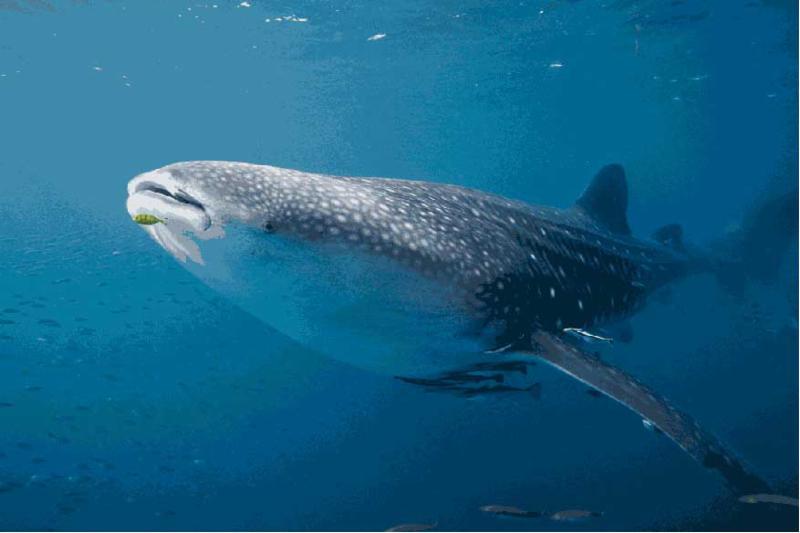
Isla Mujeres is a popular location to view the Afuera, the aggregation of whale sharks off Mexico. Each year between May and November, thousands of whale sharks migrate to the warm plankton-rich waters of the Mexican Caribbean. This week the Secretary for the Environment and Natural Resources (Semarnat) published new guidelines on whale shark tours.
● Maximum number of 1200 participants per day on the tours in the area.
● Maximum length of a tour vessel is 40 feet.
● Whale shark tours are limited to observing the whale sharks whenever there are fewer than five whale sharks near the vessel or if there are multiple vessels in any given area.
● A maximum of two people will be allowed to enter the water to swim alongside whale sharks during tours. Tour companies have been advised to not guarantee any participants will be able to swim with whale sharks.
Depending on the conditions at sea, the availability of tours may become restricted during the peak season. Mexican Caribbean authorities are also convening to decide whether to limit the whale shark season from the present four to two months, with the goal of further advancing environmental protection.
Read more
| |
|
Sri Lanka Gill Plate Trade Threatens Manta & Devil Rays
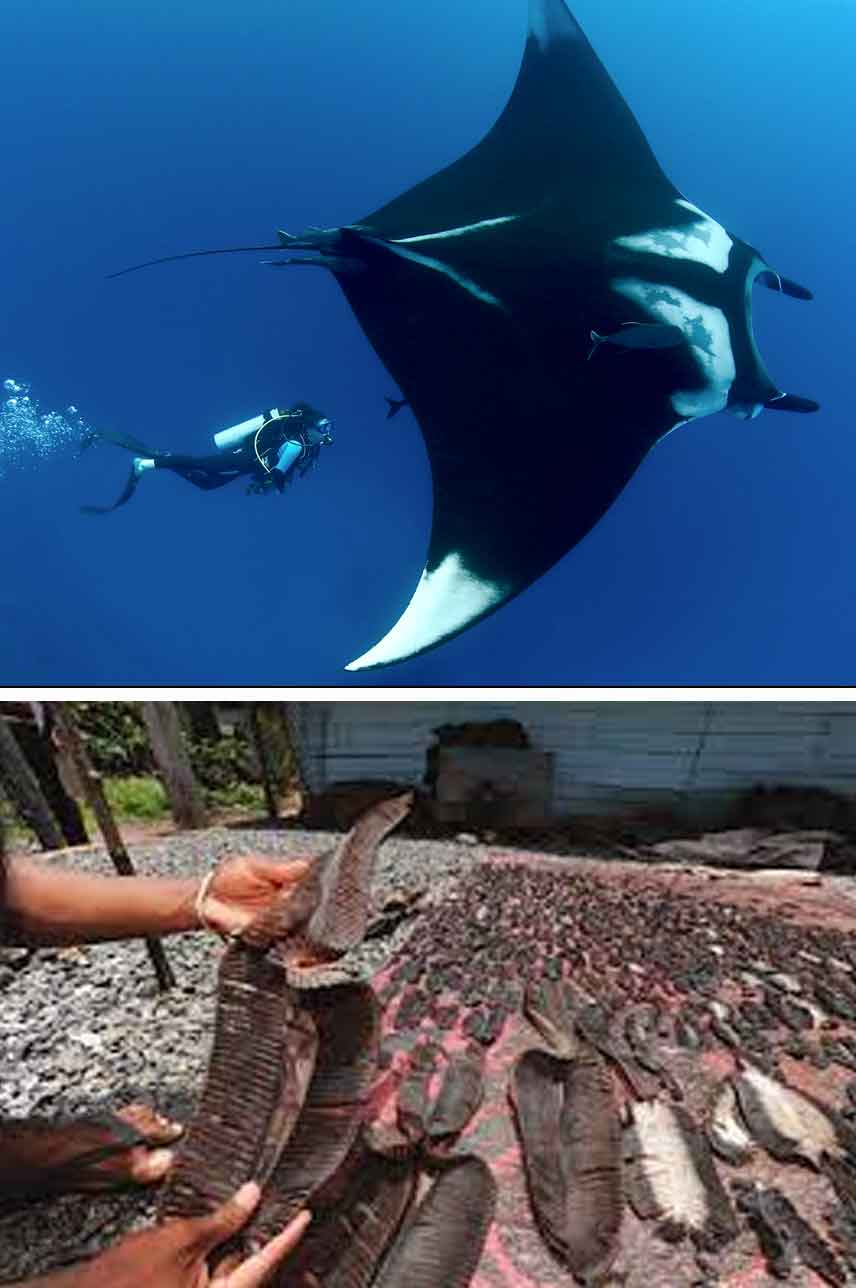
The International Union for Conservation (IUCN) reports that most manta and devil rays (collectively known as mobulids) are endangered. Their populations have been reduced by between 50% and 70% in the past decade and their sizes are also declining. They have slow reproduction rates; young female mantas take 10-15 years to mature sexually, and give birth to just one pup every two or three years.
Sri Lanka fishers don’t specifically target mantas and devil rays; in the past they released them back to the sea because there was little demand for their meat, but the lucrative gill plate trade changed that. Gill plates are the cartilage filaments that enable manta and devil rays to filter zooplankton out of the water. Today the gill plates are dried and sold in markets across east Asia, but are not used in traditional Chinese medicine. The growing demand for gill plates originates from market vendors to make soup promoted as a remedy for a variety of health issues that "have no basis in medical science”.
Trading rays and their gill plates is not illegal. The Convention on International Trade in Endangered Species of Wild Fauna and Flora (CITES) placed manta rays and devil rays on Appendix II which requires international trade in their meat, gills and fins to be accompanied by permits and certificates confirming that they have been harvested sustainably and legally caught. Sri Lanka signed the Indian Ocean Tuna Commission, which requires that its members not retain any mobulid catch. However, Sri Lanka itself has no legal framework to protect manta and devil rays. The total annual captures of mobulid rays by the Sri Lankan artisanal fishing fleet now exceeds the estimated annual captures of mobulids in all global, industrial purse seine fisheries combined reports according to a study published in the journal Aquatic Biology.
| |
|
Seamounts
Seamounts are underwater mountains that rise hundreds, or even thousands, of feet from the seafloor. They arise along mid-ocean ridges as isolated landmarks, or as volcanoes in chains and clusters. A 2011 census using high-resolution radar data found more than 24,000 seamounts. High-resolution radar data have now added 19,325 previously unknown seamounts.
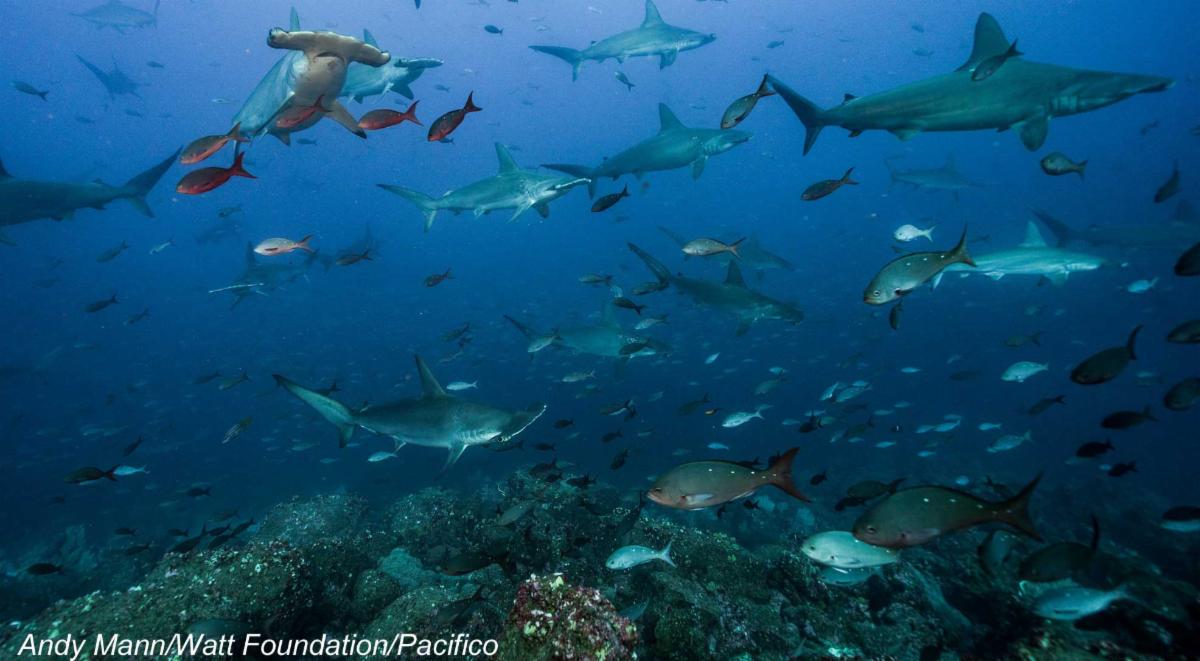
Seamounts are found in every ocean basin and provide critical habitat for a variety of ocean life, including sharks, whales, fish, and marine mammals. However, there is still very little information about the role that seamounts play in the conservation of species at risk of extinction, like sharks. It is believed seamounts serve as navigational beacons in shark migrations. They are biological corridors that host exceptional biodiversity, serve as important resting and feeding stops for sharks, and are areas for social aggregations during the breeding seasons.
| |
|
New Ocean Census
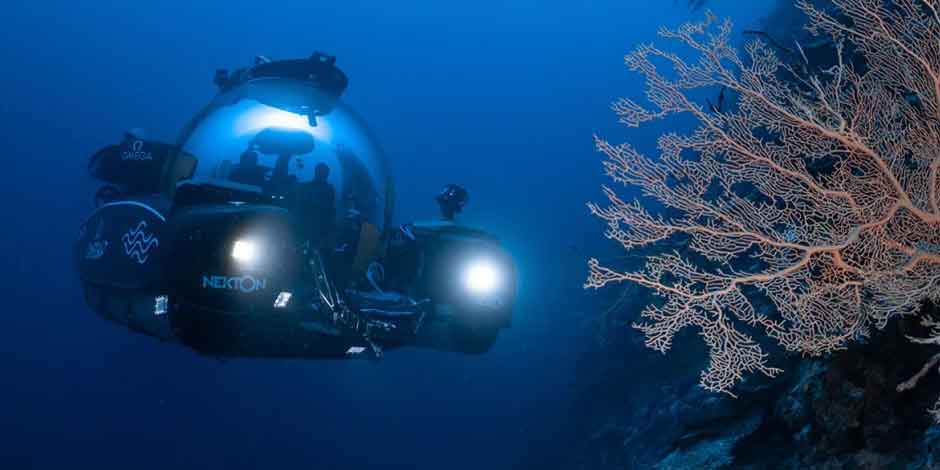
There are huge gaps in our knowledge of the ocean depths. Of the 2.2 million species believed to exist in the Earth’s oceans, only 240,000 have been described by science. Ocean Census aims to identify 100,000 previously unknown species in the next 10 years, allowing scientists to better understand and protect the deep-sea ecosystem. The initiative builds on past projects including the Census of Marine Life, which included more than 2,700 scientists from 80 nations that concluded in 2010 and identified 6,000 potential new ocean species. New technology such as high-resolution underwater imaging, machine learning and sequencing of DNA contained in seawater will aid in the speed and scale of discovery of new life-forms. The project is being led by Nekton, a UK-based marine science and conservation institute, and is funded by The Nippon Foundation, a nonprofit foundation based in Japan.
| |
|
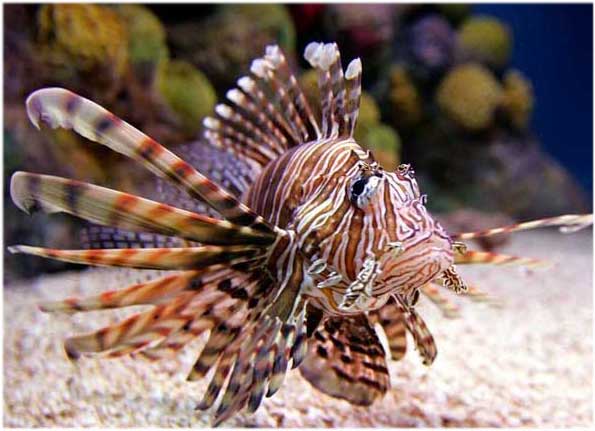
Lionfish, Pterois volitans, are native to the Indo-Pacific but sometime in the 1980s idiots in Florida gave up on their saltwater tank and released several lionfish into the ocean. Lacking natural predators and with voracious appetites, lionfish soon became an invasive species. These fish reproduce year round; a year old a female lionfish will release 50,000 eggs every three to fours days for her entire life. Lionfish now infest the Western Atlantic from North Carolina to Brazil and the entire Caribbean Sea. They can be found from 1 to 1,000 feet, in mangroves, seagrass beds, coral reefs, over, hard bottoms, and on artificial reefs. It is estimated lionfish devour 79% of smaller fish within five weeks of entering a coral reef system.
Lionfish are delicious, but their spines are venomous. The most effective method of removing lionfish is by spearing them. Reef offers lionfish collecting and handling workshops. Due to the advanced nature of the lionfish collection dives an advanced dive certification and 30 dives minimum are required for dive participants. Reef is also running lionfish sweeps at Key West from now to June 1, 2003, and will hold lionfish derbys in September.
| |
|
Stony Coral Disease in Bonaire?
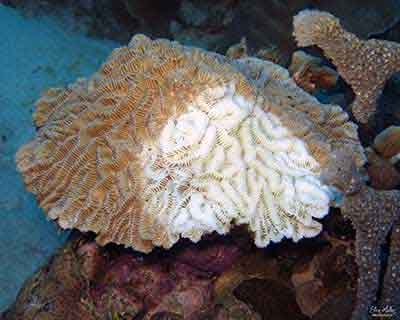
The reefs of Bonaire in the Caribbean's Dutch Antilles are currently experiencing an outbreak of what may be Stony Coral Tissue Loss Disease (SCTLD), a highly contagious disease that affects corals, resulting in loss of tissue and eventually killing the coral colonies. First identified in Florida in 2014, it spread to 22 countries in the Caribbean. The cause of the disease is still under investigation, but evidence points to a bacterial pathogen that is transmitted by touch and water circulation. Divers visiting Bonaire are being asked to help to control the spread of this disease by cleaning their dive gear and disposing the cleaning solution, but never pouring it back into the ocean.
| |
|
What Makes a Map Persuasive?
Or Not?
DATE: Thursday, May 11, 2023
TIME: 1 p.m. (EDT) via Zoom Webinar
Join PJ Mode and Arthur Dunkelman as they explore some examples of persuasive maps and analyze whether they are effective or not — and why. The program will be followed by an audience question and answer session. Please create a Zoom account now if you have not done so already.
Register here
| |
|
Notes
Amazon.com is offering an opportunity to generate donations to the Shark Research Institute at no extra cost to you. Simply start your shopping at smile.amazon.com/ch/22-3110087, confirm "Shark Research Institute, Inc." as your charity of choice, and Amazon will make a donation to our organization.
Consider a tax-deductible year-end gift to the Shark Research Institute. Just mail a check to SRI at 70 Heather Lane, Princeton, NJ 08540, USA, or go to the link on our website.
You may join or renew your membership in the Shark Research Institute, or make a donation of any size at https://www.sharks.org/donate
Note: All donations are tax-deductible from U.S. federal income taxes as
charitable donations and help fund our field research, advocacy and education programs.
| |
Please share this free weekly newsletter with your friends and family to help grow our audience. All they need to do to receive the newsletter is simply sign up on our website’s home page (https:www.sharks.org)
We all have a lot of work ahead to protect sharks and the ocean,
and combat climate change while there is still time.
| | | | |