|
Kindness
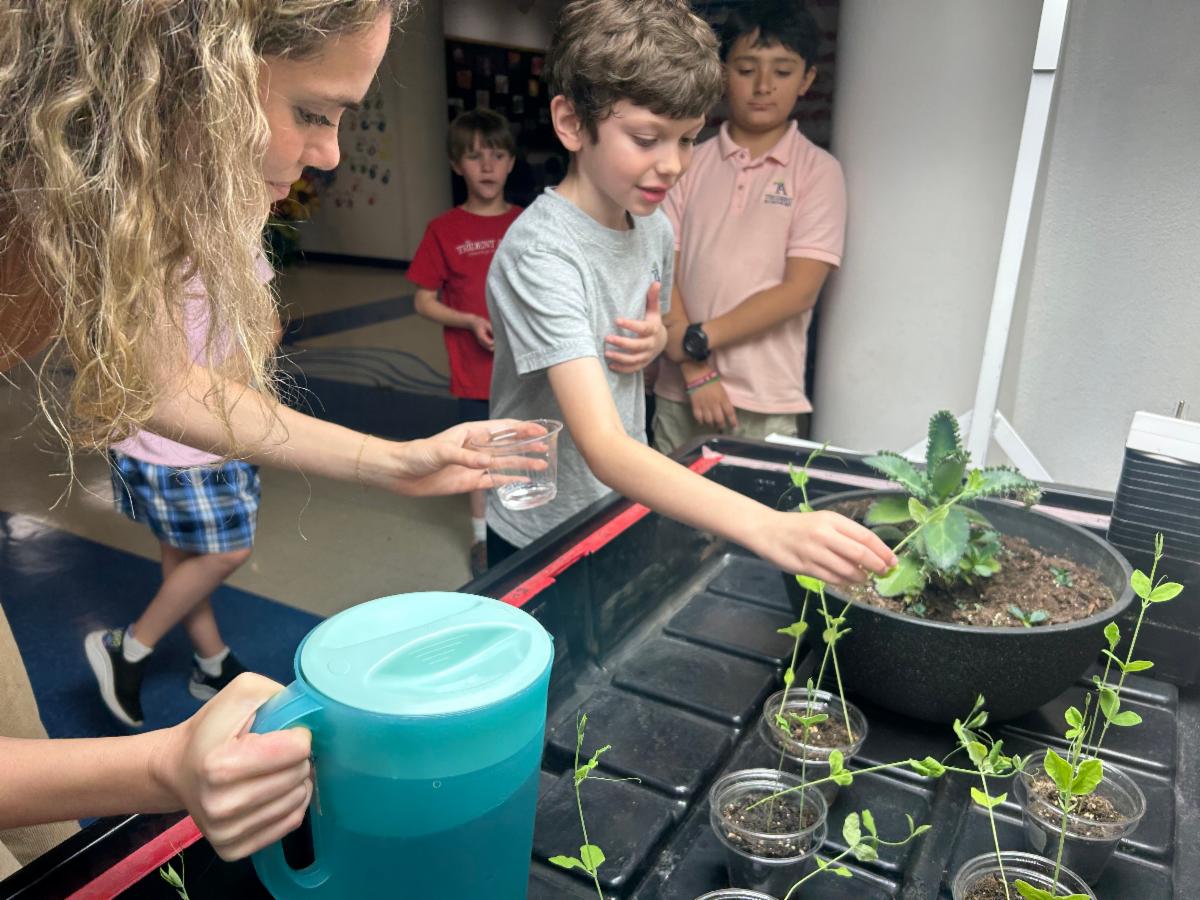
Two weeks into my time on campus, I continue to be energized by what I see, hear, and feel at Trident Academy everyday. I see teachers who care deeply, students who are determined and gritty, and a community beaming with strength and potential. However, the most important thing of all that I have witnessed and have been impressed by is kindness.
Many times, kindness is framed as a social value, but in a school environment—especially one that supports students with learning differences—it is also an important cognitive support. Executive functioning skills such as organization, impulse control, flexible thinking, and task initiation are deeply influenced by a student’s emotional state, and when students feel safe, respected, and valued by their peers and teachers, their brains are more available for learning.
Higher-order thinking—analysis, problem-solving, and creativity—requires students to take risks. They must be willing to share ideas, make mistakes, and revise their thinking. In an unkind or judgmental environment, students are far less likely to engage at this level. Kindness, therefore, is not simply about being nice; it is about fostering a culture where intellectual risk-taking is possible. When students encourage one another, listen actively, and respond with
empathy, they are collectively raising the level of thinking in the room.
For the students at Trident Academy, this connection is even more pronounced,
because many of them work harder than their peers to manage attention, regulate emotions, and process information. So, a kind word, a patient partner, or a teacher who models understanding can make the difference between shutdown and engagement. These small, consistent acts of kindness serve as scaffolding, allowing students to stretch their executive functioning skills and engage more deeply in complex thinking tasks.
Have a great weekend! And please take care of yourselves, take care of each other, and take care of your school.
Have a great weekend,
Hacker Burr
Interim Head of School
|