|
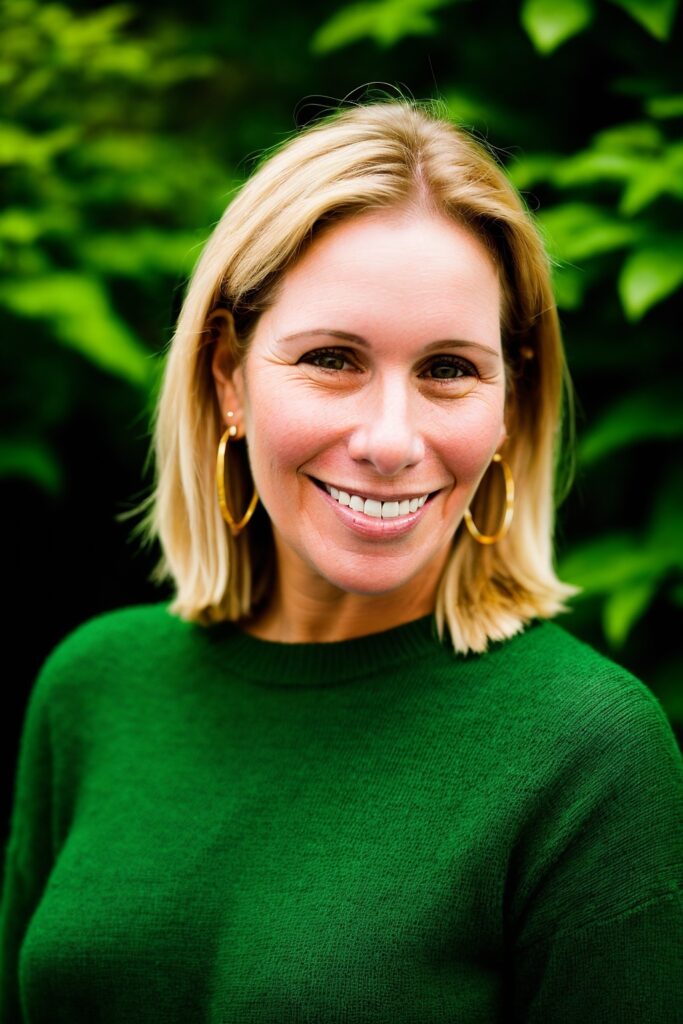
I approach my work through the intersection of professional expertise, lived experience, and allyship. As a hearing, sighted, nondisabled White woman with 30 years in Deaf Education, I recognize that some of my identities afford me privileges that differ from the experiences of many Deaf, DeafBlind, and Deaf Disabled students and families I serve, many of whom are people of color and experience socioeconomic inequities. I remain mindful of how race, disability, language, socioeconomic status, and access intersect, and of my responsibility to examine my assumptions and recognize how power and privilege shape the systems in which I work and lead.
As an educator, researcher, and school leader, my perspective has been shaped by decades of experience, research, relationships, and a commitment to language and communication rights and educational equity. I also recognize the limits of professional expertise—it does not equate to lived experience. I do not know what it means to move through the world as a Deaf, DeafBlind, or Deaf Disabled person.
My positionality is also shaped by being the single mother of a neurodivergent child. Like many families I serve, I have navigated special education, healthcare, and support systems while advocating for my child and confronting barriers to appropriate services. This shared experience of navigating complex systems and parent advocacy deeply informs how I understand, listen to, and partner with families.
As a school leader, these perspectives inform my leadership and my vision for what our school can be. I strive to build a model school for Deaf, DeafBlind, and Deaf Disabled students, translating that vision into practices that support students’ success. The lived experiences of our students, families, and communities are essential to shaping that vision.
My positionality also informs my leadership beyond my school and within the broader field of Deaf Education. As I work to influence educational policy and support professional learning across the field, I recognize the responsibility that comes with that influence and the importance of centering the experiences and needs of Deaf, DeafBlind, and Deaf Disabled students and their families.
|