|
Welcome back to the Circle!
This month, we focus on turning our restorative vision into action. Through all-staff gatherings and policy hearings in Sacramento, we are bridging the gap between systemic critique and community safety.
In honor of Mental Health Awareness Month this May, we at Community Works believe community health and mental health go hand in hand. By fostering collective care and advocating for non-police crisis interventions, we strive for environments that support long-term healing.
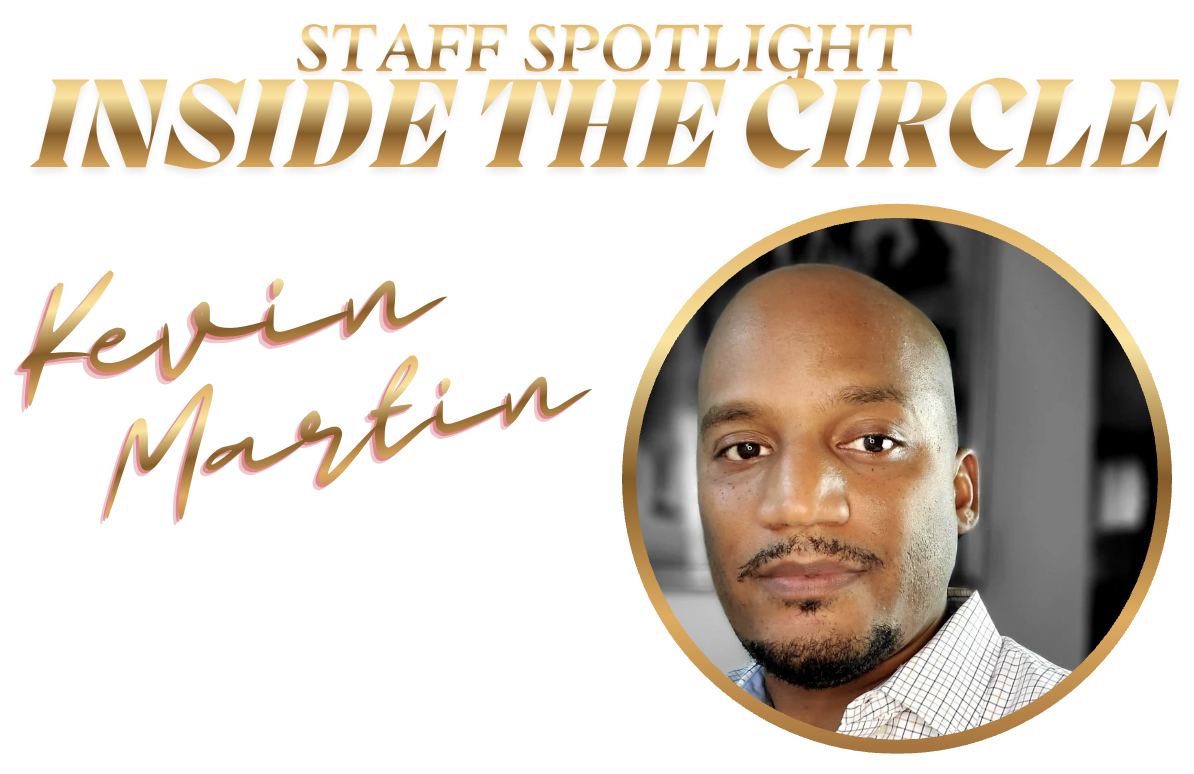
| | Join us now as we continue the conversation on our restorative practice approach with Kevin Martin, the other half of our Restorative Practices Strategist team, and provide insights into our legislative priorities. | |
|
Grounding the Blueprint—
An Honest Conversation on Restorative Culture
| |
True external advocacy is only as powerful as our internal foundation. To elevate our voice as an authentic leader in the restorative movement, we have to look directly at how we run our organization from the inside out.
We sat down with Kevin Martin, Restorative Practice Strategist at Community Works, to unpack our internal restorative justice ideology and why the strategy we are building is entirely uncompromised.
| | |
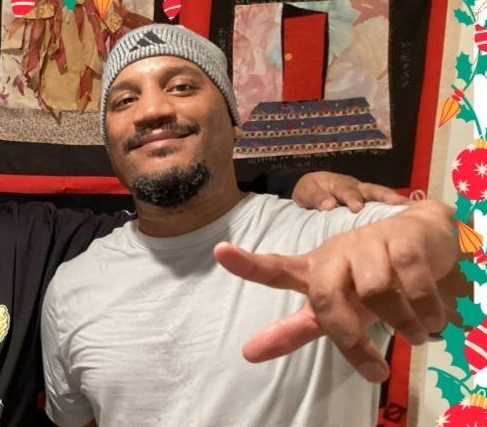
Kevin, to start our conversation, can you introduce yourself and your history with the team?
"I'm Kevin Martin. I'm a restorative practice strategist on the team—with an emphasis on the 'strategist'. I've been at Community Works for six years now. I think I've got about six more months to go before I make it to my seventh year here."
| | |
For the past three years, Community Works has been intentionally training, onboarding, and embedding the deep restorative values our programs are well known for directly into our internal organizational culture.
To understand how this internal foundation connects to our larger five-year strategic plan and our distinct brand of restorative practice.
We sat down with Kevin Martin—the other half of our Restorative Practice Strategy duo —fresh off completing two major, intensive all-staff trainings on Domestic Violence and Compassionate Care for LGBTQ+. Kevin pulls back the curtain on what it takes to build a truly values-aligned ecosystem from the inside out.
| | | | | |
"The ideology is rather simple.
You have to understand that when we started, the team was brand new. There was no one in this role.
We did have a restorative justice director, but her role was totally different than what Dee and I did together.
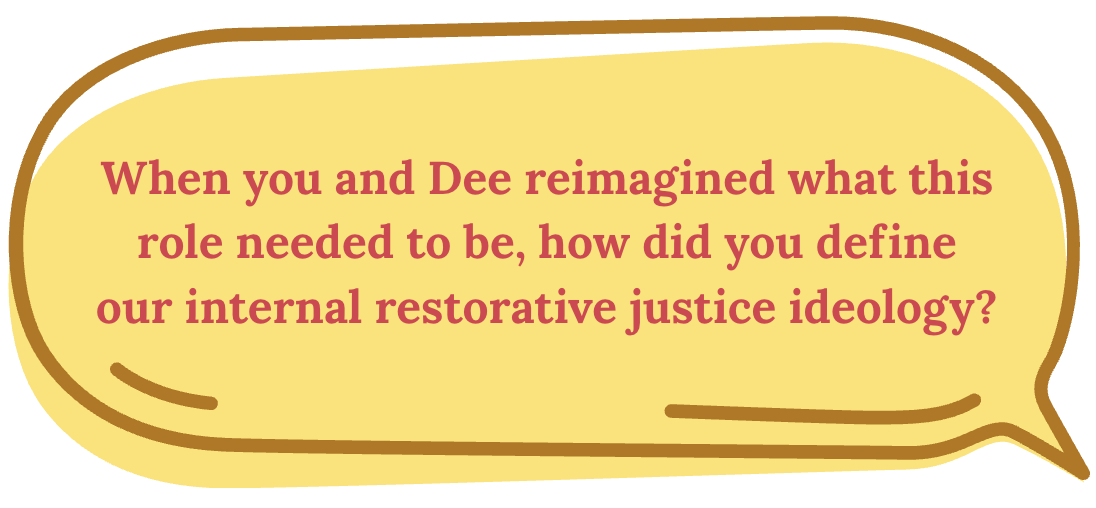
So when we came in, we had to reimagine what the organization needed from the inside out.
The first three years were focused on internal organizing and working with our newest colleagues first."
| | |
"We focused on building an onboarding culture and experimented with cohorts.
We linked up with Human Resources to develop a strict training protocol.
If you notice, any training we do here at Community Works requires a deliberate step and process we go through before we ever get to the actual training."
| | | | | | |
"We vet people to see if there's a cultural match.
We host Q&As and a set of interviews beforehand because we want to know that our values align.
We need to ensure a trainer can come in and lead through consensus, rather than forcing things down our throats.
Take our partners Nikki and Tommy from HR Un-Equivocal, for example. When they came in from North Carolina, they fit right in perfectly.
| | | | | |
"We used to just bring folks in just because they were in the community and did the work.
They would drop in, do a one-and-done, and head out the door.
What we found was that a lot of harm was happening in those spaces. Some people were just there to collect a check, and no one was taking anything meaningful away.
When we formed this team, my first point to Dee was that restorative practices cannot be passive.
| | | |
"Restorative practice has three core components:
- Ground-up leadership defined by consensus.
- Moving forward only when agreements have been made. Agreements are not rigid rules; they are living boundaries meant to be debated and updated so the audience has real agency.
- Putting what we discussed into active, concrete motion.
| | | | Dee and I felt we got the first two points down in our first few years. Now, achieving true values-alignment and taking measurable action on that alignment is exactly where we’re at." | | | | |
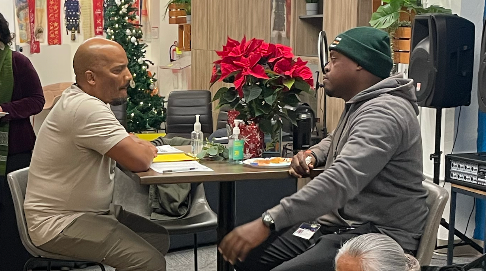
"Beforehand, HR and restorative practice were two separate entities that hardly ever communicated.
It was actually Dee’s mindset that shifted this: our human resources must be restorative-minded, not leading punitively.
We brought Gaby (HR) & the (Dorothy) Director of Impact & Program into the fold so we could intentionally build an environment of folks who are culturally aligned and possess the capacity for agreement-building.
| | | |
When it works, it creates a deeply reciprocal relationship.
Look at how you came on staff—years later, we are still working together in a reciprocal exchange. No one is exercising 'power-over' you, and we aren't dictating to you. We are respecting your creativity, which is a direct result of that cultural shift."
| | | | |
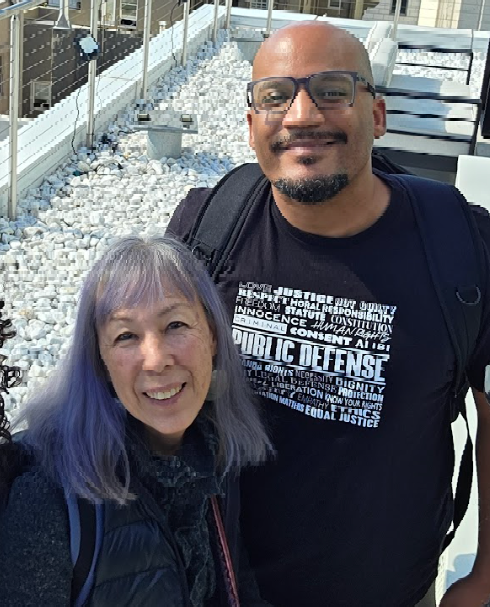
"Dee and I were the first co-partnership team in this organization, predating the structures that followed.
We were the model for co-partnership because we believed completely in complementary power.
At the time, she brought over 20 years of deep history at Community Works as an older Asian woman.
I was newer to the organization, but I brought a depth of restorative practices that I learned in my meditation community, studying presence in South Africa, and navigating the world as a queer man.
| | | We recognized that there was enough healthy difference between us to leverage a real power balance and build a complementary relationship." | | "Our leadership has been quiet and intentionally subversive from the gate. We didn't want to step in as traditional directors; we knew we had to do this work at the peer level first. Over time, our alignment with leadership grew as a natural, organic progression. | | |
We have spent years quietly building this foundation from the ground up. Now, the community is ready, the staff is ready, and we are being highly strategic about walking people through these exact tenets in real-time.
That's why I'm here—to move this strategy out of the shadows and show exactly what a values-aligned restorative ecosystem looks like in action."
| |
COMMUNITY WORKS IN FOCUS: WHAT'S NEXT?
This initial strategy session with Kevin Martin serves as the baseline for a 12-part monthly content series that breaks down how our departments are being structurally re-engineered through a restorative lens.
| |
| |
Make sure you are subscribed and Stay Tuned for our upcoming June Issue, where we connect with Gaby, Kevin, Dee, and Dorothy to further break down the operational layout of our latest multi-phased rollout and share exclusive insights from our two most recent intensive staff trainings: our internal Domestic Violence Training and "Justice Begins at Home: Compassionate Care for LGBTQ+.
| |
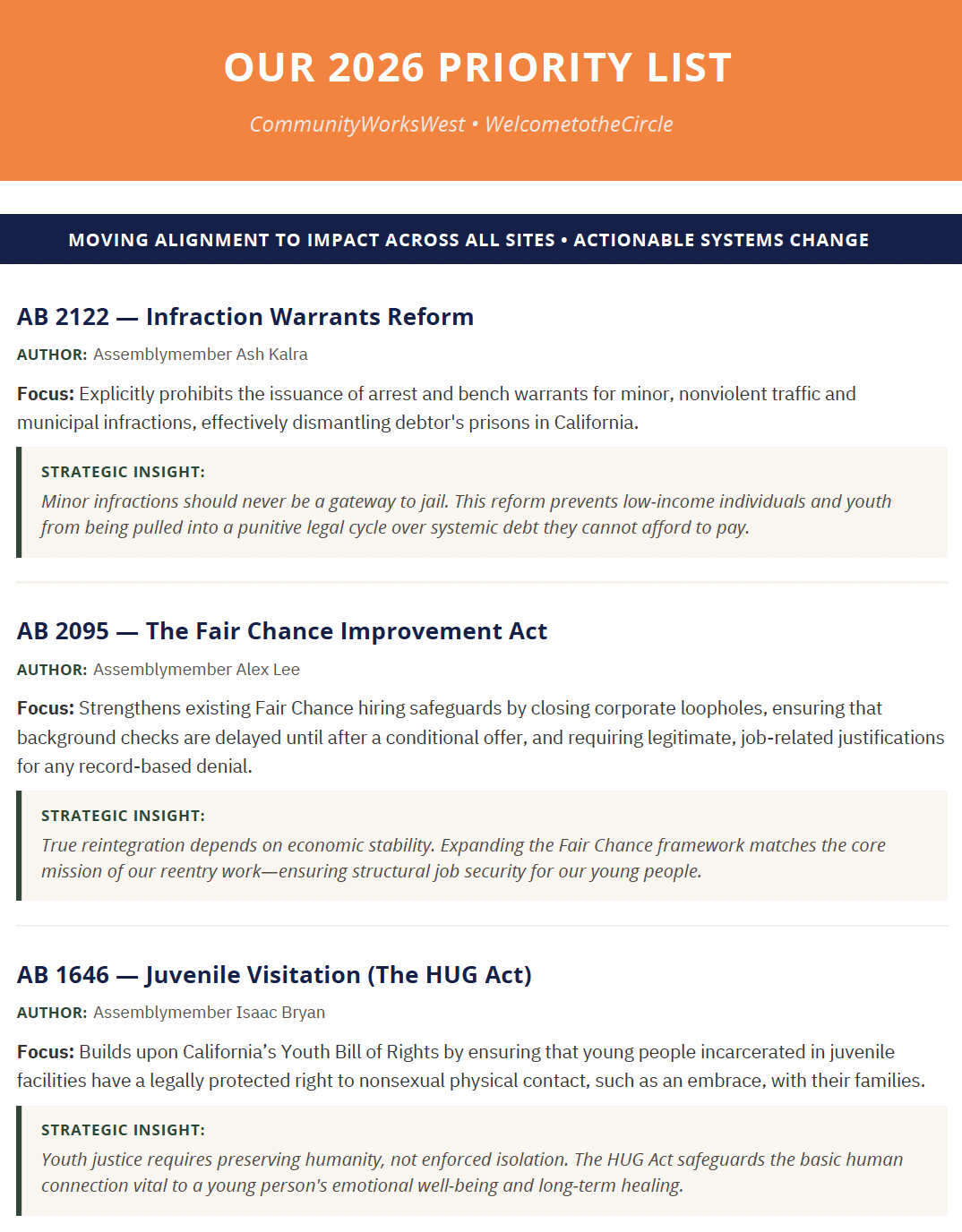
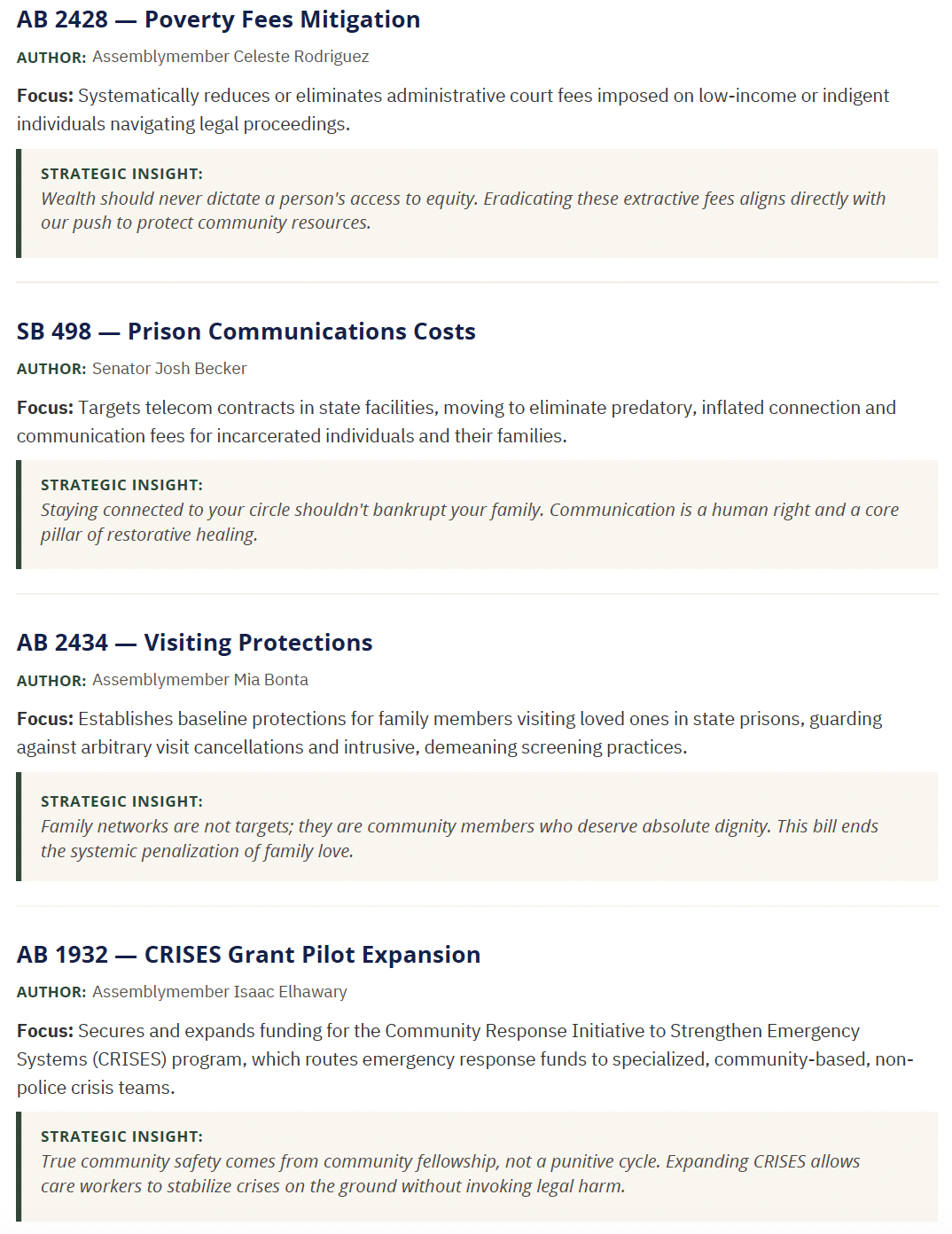
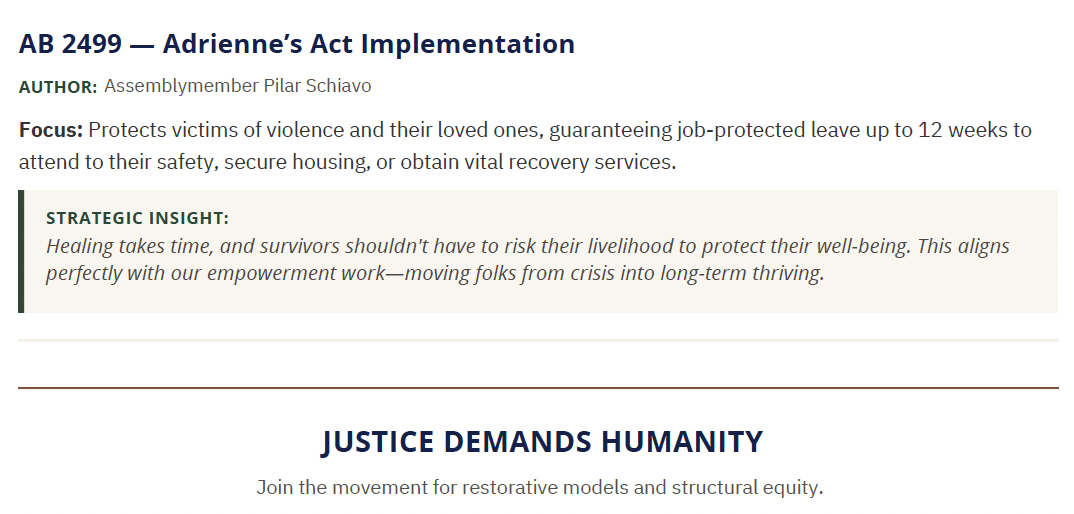
With voting season in full swing and our first democratic event on June 2, ensuring our community is fully informed about how these restorative values translate into state-level power is more urgent than ever.
- We are moving our strategy out of the shadows and directly onto the frontlines of policy.
| |
| | | |