“Right now, people are afraid to leave their homes. I think that basic denial of your sense of safety, it is a violation of our human rights. And I think that this does need to be taken seriously and urgently."
― Cynthia Choi, Co-Founder of Stop AAPI Hate
Day Five
AAPI Racism, Hate & Violence

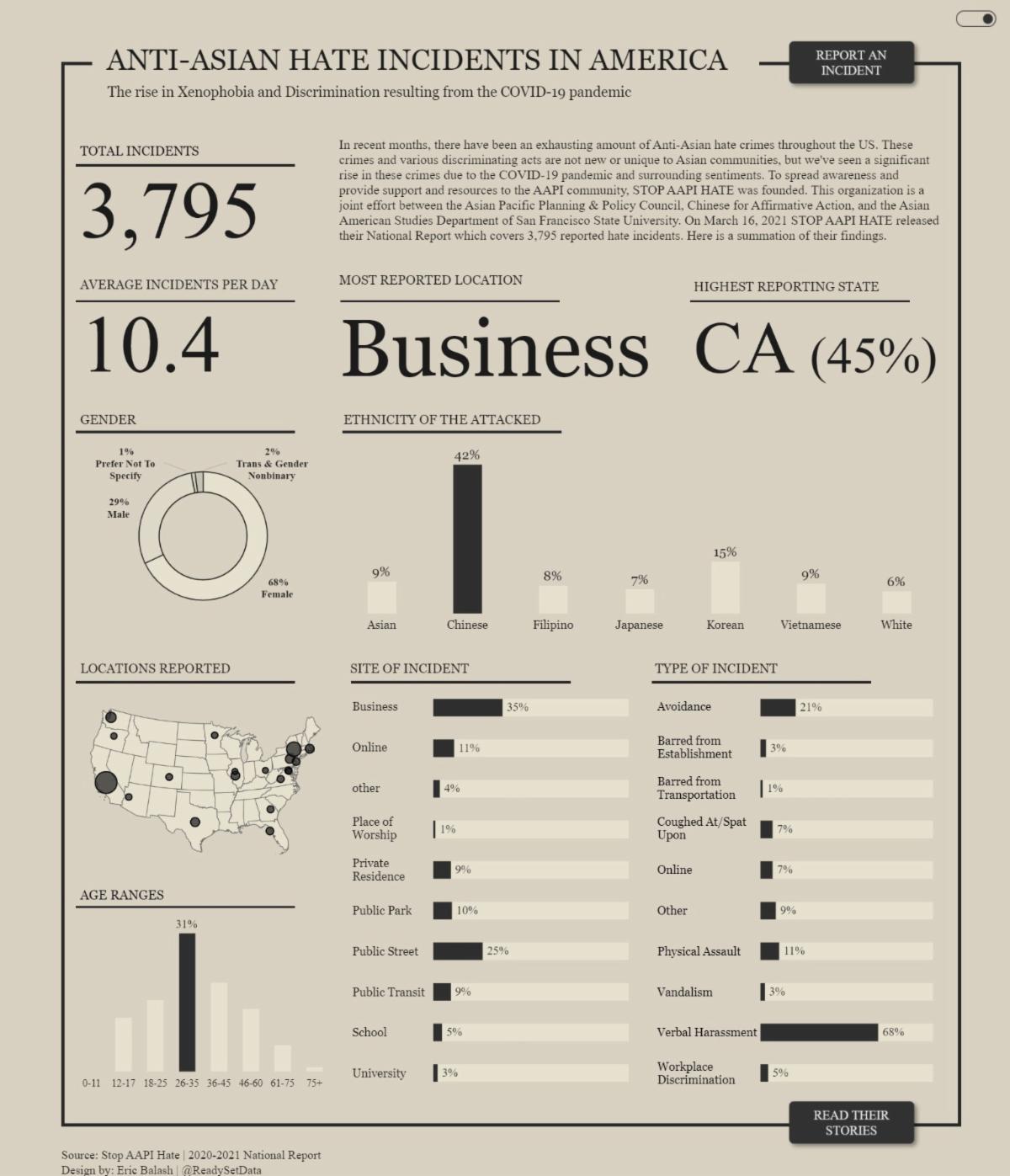
Hate crimes against members of the AAPI community are on the rise and as such, it’s important to educate ourselves on the impact of this violence and how we can help curb it. Today’s content will focus on the current anti-Asian sentiment permeating throughout our culture, and the various ways we as a country can combat it. 
JOIN THE CONVERSATION
Racism & the AAPI Community
Equity Conversation
Friday, June 11th
11:30 a.m. - 1:00 p.m. via Zoom

Join AAPI community leaders and United Way of Pierce County for an Equity Conversation and panel discussion focused on Racism and the AAPI Community.

CLICK HERE to register for the conversation.

READ
Twelve months ago, our country was in the early stages of the COVID-19 pandemic. Most
Americans were entering their first quarantines and watching a virus spread faster than
government systems could track. But Asian Americans were watching something spread even faster than COVID-19: Widespread hate and discrimination against members of our community.

As fears about the coronavirus increased in early 2020, Asian Americans — especially Asian American women — began to sound the alarm about a rise in anti-Asian violence, harassment, and hate. But it took the mass murder of six Asian women in Atlanta to catapult anti-Asian violence onto a national platform. On March 16, a 21-year-old white man murdered eight people in three massage parlors in the Atlanta area, including four Korean and two Chinese women. The massacre shocked, horrified, and outraged the nation and generated an outpour of empathy.

LISTEN
How can Asian American communities create safety, when the harms of racism and xenophobia are so deeply rooted in our society? We’ve spent time unpacking the simplistic solution of hate crime enforcement, then learning how local activists rallying against anti-Asian hate often reveal a much deeper history of neglect and under-resourcing of immigrant communities.
WATCH
When Amanda Nguyen saw the video, she was horrified. In the Jan. 28 security footage, 84-year-old Vicha Ratanapakdee was shoved to the ground while taking his morning walk in San Francisco; just two days after the assault, he died. (Nineteen-year-old Antoine Watson has since been charged with and pleaded not guilty to murder and elder abuse.) It was one of several incidents of physical violence against Asian American elders in recent weeks across the U.S., but Nguyen had yet to see coverage by a major news outlet about the concerning increase in violence towards the Asian American and Pacific Islander community, following a year of xenophobic rhetoric and racist attacks amid the pandemic.

Racially motivated harassment of Asian Americans is a longstanding issue in the U.S., but in the year since COVID-19 entered the country, incidents have been on the rise. What has contributed to the surge in racism and hate crimes towards Asian Americans and Pacific Islanders, and how can the issue be addressed? PBS News Hour’s Amna Nawaz, AAPI activist Helen Zia and Rise founder Amanda Nguyen took your questions and discussed the history of AAPI hate crimes and how communities are responding now.

REFLECT
Reflect

  • How does the current wave of hate crimes against the AAPI community relate to America’s history of racism towards it? How has the pandemic exacerbated the issue? 

  • What can we as Americans do to become allies to the AAPI community during their time of need? How can we better educate ourselves and others? 

to revisit content, find additional resources,
and more!